ToolMage
Sign in

Best 4 Learning Management System AI tools for Education

Popular Learning Management System AI tools in Education include SC Training, Tovuti LMS, Kognics, and Augmental, helping you work more efficiently.

SC Training
Freemium

SC Training

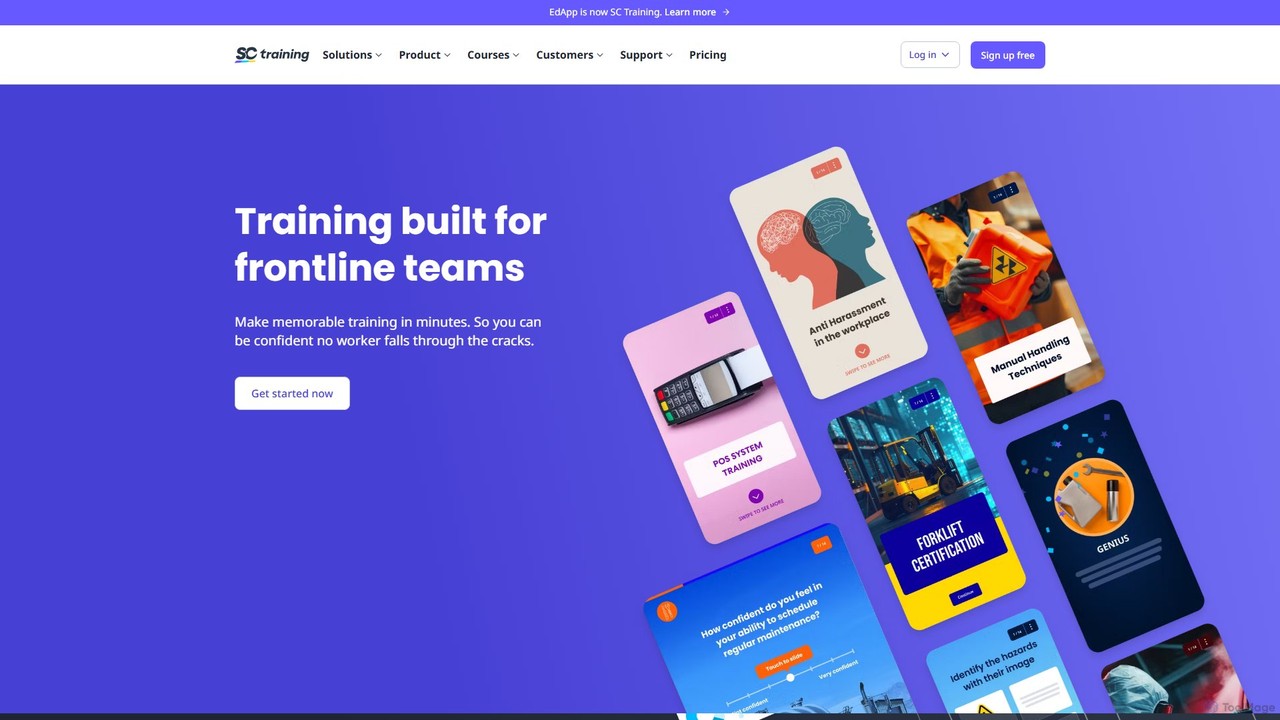
SC Training (formerly EdApp) is a mobile-first microlearning platform designed for frontline teams. It uses AI to create engaging training courses in minutes from existing documents or prompts. The platform features gamification, compliance tracking, and a vast library of editable courses to upskill and onboard employees efficiently.

Human Resources
Visits 87.5KFavorites 129Likes 122
Augmental
Paid

Augmental

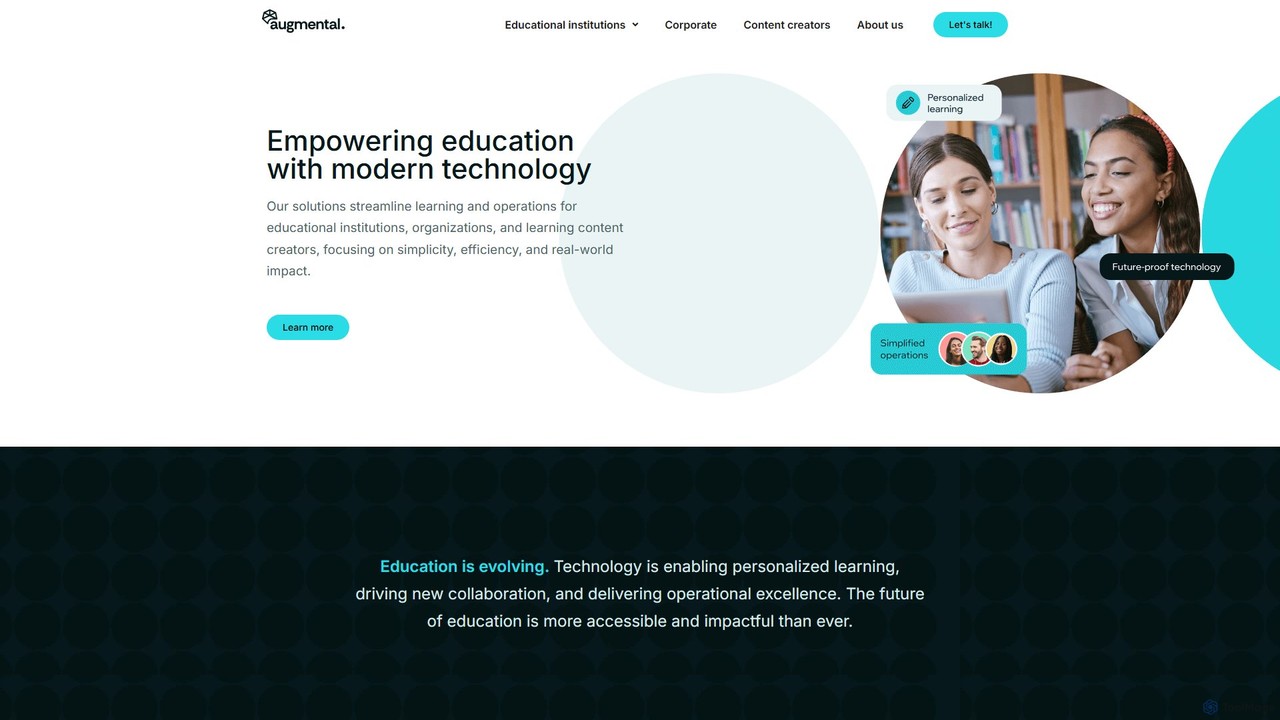
Augmental is an AI-native educational platform featuring the Learnloom LMS, designed to empower institutions and content creators. It automates course creation, provides personalized learning paths with AI tutoring, and offers deep analytics to enhance learner success and operational efficiency.

Personalized Learning
Visits 6.1KFavorites 91Likes 104
Kognics
Freemium

Kognics

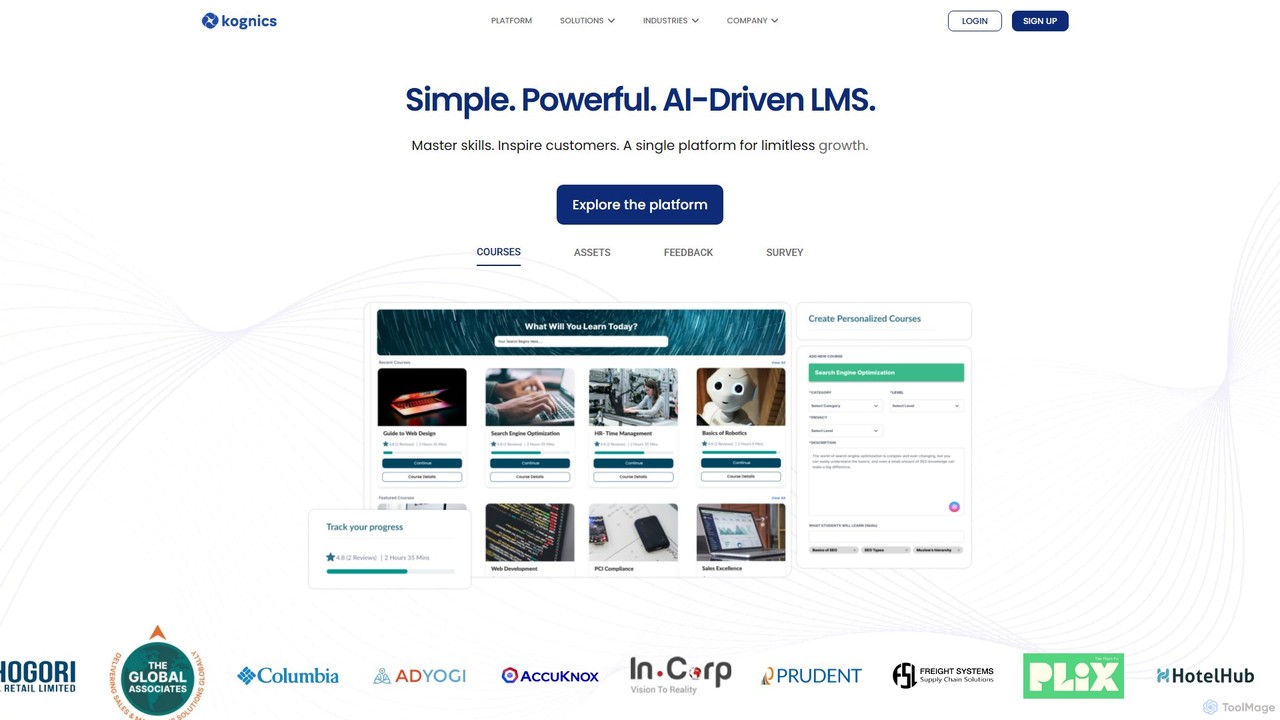
Kognics is an AI-driven Learning Management System (LMS) designed to empower businesses by enhancing employee, customer, and partner training. It combines a powerful LMS with CRM functionalities to create personalized, engaging, and scalable learning experiences, boosting productivity and driving growth.

Learning Management System
Visits 8.3KFavorites 133Likes 128
Tovuti LMS
Paid

Tovuti LMS

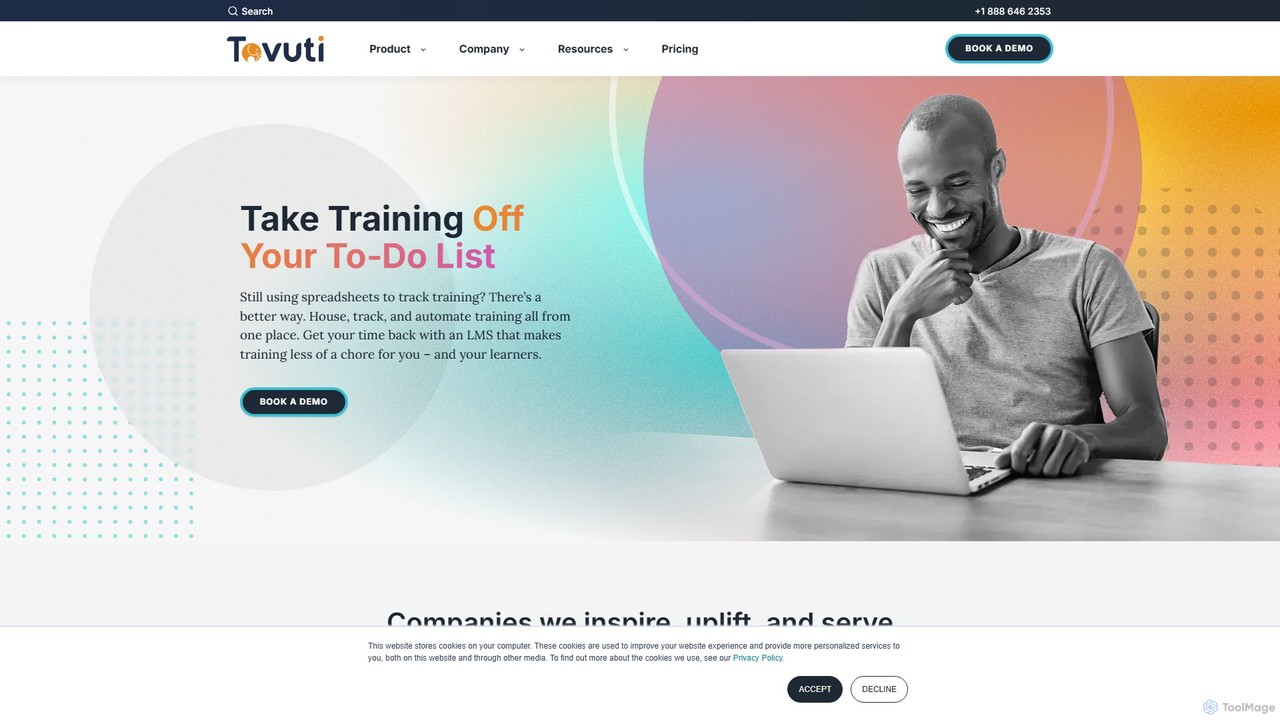
Tovuti LMS is a comprehensive learning management system that leverages AI to streamline corporate training. Its Dizi AI feature enables rapid creation of entire courses, complete with quizzes and images. The platform combines powerful course authoring, automation, gamification, and in-depth analytics to create engaging and effective learning experiences, designed to save time, reduce costs, and boost learner completion rates for businesses of all sizes.

Human Resources
Visits 22.8KFavorites 144Likes 166

About Learning Management System

A Learning Management System (LMS) is a software application designed to administer, document, track, report on, and deliver educational courses or training programs. AI-powered LMS platforms enhance these core functions by using artificial intelligence to automate content creation, personalize learning paths, and provide predictive analytics on learner performance. They serve as a centralized hub for organizations to manage the entire lifecycle of their e-learning initiatives, from course authoring to final assessment. This integration of AI enables more adaptive, engaging, and effective educational outcomes compared to traditional systems.

Core Features

  • AI-Powered Course Authoring: Automatically generate course outlines, quizzes, and learning materials from existing documents or simple text prompts.
  • Personalized Learning Paths: Adapt course content and recommendations in real-time based on individual learner performance, goals, and preferences.
  • Automated Assessment: Instantly grade assignments and quizzes, provide targeted feedback, and identify common knowledge gaps across learner groups.
  • Predictive Analytics: Analyze learner data to forecast performance, identify at-risk individuals, and suggest interventions to improve success rates.
  • Intelligent Content Curation: Discover and recommend relevant internal and external learning resources to supplement formal training.

Applicable Scenarios

LMS platforms are widely used in corporate environments for employee onboarding, compliance training, and professional development. In academia, they are essential for delivering online courses, managing student assignments, and facilitating remote learning from K-12 to higher education. They are also used by commercial training providers to sell and deliver courses to a global audience.

Selection Criteria

When choosing an AI LMS, evaluate the sophistication of its AI features, such as the quality of content generation and the accuracy of its analytics. Consider its integration capabilities with other business systems like HRIS or CRM. Assess the user experience for both administrators and learners, and ensure the platform's scalability and pricing model align with your organization's long-term growth and budget.

Learning Management System use cases

1

Automating Corporate Employee Onboarding

HR managers and Learning & Development (L&D) specialists use an AI LMS to streamline new hire training. They create a standardized onboarding program with modules on company policy, culture, and job-specific skills. The system automatically assigns this learning path to new employees, tracks their progress, and sends reminders. AI features can generate welcome messages, create quick knowledge-check quizzes from policy documents, and recommend mentors based on new hire profiles, reducing administrative workload and ensuring a consistent, engaging onboarding experience for every new team member.

2

Delivering University Online Degree Programs

University administrators and professors leverage an LMS as the core platform for delivering fully online or hybrid degree programs. Instructors upload lecture videos, reading materials, and create assignments within the system. The LMS facilitates student interaction through discussion forums and manages the entire assessment process. AI tools can help by automatically grading multiple-choice exams, checking assignments for plagiarism, and providing analytics on student engagement. This allows instructors to identify students who may be falling behind and offer targeted support, improving overall retention and success rates in a remote learning environment.

3

Managing Mandatory Compliance Training

Compliance officers in regulated industries like finance, healthcare, or manufacturing use an LMS to deploy and track mandatory training. They can assign courses on topics like data privacy (GDPR), workplace safety (OSHA), or anti-money laundering (AML) to specific employee groups. The system maintains a detailed audit trail, recording course completions and assessment scores. AI can enhance this by summarizing dense regulatory documents into engaging micro-learning modules and creating varied quiz questions to ensure learners truly understand the material, not just memorize answers. This simplifies audit reporting and mitigates organizational risk.

4

Creating Customer Education and Certification Programs

SaaS companies and software providers use an LMS to educate their customers, increasing product adoption and reducing support tickets. They build a curriculum of video tutorials, how-to guides, and best practice articles. Customers can learn at their own pace and take exams to become certified users. An AI-powered LMS can personalize the learning journey by recommending advanced topics to power users or foundational content to beginners. It can also power a chatbot within the learning portal to answer common product questions, providing instant support and improving the overall customer experience.

5

Developing Personalized Employee Skill Paths

L&D teams use an AI LMS to move beyond one-size-fits-all training. By integrating with HR systems, the LMS can access data on an employee's role, performance reviews, and career goals. The AI then analyzes this data to identify skill gaps and recommends a personalized curriculum from the course library. For example, it might suggest project management courses for an aspiring team lead or advanced data analysis modules for a marketing specialist. This creates a self-directed, continuous learning culture that aligns individual growth with organizational needs, boosting employee engagement and retention.

6

Monetizing Expertise by Selling Online Courses

Individual experts, coaches, and training companies use an LMS to package their knowledge and sell it as online courses. They use the platform's course authoring tools to create engaging content and integrate it with e-commerce functionalities to handle payments and enrollments. The LMS provides a secure portal for learners to access purchased content. AI features can help course creators by suggesting popular course topics based on market trends, generating marketing copy for course landing pages, and automatically creating transcripts and subtitles for video lessons to improve accessibility and SEO.

Learning Management System FAQ

What is a Learning Management System (LMS)?

A Learning Management System (LMS) is a software platform used to create, deliver, manage, and track online learning and training programs. It acts as a central repository for all learning materials. Modern AI-powered LMS platforms go further by automating administrative tasks, personalizing the learning experience for each user with tailored content recommendations, and providing deep analytics to measure the effectiveness of training initiatives.

How to choose the right AI-powered LMS?

To select the best AI-powered LMS for your needs, consider these factors:

  • Core Functionality: Ensure it covers your essential needs like course authoring, assessment, and reporting.
  • AI Capabilities: Evaluate the quality and practical use of its AI features. Does it genuinely save time or improve learning outcomes?
  • Integrations: Check if it can connect with your existing software stack, such as HRIS, CRM, or video conferencing tools.
  • User Experience: The interface should be intuitive for both learners and administrators. Request a demo to test its usability.
  • Scalability and Support: Choose a platform that can grow with your organization and offers reliable customer support.
What is the difference between an LMS and an LXP (Learning Experience Platform)?

The main difference lies in control and content discovery. An LMS is traditionally administrator-driven, focusing on delivering and tracking formal, assigned training (a 'top-down' approach). An LXP, on the other hand, is learner-centric. It uses AI to recommend and curate a wide range of content from various sources, promoting self-directed learning and skill discovery (a 'bottom-up' approach). Many modern platforms now blend features from both, offering structured learning paths alongside personalized content discovery.

Can an LMS be used for external training, like for customers or partners?

Yes, absolutely. This is often referred to as an 'extended enterprise' LMS. Many platforms are designed to support both internal employee training and external audience training simultaneously. They provide features like e-commerce integration to sell courses, custom branding for different audiences (e.g., a partner portal), and robust reporting to track the engagement and performance of non-employee learners. This is a common use case for customer education, partner certification, and commercial training programs.

What does 'SCORM compliant' mean for an LMS?

SCORM (Sharable Content Object Reference Model) is a set of technical standards for e-learning software products. When an LMS is 'SCORM compliant,' it means it can play any course content that is also created using the SCORM standard, regardless of which authoring tool was used. This ensures interoperability and allows organizations to easily import and use third-party courseware or content they've created with different tools, without being locked into a single vendor's ecosystem.