Education Best in category 7 results Research AI Tool

Popular AI tools in the Research field of Education include Chatbox AI、noteey、Boring Report、PDF Pals、Shortify、kOS、AFI Explorer, etc., helping you quickly improve efficiency.

Free
Boring Report

Boring Report

Boring Report is an AI-powered news app that removes sensationalism from journalism. It uses advanced AI to rewrite …

19.6K
Shortify

Shortify

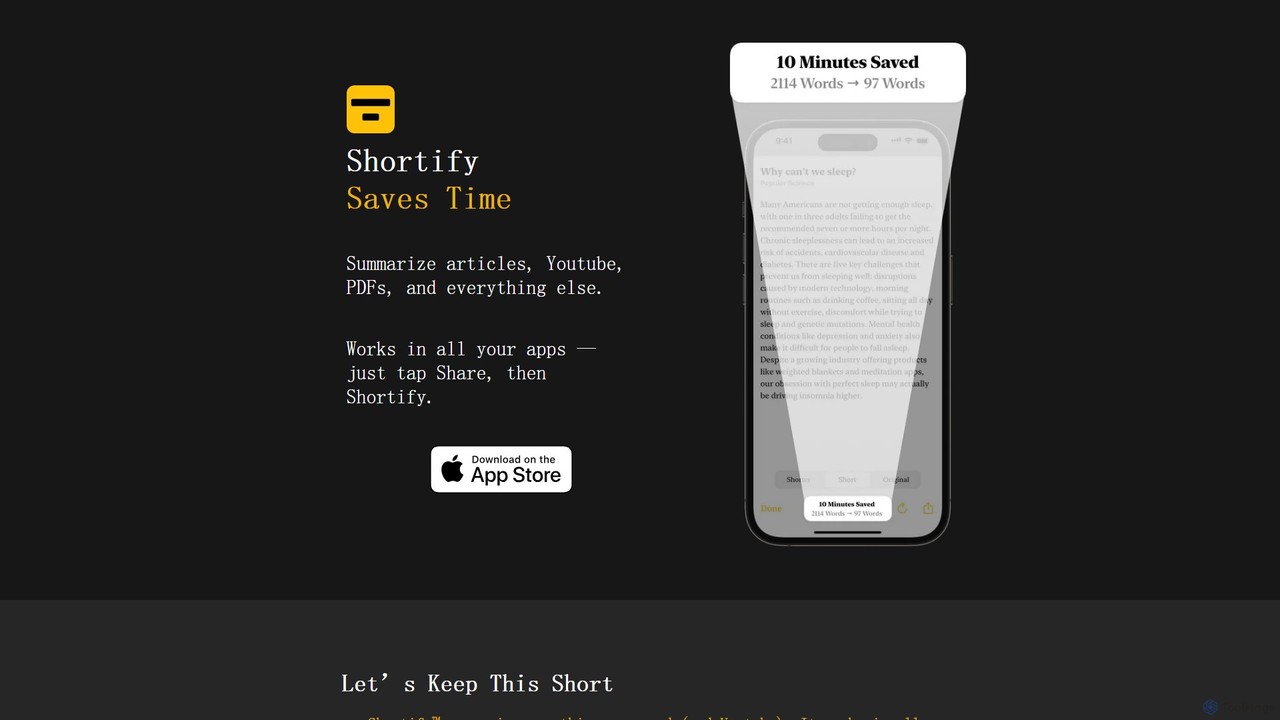
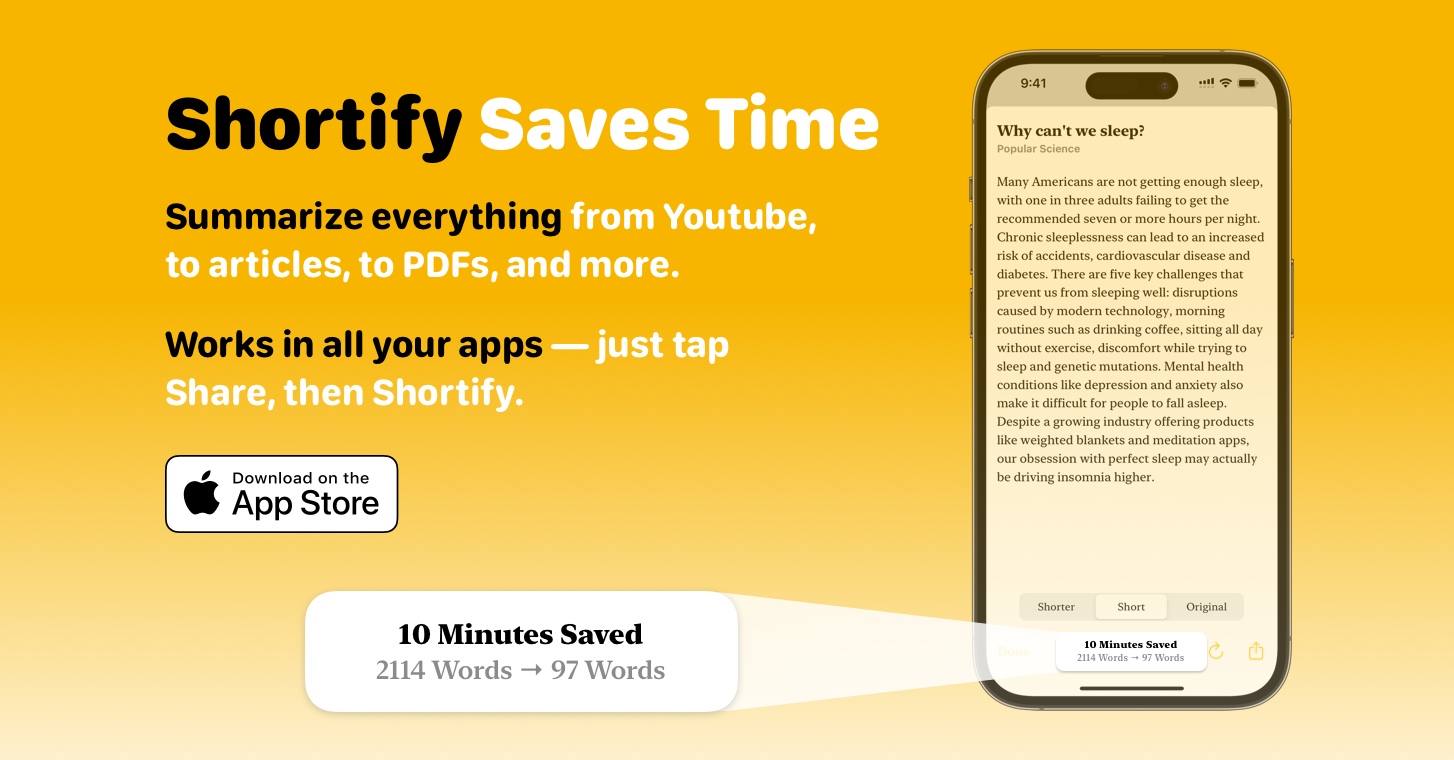
Shortify is an AI-powered app for iOS that instantly summarizes articles, YouTube videos, PDFs, and any web content. …

4.6K
Chatbox AI

Chatbox AI

Chatbox AI is a powerful, cross-platform AI client for desktop and mobile. It integrates chat with documents, images, …

761.9K
kOS

kOS

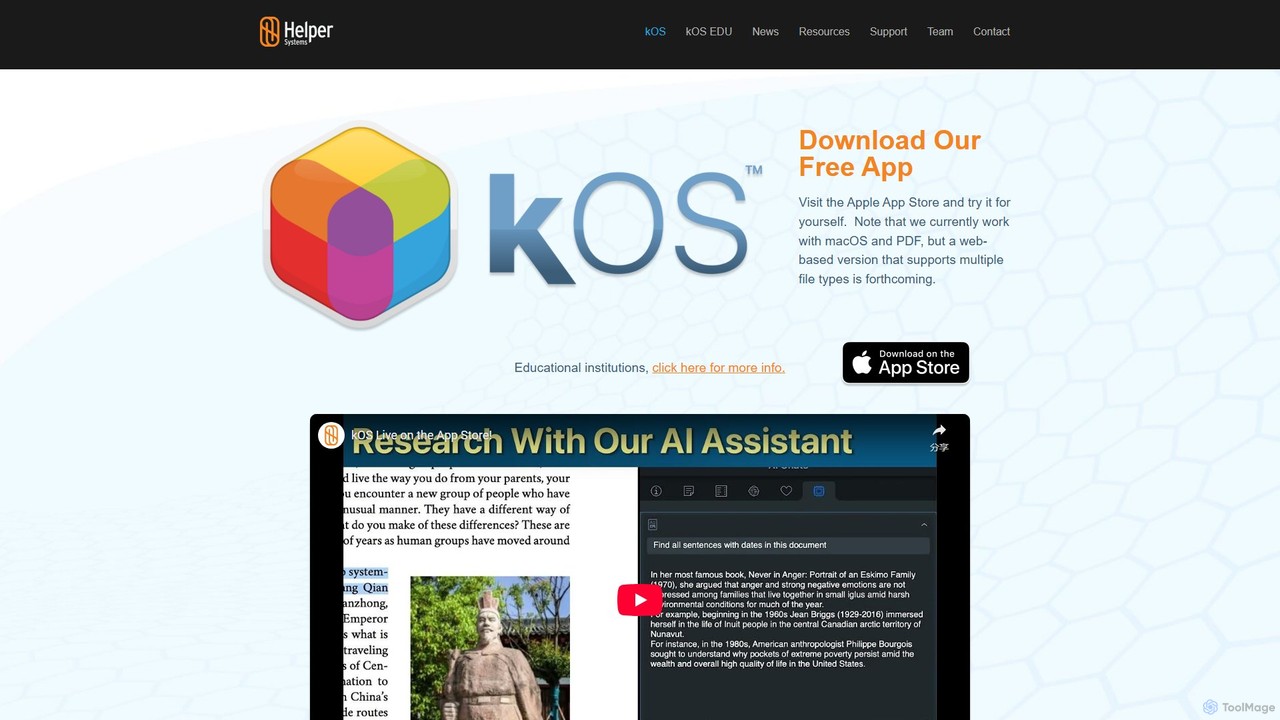
kOS by Helper Systems is an AI-powered research application for macOS designed to enhance PDF analysis, ensure academic …

3.9K
AFI Explorer

AFI Explorer

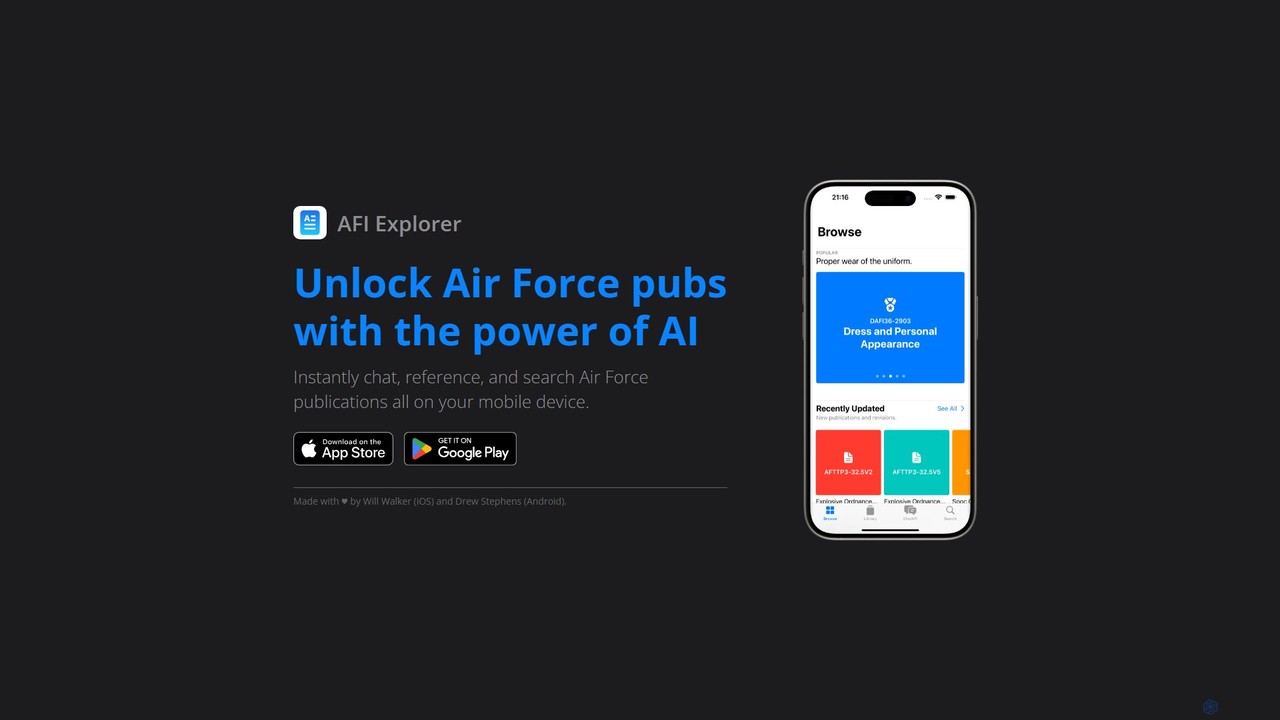
AFI Explorer is an AI-powered mobile application designed for U.S. Air Force personnel. It provides instant chat, search, …

3.3K
noteey

noteey

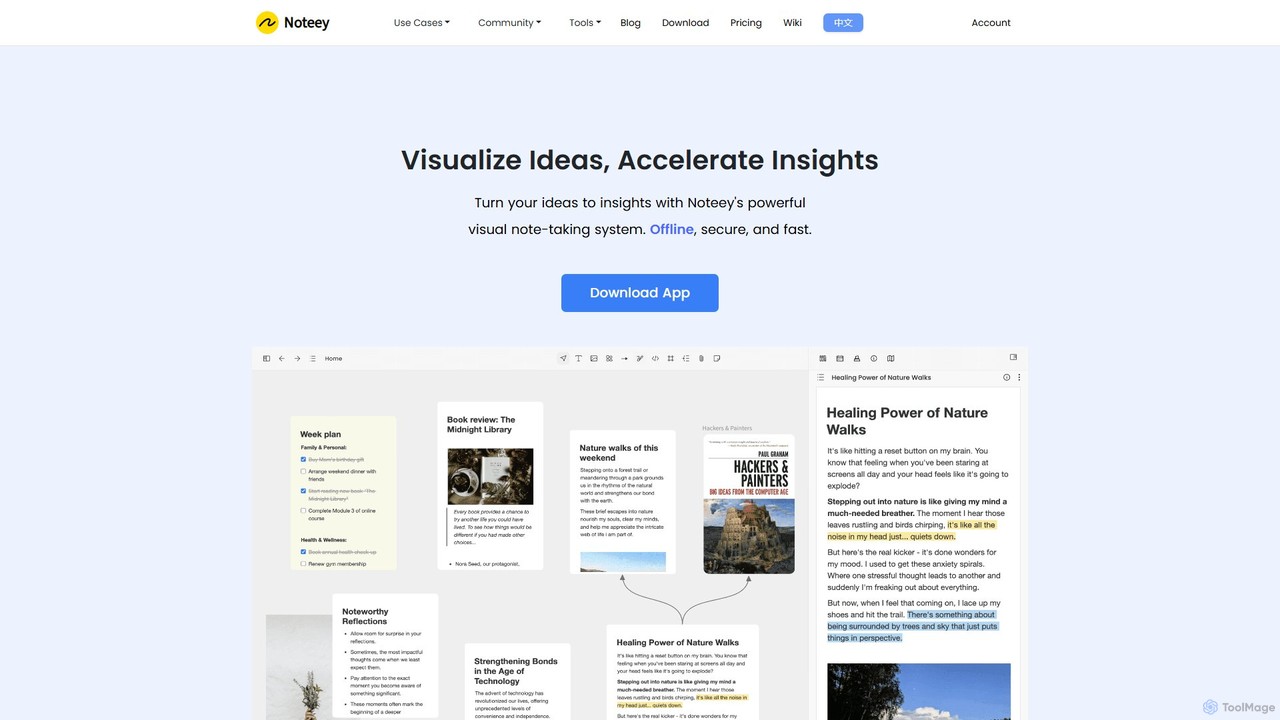
Noteey is an offline-first visual note-taking and knowledge management app for Mac & Windows. It features an infinite …

197.6K
PDF Pals

PDF Pals

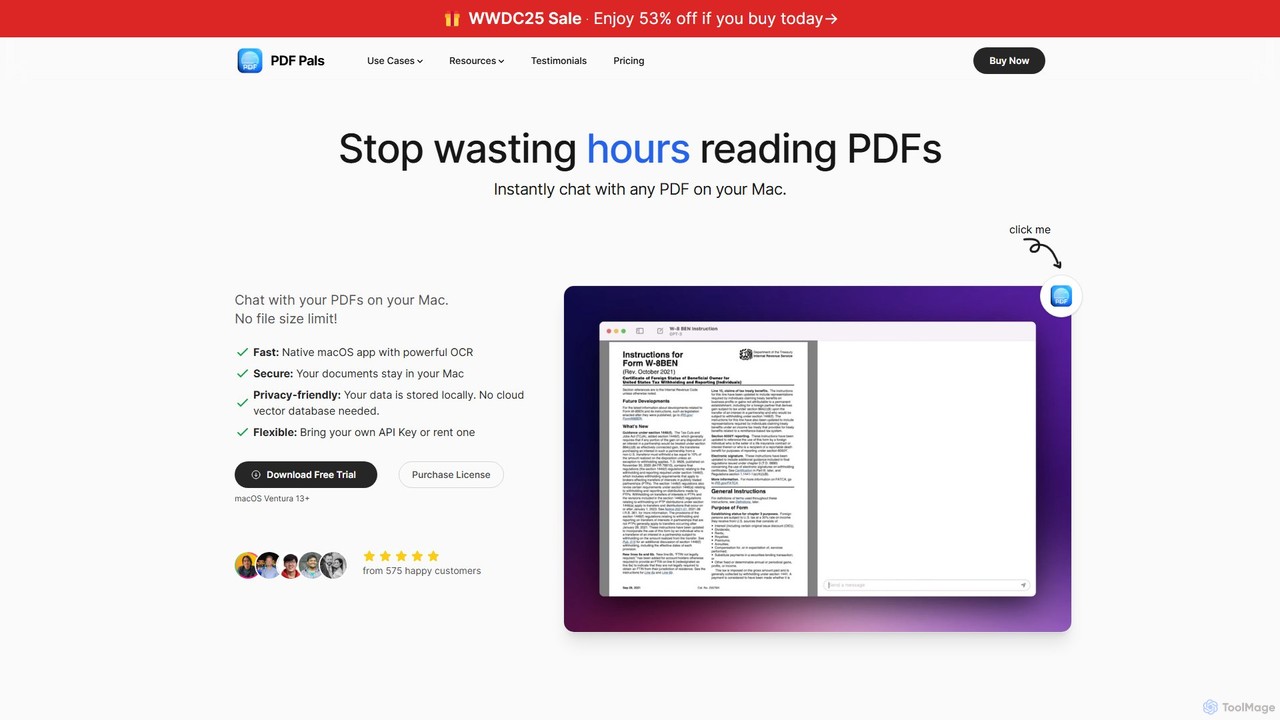
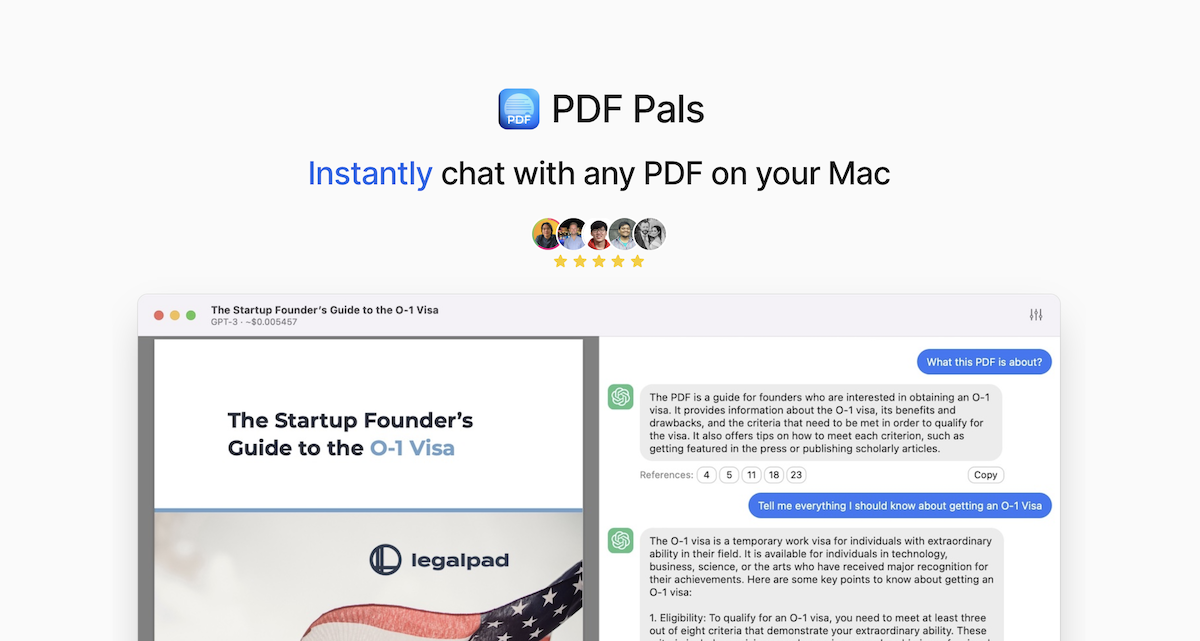
PDF Pals is a native macOS application that allows you to chat with your PDF documents locally. It …

6.8K

About Research

Research AI tools are a category of AI-powered applications designed to assist and automate various stages of the research process. These tools leverage advanced algorithms like natural language processing and machine learning to streamline tasks such as literature review, data analysis, and content synthesis. They play a crucial role within the broader education and academic sectors, enabling researchers, students, and professionals to accelerate discovery, enhance accuracy, and generate deeper insights from vast amounts of information.

Core Features

  • Automated Literature Review: Quickly search, summarize, and extract key information from academic papers, reports, and databases.
  • Advanced Data Analysis: Process large datasets, identify patterns, generate visualizations, and assist in statistical interpretation.
  • Hypothesis Generation: Suggest potential research questions, identify knowledge gaps, and aid in experimental design.
  • Academic Writing Assistance: Support the drafting of research proposals, reports, abstracts, and refine academic language for clarity and coherence.
  • Citation & Reference Management: Automate bibliography creation, citation formatting, and detect potential plagiarism.

Applicable Scenarios

Research AI tools are indispensable for academics conducting scholarly studies, market analysts identifying consumer trends, scientists accelerating experimental data interpretation, and students preparing theses or dissertations. They are also vital for policy analysts synthesizing complex reports to inform evidence-based decision-making.

How to Choose

When selecting a Research AI tool, consider its data handling capabilities, ensuring it supports your specific data types and volumes. Evaluate its integration with existing research platforms and reference managers. Assess the accuracy and transparency of its AI models, especially for critical analysis. Finally, factor in the user interface, ethical considerations like data privacy, and the level of customization offered to meet unique research needs.

ResearchUse Cases

1

Accelerating Academic Literature Reviews

Academic researchers often spend countless hours sifting through vast amounts of scholarly articles. Research AI tools can automate this process by quickly scanning, summarizing, and extracting key findings, methodologies, and citations from hundreds of papers. This allows researchers to identify relevant literature, pinpoint knowledge gaps, and synthesize information much faster, significantly reducing the time spent on initial literature review phases and enabling them to focus on deeper analysis and experimentation.

2

Automating Market Trend Analysis

Market analysts need to constantly monitor consumer behavior, industry reports, and social media trends to identify emerging opportunities or threats. Research AI tools can ingest and process massive volumes of unstructured data from various sources, identifying subtle patterns, sentiment shifts, and nascent trends that human analysts might miss. This enables businesses to make data-driven decisions, refine product strategies, and stay ahead of the competition by understanding market dynamics in real-time.

3

Streamlining Scientific Data Interpretation

Scientists often work with complex, high-dimensional datasets generated from experiments, simulations, or observations. Research AI tools can assist in the interpretation of this data by performing advanced statistical analysis, identifying correlations, anomalies, and hidden patterns. They can generate insightful visualizations and even suggest potential hypotheses based on the data, significantly accelerating the discovery process in fields like biology, chemistry, and physics, allowing researchers to move from raw data to actionable insights more efficiently.

4

Drafting Research Proposals & Grants

Securing funding for research often depends on well-structured and compelling proposals. Research AI tools can assist academics and grant writers in drafting these critical documents by providing templates, suggesting relevant literature, and refining the language for clarity, conciseness, and impact. They can help ensure all required sections are covered, improve the logical flow of arguments, and even check for consistency in terminology, increasing the likelihood of successful grant applications and project approvals.

5

Enhancing Student Essay & Thesis Writing

Students, from undergraduates to doctoral candidates, can leverage Research AI tools to improve their academic writing. These tools can assist with topic exploration, outlining, structuring arguments, and even checking for grammatical errors and stylistic inconsistencies. By providing intelligent feedback and suggestions, AI helps students refine their research papers, essays, and theses, ensuring clarity, coherence, and adherence to academic standards, ultimately leading to higher quality submissions and better learning outcomes.

6

Identifying Policy Gaps & Recommendations

Policy analysts are tasked with synthesizing vast amounts of government reports, public data, and expert opinions to formulate effective policies. Research AI tools can significantly aid this process by rapidly analyzing complex policy documents, identifying inconsistencies, gaps in existing regulations, and potential impacts of proposed changes. They can also generate data-driven recommendations, helping analysts to build stronger cases for policy adjustments and contribute to more informed, evidence-based governance.

ResearchFrequently Asked Questions