ToolMage
Sign in

Best 4 Study Tool for Education

Popular Study Tool in Education include NoteGPT, RapiLearn AI, PDFPeer, and WebMagic AI, helping you work more efficiently.

NoteGPT
Freemium

NoteGPT

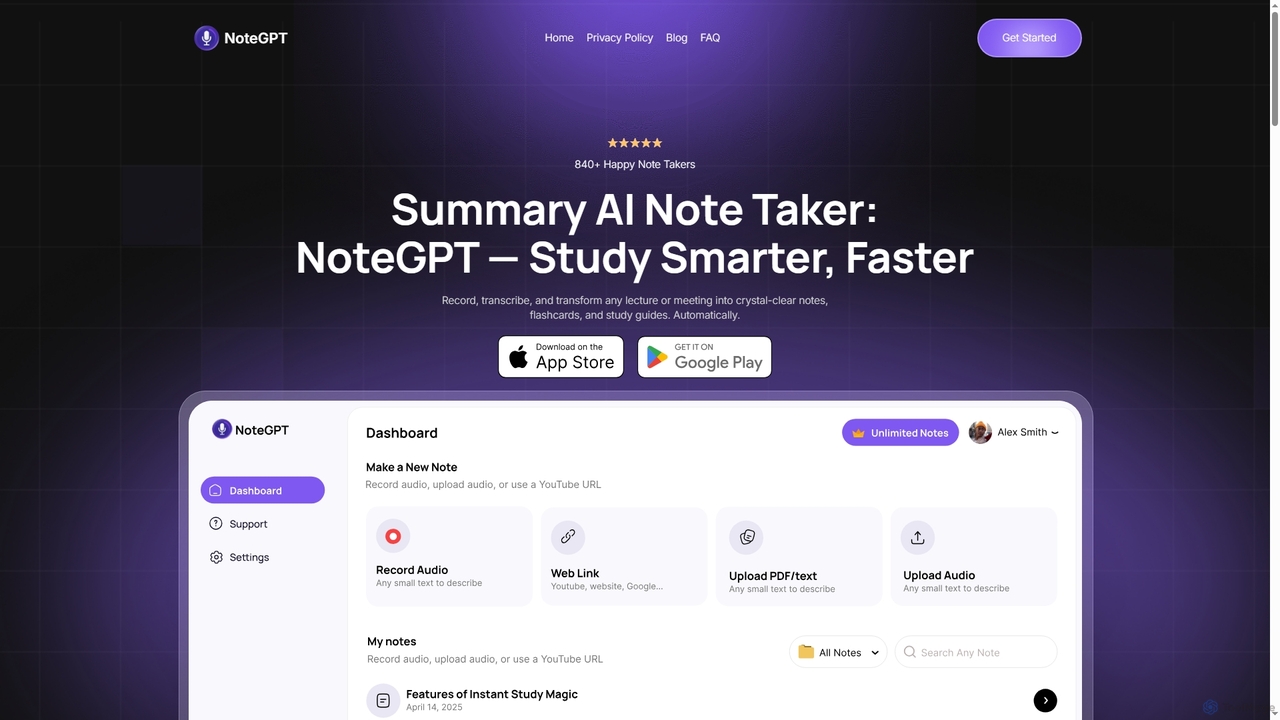
NoteGPT is an AI-powered note-taking and study tool that records, transcribes, and transforms lectures, meetings, videos, and PDFs into crystal-clear notes, summaries, flashcards, and quizzes. It supports over 100 languages, helping students and professionals study smarter and faster.

Summarization
Visits 121.4KFavorites 32Likes 30
WebMagic AI
Freemium

WebMagic AI

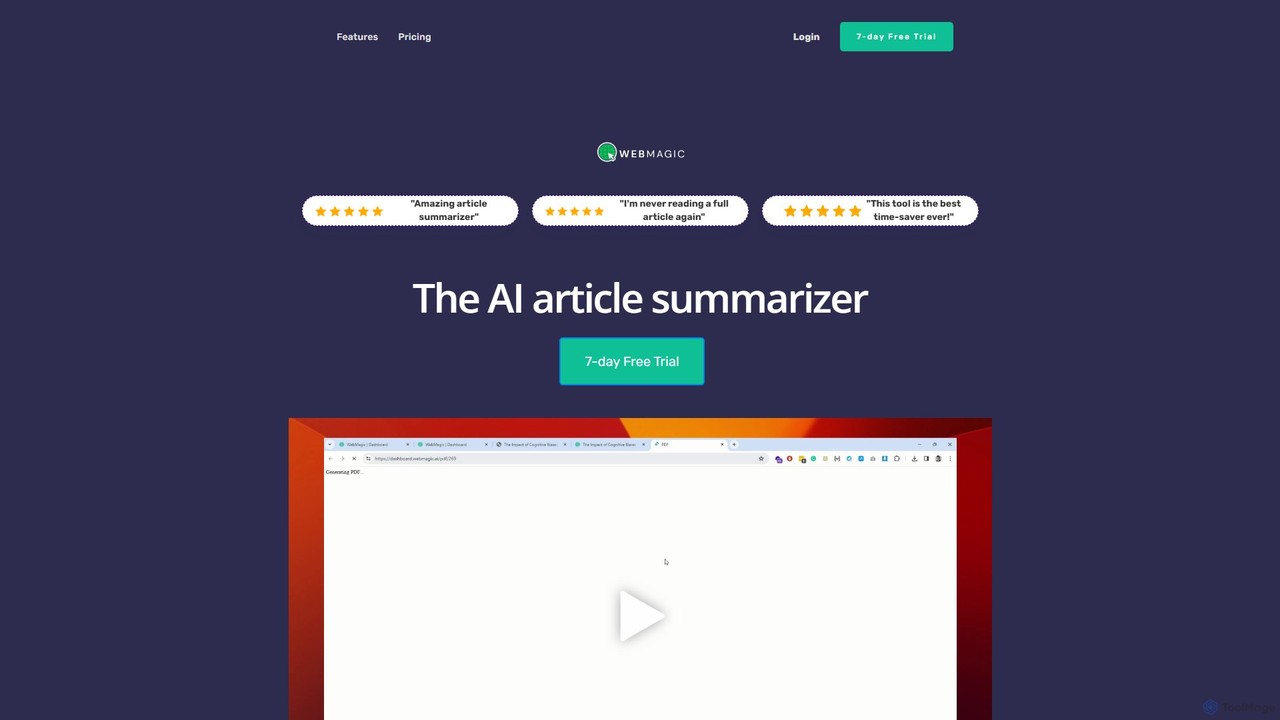
WebMagic AI is an AI-powered research assistant that instantly summarizes web articles and long texts. It helps users save time, increase reading productivity, and quickly grasp key information. With a user-friendly dashboard and a convenient Chrome extension, you can manage, tag, share, and download your summaries effortlessly.

Study Tool
Visits 3.5KFavorites 120Likes 119
PDFPeer
Freemium

PDFPeer

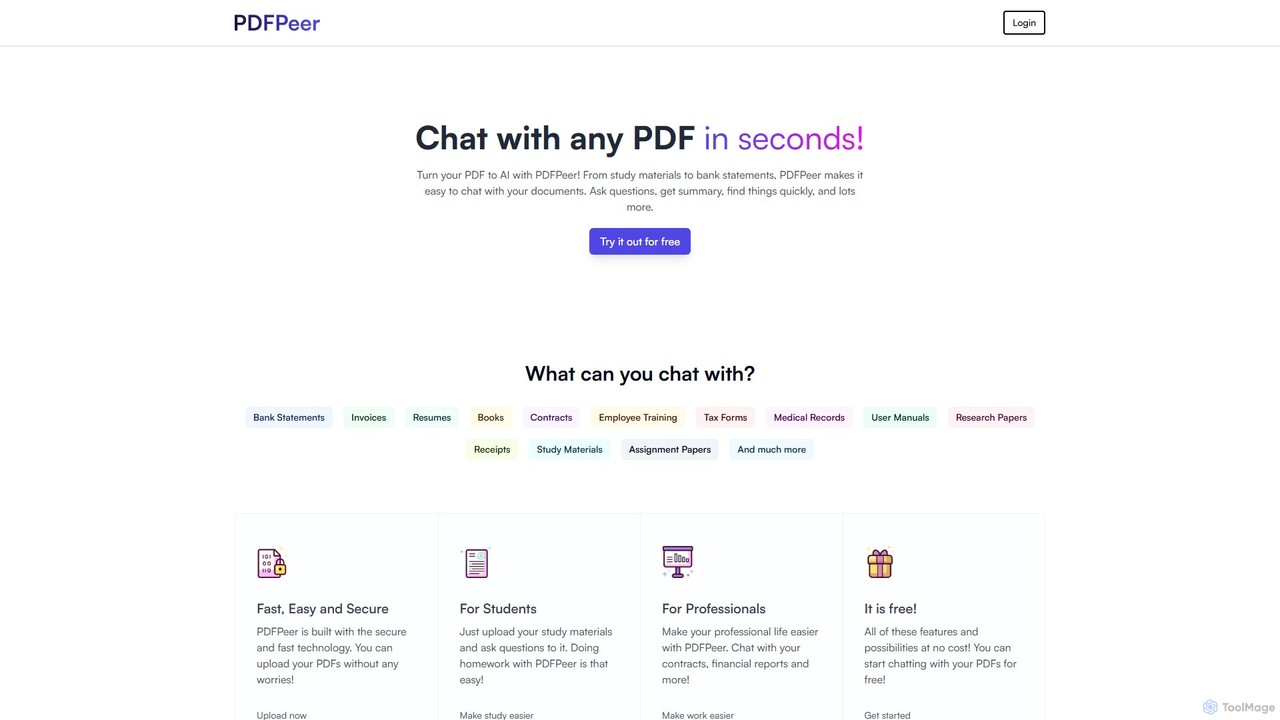
PDFPeer is a versatile AI-powered platform that lets you chat with your PDF documents to instantly get summaries, answers, and insights. It also offers a suite of free tools for PDF conversion, text extraction (including OCR), splitting, and merging. Ideal for students, professionals, and anyone handling documents, PDFPeer simplifies information retrieval and document management, making your workflow more efficient.

Document Management
Visits 3.6KFavorites 102Likes 89
RapiLearn AI
Freemium

RapiLearn AI

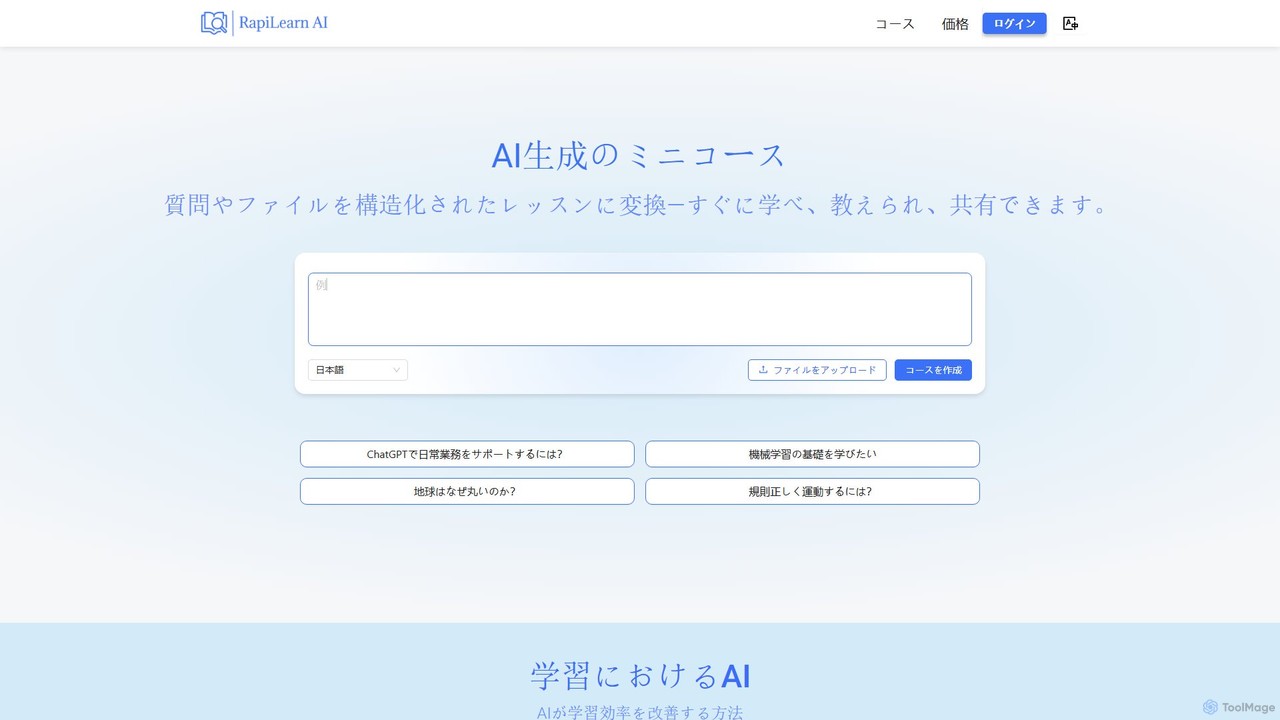
RapiLearn AI is an AI-powered platform that transforms any file (PDF, PPT, video, audio) or question into a structured, interactive mini-course. It automatically generates learning materials like notes, mind maps, quizzes, and audio summaries, acting as a 24/7 AI tutor to accelerate learning and teaching.

Course Creation
Visits 5.1KFavorites 106Likes 107

About Study Tool

AI Study Tools are specialized applications designed to enhance and personalize the learning process for students and lifelong learners. They leverage artificial intelligence, particularly natural language processing, to automate tasks like summarizing complex texts, generating flashcards from notes, and creating practice quizzes. These tools help users grasp difficult concepts faster, manage their study time more effectively, and prepare for exams with greater confidence. By providing instant feedback and adaptive learning paths, they act as a personal academic assistant.

Core Features

  • Automated Summarization: Condenses long articles, textbooks, or lecture notes into key points for quick review.
  • Interactive Q&A: Allows users to ask questions about their study materials and receive instant, context-aware answers.
  • Quiz & Flashcard Generation: Creates self-assessment materials from uploaded documents or text to reinforce memory.
  • Research Assistance: Helps find relevant academic sources, extract key information, and format citations.
  • Writing Support: Provides assistance with outlining essays, checking grammar, and improving clarity in academic writing.

Use Cases

These tools are widely used by university students preparing for final exams, high schoolers tackling complex homework assignments, and professionals learning new skills. They are particularly effective for digesting dense reading materials in fields like law, medicine, and scientific research, turning passive reading into an active learning experience.

How to Choose

When selecting an AI Study Tool, consider the specific subjects you study and the formats of your learning materials (PDFs, web pages, audio). Evaluate the accuracy of its summarization and question-answering capabilities. Also, check for features like citation management, language support, and integration with other apps like note-taking software to ensure it fits your workflow.

Featured tool rankings

Study Tool use cases

1

Efficient Exam Preparation

A university student preparing for a history final uploads a semester's worth of lecture notes and PDF readings. The AI Study Tool automatically generates a concise summary of key themes, creates digital flashcards for important dates and names, and produces a series of practice quizzes. The student can test their knowledge, identify weak areas, and focus their revision efforts, significantly reducing manual preparation time and improving retention.

2

Accelerating Academic Research

A graduate student working on a literature review uses an AI Study Tool to process dozens of academic papers. The tool extracts abstracts, key findings, and methodologies from each paper, presenting them in a structured table. The student can then ask specific questions like "Which papers discuss the impact of X on Y?" to quickly find relevant information, saving weeks of manual reading and helping to synthesize complex information for their thesis.

3

Mastering Complex Textbooks

A medical student is faced with a dense anatomy textbook. They upload a chapter to the AI Study Tool. The tool breaks down complex paragraphs into simpler explanations, defines technical jargon on the fly, and generates visual aids or analogies to explain difficult concepts. The student can interact with the content by asking clarifying questions, turning a passive reading session into an active learning experience.

4

Enhancing Language Learning

Someone learning Spanish uses an AI Study Tool to improve their vocabulary and comprehension. They can paste a Spanish news article, and the tool provides an instant translation, highlights new vocabulary words, and creates flashcards with example sentences. It can also generate conversational practice questions based on the article's content, helping the learner to actively use the new words in context.

5

Streamlining Essay Writing

A high school student needs to write a persuasive essay. They input their topic and initial research notes into an AI Study Tool. The tool helps generate a structured outline, suggests relevant points to include, and provides sentence starters to overcome writer's block. As they write, it offers advanced grammar corrections and style suggestions tailored for academic writing, ensuring the final essay is clear, coherent, and well-argued.

6

Interactive Homework Assistance

A student struggling with a physics homework problem set takes a picture of their worksheet. The AI Study Tool, equipped with multimodal capabilities, recognizes the questions. Instead of just giving the answer, it provides a step-by-step explanation of the underlying principles, guides the student through the problem-solving process, and then generates similar problems for extra practice, fostering a deeper understanding of the concepts.

Study Tool FAQ

What are AI Study Tools?

AI Study Tools are software applications that use artificial intelligence to help users learn more effectively. They automate and enhance traditional study methods by offering features like text summarization, automatic quiz and flashcard generation, and interactive Q&A based on your course materials. Their primary goal is to make learning more personalized, efficient, and engaging for students and independent learners.

How do I choose the right AI Study Tool?

To choose the right tool, first identify your primary need: are you focused on exam prep, research, or writing? Consider these factors:

  • Supported Content: Check if it handles your material formats (PDFs, web links, audio).
  • Feature Set: Do you need flashcards, summarization, citation help, or all of the above?
  • Accuracy & Reliability: Test the tool with a sample document to check the quality of its output.
  • Pricing: Compare free plans and paid subscriptions to find one that fits your budget.

What is the difference between an AI Study Tool and a general AI writer like ChatGPT?

The main difference is specialization. While a general AI writer can answer questions and summarize text, an AI Study Tool is specifically designed for learning workflows. It often includes integrated features like spaced-repetition flashcards, quiz creation from specific documents, and direct interaction with uploaded study materials (like PDFs). Study tools are optimized for academic accuracy and helping you learn, not just generating text.

Can AI Study Tools help with STEM subjects?

Yes, many advanced AI Study Tools are effective for STEM (Science, Technology, Engineering, and Mathematics) subjects. They can break down complex formulas, explain scientific principles step-by-step, and interpret data from charts and graphs. Some tools can even solve math problems and provide detailed explanations of the solution process, making them valuable assistants for technical coursework.

Is using AI Study Tools considered cheating?

Using AI Study Tools for learning and understanding is generally not considered cheating. They are powerful aids for summarizing content, creating study guides, and testing your own knowledge. However, using them to write entire essays or complete assignments without original thought would likely violate academic integrity policies. It's crucial to use these tools as a supplement to your own effort, not a replacement for it. Always check your institution's specific guidelines.