ToolMage
Sign in

Best 2 Billing And Invoicing AI tools for Finance

Popular Billing And Invoicing AI tools in Finance include SubscriptionFlow and Received AI, helping you work more efficiently.

Received AI
Paid

Received AI

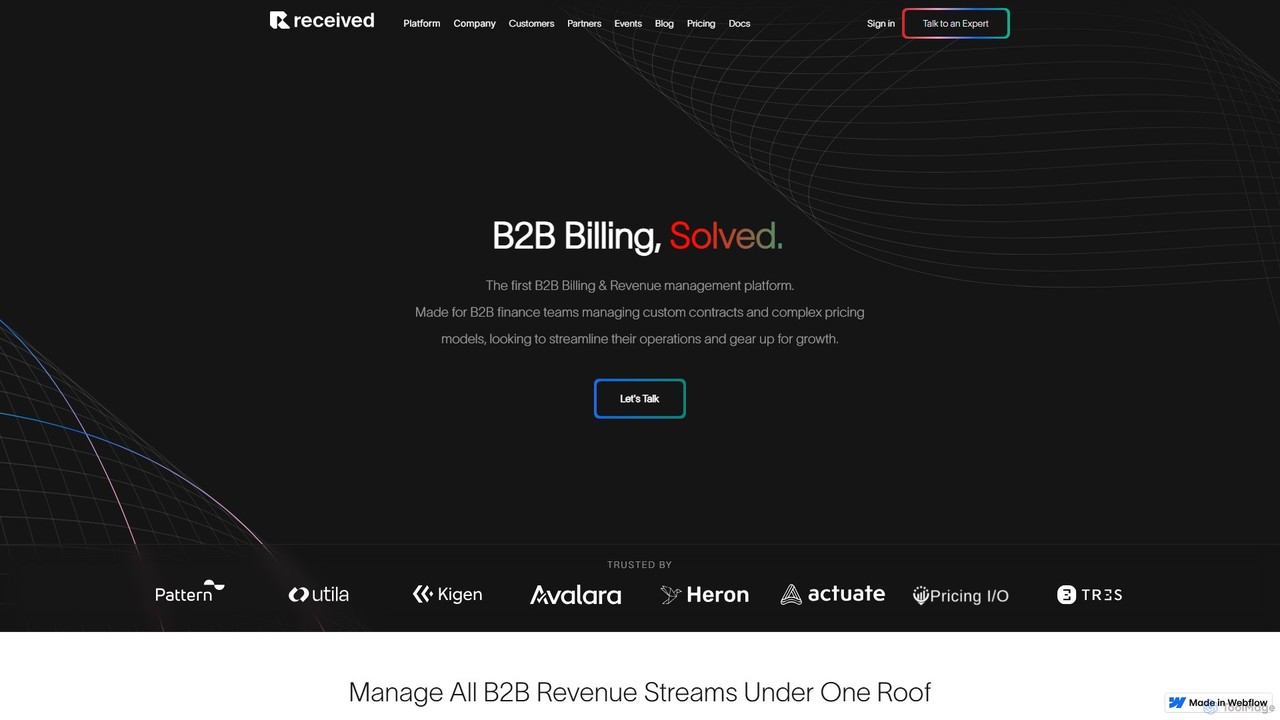
Received AI is a unified B2B billing and revenue management platform designed to automate complex financial operations. It replaces manual spreadsheets by handling self-serve subscriptions, bespoke contracts, and channel partner revenue all in one place, offering flexible pricing models and deep, B2B-focused analytics.

Revenue Management
Visits 6.6KFavorites 145Likes 170
SubscriptionFlow
Paid

SubscriptionFlow

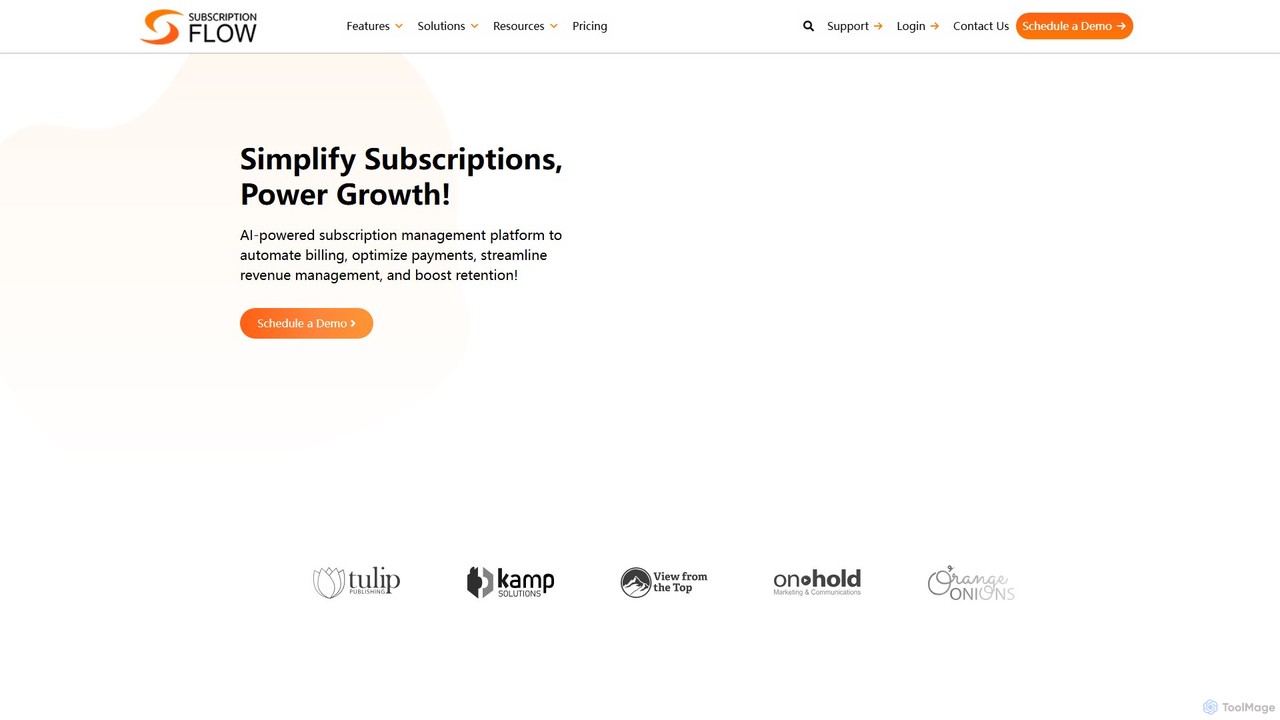
An AI-powered subscription management platform designed to automate recurring billing, optimize payments, and reduce customer churn. It provides a comprehensive solution for businesses to manage the entire subscription lifecycle, from customer acquisition to revenue reconciliation and growth.

Subscription Management
Visits 31.9KFavorites 109Likes 124

About Billing And Invoicing

AI Billing and Invoicing tools are a class of software that automates the creation, sending, and management of financial documents. These tools leverage AI for tasks like data extraction from receipts, predicting payment dates, and automating dunning processes. They are designed to reduce manual errors, accelerate cash flow, and simplify financial compliance for businesses of all sizes. By automating repetitive tasks, these platforms free up valuable time for strategic financial planning within the broader finance function.

Core Features

  • Automated Invoice Generation: Automatically create professional invoices from templates, time tracking data, or project milestones.
  • Recurring Billing & Subscriptions: Manage subscription-based revenue by automating periodic invoicing and payments.
  • Expense Tracking with OCR: Digitize receipts and expenses by simply taking a photo, using Optical Character Recognition (OCR) to extract key data.
  • Intelligent Payment Reminders: Send automated, customized follow-up emails for overdue invoices to improve collection rates.
  • Tax Calculation & Compliance: Automatically calculate and apply correct sales taxes (like VAT or GST) based on customer location and product type.

Applicable Scenarios

These tools are essential for freelancers, consultants, digital agencies, and SaaS companies that manage multiple clients or subscribers. For instance, a freelance writer can automatically bill clients based on hours logged, while a SaaS business can manage thousands of monthly subscriptions without manual intervention. They are also valuable for any service-based business seeking to streamline its quote-to-cash cycle.

Selection Criteria

When choosing a tool, consider its integration capabilities with existing accounting software (e.g., QuickBooks, Xero). Evaluate the scope of automation, multi-currency support, and the robustness of its tax compliance features. Also, assess the pricing model—whether it's per-user, per-invoice, or a flat subscription—to ensure it aligns with your business volume and growth projections.

Billing And Invoicing use cases

1

Automating Invoicing for Freelance Consultants

A freelance management consultant uses an AI invoicing tool to streamline their billing process. After completing a project, the tool automatically pulls logged hours from their time-tracking app, applies the agreed-upon hourly rate, and generates a professional invoice. It also attaches a detailed timesheet as proof of work. This automation saves the consultant several hours each month, reduces the chance of billing errors, and ensures they get paid faster by sending automated reminders for overdue payments.

2

Managing SaaS Subscriptions and Recurring Revenue

A SaaS company with a tiered subscription model uses an AI billing platform to manage its entire customer lifecycle. The system automatically handles new sign-ups, prorates charges for mid-cycle upgrades or downgrades, and issues monthly recurring invoices. It also manages dunning by automatically retrying failed payments and sending customized notifications to customers, which helps reduce churn and stabilize monthly recurring revenue (MRR) with minimal manual oversight.

3

Streamlining Expense Reporting for a Sales Team

A field sales team uses the mobile app of an AI invoicing platform to manage travel expenses. When a salesperson pays for a meal or hotel, they snap a photo of the receipt. The tool's OCR technology instantly extracts the vendor, date, and amount, automatically categorizing the expense. At the end of the month, the sales manager can approve all submitted expenses in a single dashboard, and the system automatically generates reimbursement reports, eliminating the need for manual data entry and paper receipt collection.

4

Multi-Currency Invoicing for Global E-commerce

An online store selling handmade goods to customers worldwide uses an AI invoicing tool integrated with its e-commerce platform. When a customer from Japan makes a purchase, the system automatically generates an invoice in Japanese Yen (JPY), applying the real-time exchange rate. It also calculates and applies the correct consumption tax. This provides a seamless, localized experience for international customers and simplifies the store's multi-currency accounting and financial reporting.

5

Generating Quotes and Proposals for a Digital Agency

A digital marketing agency uses an AI billing tool to accelerate its sales process. When a new lead comes in, the account manager can quickly build a detailed quote using pre-set service items and templates. The tool allows for customization and branding. Once the client approves the quote online, the system can instantly convert it into an invoice and set up a recurring billing schedule for ongoing services like SEO or social media management, connecting the sales and finance workflows seamlessly.

6

Improving Cash Flow with Predictive Payment Insights

A small business owner uses an AI-powered invoicing system to better manage cash flow. The platform analyzes a client's payment history and industry data to predict when an invoice is likely to be paid. This insight allows the owner to create more accurate cash flow forecasts. The system also intelligently schedules payment reminders, sending them at optimal times based on the client's past behavior, which helps to gently nudge late payers and reduce the average days sales outstanding (DSO).

Billing And Invoicing FAQ

What are AI Billing and Invoicing tools?

AI Billing and Invoicing tools are software applications that use artificial intelligence to automate and streamline the entire invoicing lifecycle. Unlike simple invoice generators, they offer intelligent features such as automated data entry via OCR, recurring billing for subscriptions, smart payment reminders, and predictive analytics for cash flow forecasting. Their primary goal is to reduce manual work, minimize human error, and accelerate the payment process.

How to choose the right AI invoicing tool?

To choose the right tool, consider these factors:

  • Integrations: Does it connect seamlessly with your existing accounting software, CRM, and payment gateways?
  • Core Features: Does it support your business model (e.g., recurring subscriptions, project-based billing, expense tracking)?
  • Scalability: Can the tool grow with your business? Check for limits on clients, invoices, or users.
  • User Experience: Is the interface intuitive for you and your team? Is there a functional mobile app for on-the-go expense management?
  • Compliance: Does it handle multi-currency transactions and automatically calculate regional taxes correctly?
What's the difference between AI invoicing and traditional accounting software?

Traditional accounting software is a comprehensive system of record for all financial transactions, focusing on ledgers, financial statements, and tax reporting. AI invoicing tools are more specialized. They focus on automating the operational side of the quote-to-cash cycle. While accounting software might let you create an invoice, an AI tool will automate sending it, track its status, send intelligent reminders, and use OCR to digitize related expenses. Many AI invoicing tools are designed to integrate with and complement traditional accounting software, not replace it entirely.

Can these tools handle international payments and taxes?

Yes, many advanced AI Billing and Invoicing tools are specifically designed for global business. They typically offer multi-currency support, allowing you to invoice clients in their local currency while tracking your revenue in your base currency. Furthermore, they often include features to automatically calculate and apply various international taxes, such as Value Added Tax (VAT) in Europe or Goods and Services Tax (GST) in other regions, based on the client's location and the type of service provided. This helps businesses stay compliant with complex international tax laws.

Who benefits most from using AI billing tools?

While any business can benefit, certain groups see the most significant impact. These include:

  • Freelancers and Solopreneurs: They save significant administrative time, allowing them to focus on client work rather than chasing payments.
  • SaaS and Subscription Businesses: Automation is critical for managing thousands of recurring payments, upgrades, and dunning processes at scale.
  • Service-Based Businesses (Agencies, Consultants): These tools simplify project-based billing, time tracking, and expense management, ensuring accurate and timely invoices.
  • Small to Medium-Sized Businesses (SMBs): They gain access to sophisticated financial automation without the cost of a large finance department, improving cash flow and efficiency.