Fun Best in category 3 results Comics AI Tool

Popular AI tools in the Comics field of Fun include Anifusion、toriitranslate、AI Manga Translator, etc., helping you quickly improve efficiency.

AI Manga Translator

AI Manga Translator

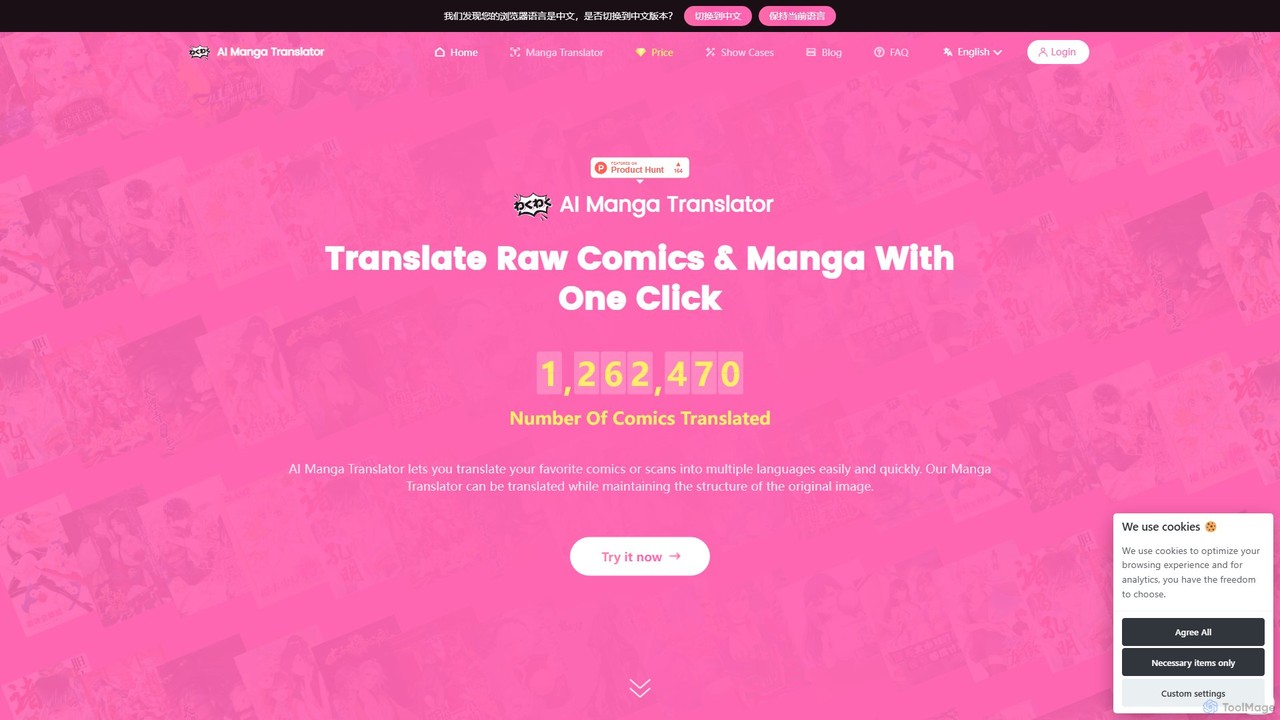
An AI-powered tool for instantly translating manga, comics, and scanned images into over 50 languages. It preserves the …

21.9K
toriitranslate

toriitranslate

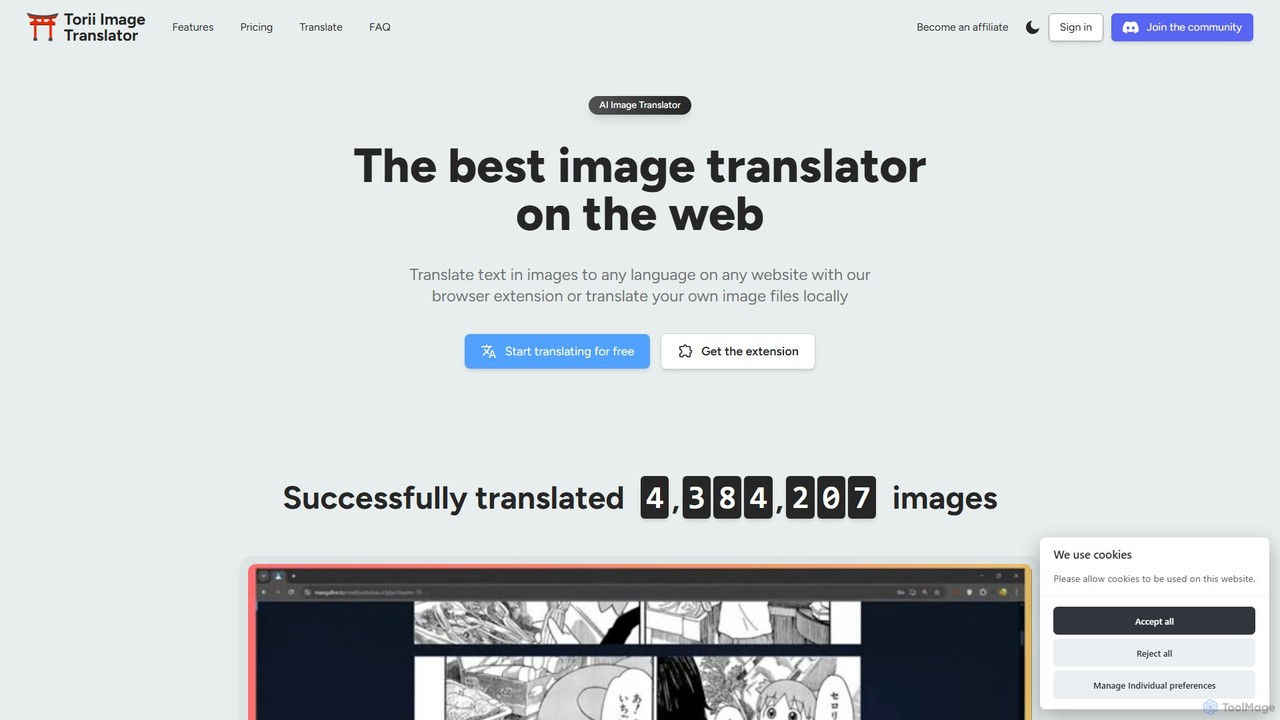
toriitranslate is an AI-powered image translator, designed as a browser extension and web tool. It excels at instantly …

152.2K
Anifusion

Anifusion

Anifusion is a powerful, browser-based AI manga and comic generator. It allows users to turn stories into visual …

173.3K

About Comics

AI Comics tools are specialized applications that use generative AI to create or assist in creating comic strips, manga, and graphic novels. These tools leverage advanced models for image generation, style transfer, and character consistency to transform text prompts or simple sketches into complete visual narratives. They empower artists, writers, and hobbyists to rapidly visualize stories, prototype layouts, and produce finished comic panels. This technology significantly lowers the barrier to entry for visual storytelling, making it accessible even to those without traditional drawing skills.

Core Features

  • Character Consistency: Maintains a character's appearance, clothing, and features across multiple panels and scenes.
  • Panel Generation: Creates individual comic panels from detailed scene descriptions, including actions, settings, and camera angles.
  • Style Transfer: Applies specific artistic styles, such as Japanese manga, American superhero, or indie comics, to the generated images.
  • Automated Layouts: Suggests or automatically arranges panels on a page to create a coherent and dynamic narrative flow.
  • Text & Dialogue Integration: Automatically generates and places speech bubbles, captions, and sound effects within panels.

Use Cases

These tools are ideal for independent comic creators, webtoon artists, and content creators for social media. Marketing teams use them to craft engaging visual stories for campaigns. Writers can also use them to create storyboards or concept art to accompany their scripts, providing a clear visual reference for their narrative ideas.

How to Choose

When selecting an AI Comics tool, evaluate its ability to maintain character consistency, as this is crucial for storytelling. Consider the variety and quality of available art styles. Assess the level of control you have over panel composition, character poses, and expressions. Finally, check the user interface's ease of use and the available export options for resolution and file formats.

ComicsUse Cases

1

Rapid Prototyping for Comic Artists

A professional comic artist needs to visualize a complex action sequence from a script. Instead of spending hours sketching multiple layout options, they use an AI Comics tool. By inputting scene descriptions and character actions for each panel, the tool generates several storyboard variations in minutes. This allows the artist to quickly compare different camera angles, panel flows, and compositions, select the most dynamic option, and then use it as a refined reference for their final manual illustration, saving significant time in the conceptual phase.

2

Creating Webtoons for Social Media

A content creator wants to launch a weekly webtoon series on Instagram to grow their audience but lacks drawing skills. They use an AI Comics tool to bring their story to life. They first define a consistent character style and appearance. Then, for each episode, they write short prompts for each panel, like "Character A looks surprised at a coffee shop." The AI generates the panels in a vertical scroll format suitable for mobile viewing. The creator can then add dialogue and publish a new episode consistently, engaging their audience with visual content they couldn't create otherwise.

3

Marketing Storytelling with Comics

A marketing team for a software company wants to explain a new, complex feature in an engaging way. Instead of a dry blog post, they decide to create a short comic strip. Using an AI Comics tool, they design a relatable character struggling with a common problem that their software solves. They generate a 4-panel comic showing the character's frustration, their discovery of the new feature, their easy use of it, and their final success. This visual story is shared on social media and in newsletters, resulting in higher engagement and better feature comprehension than traditional text-based announcements.

4

Creating Educational Content

An elementary school teacher wants to explain the water cycle to their students. To make the lesson more memorable, they use an AI Comics tool to create a simple comic. They design a character, a friendly water droplet named 'Drippy'. The teacher creates a series of panels showing Drippy's journey: evaporating from a lake, forming a cloud with friends, raining down, and flowing back to the lake. The visual narrative helps students grasp the abstract concept easily. The teacher can quickly adapt the comic for other science topics, creating a library of engaging teaching aids.

5

Personalized Comic Gifts

For a friend's birthday, a user wants to create a unique and personal gift. They decide to make a short comic about a funny memory they share. Using an AI Comics tool, they generate characters that resemble themselves and their friend. They input simple prompts for a few key scenes of their shared story, like "Two friends laughing while trying to assemble furniture." The AI generates a heartwarming and humorous comic strip. The user prints it, frames it, and gives it as a one-of-a-kind gift that is far more personal than a store-bought item.

6

Visualizing a Writer's Script

A novelist is struggling to pace a dialogue-heavy chapter and wants to visualize the scene's flow. They use an AI Comics tool not to create a final product, but as a storyboarding aid. They input key moments from their script as panel descriptions, focusing on character expressions and positions. The AI generates a rough visual sequence of the chapter. Seeing the story in a comic format helps the writer identify pacing issues, awkward dialogue, and moments that lack visual impact, allowing them to revise their manuscript with a clearer cinematic vision.

ComicsFrequently Asked Questions