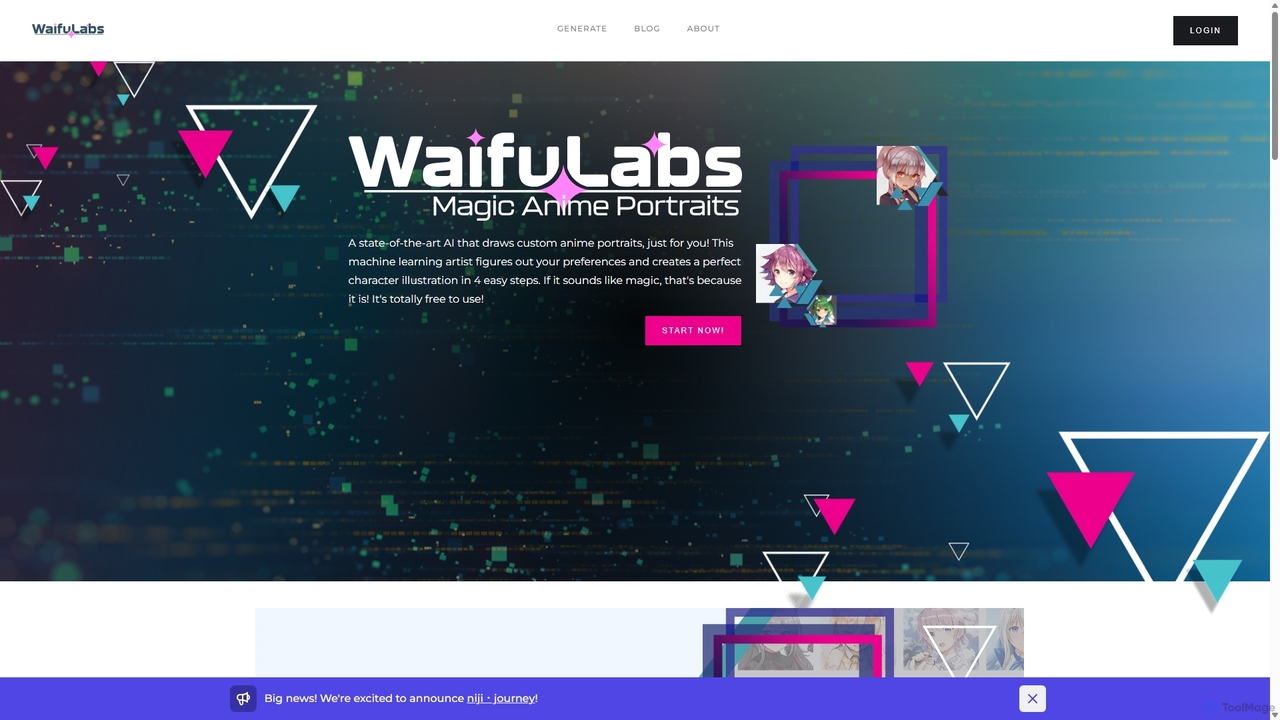
Character Design AI tools are specialized platforms that leverage artificial intelligence to assist in the creation and iteration of unique characters. These tools utilize advanced generative AI models, often based on diffusion or GAN architectures, to transform textual descriptions or rough sketches into detailed visual representations. They significantly accelerate the conceptualization phase for game developers, animators, and illustrators, enabling rapid exploration of diverse character styles, features, and poses. By automating repetitive design tasks, they free up artists to focus on creative direction and storytelling.
Core Features
- Concept Generation: Automatically create diverse character concepts from text prompts, reference images, or basic sketches.
- Feature Customization: Adjust specific character attributes like facial features, body type, clothing, and accessories with granular control.
- Style Transfer & Variation: Apply different artistic styles to existing characters or generate multiple stylistic variations from a single input.
- Pose & Expression Generation: Generate characters in various dynamic poses and emotional expressions, aiding in animation pre-visualization.
- Texture & Material Application: Apply realistic or stylized textures and materials to character models, enhancing visual fidelity.
Applicable Scenarios
Game studios can rapidly prototype new character ideas, generating hundreds of variations for NPCs or main protagonists. Independent artists use them to overcome creative blocks, quickly visualizing concepts for comics or personal projects. Marketing teams can create unique mascots or brand characters for campaigns, ensuring visual consistency across different media.
How to Choose
When selecting Character Design AI tools, consider the range of artistic styles supported, ensuring it aligns with your project's aesthetic. Evaluate the level of customization and control offered over generated features, as well as its integration capabilities with existing 3D modeling or animation software. Finally, assess the ease of use and the quality of output for your specific needs, including licensing terms for commercial use.