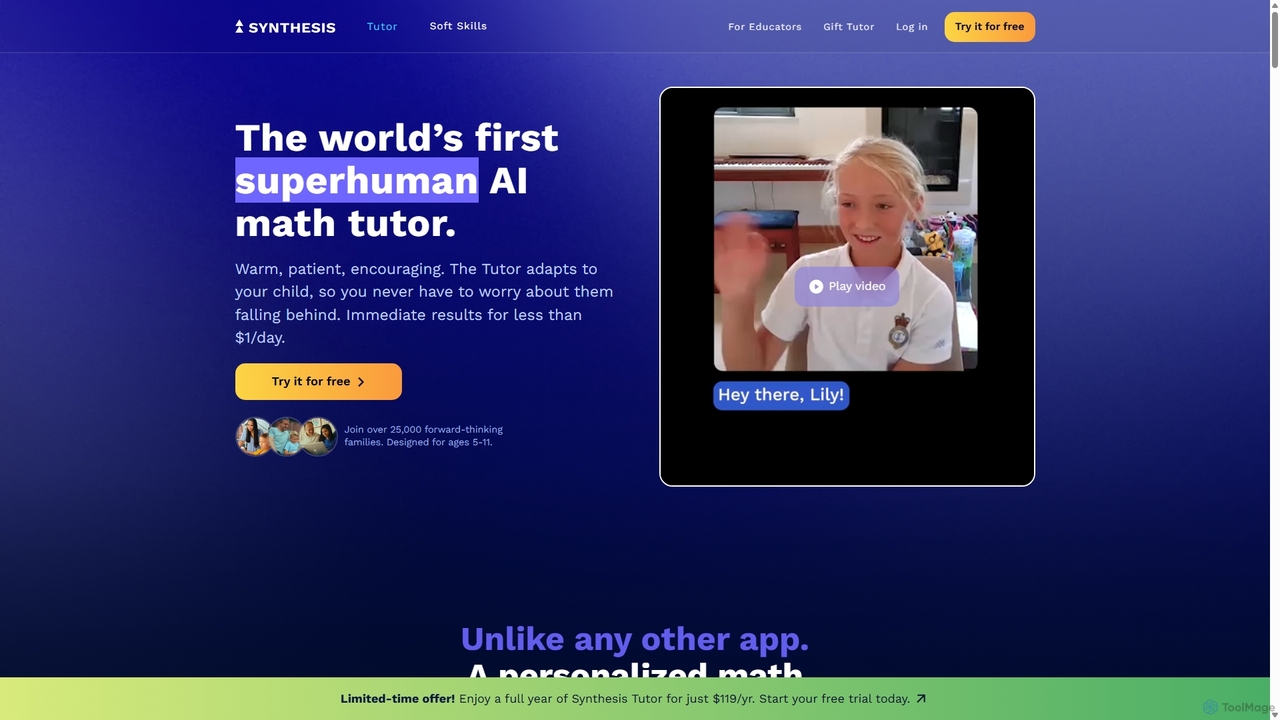
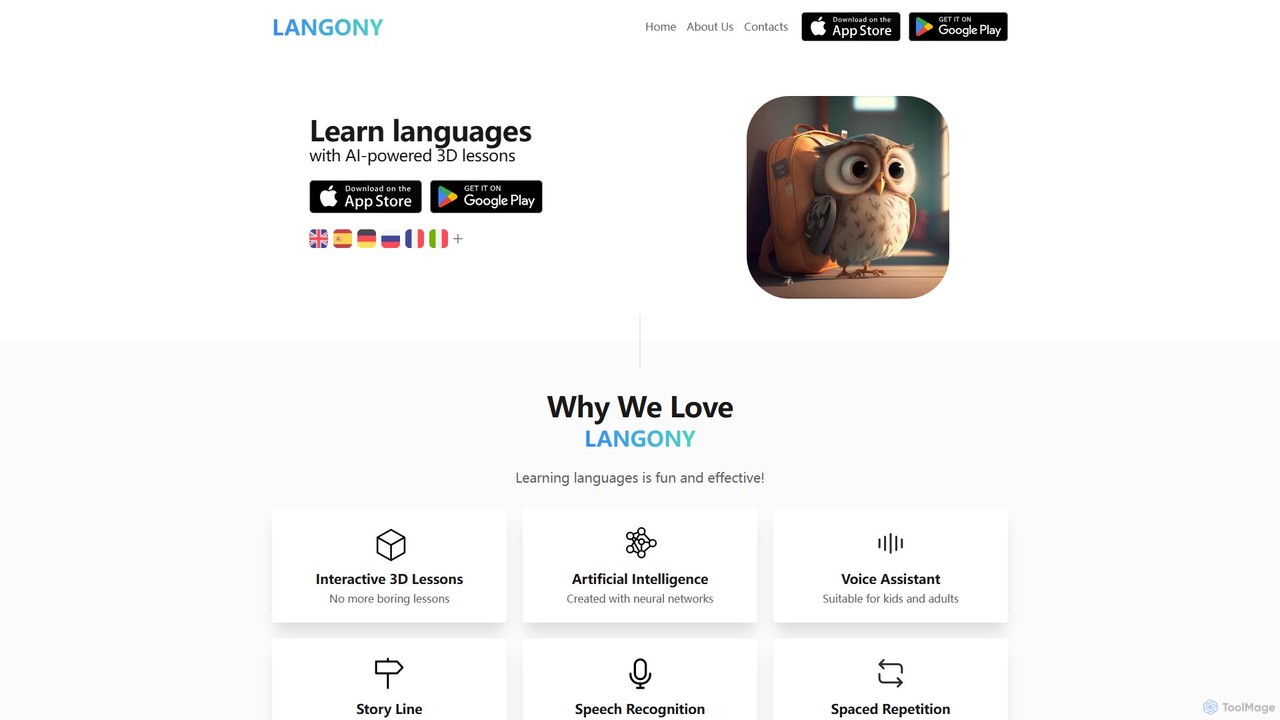
Educational Games are AI-powered tools that integrate learning objectives with interactive gameplay to create engaging and effective educational experiences. These tools leverage artificial intelligence to adapt content, personalize challenges, and provide real-time feedback, transforming traditional learning into dynamic and enjoyable activities. They aim to enhance cognitive skills, subject matter comprehension, and problem-solving abilities within a gaming context, making learning more accessible and fun.
Core Features
- Adaptive Learning Paths: AI analyzes user performance to adjust difficulty and content, ensuring personalized learning experiences.
- Interactive Simulations: Offers realistic virtual environments for hands-on, experiential learning in various subjects.
- Gamified Assessments: Integrates quizzes and challenges directly into gameplay, making evaluation less stressful and more engaging.
- Real-time Feedback: Provides instantaneous guidance and explanations to help users understand mistakes and improve immediately.
- Progress Tracking & Analytics: Generates detailed reports on learning progress, identifying strengths and areas for improvement.
Applicable Scenarios
Educational Games are widely used across various learning environments. K-12 educators utilize them to supplement classroom lessons, reinforce concepts, and make subjects like math, science, or history more interactive for students. Corporate trainers deploy these games for engaging onboarding, compliance training, or skill development, offering a dynamic alternative to traditional modules. Additionally, individuals pursuing lifelong learning can use these platforms for self-paced, enjoyable acquisition of new skills or deeper knowledge in diverse fields.
How to Choose
When selecting an AI Educational Game, consider its educational alignment with specific curriculum standards or skill development goals. Evaluate the level of engagement and interactivity, ensuring high-quality gameplay, graphics, and a user-friendly interface that captivates learners. Assess the robustness of its adaptive capabilities, looking for AI that genuinely personalizes the learning experience based on individual progress and needs. Finally, check for comprehensive data and reporting features that provide actionable insights into learner performance and areas requiring further attention.