Gaming Best in category 1 results Emulation Resources AI Tool

Popular AI tools in the Emulation Resources field of Gaming include AIGOSEARCH, etc., helping you quickly improve efficiency.

Free
AIGOSEARCH

AIGOSEARCH

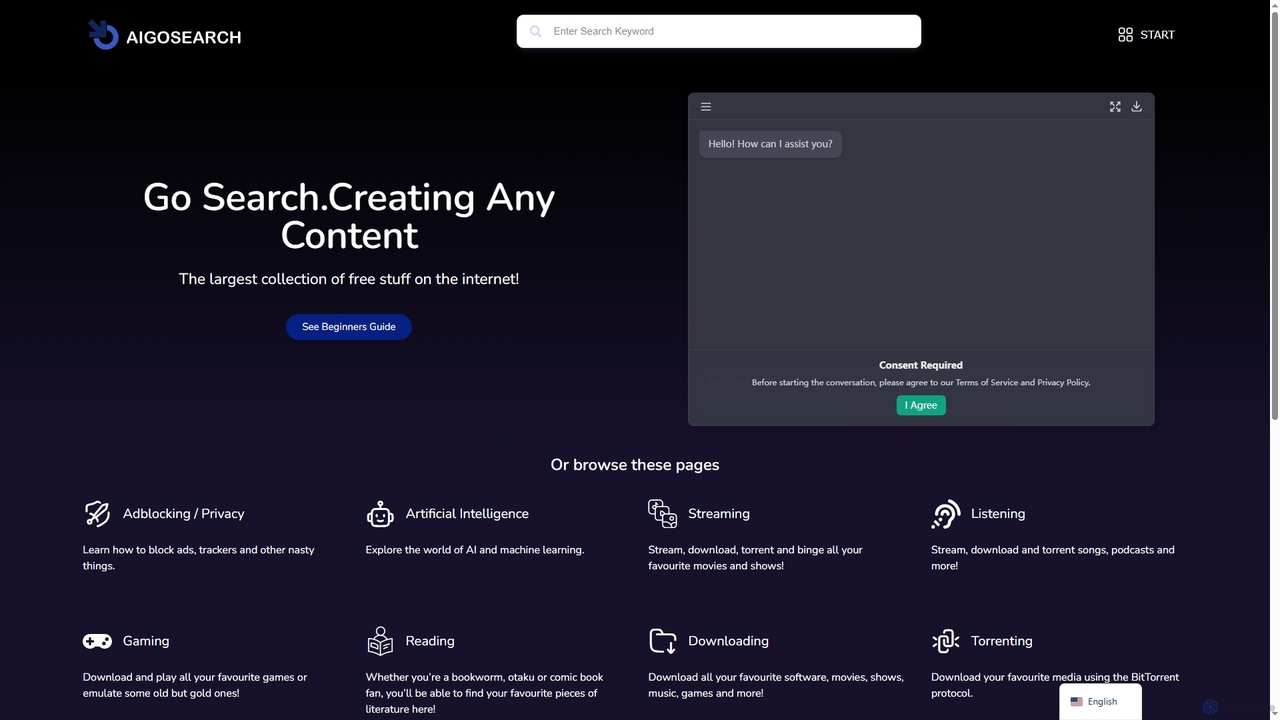
AIGOSEARCH is a comprehensive online hub providing access to a vast collection of free tools, utilities, and digital …

2.6K

About Emulation Resources

Emulation Resources are AI-powered tools and platforms designed to replicate the functionality of one computing system (the 'guest') on another (the 'host'). These resources leverage advanced algorithms to simulate hardware and software environments, enabling users to run applications, games, or operating systems from different eras or platforms. They are invaluable for retro gaming, software development, and digital preservation, offering a bridge to past technologies and cross-platform compatibility.

Core Features

  • System Simulation: Replicates CPU, GPU, memory, and I/O of target systems for accurate execution.
  • ROM/ISO Management: Tools for organizing, patching, and launching game ROMs or disk images efficiently.
  • Save State Functionality: Allows users to save and load game progress at any point, enhancing convenience.
  • Graphic & Audio Enhancement: Improves visual and sound quality of emulated content beyond original capabilities.
  • Controller Support: Maps modern controllers to classic input schemes for an authentic experience.

Use Cases

Emulation Resources are widely used by retro gaming enthusiasts to relive classic titles with modern enhancements, by software developers for cross-platform testing without native hardware, and by digital archivists to preserve historical software. They also serve educational purposes, allowing students to interact with legacy operating systems or applications for research and learning.

How to Choose

When selecting emulation resources, consider the target platform's compatibility and performance on your hardware. Evaluate the feature set, such as save states, graphic filters, and network play. Community support and active development are crucial for bug fixes and updates. Finally, ensure the legality and ethical implications of the resources you choose, especially regarding copyrighted content and ROM acquisition.

Emulation ResourcesUse Cases

1

Relive Classic Games with Enhancements

Retro gaming enthusiasts can use emulation resources to play beloved titles from older consoles or arcade machines on modern hardware. These tools often provide features like improved graphics rendering, custom resolutions, and save states, offering a superior and more convenient experience than original hardware. Users can easily manage their game libraries and apply community-made patches for translations or bug fixes, enhancing the nostalgic journey.

2

Cross-Platform Software Testing

Software developers leverage emulation resources to test applications across various operating systems or hardware configurations without needing physical devices. This is particularly useful for ensuring compatibility and performance on legacy systems or niche platforms. By simulating different environments, developers can identify and resolve bugs efficiently, significantly reducing development time and hardware costs associated with maintaining multiple test setups.

3

Digital Preservation of Legacy Software

Archivists and historians utilize emulation resources to preserve and access historical software, operating systems, and games that would otherwise be lost due to hardware obsolescence. These tools create virtual environments where old programs can run as intended, ensuring that digital heritage remains accessible for future generations. This is crucial for academic research, cultural preservation, and understanding the evolution of computing.

4

Educational Exploration of Computing History

Students and researchers can use emulation resources to study the architecture and functionality of vintage computers and game consoles. By running legacy operating systems or early game development kits in an emulated environment, they gain practical insights into the evolution of computing. This hands-on experience provides a deeper understanding of historical software engineering principles and system design, fostering innovation.

5

Game Modding and Customization

Emulation resources provide a flexible platform for game modders to apply patches, fan translations, and custom modifications to classic games. Users can experiment with different versions, test new content, or even create their own enhancements without altering original game cartridges or discs. This fosters a vibrant community of creators who extend the life and appeal of beloved titles, offering new ways to experience them.

6

Multiplayer Gaming with Friends

Many emulation resources support both local and online multiplayer functionalities, allowing friends to play classic games together regardless of their physical location. Features like netplay enable synchronized gameplay over the internet, bringing a social dimension to retro gaming. This capability revives the communal aspect of classic gaming, making it accessible to a wider audience and fostering shared experiences among players worldwide.

Emulation ResourcesFrequently Asked Questions