Tomo Cafe
Tomo Cafe is an AI-powered productivity companion designed to make studying and working more engaging. It combines interactive …
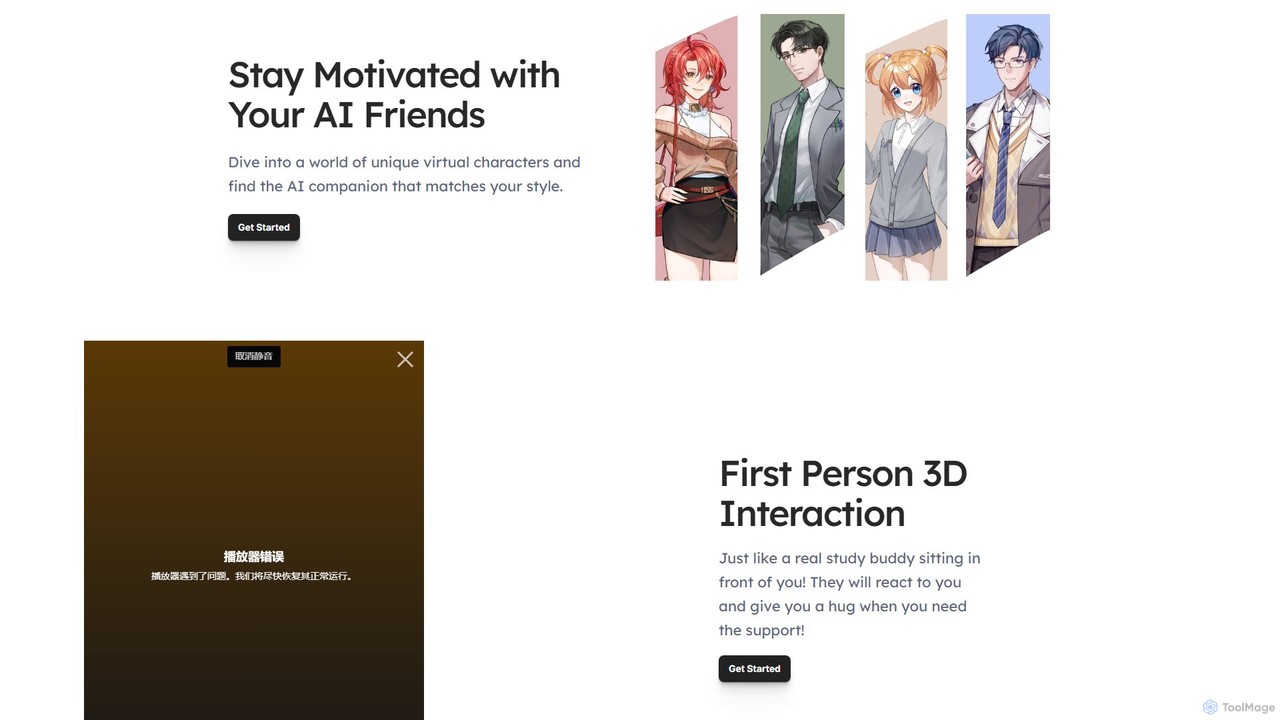
Tomo Cafe is an AI-powered productivity companion designed to make studying and working more engaging. It combines interactive 3D AI buddies, a Pomodoro timer, and gamification elements to help users stay focused, motivated, and accountable for their goals.
About Gamification
AI Gamification tools are platforms that apply game-design elements and principles to non-game contexts, such as business or education, to drive specific behaviors. Leveraging artificial intelligence, these tools analyze user behavior to personalize challenges, rewards, and feedback in real-time. Their primary goal is to increase user engagement, motivation, and knowledge retention in areas like employee training, customer loyalty programs, and e-learning. Unlike static reward systems, AI-driven gamification dynamically adapts difficulty and incentives to maintain user interest and promote continuous improvement.
Core Features
- Personalized Journeys: AI algorithms create unique learning or engagement paths based on individual user performance and preferences.
- Dynamic Difficulty Adjustment: The system automatically makes tasks easier or harder to keep users challenged but not frustrated.
- Behavioral Analytics: AI models analyze engagement data to provide insights into user motivation and predict future behavior.
- Automated Rewards & Recognition: Intelligently triggers badges, points, and leaderboard updates based on predefined or dynamic achievements.
- Real-time Feedback Loops: Provides instant, data-driven feedback to guide user actions and reinforce learning.
Use Cases
These tools are widely used in corporate environments for employee onboarding and sales team motivation. In marketing, they help build customer loyalty programs that increase retention. Educational institutions and e-learning platforms use them to make learning more interactive and effective, improving course completion rates.
How to Choose
When selecting an AI Gamification tool, consider its integration capabilities with your existing systems (e.g., CRM, LMS). Evaluate the level of customization available for rules, rewards, and visual design. Assess the depth of the analytics dashboard for providing actionable insights. Finally, ensure the platform is scalable to support your current and future number of users.

GamificationUse Cases
Enhancing Corporate Employee Onboarding
An HR manager needs to improve the engagement and knowledge retention of new hires. Using an AI gamification platform integrated with the company's Learning Management System (LMS), they create a structured onboarding journey. New employees earn points for completing modules, unlock skill badges for passing quizzes, and see their progress on a team leaderboard. The AI personalizes the experience by suggesting remedial content to those who struggle with certain topics, ensuring everyone reaches a baseline competency. This approach transforms a passive process into an interactive and motivating experience, leading to a 40% higher completion rate and better day-one readiness.
Boosting Sales Team Performance and Motivation
A sales director aims to motivate a remote team and improve CRM data accuracy. They implement a gamified sales dashboard where reps earn points for activities like making calls, closing deals, and updating client records. The AI sets personalized weekly 'quests' based on each rep's historical performance, creating achievable yet challenging goals. Leaderboards display top performers, fostering friendly competition. This system not only increases motivation but also encourages consistent best practices, resulting in a 15% uplift in quarterly sales and a 95% CRM data accuracy rate.
Increasing Customer Loyalty in a Mobile App
A product manager for a fitness app notices high user churn after the first month. To improve retention, they integrate an AI gamification engine. The system introduces daily challenges, achievement trophies for milestones (e.g., '10-Day Streak'), and social leaderboards. The AI component personalizes these challenges based on the user's current fitness level and past activity, ensuring they are always appropriately difficult. Users are motivated to return daily to maintain streaks and compete with friends. This leads to a 25% improvement in 30-day user retention and a significant increase in daily active users.
Gamifying Student Learning on E-Learning Platforms
An instructional designer wants to combat low course completion rates on an e-learning platform. They use an AI gamification tool to structure courses as 'learning quests.' Students earn experience points (XP) for watching videos and passing quizzes, unlocking new levels and content. The AI monitors student performance and identifies those who are struggling, automatically offering them 'side quests' for extra practice on difficult concepts. This adaptive learning path keeps students engaged and reduces frustration, leading to higher motivation and a significant increase in overall course completion rates.
Driving Engagement in an Online Community Forum
A community manager needs to encourage more high-quality posts and answers on a user forum. They implement a gamification system that awards reputation points and badges for helpful answers, popular posts, and moderation activities. An AI component analyzes the content of new questions and identifies potential 'experts' within the community based on their past contributions. It then sends personalized notifications to these experts, suggesting they answer specific questions. This targeted approach not only increases the quantity of user-generated content but also improves the quality and speed of answers, creating a more vibrant and helpful community.
Improving Adherence to Health & Wellness Programs
A corporate wellness coordinator struggles with low long-term participation in employee wellness programs. They introduce a gamified mobile app where employees can form teams to compete in step challenges, healthy eating logs, and mindfulness exercises. The AI personalizes daily health tips and encouragement based on individual activity data and stated goals. It also dynamically creates team-based 'boss challenges' that require collective effort to complete, fostering teamwork and accountability. This gamified approach leads to a 60% increase in sustained program participation and measurable improvements in employee health metrics.