Gaming Best in category 4 results Role Playing AI Tool

Popular AI tools in the Role Playing field of Gaming include StoryZone、PlotPilot、createnplay、Loreweaver, etc., helping you quickly improve efficiency.

StoryZone

StoryZone

StoryZone is an AI-powered interactive storytelling app that lets you become the main character in personalized adventures. Create …

32.8K
createnplay

createnplay

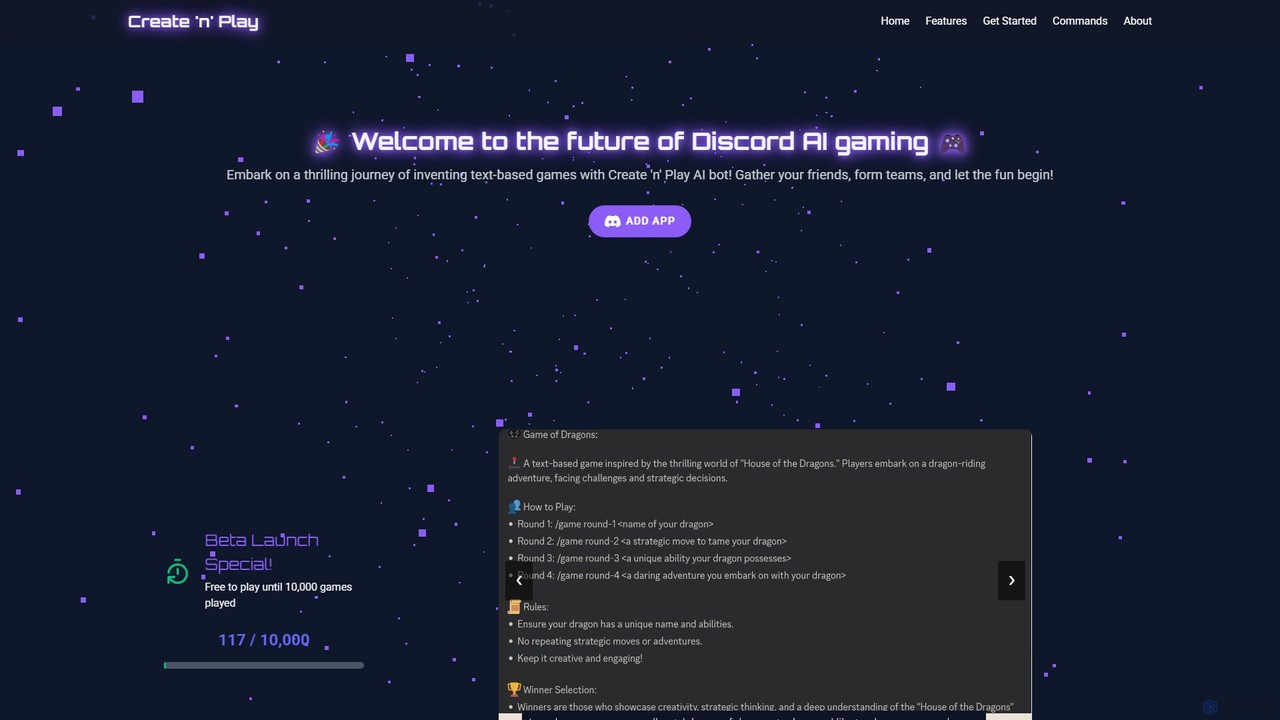
createnplay is an innovative AI-powered Discord bot that allows users to create and play unique multiplayer text-based games. …

3.4K
Loreweaver

Loreweaver

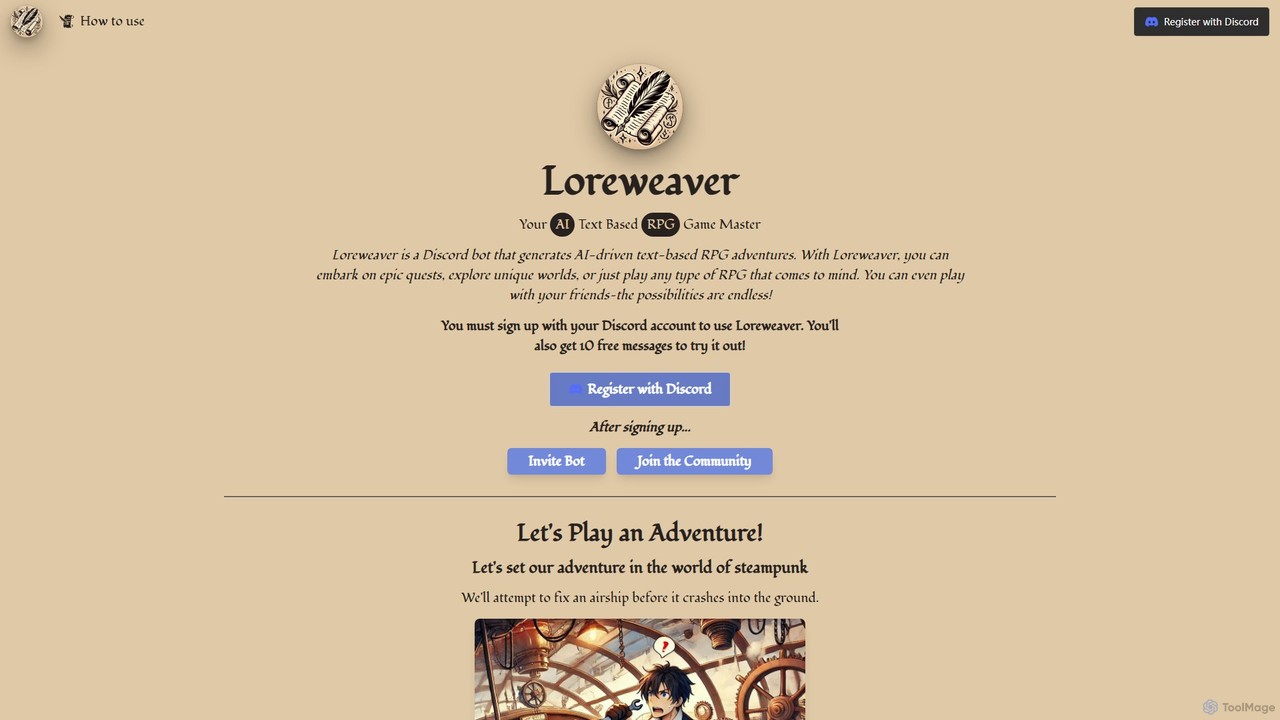
Loreweaver is an AI-powered Game Master integrated into Discord, designed to generate and manage dynamic text-based RPG adventures. …

3.1K
PlotPilot

PlotPilot

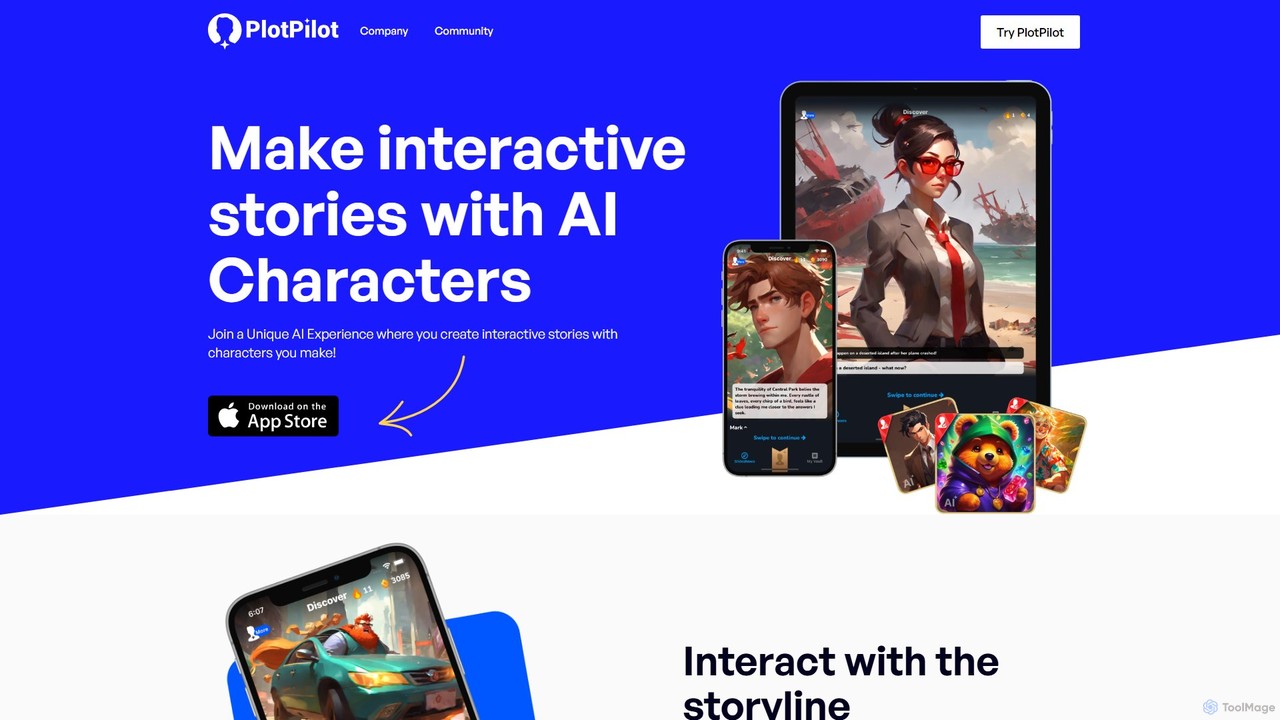
PlotPilot is an AI-powered mobile app for creating and experiencing interactive stories. Design unique characters, generate vivid scenes …

3.8K

About Role Playing

AI Role Playing tools are interactive platforms that use large language models (LLMs) to simulate conversations and generate dynamic narratives with AI-driven characters. These tools analyze user input to produce contextually relevant and in-character responses, creating unscripted, evolving storylines. They offer a unique form of entertainment and creative exploration, allowing users to immerse themselves in limitless scenarios, from fantasy adventures to realistic simulations. The core strength lies in their ability to create a persistent, personal experience that adapts in real-time to the user's choices.

Core Features

  • Custom Character Creation: Define a character's personality, backstory, appearance, and speaking style.
  • Dynamic Narrative Generation: The AI generates plot, dialogue, and world descriptions based on user actions, not a fixed script.
  • Contextual Memory: The AI remembers key details from past conversations to maintain story coherence and character relationships.
  • Scenario and World Building: Set up specific scenes, genres (e.g., sci-fi, fantasy), and rules for the role-playing world.
  • Unrestricted Interaction: Engage in open-ended conversations and actions, allowing for high levels of creativity and freedom.

Use Cases

These tools are primarily used for entertainment, offering immersive solo adventures for fans of tabletop RPGs or interactive fiction. Writers and creators use them to develop character personalities, explore plot ideas, and overcome writer's block by interacting with their creations. They are also applied in educational settings for historical simulations or in personal development for practicing social skills and difficult conversations in a safe environment.

How to Choose

When selecting an AI Role Playing tool, consider the quality and creativity of the AI's responses—does it stay in character and advance the story? Evaluate the depth of character and world customization options. Check the model's memory capabilities for long-term coherence. Also, review the platform's content moderation policies and pricing structure, such as whether it's a subscription or a pay-per-message model.

Role PlayingUse Cases

1

Crafting Immersive Fantasy Adventures

A fan of tabletop role-playing games wants a solo adventure experience. Using an AI Role Playing tool, they create a custom character—a rogue elf—and define a fantasy world plagued by a mysterious shadow cult. The AI acts as the Game Master, describing environments, controlling non-player characters (NPCs), and reacting to the user's actions. The user can type commands like 'I sneak into the tavern to listen for rumors' or 'I try to persuade the guard,' and the AI generates a unique outcome, creating a dynamic story that is entirely their own, without the need for a human game master.

2

Developing Characters for Creative Writing

A novelist is struggling to define the voice of their main character. They use an AI Role Playing tool to create an AI version of the character, inputting their known traits, backstory, and motivations. The author then engages in long-form conversations with the character, asking them about their past, their fears, and their opinions on events in the story. This interactive process helps the author discover the character's unique speaking style, personality quirks, and emotional responses, which they can then directly incorporate into their manuscript, overcoming writer's block and adding depth to their creation.

3

Practicing Social Skills in a Safe Environment

An individual wants to improve their confidence for an upcoming job interview. They use an AI Role Playing tool to create a scenario with an AI character acting as a 'Tough but Fair Interviewer'. They set the character's personality to be professional and inquisitive. The user can then practice answering common interview questions, negotiating salary, and explaining their resume. The AI provides realistic, challenging responses, allowing the user to rehearse their answers, manage anxiety, and refine their communication strategy in a private, judgment-free space before the actual interview.

4

Interactive Learning with Historical Figures

A history student needs to write a paper on Leonardo da Vinci's thought process. Instead of only reading books, they use an AI Role Playing tool to interact with an AI character modeled after da Vinci. The student inputs biographical data and known personality traits to create an authentic persona. They then ask the AI questions like 'What was your inspiration for the Vitruvian Man?' or 'How did you balance art and science?'. The AI responds in character, providing plausible, context-rich answers that help the student understand the historical figure on a deeper, more personal level, making learning more engaging and memorable.

5

Language Learning Through Realistic Scenarios

A user is learning French and wants to practice conversational skills beyond textbook exercises. They use an AI Role Playing tool to simulate real-life situations. They create a scenario 'Ordering food at a Parisian cafe' and interact with an AI character playing a French waiter. The user types their order in French, and the AI responds naturally, asking clarifying questions or suggesting daily specials. This provides immersive, contextual practice that helps the learner build vocabulary, understand cultural nuances, and gain confidence in using the language for practical, everyday tasks.

6

Exploring Alternate Storylines in Fan Fiction

A fan of a popular sci-fi series is curious about a 'what if' scenario: what if the main villain had a change of heart? Using an AI Role Playing tool, they create AI versions of the series' main characters, including the hero and the reformed villain. They set up a scene where the two characters meet after the supposed change. The fan then role-plays as the hero, engaging in a conversation to test the villain's sincerity. The AI generates dialogue for the villain that is consistent with their established personality but incorporates the new motivation, allowing the fan to explore this alternate timeline interactively and generate new, original fan fiction content.

Role PlayingFrequently Asked Questions