Gaming Best in category 4 results Roleplaying AI Tool

Popular AI tools in the Roleplaying field of Gaming include Character Headcanon Generator、Holoworld AI、ioPartners、AI Girlfriend Chat, etc., helping you quickly improve efficiency.

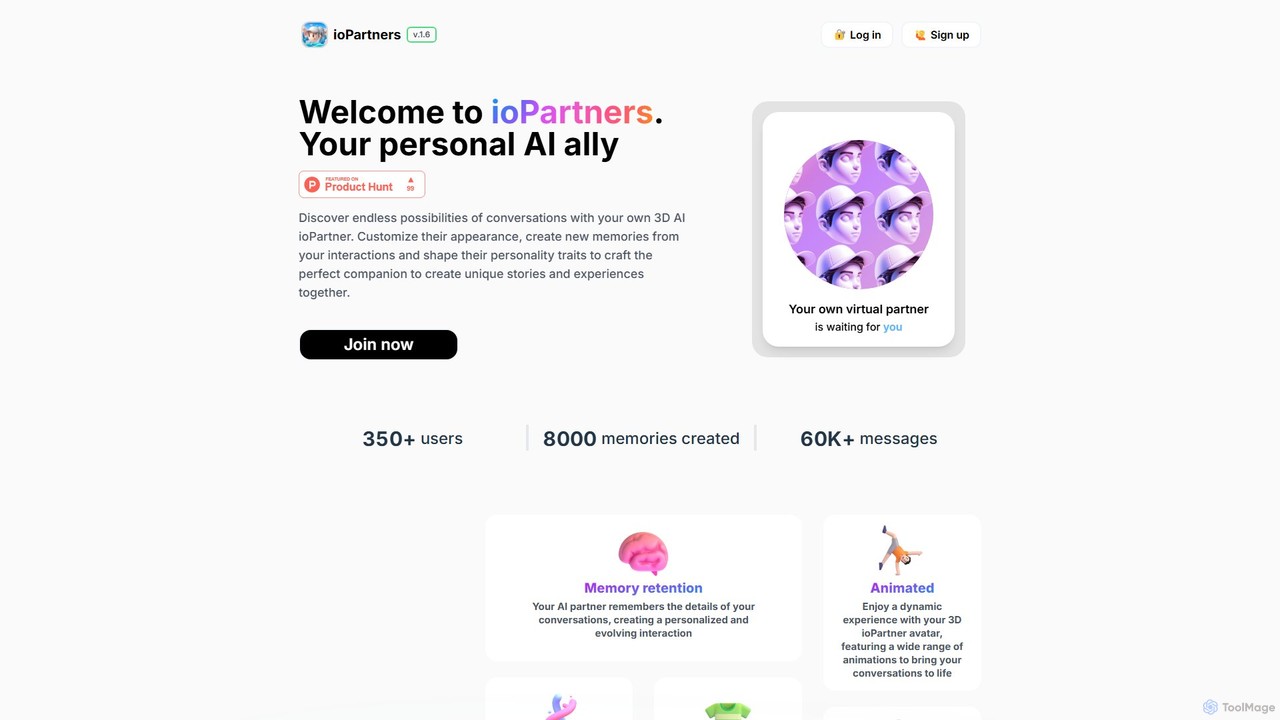
ioPartners

ioPartners

ioPartners is a personal AI companion platform where you can create, customize, and interact with your own 3D …

2.6K
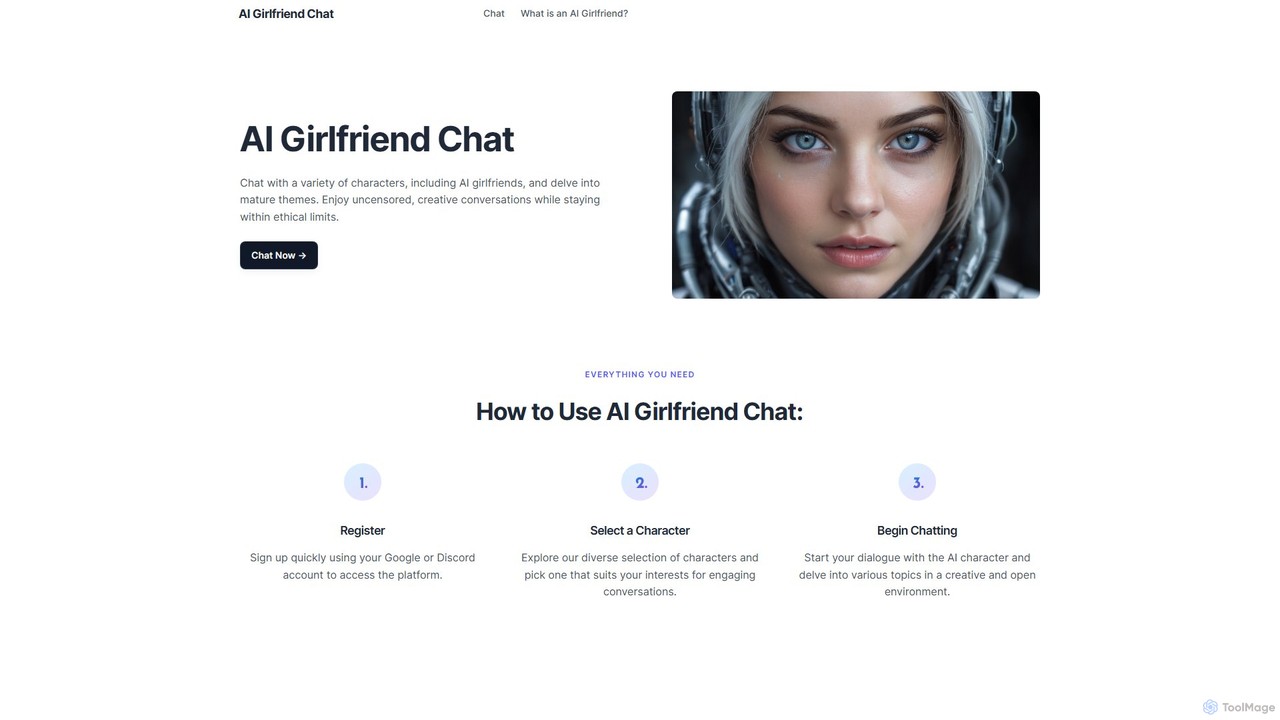
AI Girlfriend Chat

AI Girlfriend Chat

AI Girlfriend Chat is an immersive platform for engaging in uncensored, creative conversations with a diverse range of …

2.6K
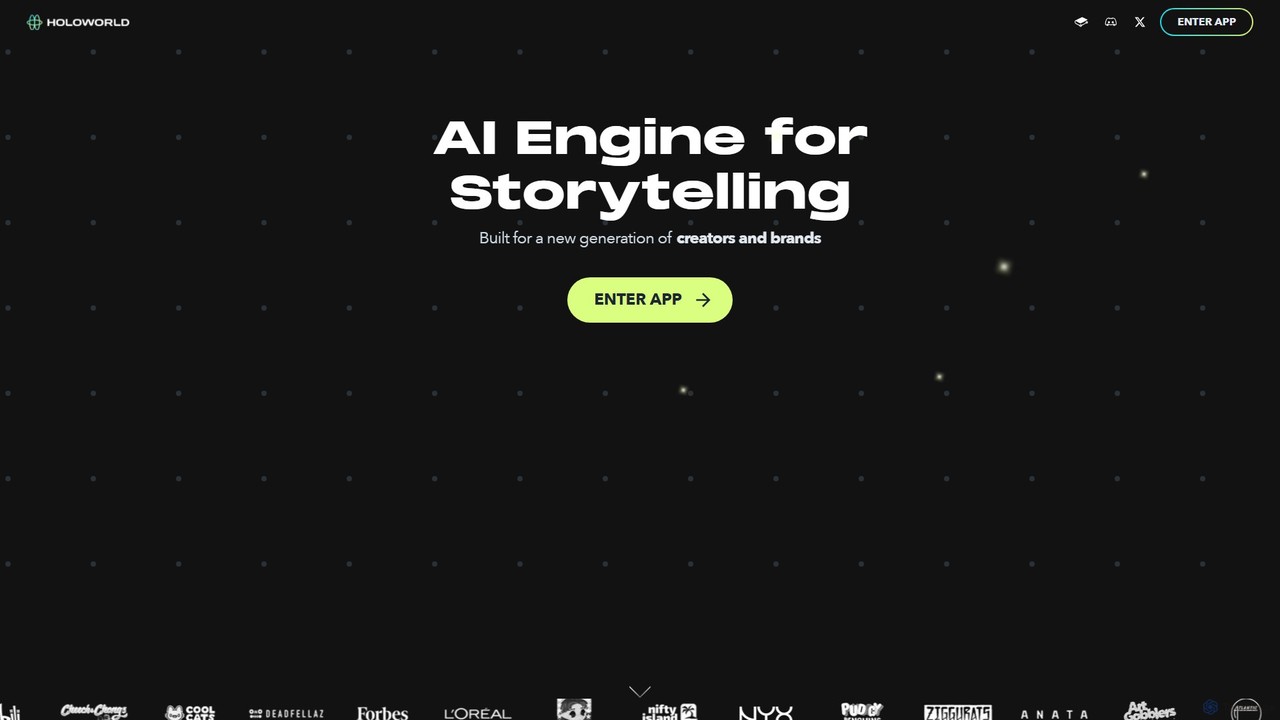
Holoworld AI

Holoworld AI

Holoworld AI is a powerful platform for creating and interacting with lifelike AI characters. Design unique personalities, knowledge …

2.7K
Free
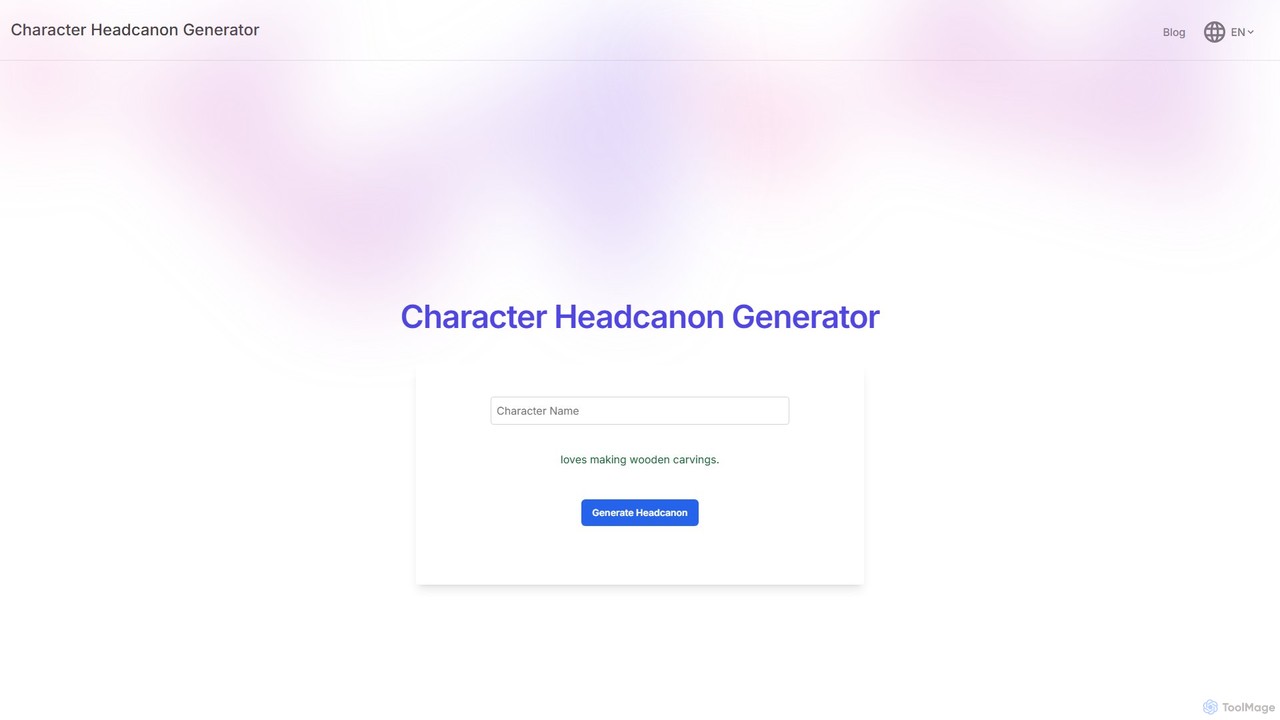
Character Headcanon Generator

Character Headcanon Generator

An AI-powered tool for writers, role-players, and fan fiction creators. It generates unique character traits, detailed backstories, and …

2.7K

About Roleplaying

AI Roleplaying tools are a specialized category of gaming applications that use large language models to create interactive, character-driven experiences. These platforms enable users to engage in dynamic conversations with AI personas, co-create evolving stories, or explore immersive fictional worlds through text. Their core value lies in offering unscripted, highly personalized narrative adventures where user input directly shapes the outcome. This provides a unique form of entertainment that blends storytelling, creativity, and interactive gameplay.

Core Features

  • Dynamic Character Personas: AI adopts and maintains consistent personalities, backstories, and speaking styles for immersive interaction.
  • Interactive Narrative Generation: The story evolves in real-time based on user choices and dialogue, creating unique, branching plots.
  • Contextual Memory: The AI remembers key details from the conversation to ensure narrative continuity and coherence.
  • Custom Scenario and Character Creation: Users can define their own characters, settings, and initial situations for personalized roleplaying sessions.
  • Multi-Character Interaction: Advanced tools allow for conversations and scenarios involving multiple AI characters simultaneously.

Use Cases

These tools are widely used by creative writers for developing character dialogue and exploring plotlines. They also serve as a primary source of entertainment for individuals seeking immersive, interactive stories. Additionally, game developers use them to prototype NPC (non-player character) interactions and test narrative concepts before full-scale development.

How to Choose

When selecting an AI Roleplaying tool, consider the AI's coherence and memory capabilities, as this directly impacts immersion. Evaluate the depth of character and scenario customization options available. Also, review the platform's content moderation policies and community features, as these shape the user experience. Finally, consider the pricing model, whether it's subscription-based or uses a credit system for messages.

RoleplayingUse Cases

1

Creative Writing and Character Development

A novelist is struggling to define the voice of a key character in their new book. They use an AI Roleplaying tool to create this character, defining their personality traits, background, and motivations. The author then engages in long-form conversations, 'interviewing' the character about their past and their views on the story's events. This process helps the author solidify the character's speaking style, uncover hidden motivations, and generate authentic dialogue, significantly speeding up the writing process and adding depth to the narrative.

2

Immersive Storytelling and Entertainment

A user wants an interactive entertainment experience beyond traditional games or movies. They select a pre-made fantasy scenario in an AI Roleplaying app, taking on the role of a knight on a quest. Through their dialogue and decisions, they navigate treacherous forests, negotiate with mystical creatures, and uncover a conspiracy. The AI dynamically generates the world, characters, and plot twists in response to their actions, creating a unique, personal adventure that they can continue anytime, offering limitless replayability and narrative freedom.

3

Practicing Language and Social Skills

A student learning Japanese wants to practice conversational skills in a low-pressure environment. They use an AI Roleplaying tool to simulate everyday scenarios, such as ordering food at a restaurant, asking for directions, or making small talk. The AI character responds naturally in Japanese, corrects mistakes gently, and maintains the context of the conversation. This allows the student to build confidence, improve vocabulary, and practice cultural nuances without the fear of making mistakes in front of a real person, accelerating their learning progress.

4

Game Narrative and Dialogue Prototyping

A narrative designer for a video game needs to test how players might interact with a crucial non-player character (NPC). Instead of writing extensive, branching dialogue trees in a complex engine, they create the NPC in an AI Roleplaying tool. The design team can then interact with this AI version of the NPC, testing different conversational approaches and seeing how the AI responds. This provides rapid, valuable feedback on the character's personality and potential dialogue paths, saving significant development time and resources before implementation.

5

Therapeutic Chat and Companionship

An individual seeking a non-judgmental space to talk uses an AI Roleplaying tool to interact with a character designed to be supportive and understanding. They can discuss daily stresses, explore personal thoughts, or simply have a lighthearted chat to combat loneliness. The AI provides consistent, positive reinforcement and a private environment for self-expression. While not a substitute for professional therapy, this application serves as a valuable tool for emotional support, companionship, and practicing open communication.

6

Creating Interactive Fan Fiction

A fan of a popular book series wants to explore 'what if' scenarios that weren't in the original story. Using an AI Roleplaying platform, they create a private room with AI versions of their favorite characters. They set up a new plotline—for example, two rival characters being forced to work together. The user then roleplays as one character or an original character, interacting with the AI characters to see how the new story unfolds. This allows for a deeply personal and interactive way to engage with a beloved fictional universe.

RoleplayingFrequently Asked Questions