ToolMage
Sign in

Best 9 Skincare AI tools for Health

Popular Skincare AI tools in Health include SkinSort, MDacne, faceagecalculator, Glowy AI, lycaste, Razorveda, Taffi, SkinGenie, and Cosmi, helping you work more efficiently.

Taffi
Freemium

Taffi

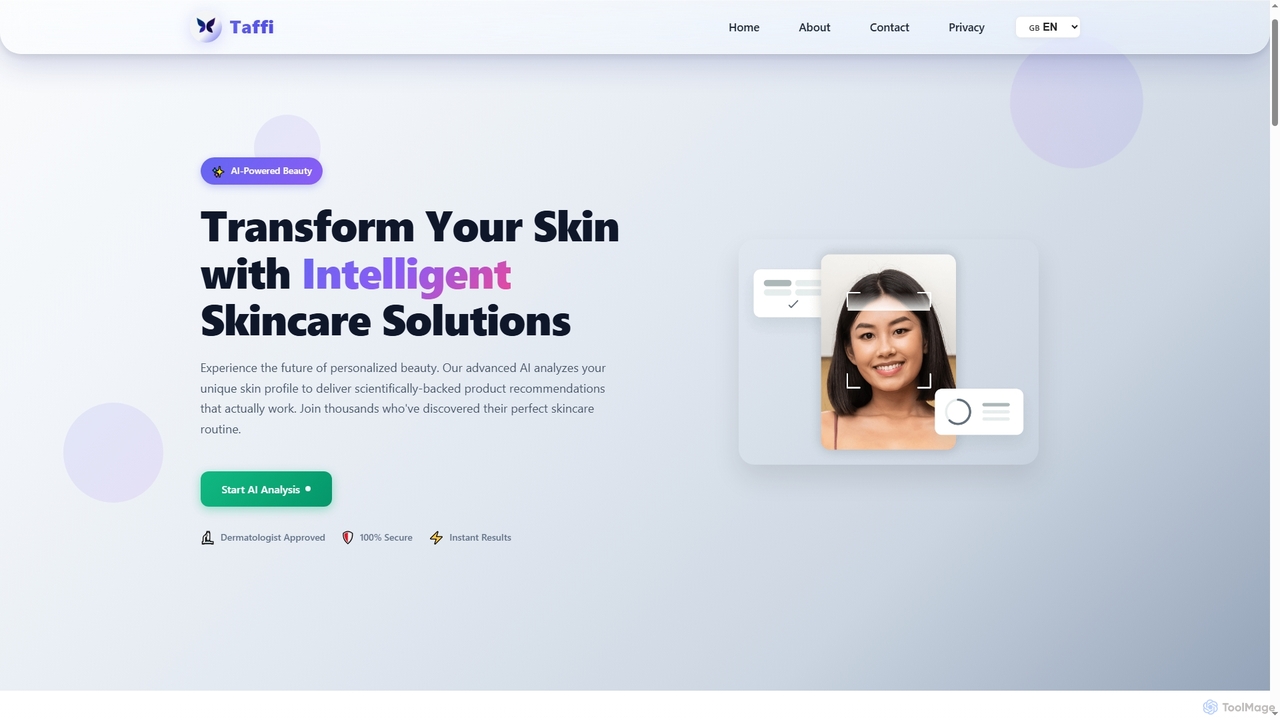
Taffi is an AI-powered platform offering intelligent skincare solutions through advanced skin analysis, personalized product recommendations, and access to an expert dermatologist network. It helps users track skin conditions, monitor treatment effectiveness, and provides 24/7 AI health consultation for a tailored beauty journey.

Personalized Recommendations
Visits 8KFavorites 126Likes 129
MDacne
Freemium

MDacne

MDacne is an AI-powered teledermatology service that provides personalized acne treatment. By analyzing a user's selfie and a short quiz, it creates a custom-formulated, dermatologist-designed skincare kit delivered to your door. The service includes unlimited chat support with dermatologists for ongoing guidance and treatment adjustments.

Subscription Service
Visits 358.8KFavorites 133Likes 134
Cosmi
Freemium

Cosmi

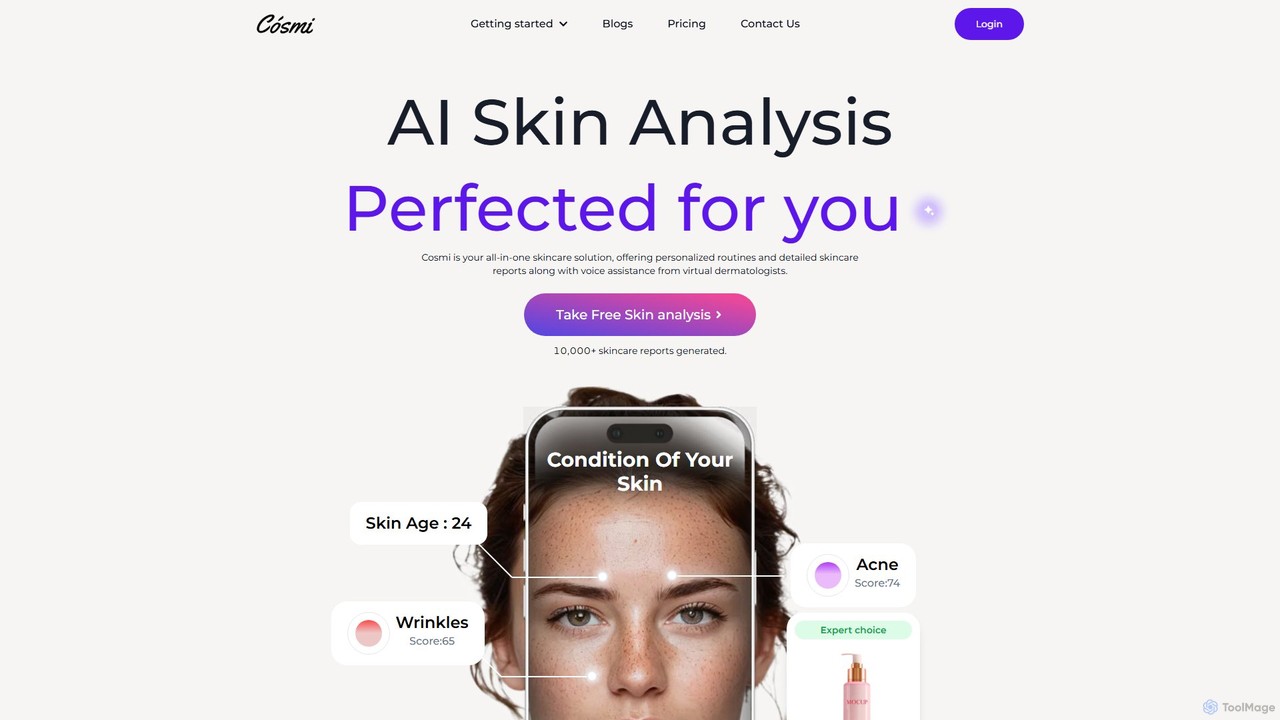
Cosmi is an AI-powered skincare advisor that provides personalized routines, detailed skin analysis, and smart product recommendations. By taking a simple selfie, users receive a comprehensive report on over 11 skin issues, including acne, wrinkles, and hydration. Cosmi acts as your virtual dermatologist, helping you track progress and achieve your best skin.

Skincare
Visits 6KFavorites 139Likes 125
Glowy AI
Freemium

Glowy AI

Glowy AI is an AI-powered skincare platform that delivers personalized treatment plans crafted by dermatologists. By analyzing your unique skin concerns, goals, and lifestyle through a comprehensive questionnaire, Glowy AI creates a tailored routine with product recommendations to address issues like acne, aging, dryness, and dark spots. The companion app helps you build consistent habits and track your progress towards healthier, radiant skin.

Skincare
Visits 10.3KFavorites 152Likes 148
SkinGenie
Free

SkinGenie

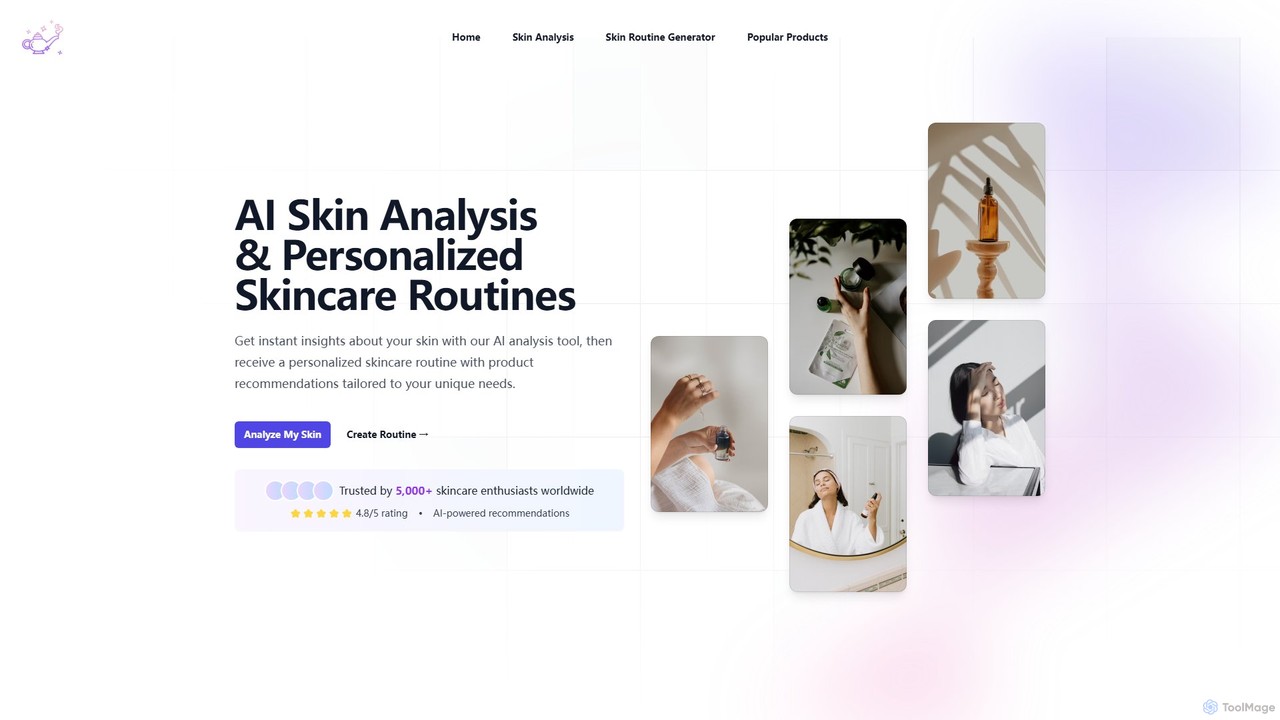
SkinGenie is a free AI-powered platform that provides instant skin analysis and generates personalized skincare routines. By analyzing a user's photo or detailed questionnaire, it recommends suitable Korean and Western skincare products tailored to individual skin types, concerns, budget, and lifestyle.

Skincare
Visits 6KFavorites 92Likes 95
SkinSort
Freemium

SkinSort

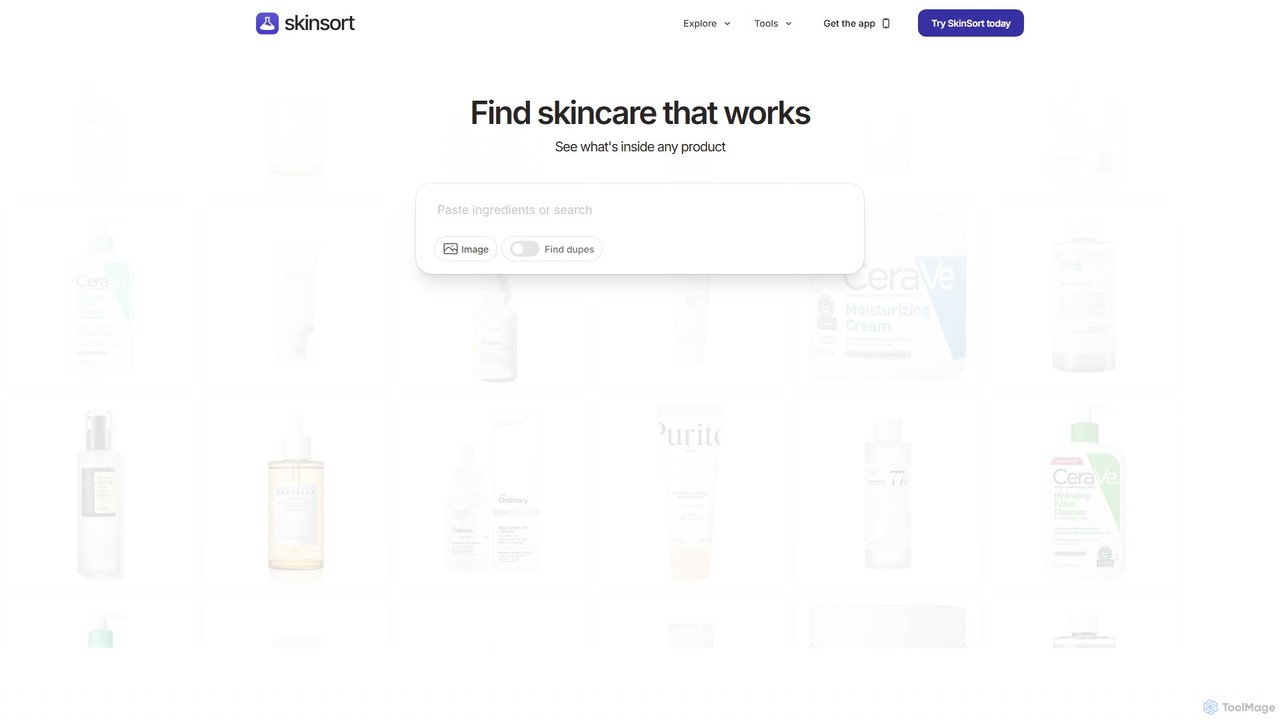
SkinSort is an AI-powered skincare platform that helps you understand product ingredients, find personalized recommendations, and build effective routines. Analyze any product, discover affordable dupes, and track your skin's progress with science-backed insights. It's your personal guide to making confident skincare choices for clearer, healthier skin.

Skincare
Visits 2.1MFavorites 169Likes 148
Razorveda
Freemium

Razorveda

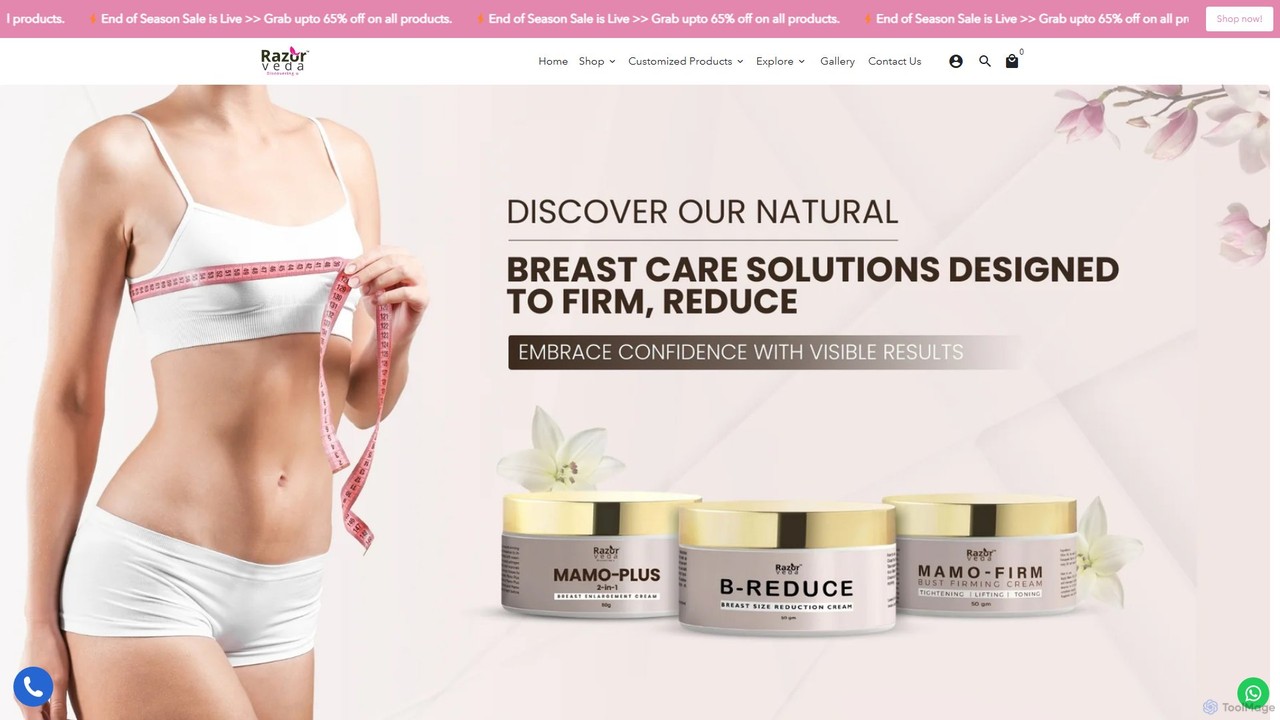
Razorveda is an AI-powered skincare and wellness advisor that provides hyper-personalized beauty routines. By analyzing your skin through photos and a detailed questionnaire, it combines modern AI diagnostics with traditional Ayurvedic wisdom. It generates custom skincare regimens, recommends specific ingredients, and offers holistic lifestyle advice to help you achieve your skin goals effectively and scientifically.

Personalized Shopping
Visits 8.9KFavorites 140Likes 130
lycaste
Freemium

lycaste

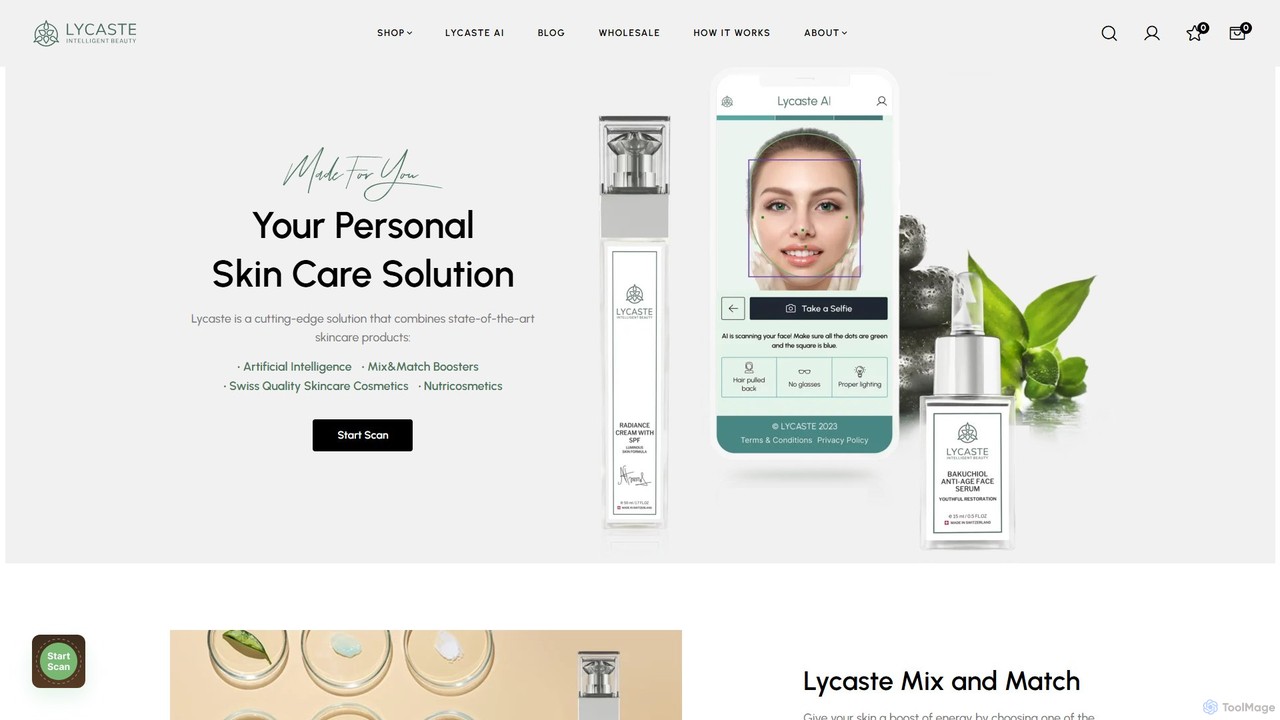
Lycaste is an AI-powered personal skincare solution that uses your phone's camera to analyze your skin. It identifies your unique skin needs and provides personalized recommendations for skincare routines and products. Combining Swiss-quality cosmetics with advanced AI, Lycaste offers tailored Mix & Match boosters and creams to address concerns like acne, wrinkles, and uneven skin tone, making professional dermatological advice accessible from home.

Beauty
Visits 9KFavorites 125Likes 120
faceagecalculator
Free

faceagecalculator

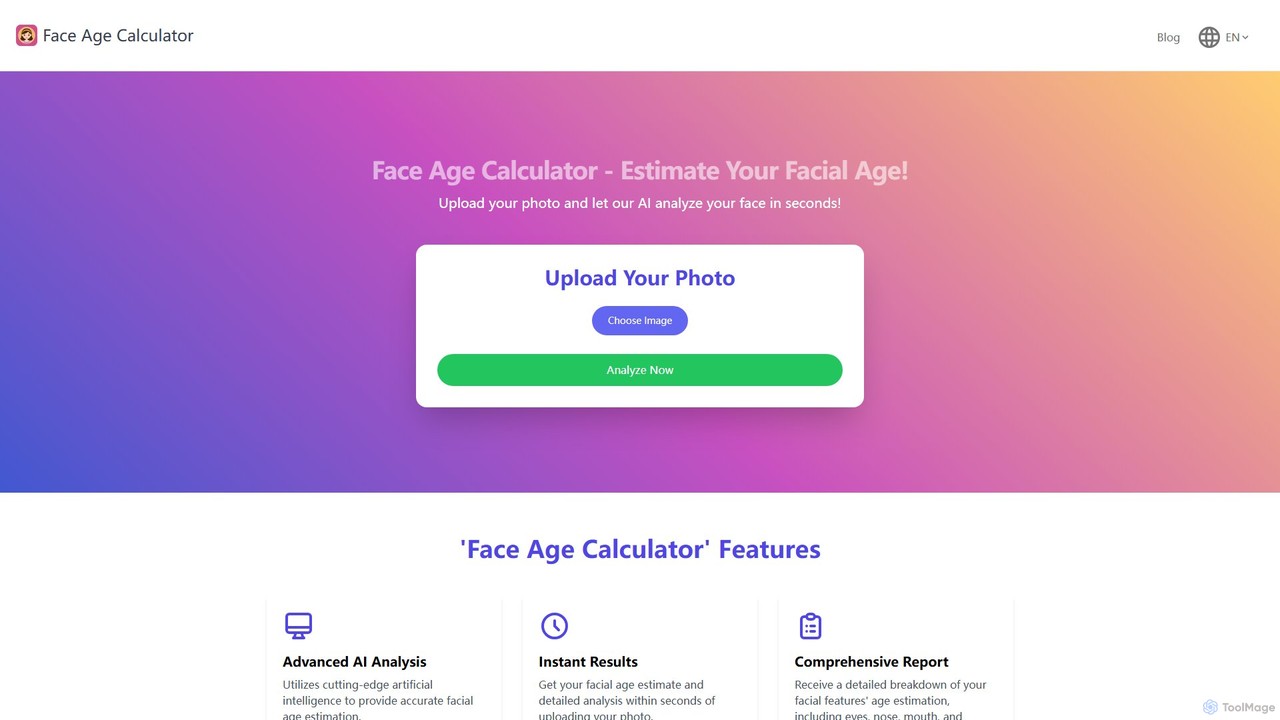
An AI-powered tool that estimates your facial age from a photo. Get instant, detailed analysis of your facial features with a strong emphasis on user privacy. It's a fun and insightful way to see how old you look and track the effects of your skincare routine.

Entertainment
Visits 18.5KFavorites 125Likes 139

About Skincare

AI Skincare tools are applications that use artificial intelligence to analyze your skin and provide personalized recommendations. They typically leverage computer vision to scan a user's photo, identifying concerns like acne, wrinkles, dark spots, and skin texture. Based on this data-driven analysis, the tools generate customized skincare routines, suggest suitable products, and help track skin health progress over time. This approach offers a scientific and accessible way to build an effective skincare regimen tailored to individual needs.

Core Features

  • AI Skin Analysis: Uses a device's camera to detect and quantify skin issues such as pores, fine lines, hydration levels, and pigmentation.
  • Personalized Routine Generation: Creates tailored morning and evening skincare regimens based on the user's skin type, goals, and analysis results.
  • Product Recommendation Engine: Suggests specific products whose ingredients are known to address the user's identified skin concerns.
  • Progress Tracking: Compares skin analysis results over weeks or months to visualize improvements and changes.

Use Cases

These tools are widely used by individuals seeking to improve their skin health with personalized guidance. Dermatologists and estheticians may use them as a supplementary tool for remote consultations, while beauty brands can leverage aggregated data for research and product development.

How to Choose

When selecting an AI Skincare tool, consider the accuracy of its analysis technology, which can be assessed through user reviews. Also, evaluate the breadth of its product and ingredient database, its data privacy policy, and the intuitiveness of the user interface for daily tracking.

Skincare use cases

1

Create a Personalized Daily Skincare Routine

An individual with combination skin and concerns about early signs of aging feels overwhelmed by the vast number of skincare products available. Using an AI Skincare tool, they take a selfie. The app's AI analyzes their skin, identifying areas of oiliness, dryness, and fine lines around the eyes. Based on this analysis, it generates a complete morning and evening routine, recommending a specific gentle cleanser, a vitamin C serum, a hydrating moisturizer, and a retinol-based night cream. This eliminates guesswork and provides a clear, actionable plan tailored to their unique skin needs.

2

Track Acne Improvement and Treatment Efficacy

A teenager struggling with persistent acne wants to know if their new treatment plan is working. They use an AI Skincare app to take a baseline photo of their face. The tool's computer vision identifies and maps each pimple, blackhead, and area of inflammation. Every week, they take a new photo, and the app compares it to the previous scans. It generates a progress report showing a quantifiable reduction in active breakouts and post-inflammatory hyperpigmentation, providing motivation and clear evidence that the treatment is effective.

3

Analyze Product Ingredients for Compatibility

A user with sensitive skin and a known allergy to certain fragrances wants to try a new moisturizer. Before purchasing, they use an AI Skincare tool's ingredient scanner feature. They either scan the product's barcode or paste the ingredient list into the app. The AI cross-references the list with a database of known irritants and allergens, as well as the user's personal profile. It instantly flags the problematic fragrance and suggests several alternative moisturizers that are fragrance-free and suitable for sensitive skin.

4

Monitor Skin Changes During Seasonal Transitions

A person living in a climate with distinct seasons notices their skin becomes much drier in the winter and oilier in the summer. They use an AI Skincare tool to perform a quick analysis at the beginning of each season. In autumn, the analysis shows decreasing hydration levels, prompting the app to recommend switching to a richer, more emollient moisturizer. In late spring, the analysis detects increased sebum production, leading to a suggestion for a lighter, gel-based moisturizer and a clay mask to manage oiliness. This proactive approach helps maintain balanced skin year-round.

5

Aid Remote Consultations with a Dermatologist

A patient in a rural area needs to consult a dermatologist about a developing rosacea flare-up. Before their telehealth appointment, they use a certified AI Skincare tool to document their skin's condition. The app provides a detailed report with high-resolution images, highlighting areas of redness, inflammation, and texture. The patient securely shares this objective, data-rich report with their doctor. This allows the dermatologist to make a more accurate remote diagnosis and prescribe an appropriate treatment plan, overcoming the limitations of standard video call quality.

6

Get Real-Time Environmental Skincare Advice

A city dweller is planning their day and wants to protect their skin from environmental damage. Their AI Skincare app uses their phone's location to check the local UV index and air quality (AQI). The app sends a notification advising them that the UV index is high and recommends applying a specific SPF 50 sunscreen from their product list. It also notes high pollution levels and suggests using an antioxidant serum in their morning routine to combat free radical damage, providing practical, location-aware advice for daily skin protection.

Skincare FAQ

What are AI Skincare tools?

AI Skincare tools are digital applications that use artificial intelligence, primarily computer vision and machine learning, to analyze a user's skin from a photo. They identify various skin conditions like acne, wrinkles, dark spots, and dehydration. Based on this analysis, they provide personalized skincare advice, recommend specific products, and allow users to track their skin's health over time, offering a data-driven approach to personal care.

How do AI Skincare apps analyze my skin?

These apps typically use your phone's camera to capture a high-resolution image of your face. An AI model, trained on thousands of dermatological images, then analyzes the photo. It uses computer vision algorithms to detect patterns, textures, and color variations corresponding to specific skin concerns like pores, fine lines, or redness. The system quantifies these issues and compares them to a database to determine your skin type and condition, forming the basis for its recommendations.

How do I choose the right AI Skincare tool?

To choose the right tool, consider these key factors:

  • Accuracy: Look for apps with positive reviews regarding the precision of their skin analysis. Some may be backed by dermatological studies.
  • Database Size: A good tool should have a large and up-to-date database of skincare products and ingredients to provide relevant recommendations.
  • Privacy Policy: Since you are sharing sensitive images and data, ensure the app has a clear and strong privacy policy.
  • User Experience: The app should be easy to use for daily logging and progress tracking to ensure you stay consistent.
Are the recommendations from AI Skincare tools reliable?

The reliability of AI Skincare tools can vary. High-quality apps developed with dermatologists and trained on diverse datasets can provide highly accurate analyses and useful, evidence-based recommendations. However, they are not a substitute for professional medical advice. They serve best as a guide for daily care and for tracking changes. For any serious or persistent skin conditions, consulting a certified dermatologist is always the recommended course of action.

What is the difference between an AI Skincare tool and a general beauty filter app?

The core difference is purpose and technology. A beauty filter app uses augmented reality to cosmetically alter an image for aesthetic purposes, like smoothing skin or adding makeup virtually. An AI Skincare tool is a diagnostic and analytical platform. It does not alter your image; instead, it analyzes it to identify underlying skin health metrics. Its goal is to provide actionable advice to improve your actual skin, not just your appearance in a photo.