ToolMage
Sign in

Best 10 Symptom Checker AI tools for Health

Popular Symptom Checker AI tools in Health include Ubiehealth, Doctronic, Ada, Mediktor, My Mediktor, Dr. Gupta, Miri AI, MedUp, Bodywellnessai, and HeyDoc, helping you work more efficiently.

Bodywellnessai
Free

Bodywellnessai

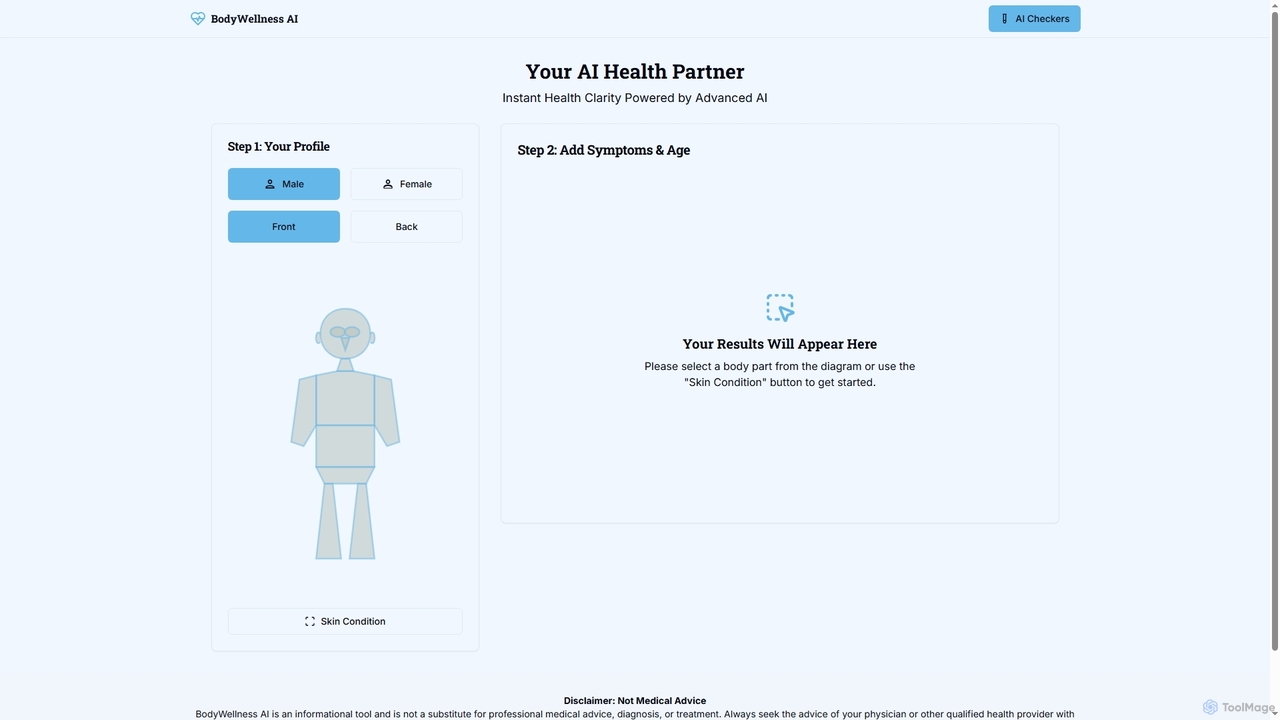
Bodywellnessai is an AI-powered health information partner designed to provide clarity on health concerns. It features a suite of tools including a symptom checker, skin analyzer, lab report explainer, and medicine safety checker, empowering users to have more informed conversations with healthcare professionals.

Medical Information
Visits 6KFavorites 130Likes 131
Ubiehealth
Freemium

Ubiehealth

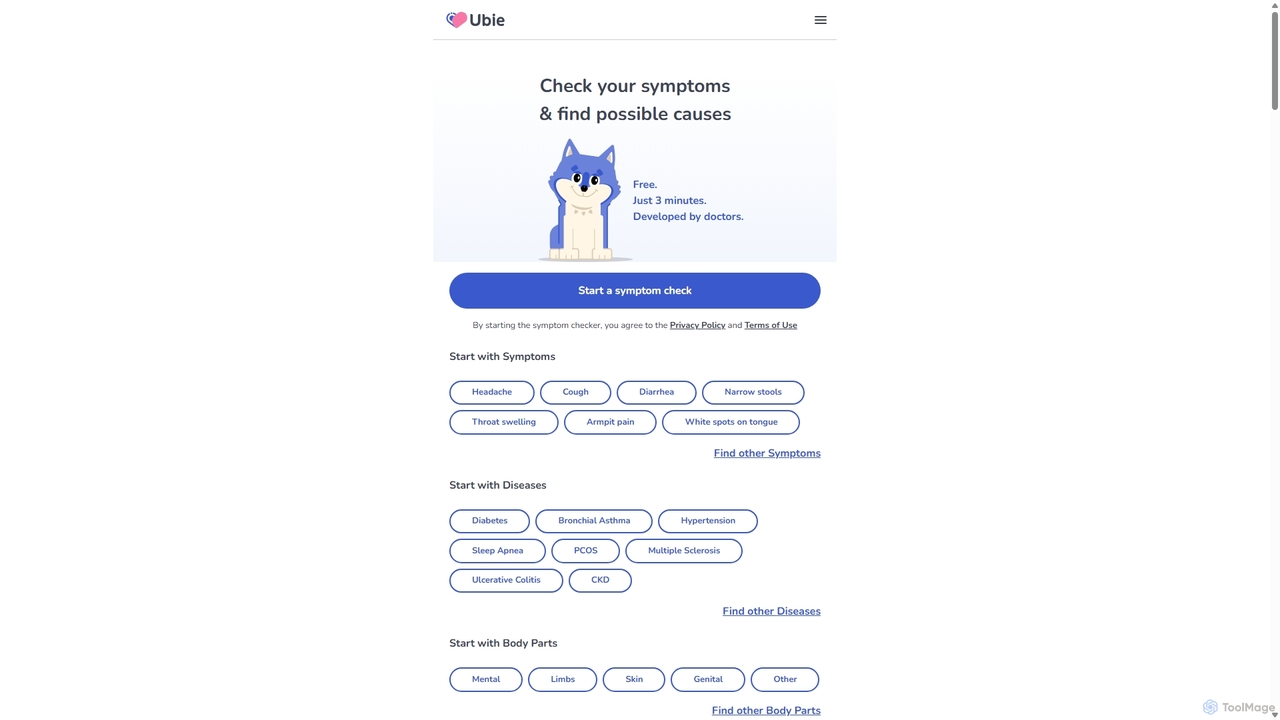
Ubiehealth is an AI-powered symptom checker developed by doctors. In just 3 minutes, it analyzes your symptoms through a personalized questionnaire and provides a free, detailed report on possible causes, recommended actions, and when to seek medical attention, empowering you to make informed health decisions.

Medical Diagnosis
Visits 4.5MFavorites 133Likes 135
My Mediktor
Freemium

My Mediktor

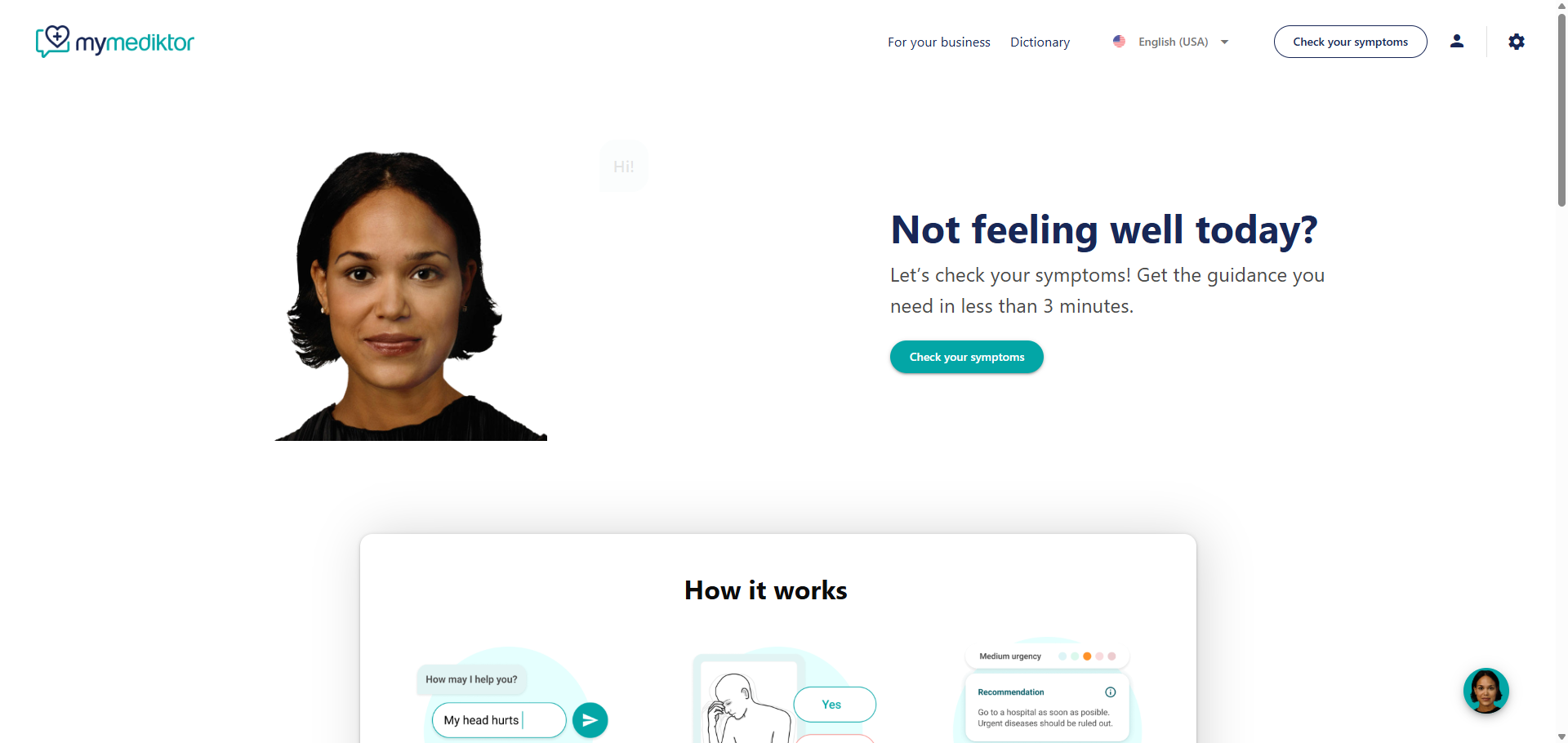
My Mediktor is an advanced AI-powered symptom checker that provides a personalized pre-diagnosis and recommends the appropriate level of care. By engaging in a natural, conversational chat, users can understand their symptoms, explore potential causes, and make informed decisions about their health. It is a clinically validated tool designed for accuracy and user safety.

Symptom Checker
Visits 15.2KFavorites 142Likes 151
Miri AI
Freemium

Miri AI

Miri AI is an advanced AI-powered health companion designed to provide personalized wellness guidance, symptom analysis, and mental health support. By leveraging cutting-edge artificial intelligence, Miri helps users understand their health better, make informed decisions, and proactively manage their well-being. It serves as a 24/7 accessible, confidential, and intelligent health assistant right at your fingertips.

3D
Visits 6.9KFavorites 130Likes 149
Doctronic
Freemium

Doctronic

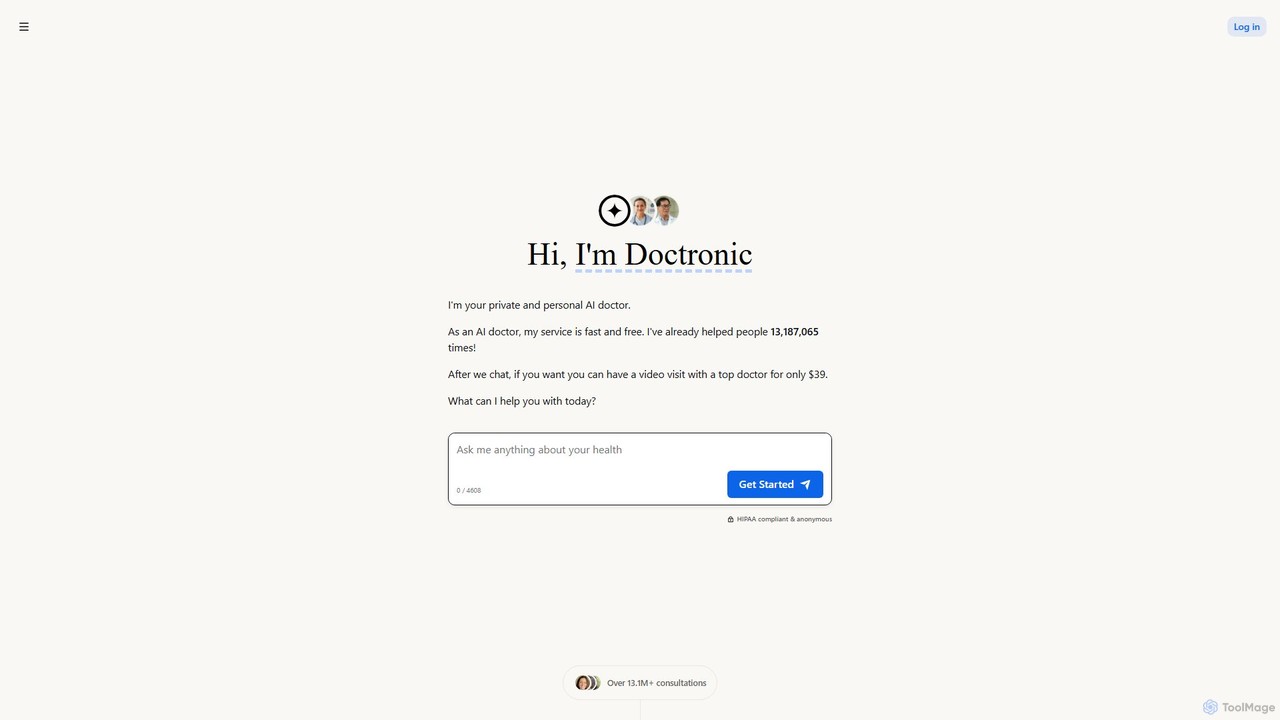
Doctronic is an AI-powered health assistant that acts as your personal AI doctor. Get instant, 24/7 answers to your health questions and receive personalized management plans based on the latest medical data. After your free AI consultation, you can seamlessly connect with a licensed human doctor via video for diagnosis, prescriptions, and more. It's a fast, private, and convenient way to manage your health, bridging the gap between self-assessment and professional medical care.

Symptom Checker
Visits 1.1MFavorites 103Likes 114
HeyDoc
Free

HeyDoc

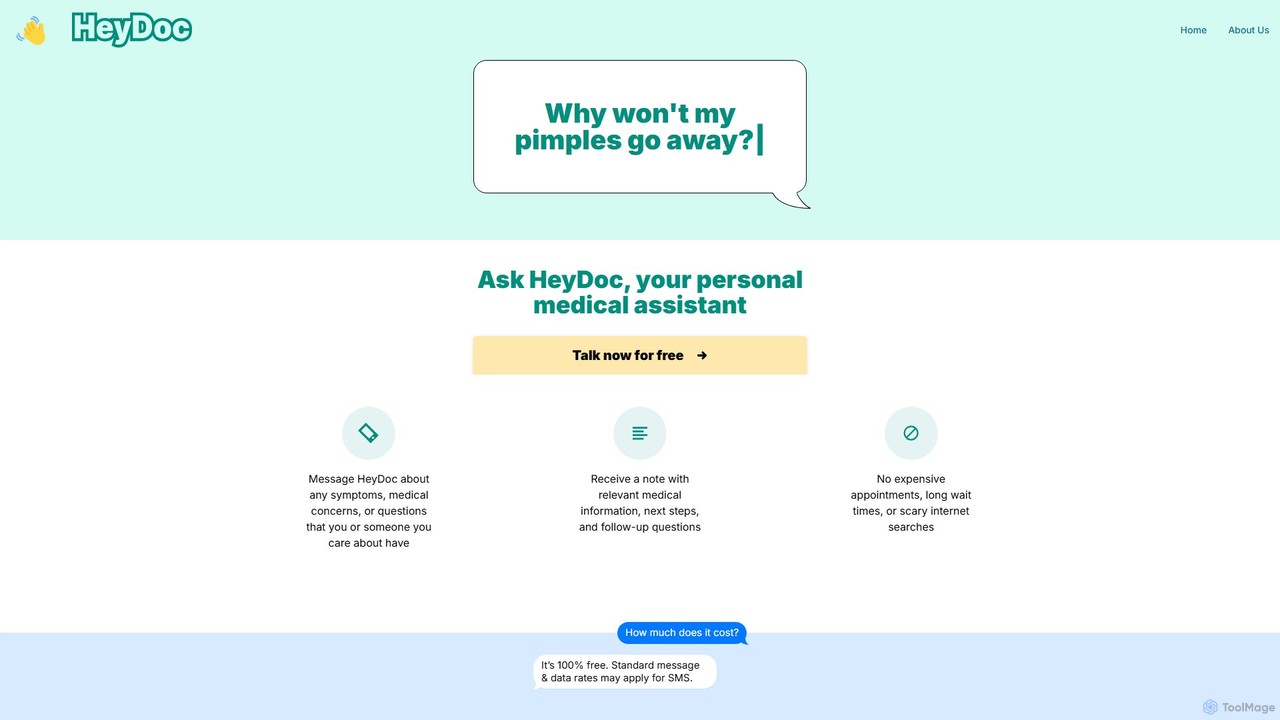
HeyDoc is a free AI-powered personal medical assistant. Engage in a confidential chat about any health symptoms or concerns for yourself or a loved one. It provides a clear summary with relevant medical information, potential next steps, and questions to ask a doctor, helping you navigate health issues without long waits or alarming internet searches.

Symptom Checker
Visits 6KFavorites 132Likes 117
Ada
Free

Ada

Ada is a personal health companion powered by AI. Developed by doctors, Ada helps you understand your symptoms and discover what might be causing them. It offers a smart symptom checker and a comprehensive medical library to support better health choices and outcomes.

Health
Visits 508.1KFavorites 158Likes 182
Mediktor
Paid

Mediktor

Mediktor is an advanced, clinically-validated AI symptom checker. It uses sophisticated AI to interpret patient symptoms, ask relevant follow-up questions, and provide a differential diagnosis. It guides patients to the most appropriate level of care, helping healthcare organizations optimize patient flow and improve outcomes.

Medical Triage
Visits 39.5KFavorites 116Likes 106
Dr. Gupta
Freemium

Dr. Gupta

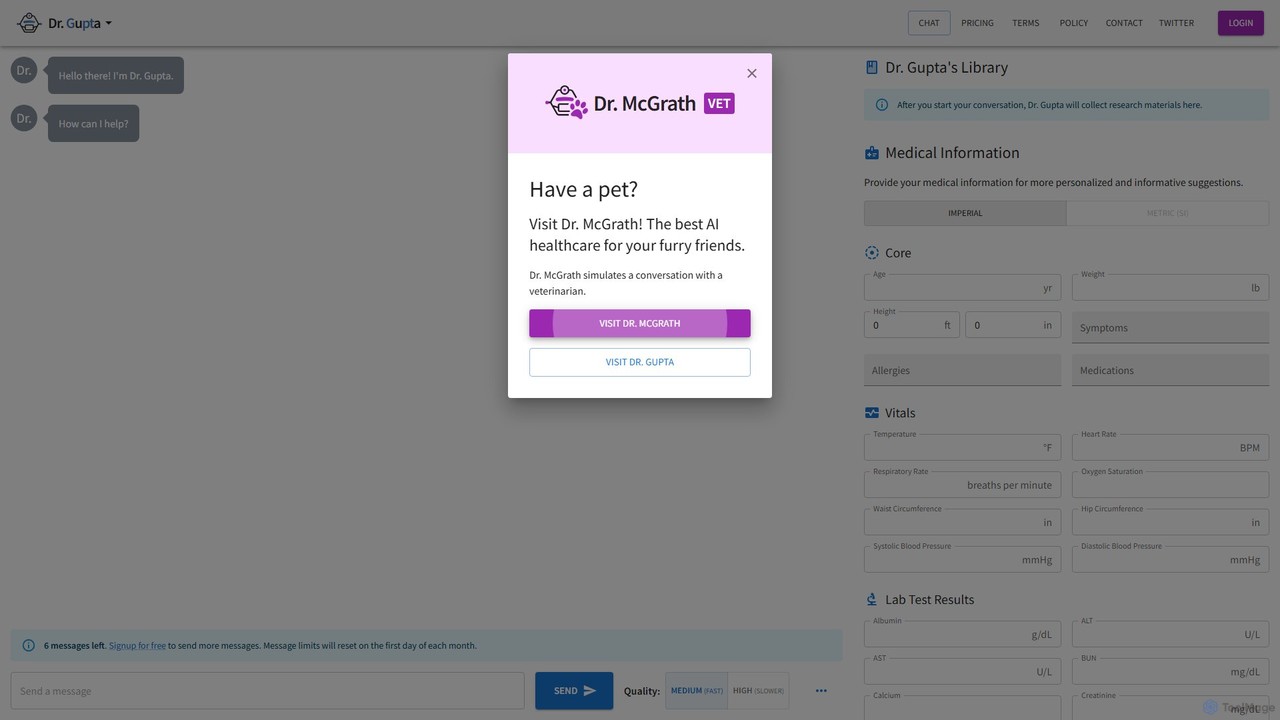
Dr. Gupta is an AI-powered physician chatbot providing instant, confidential information on human and pet health. Ask about symptoms, conditions, and medications. It features a dedicated veterinary AI, Dr. McGrath, for pet-related queries. The tool is designed for informational purposes and offers both free and premium plans for users.

Medical Assistant
Visits 9.2KFavorites 143Likes 139
MedUp
Free

MedUp

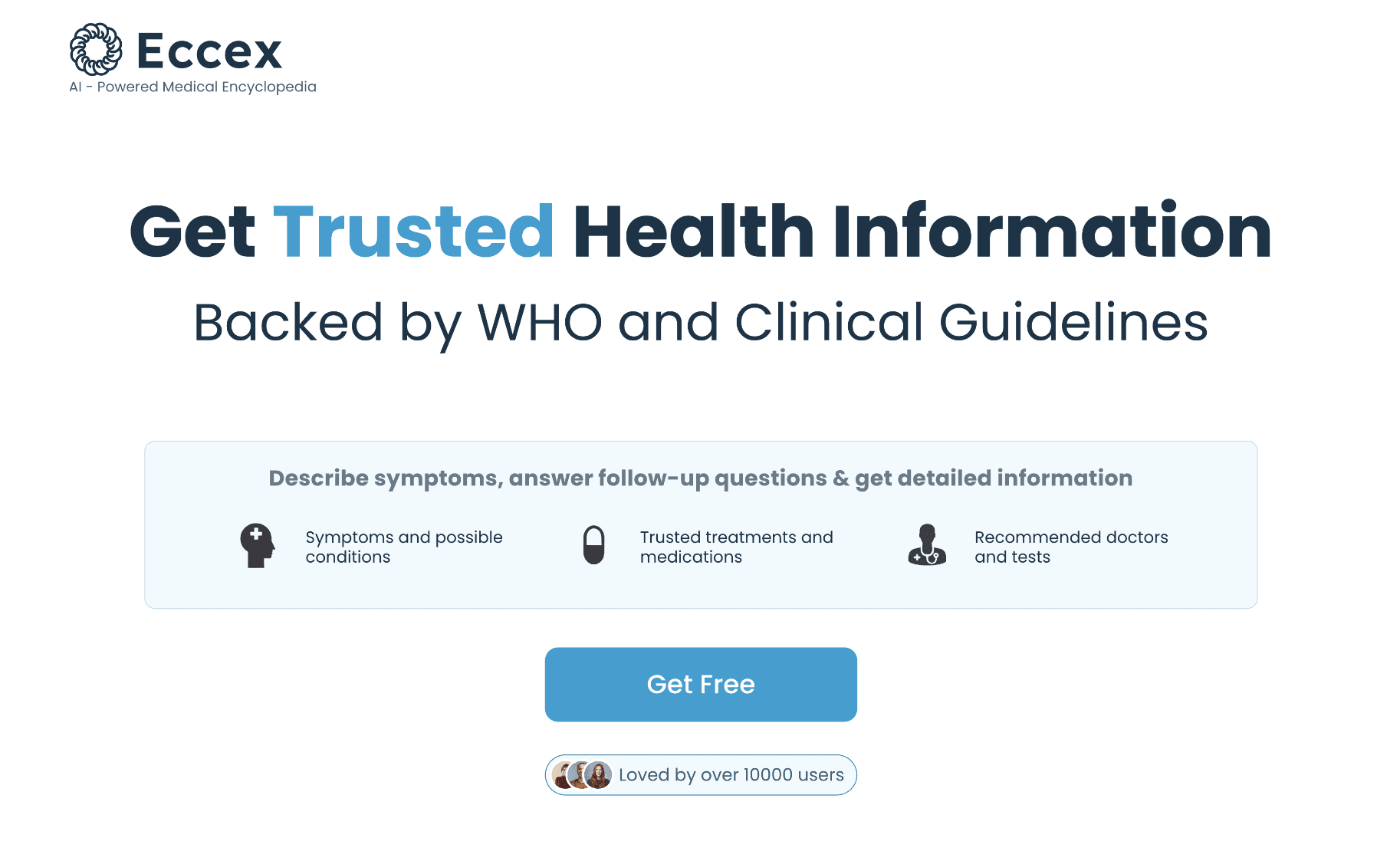
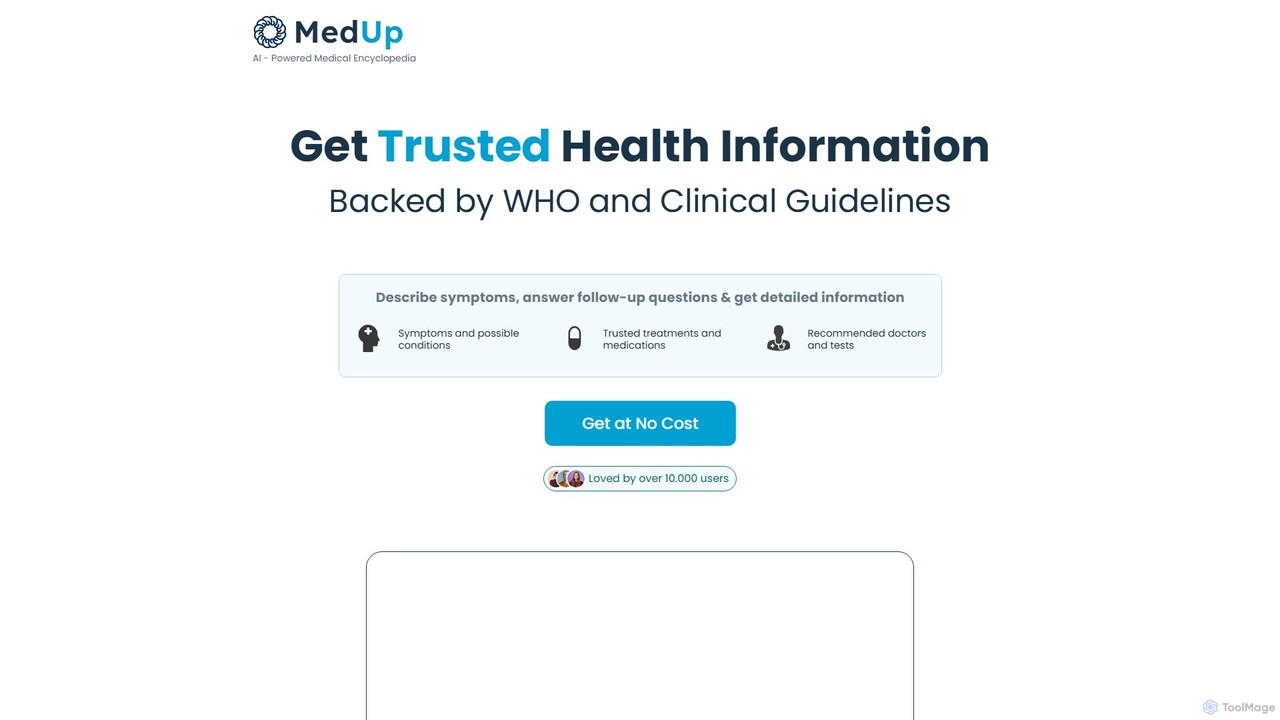
MedUp is a free, AI-powered medical encyclopedia that provides trusted health information based on WHO and clinical guidelines. Describe your symptoms via text, voice, or photo to receive instant, detailed information about possible conditions, treatments, and recommended specialists. It's designed for educational purposes to help you make informed health decisions.

Medical Information
Visits 6KFavorites 137Likes 148

About Symptom Checker

AI Symptom Checkers are intelligent tools designed to analyze user-reported health symptoms and provide preliminary information about potential medical conditions. They utilize natural language processing and machine learning algorithms, trained on vast medical datasets, to conduct an interactive assessment. These tools help users understand the possible causes of their symptoms, evaluate the urgency of their situation, and make more informed decisions about when to seek professional medical care. Unlike a simple web search, they offer a structured, guided process to narrow down possibilities and provide context-aware advice.

Core Features

  • Natural Language Symptom Input: Allows users to describe their symptoms in their own words.
  • Dynamic Questioning: Asks relevant, follow-up questions to gather more specific details about symptoms and medical history.
  • Potential Condition Analysis: Generates a list of possible conditions that match the user's symptom profile, often ranked by likelihood.
  • Triage and Urgency Advice: Provides recommendations on the appropriate next steps, such as self-care, scheduling a doctor's visit, or seeking emergency care.
  • Medical Information Access: Offers reliable, easy-to-understand information about the potential conditions identified.

Use Cases

These tools are primarily used by individuals experiencing new or unclear symptoms who need initial guidance. They are also valuable for parents assessing a child's illness to determine the need for a doctor's visit, or for people in remote areas seeking preliminary advice. They can also help patients organize their symptoms before a medical appointment for a more effective consultation.

How to Choose

When selecting an AI Symptom Checker, prioritize tools backed by credible medical sources and healthcare professionals. Evaluate its data privacy policy to ensure your sensitive health information is protected. A clear, intuitive user interface that asks understandable questions is crucial for an accurate assessment. Finally, check that the tool clearly communicates its limitations and emphasizes that it is not a substitute for professional medical diagnosis.

Featured tool rankings

Symptom Checker use cases

1

Preliminary Assessment of Common Illnesses

An individual feeling unwell with general symptoms like a fever, cough, and headache can use an AI Symptom Checker for initial guidance. Instead of worrying or making an unnecessary trip to a clinic, they can input their symptoms and answer a series of targeted questions about their severity and duration. The tool analyzes this information and might suggest potential causes such as the common cold or influenza. It then provides actionable advice, like recommending self-care at home and advising a doctor's visit only if symptoms persist or worsen, offering peace of mind and efficient use of healthcare resources.

2

Deciding on Urgency for a Child's Symptoms

Parents often face uncertainty when a child develops symptoms like a rash or a low-grade fever, especially after hours. An AI Symptom Checker serves as a valuable triage tool. A parent can input the child's age, specific symptoms, and answer questions about the child's behavior and comfort level. Based on this data, the AI can help differentiate between a non-urgent issue, like a common viral rash, and signs that require immediate medical attention. This helps reduce parental anxiety and prevents unnecessary emergency room visits for minor conditions, while ensuring serious issues are addressed promptly.

3

Understanding a Specific, Localized Pain

When experiencing a new, persistent pain in a specific area, like the abdomen or a joint, web searches can be overwhelming and alarming. An AI Symptom Checker offers a more structured approach. A user can describe the exact location, type (e.g., sharp, dull, cramping), and triggers of the pain. The AI will then ask clarifying questions, such as whether the pain is constant or intermittent, or if it's accompanied by other symptoms like fever or nausea. The result is a more focused list of potential issues, from a simple muscle strain to something requiring a specialist's evaluation, along with an appropriate urgency level, helping the user to seek the right care more efficiently.

4

Preparing for a Doctor's Appointment

For patients with chronic conditions or complex symptoms, preparing for a doctor's visit can be challenging. An AI Symptom Checker can act as a preparation assistant. Before the appointment, a patient can use the tool to log their symptoms, track their frequency, and note any triggers or patterns. The interactive questioning process helps them recall important details they might otherwise forget. The tool can then generate a structured summary of their inputs. This summary can be brought to the appointment, enabling a more focused, productive conversation with the healthcare provider and ensuring no critical information is missed.

5

Initial Guidance for Mental Health Concerns

Many individuals experiencing symptoms of anxiety or depression are hesitant to seek help. An AI Symptom Checker can provide a confidential and low-barrier first step. Users can anonymously answer questions based on standardized mental health screening questionnaires (like the PHQ-9 for depression). The tool can then offer information about conditions like anxiety disorders or major depression, explain that these are treatable medical issues, and provide resources for finding professional help. This can empower users to better understand their experience and encourage them to take the next step in seeking care from a qualified professional.

6

Assessing a Possible Allergic Reaction

After trying a new food or being exposed to a potential allergen, a person might develop symptoms like a rash, itching, or mild swelling. An AI Symptom Checker can help assess the situation's severity. The user inputs their symptoms and the potential trigger. The AI will ask critical follow-up questions, specifically screening for signs of a severe reaction (anaphylaxis), such as difficulty breathing or swelling of the throat. If no severe symptoms are reported, it might suggest a mild allergic reaction and advise on self-care. Crucially, it will also clearly list the warning signs that necessitate an immediate call to emergency services, providing a vital safety net.

Symptom Checker FAQ

What is an AI Symptom Checker?

An AI Symptom Checker is a digital tool that uses artificial intelligence to analyze symptoms you provide. It asks a series of questions to understand your health concerns and then provides a list of possible medical conditions and advice on what to do next. Its primary purpose is to offer preliminary information and help you assess the urgency of seeking medical care. Important: It is an informational tool, not a diagnostic one, and should never replace the advice of a qualified healthcare professional.

How do I choose a reliable AI Symptom Checker?

To choose a reliable tool, consider the following factors:

  • Medical Credibility: Check if the tool is developed with or reviewed by medical professionals and if it cites its data sources.
  • Data Privacy: Read the privacy policy to understand how your sensitive health data is stored and used.
  • User Experience: The tool should be easy to use, with clear and simple questions.
  • Transparency: A good checker will be transparent about its limitations and always advise consulting a real doctor for a diagnosis.
Are AI Symptom Checkers accurate?

The accuracy of AI Symptom Checkers can vary. While they are becoming increasingly sophisticated, they are not infallible. Their accuracy depends on the quality of their underlying data, the complexity of the algorithms, and the information provided by the user. They are generally more effective at identifying common conditions than rare ones. It's best to view them as a tool for preliminary guidance and risk assessment, not as a source of definitive diagnosis. Always consult a healthcare professional to confirm any findings.

What's the difference between an AI Symptom Checker and a web search?

A web search for symptoms provides a list of links based on keywords, which can be overwhelming and lead to inaccurate self-diagnosis. An AI Symptom Checker offers a more structured, interactive process. It asks specific, targeted questions to narrow down possibilities, much like a doctor would during an initial consultation. This guided approach provides more personalized and context-aware information, helping to reduce anxiety and deliver more relevant potential explanations for your symptoms compared to a broad, unfiltered search.

When should I NOT use an AI Symptom Checker?

You should never use an AI Symptom Checker for medical emergencies. If you are experiencing any of the following, seek immediate medical help by calling your local emergency number or going to the nearest emergency department:

  • Chest pain or pressure
  • Difficulty breathing or shortness of breath
  • Severe bleeding
  • Sudden weakness, numbness, or difficulty speaking
  • Severe headache or confusion
  • Loss of consciousness

These tools are for non-urgent informational purposes only.