Arini
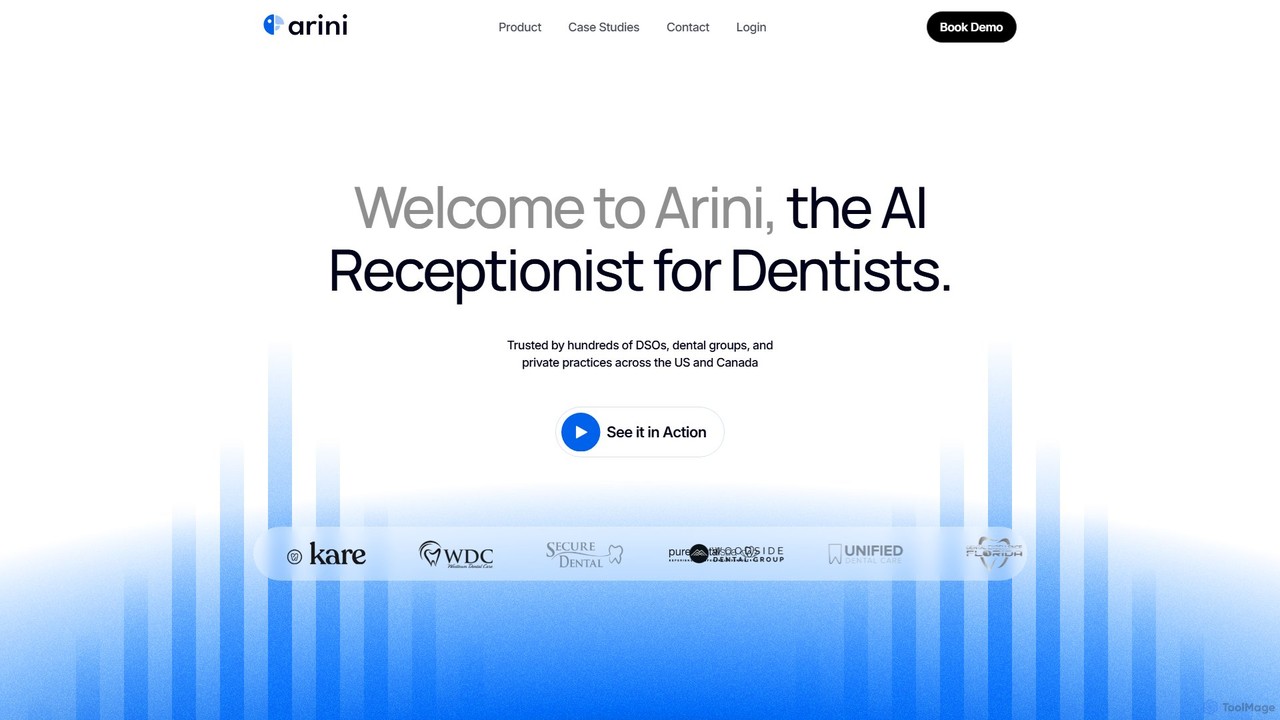
Arini is a leading AI-powered receptionist designed specifically for dental practices. It handles patient communications 24/7 via calls …
Arini is a leading AI-powered receptionist designed specifically for dental practices. It handles patient communications 24/7 via calls and texts, intelligently scheduling, confirming, and rescheduling appointments. By integrating seamlessly with existing practice management software, Arini reduces missed calls, increases revenue, and frees up front-desk staff to focus on higher-value tasks, ensuring no patient opportunity is lost.
Overjet
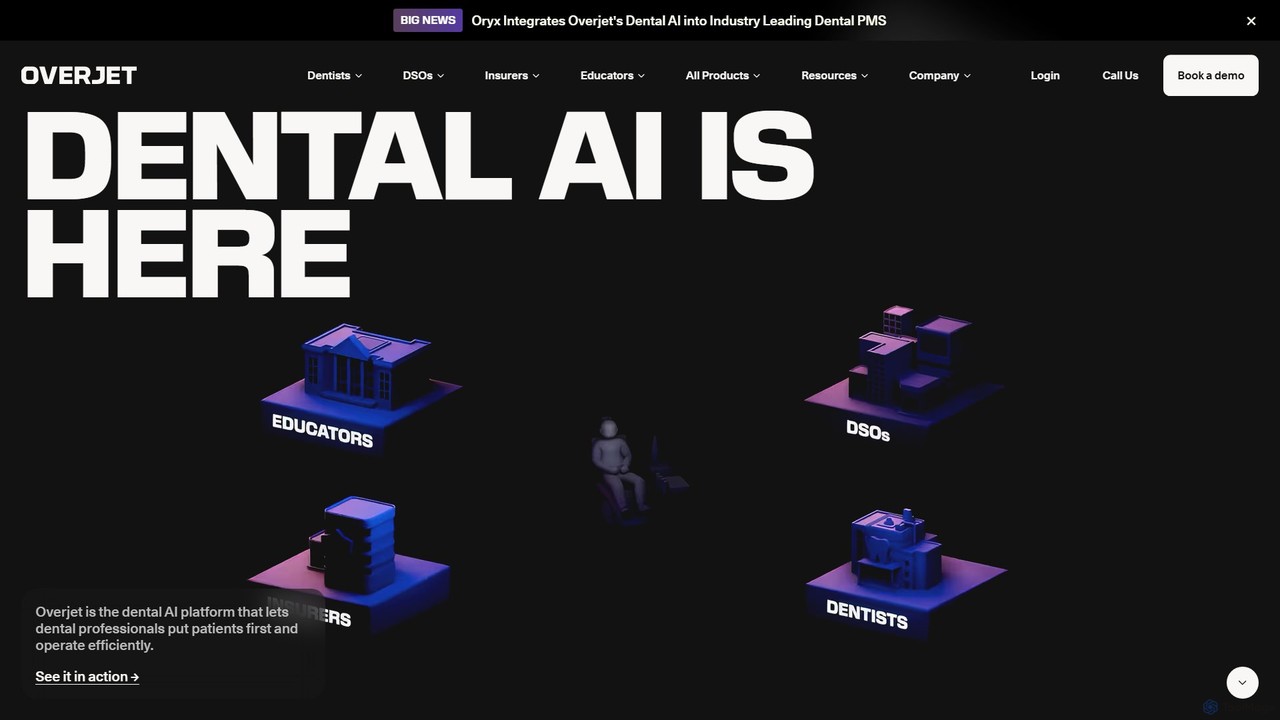
Overjet is the leading AI platform for dentistry, empowering providers and payers to enhance patient care. It utilizes …
Overjet is the leading AI platform for dentistry, empowering providers and payers to enhance patient care. It utilizes FDA-cleared AI to analyze dental X-rays for precise disease detection, streamlines patient education with annotated visuals to boost case acceptance, and automates the insurance claim process for faster approvals. Overjet bridges the gap between dentists, patients, and insurers, fostering efficiency and improved oral health outcomes for all.
PhotoAlign
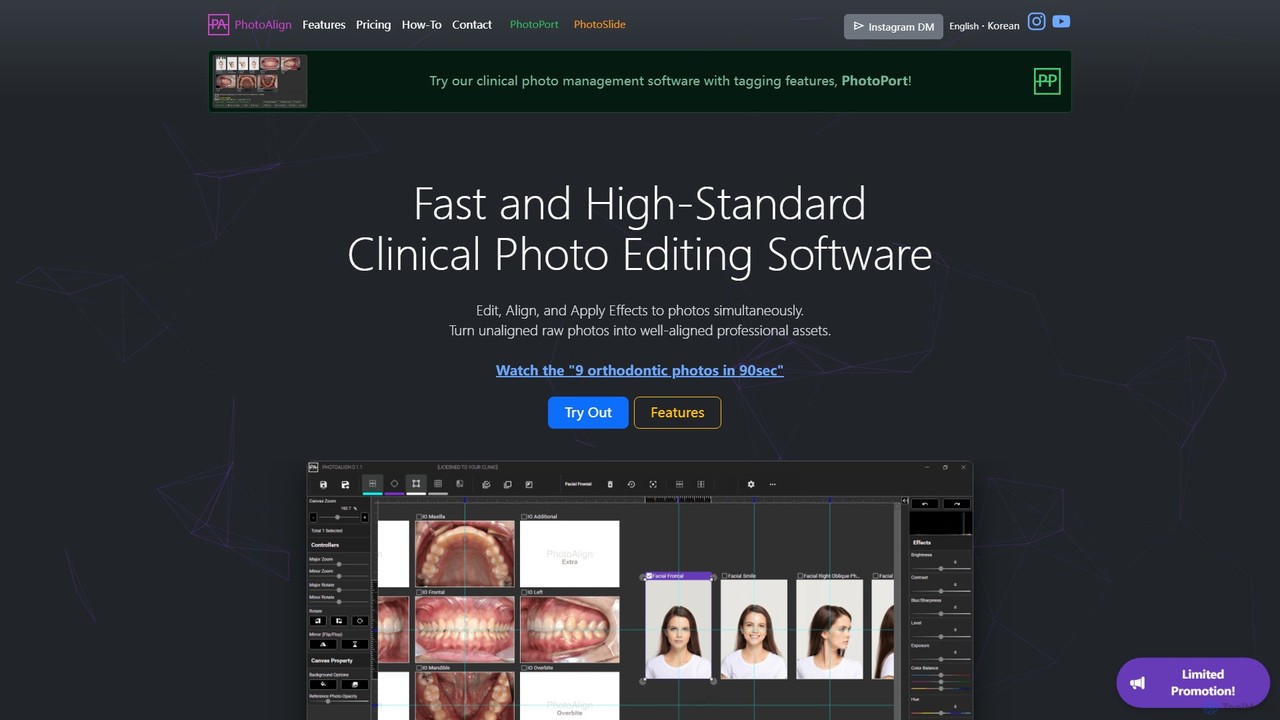
An AI-powered photo editing software designed for dental and orthodontic professionals. It streamlines the process of editing, aligning, …
An AI-powered photo editing software designed for dental and orthodontic professionals. It streamlines the process of editing, aligning, and standardizing clinical photos, saving significant time with batch processing, AI-powered placement, and professional templates.
Pearl
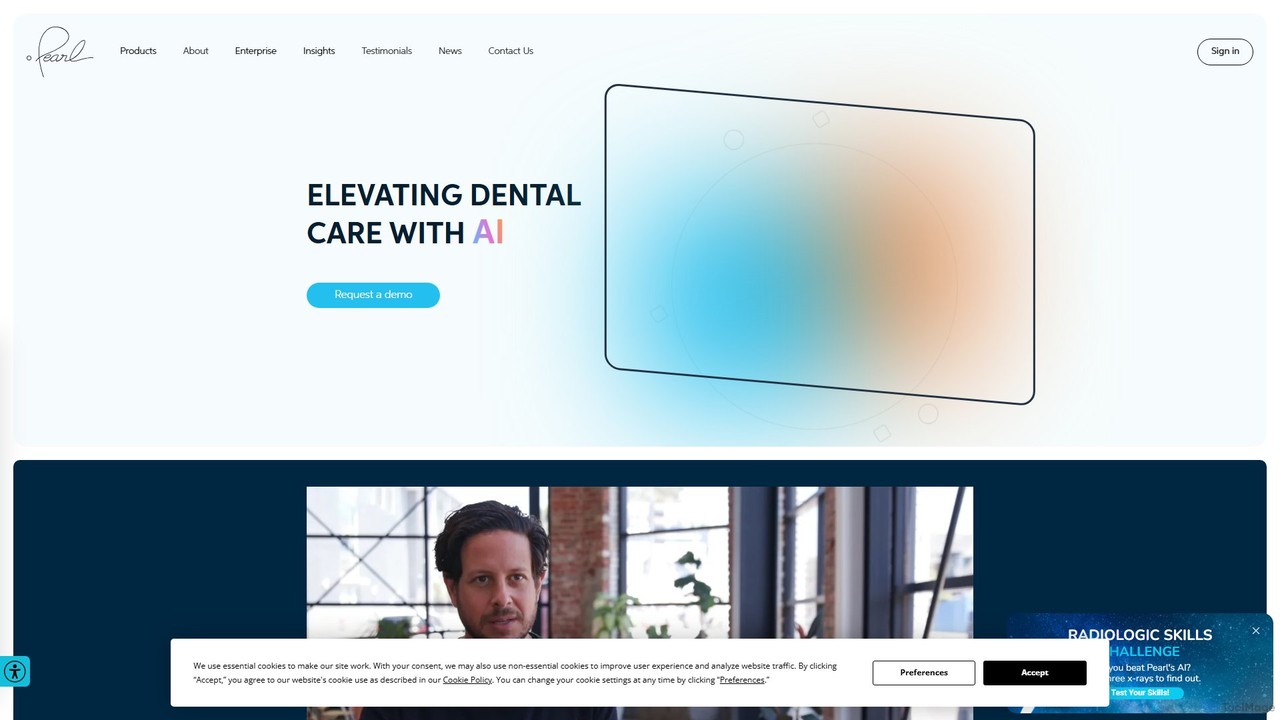
Pearl is a leading AI platform for dentistry, utilizing advanced computer vision to analyze dental X-rays and 3D …
Pearl is a leading AI platform for dentistry, utilizing advanced computer vision to analyze dental X-rays and 3D imagery. It provides dentists with real-time diagnostic assistance, enhances patient communication, and optimizes practice management, aiming to elevate the standard of dental care globally.
Toothy
Toothy is an AI assistant for dental practices that automates Revenue Cycle Management (RCM). It handles insurance verifications, …
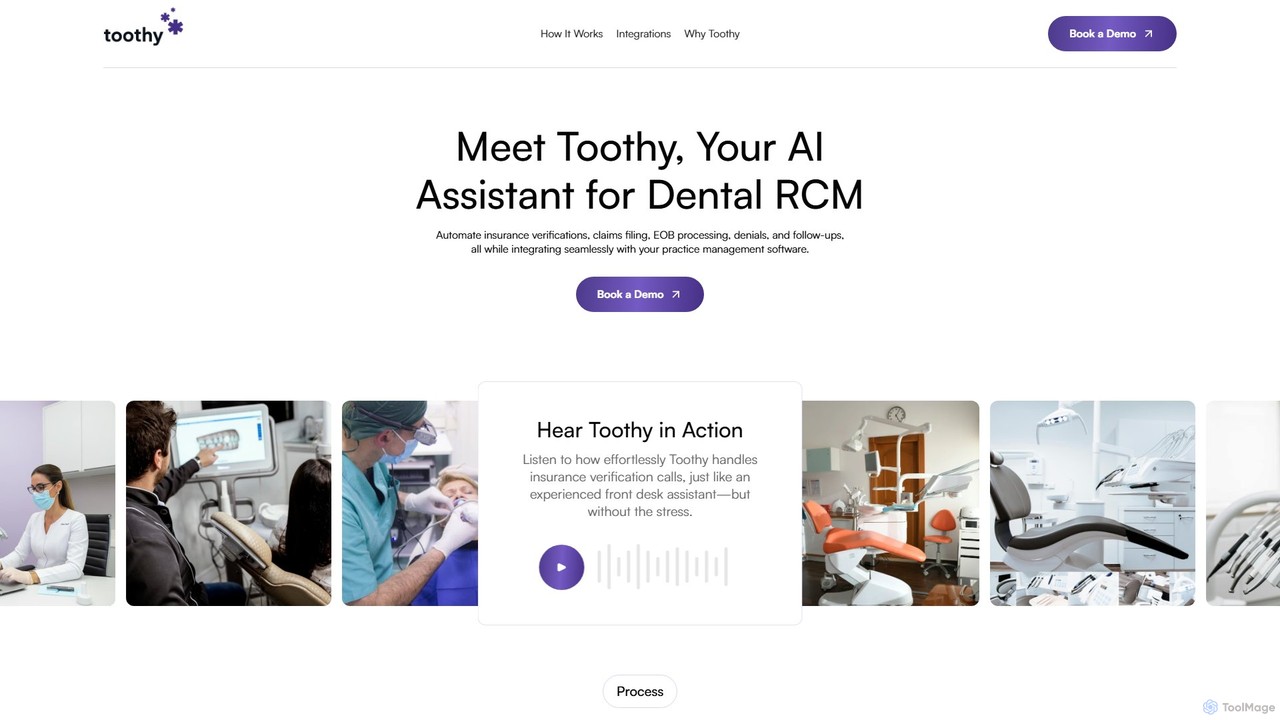
Toothy is an AI assistant for dental practices that automates Revenue Cycle Management (RCM). It handles insurance verifications, claims filing, EOB processing, and denials by integrating directly with your practice management software to accelerate cash flow and reduce administrative workload.
About Dental
AI Dental tools are a specialized category of healthcare AI that use machine learning and computer vision to analyze dental data. These tools process medical imagery such as X-rays, CBCT scans, and intraoral scans to identify pathologies, plan treatments, and automate clinical workflows. Their primary value lies in enhancing diagnostic accuracy, improving treatment predictability, and increasing the operational efficiency of dental practices. By providing data-driven insights, they support clinicians in making more informed decisions for patient care.
Core Features
- Diagnostic Image Analysis: Automatically detects and highlights potential issues like caries, bone loss, and periapical lesions on radiographs and 3D scans.
- Treatment Planning & Simulation: Assists in designing crowns, implants, and orthodontic aligners by generating precise proposals and simulating treatment outcomes.
- Practice Management Automation: Optimizes patient scheduling, automates insurance claim processing, and manages patient communication.
- Predictive Analytics: Forecasts treatment success rates and identifies patients at high risk for specific dental conditions based on historical data.
Use Cases
These tools are primarily used by dentists, orthodontists, periodontists, dental lab technicians, and clinic administrators. Common applications include early caries detection during routine check-ups, planning complex implant placements, designing custom prosthetics, and streamlining the administrative tasks of a busy dental office.
How to Choose
When selecting an AI Dental tool, consider its specific clinical application (e.g., orthodontics, periodontics). Evaluate its integration capabilities with your existing PACS and practice management software. Verify its regulatory compliance (e.g., FDA, CE marking) and review clinical studies that validate its accuracy and effectiveness. Finally, assess the user interface for ease of use within your clinical team's workflow.

DentalUse Cases
Automated Caries Detection on X-rays
A general dentist uses an AI tool to analyze patient bitewing radiographs during a routine check-up. The software automatically highlights areas of potential enamel and dentin caries, color-coding them by severity. This serves as an effective 'second opinion,' helping the dentist confirm their diagnosis, detect early-stage lesions that might be missed, and more effectively communicate treatment needs to the patient using visual aids. This process improves diagnostic consistency and saves time during image review.
AI-Powered Orthodontic Treatment Planning
An orthodontist uploads a patient's intraoral 3D scan into an AI platform. The software automatically segments each tooth, identifies landmarks, and proposes a complete treatment plan for clear aligners. It simulates the step-by-step movement of teeth from the initial position to the final desired outcome. The orthodontist can then review, modify, and approve the AI-generated plan, reducing the manual setup time by a significant margin and allowing for more precise and predictable orthodontic results.
Automated Dental Crown and Bridge Design
A dental lab technician receives a digital impression from a clinic. Instead of manually designing a crown from scratch, they use an AI-powered CAD software. The AI analyzes the prepared tooth, adjacent teeth, and opposing arch to instantly generate a highly accurate and anatomically correct crown proposal. The technician only needs to make minor adjustments before sending the design for milling or 3D printing. This automates a time-consuming task, ensures consistency, and increases the lab's overall throughput.
Predictive Analysis for Periodontal Disease
A periodontist uses an AI platform to monitor patients at risk for periodontal disease. The system analyzes a patient's series of historical radiographs, measuring changes in bone level over time. It combines this with clinical data like probing depths and bleeding points to calculate a risk score. This predictive model helps the clinician identify patients who are not responding to treatment or are at high risk of future attachment loss, allowing for earlier and more targeted intervention.
Intelligent Patient Scheduling and Recall
A dental practice manager implements an AI-powered scheduling system. The tool analyzes the clinic's schedule, treatment types, and patient history to identify optimal appointment slots. It automatically sends personalized recall reminders to patients due for cleanings or follow-ups, using text or email. If a patient cancels, the AI instantly identifies other patients on a waitlist who could fill the slot and sends them an offer. This minimizes no-shows, keeps the schedule full, and reduces the administrative burden on front-desk staff.
Implant Placement Planning and Surgical Guide Design
An implantologist uses AI software to plan a dental implant procedure. After uploading a patient's CBCT scan, the AI automatically maps critical anatomical structures like the mandibular nerve and sinus floor. It then suggests the optimal implant position, angulation, and size to ensure maximum bone support while avoiding these structures. Based on this approved plan, the software can then be used to design a custom surgical guide, which can be 3D printed to ensure the implant is placed with high precision during the actual surgery.