Hr Best in category 1 results Performance Management AI Tool

Popular AI tools in the Performance Management field of Hr include Opre, etc., helping you quickly improve efficiency.

Opre

Opre

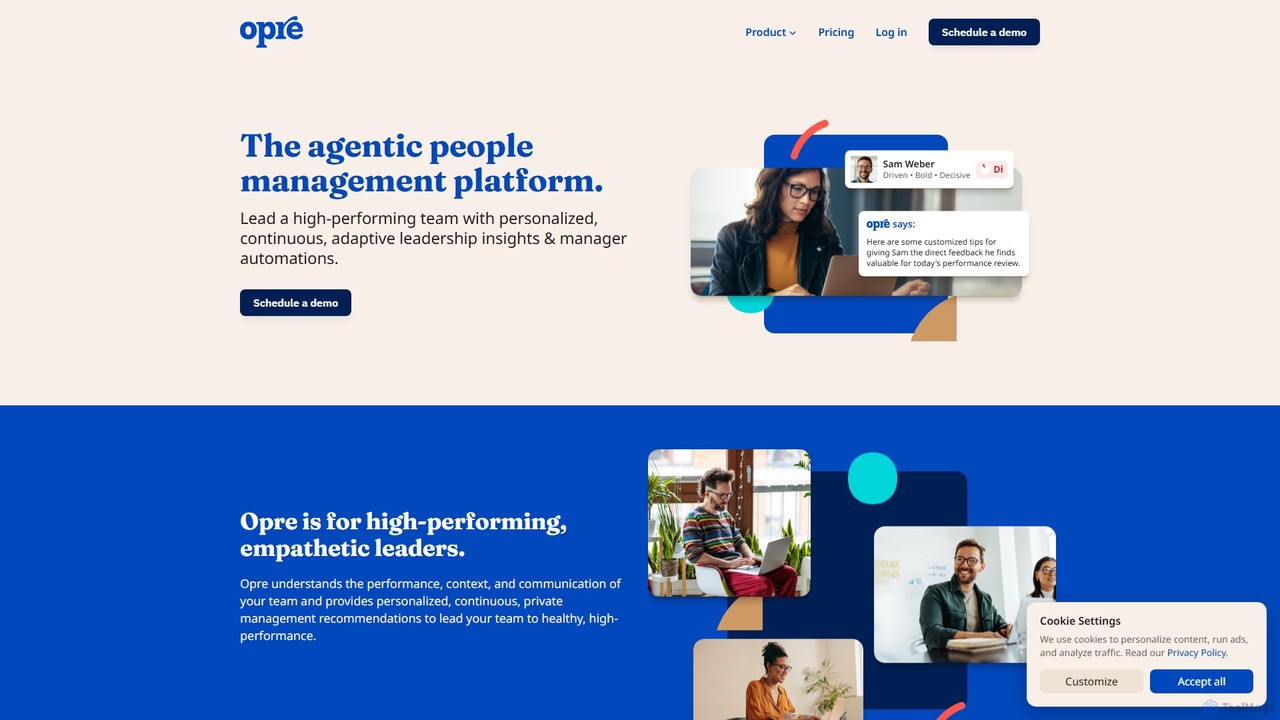
Opre is an AI-powered people management platform designed for leaders. It provides personalized coaching, automates manager tasks, and …

3.8K

About Performance Management

AI Performance Management tools are specialized platforms that use artificial intelligence to streamline and enhance how employee performance is tracked, evaluated, and developed. These tools leverage machine learning to automate goal setting, facilitate continuous feedback, and generate data-driven insights from performance data. Their primary value lies in creating a more objective, efficient, and forward-looking performance management cycle, moving beyond traditional annual reviews to foster continuous growth.

Core Features

  • Goal Management (OKR/KPI): Automates the setup, alignment, and real-time tracking of individual and team objectives.
  • Continuous Feedback & Recognition: Facilitates ongoing, multi-directional feedback collection and analyzes sentiment to gauge morale.
  • Automated Review Generation: Creates data-backed draft performance summaries for managers, saving significant administrative time.
  • Performance Analytics & Bias Detection: Identifies performance trends, skill gaps, and flags potentially biased language in written evaluations.
  • Personalized Development Plans: Recommends specific learning paths and growth opportunities based on performance data.

Use Cases

These tools are essential for HR departments, team managers, and leadership in organizations aiming for agile and fair talent management. They are particularly effective in fast-paced environments requiring dynamic goal alignment, for remote or hybrid teams needing structured feedback channels, and in large enterprises focused on data-driven succession planning and reducing evaluation bias.

How to Choose

When selecting a tool, prioritize its integration capabilities with your existing HRIS and communication platforms (e.g., Slack, Microsoft Teams). Evaluate the sophistication of its analytics and bias detection algorithms. Also, assess the user interface's intuitiveness for both managers and employees, and consider the platform's scalability and pricing model to ensure it aligns with your company's growth.

Performance ManagementUse Cases

1

Automating Quarterly Performance Reviews

An HR manager in a 500-employee company faces a significant administrative burden each quarter. By using an AI Performance Management tool, they can automatically pull data on goal completion from project management systems and feedback from communication channels. The AI generates a first draft of each employee's review, highlighting key achievements and areas for improvement. This reduces the time managers spend writing reviews by up to 60%, allowing them to focus on delivering meaningful, personalized feedback during conversations.

2

Fostering a Continuous Feedback Culture

A remote-first marketing agency struggled with infrequent and often biased feedback. Team leads now use an AI tool that prompts them for regular check-ins and encourages peer-to-peer recognition. The platform's AI analyzes the sentiment and quality of feedback, providing managers with insights on team communication patterns. This has led to a significant increase in positive feedback frequency and helps managers proactively address team morale issues before they escalate.

3

Aligning Sales Team Goals with Business Objectives

A sales director needs to ensure their team's activities directly contribute to company revenue targets (OKRs). An AI Performance Management platform integrates with their CRM (e.g., Salesforce), automatically updating progress on key results as deals are closed. This provides real-time visibility into performance, eliminates manual tracking, and helps managers quickly identify reps who may need coaching, ensuring the entire team stays aligned with strategic goals.

4

Identifying High-Potential Employees for Succession

An HR Business Partner at a large corporation is tasked with building a succession pipeline. They use an AI platform's analytics to screen performance data from the past two years. The AI identifies employees who consistently exceed goals, receive strong 360-degree feedback, and demonstrate key leadership competencies. This data-driven approach removes subjective bias and helps HR pinpoint top talent for fast-track development programs, ensuring leadership continuity.

5

Ensuring Fair and Unbiased Promotion Evaluations

A company's DEI committee wants to ensure promotion processes are equitable. They utilize an AI Performance Management tool with a bias detection feature. The AI scans all manager-written review narratives for potentially biased language related to gender, age, or recency. It flags subjective phrases and provides suggestions for more objective, behavior-based descriptions. This helps standardize the quality of evaluations and supports fairer, more defensible promotion decisions.

6

Creating Data-Driven Employee Development Plans

A Learning & Development specialist aims to provide personalized growth opportunities. After a performance cycle, an AI tool analyzes an employee's performance ratings, feedback, and self-assessment to identify specific skill gaps. For example, it might note a gap in 'project management' for a high-performing engineer. The system then automatically suggests relevant internal courses, mentorship opportunities, or external certifications, creating a tailored development plan that aligns individual growth with company needs.

Performance ManagementFrequently Asked Questions