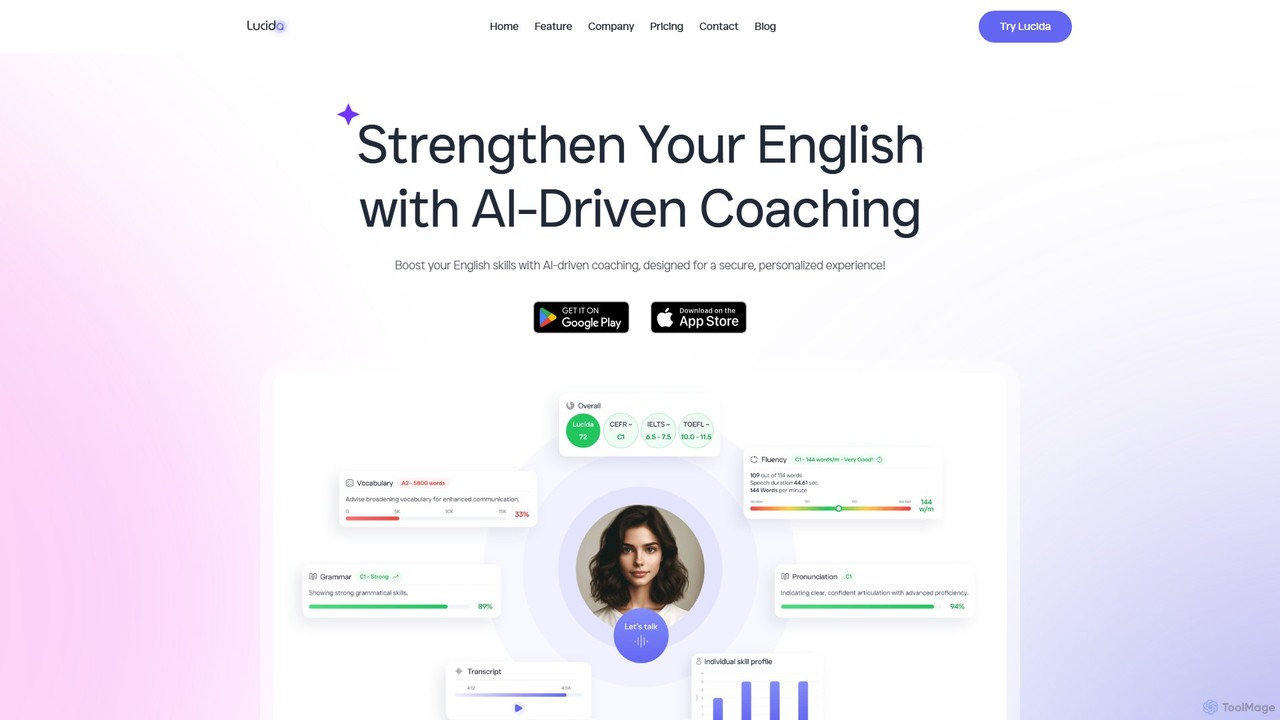
Talent Assessment tools are AI-powered solutions designed to evaluate candidates and existing employees within the broader Human Resources (HR) domain. These tools leverage advanced algorithms, machine learning, and natural language processing to objectively measure skills, personality traits, cognitive abilities, and cultural fit. They provide data-driven insights that streamline recruitment, enhance employee development, and inform strategic workforce planning, moving beyond traditional subjective evaluations.
Core Features
- Automated Screening: Efficiently analyze resumes, cover letters, and application data to identify top candidates based on predefined criteria.
- Skill & Competency Evaluation: Conduct AI-driven tests, simulations, and coding challenges to accurately assess technical and soft skills.
- Behavioral & Psychometric Analysis: Utilize AI to interpret responses from questionnaires and interviews, revealing personality traits, work styles, and cultural alignment.
- Predictive Analytics: Forecast candidate success, employee retention, and potential for growth by analyzing historical performance data.
- Bias Detection & Mitigation: Identify and help reduce unconscious bias in assessment processes, promoting fairer and more diverse hiring.
Applicable Scenarios
AI Talent Assessment tools are invaluable for HR professionals, recruiters, and hiring managers seeking to optimize their talent acquisition and management strategies. They are widely used in high-volume recruitment to quickly filter applicants, for internal mobility programs to identify suitable candidates for new roles, and in performance management to pinpoint skill gaps and training needs across an organization.
How to Choose
When selecting an AI Talent Assessment tool, consider its integration capabilities with existing Applicant Tracking Systems (ATS) and HRIS, the range and validity of assessment types offered (e.g., cognitive, personality, technical), its compliance with data privacy regulations (GDPR, CCPA), and its proven ability to detect and mitigate bias. Evaluate the clarity of its reporting and analytics, and ensure it aligns with your organization's specific assessment goals and ethical guidelines.