ToolMage
Sign in

Best 5 Employee Onboarding AI tools for Human Resources

Popular Employee Onboarding AI tools in Human Resources include WorkRamp, Try it on AI, Pedagogue, SignuluOne, and play2learn, helping you work more efficiently.

SignuluOne
Paid

SignuluOne

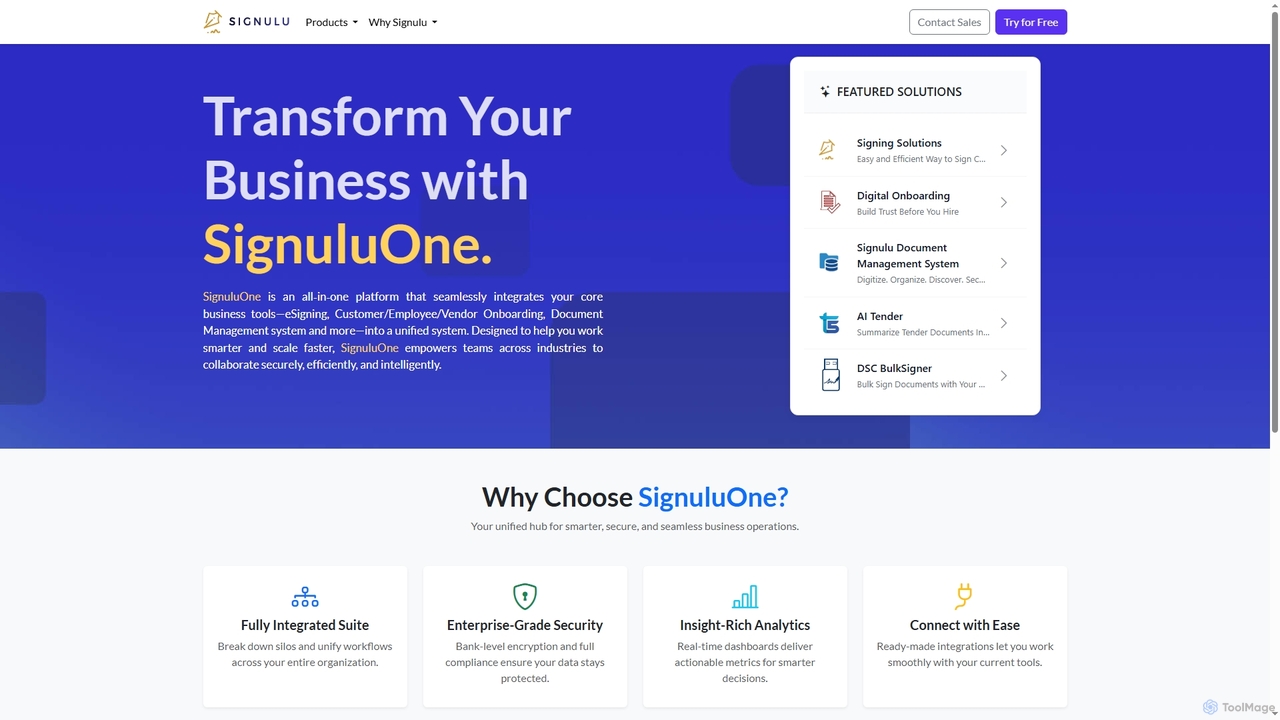
SignuluOne is an all-in-one platform designed to transform business operations by integrating core tools like eSigning, customer/employee/vendor onboarding, and document management into a unified system. It empowers teams across various industries to collaborate securely, efficiently, and intelligently, helping businesses work smarter and scale faster.

Text Summarization
Visits 5.7KFavorites 114Likes 130
Pedagogue
Paid

Pedagogue

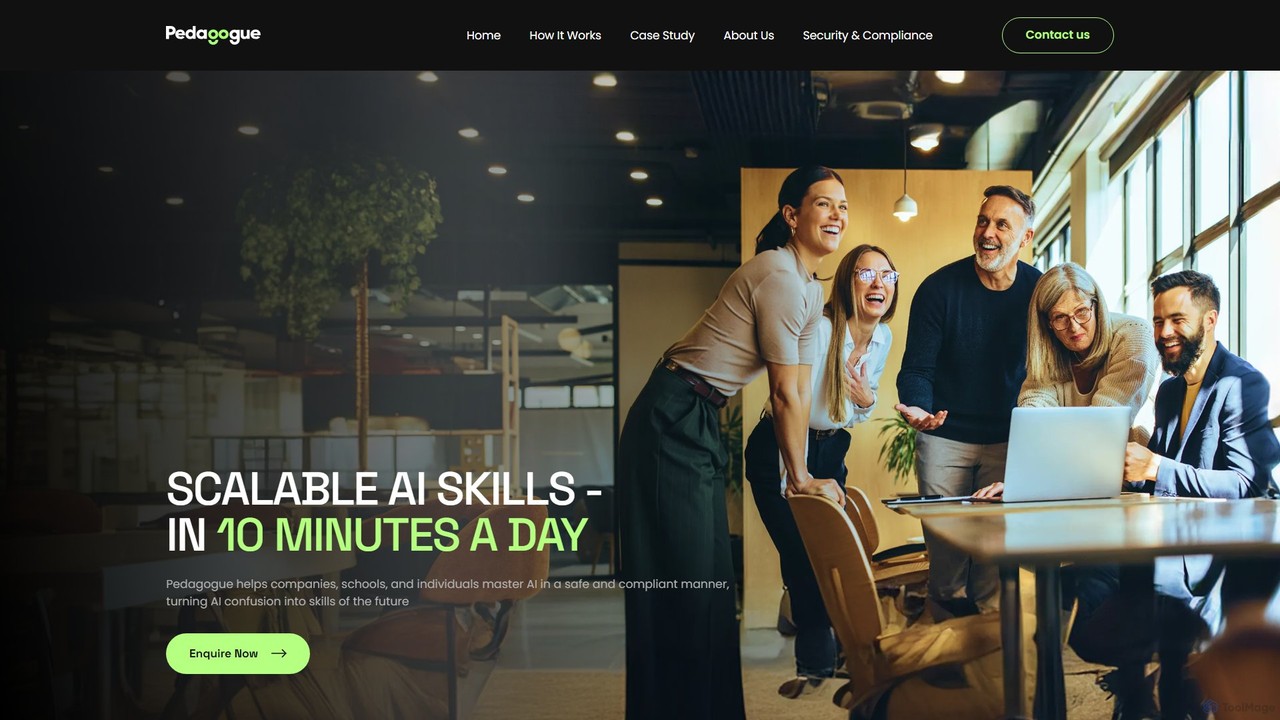
Pedagogue is an AI training platform designed for companies, schools, and individuals. It offers personalized, bite-sized micro-learning (10 minutes a day) to master AI skills safely and efficiently. The platform uses an organization's own workflows and data to create hyper-relevant training content for tools like ChatGPT and Claude. It provides a secure sandbox for practice and issues AI certifications to validate learning, turning AI confusion into tangible productivity gains.

Corporate Training
Visits 7.3KFavorites 160Likes 178
Try it on AI
Paid

Try it on AI

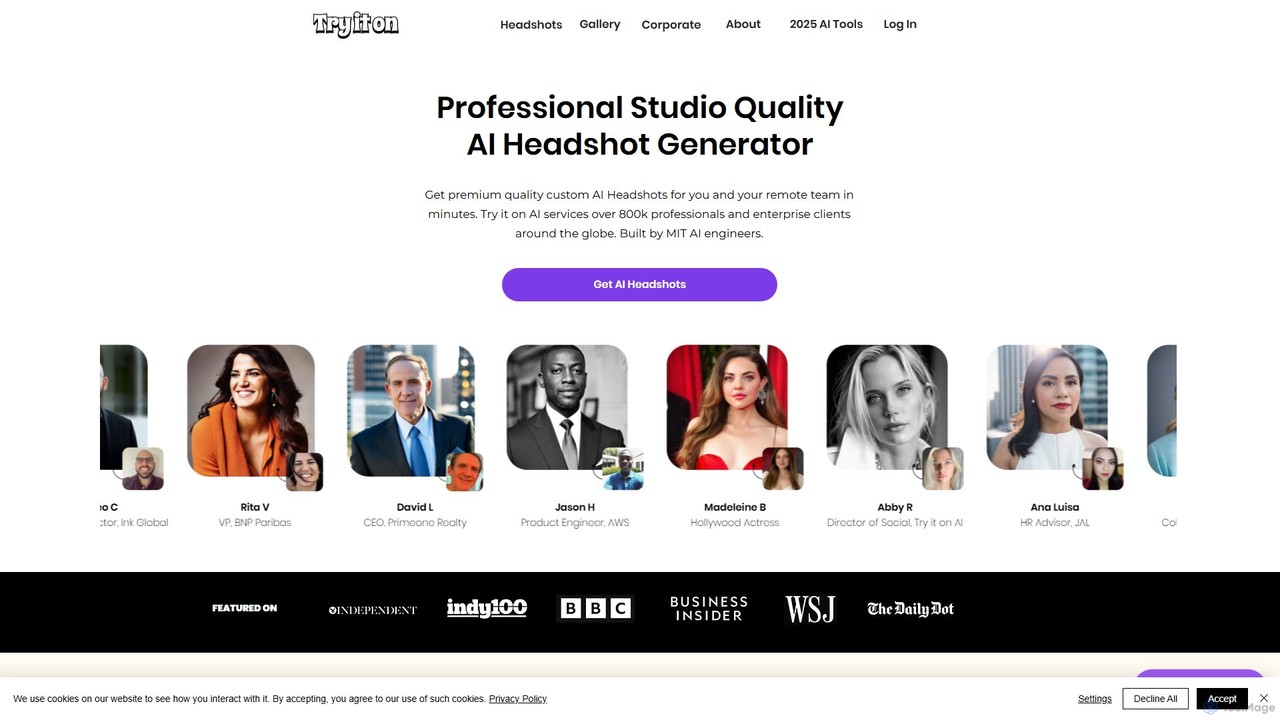
Try it on AI is a leading AI headshot generator that creates professional, studio-quality portraits from your selfies in minutes. Built by MIT AI engineers, it's designed for individuals and remote teams to produce custom, on-brand headshots effortlessly. Get hundreds of styles for LinkedIn, corporate websites, and marketing materials without a physical photoshoot.

Employee Onboarding
Visits 18.9KFavorites 132Likes 112
WorkRamp
Paid

WorkRamp

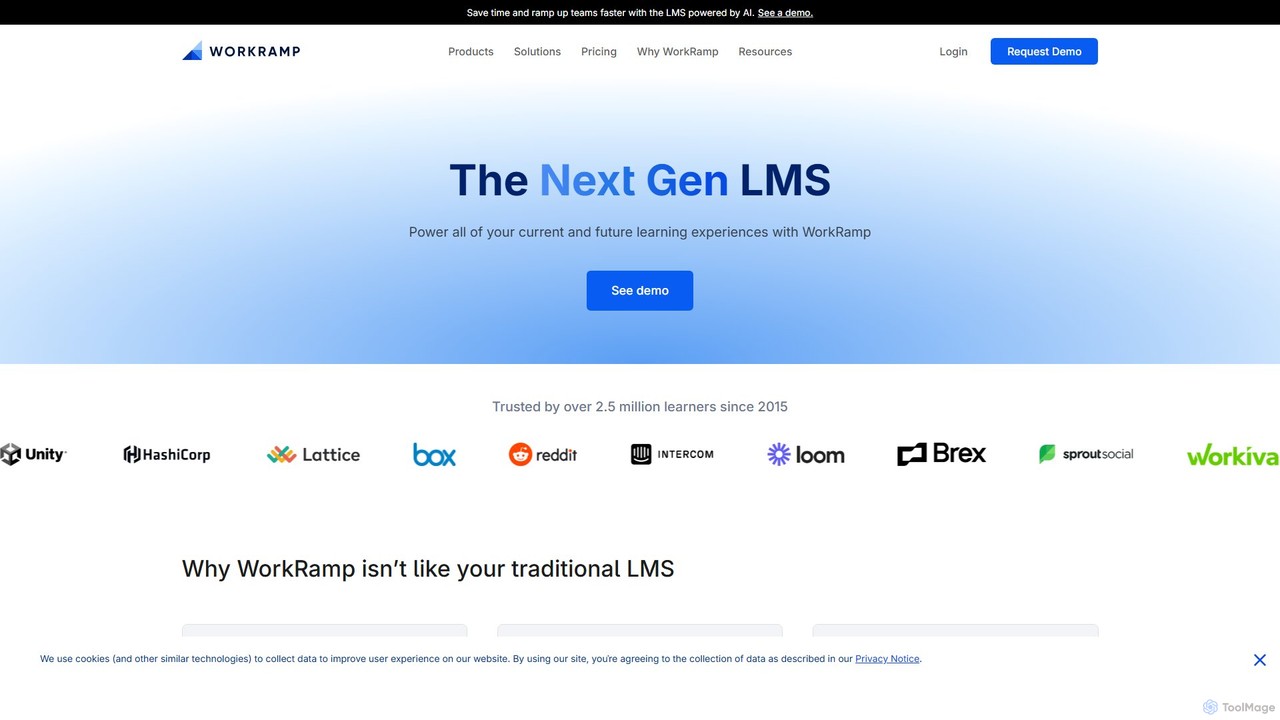
WorkRamp is an AI-powered, all-in-one Learning Management System (LMS) designed for modern businesses. It enables companies to create, deliver, and manage comprehensive training programs for employees, customers, and partners, driving growth and development across the entire organization.

Customer Education
Visits 171.3KFavorites 164Likes 152
play2learn
Freemium

play2learn

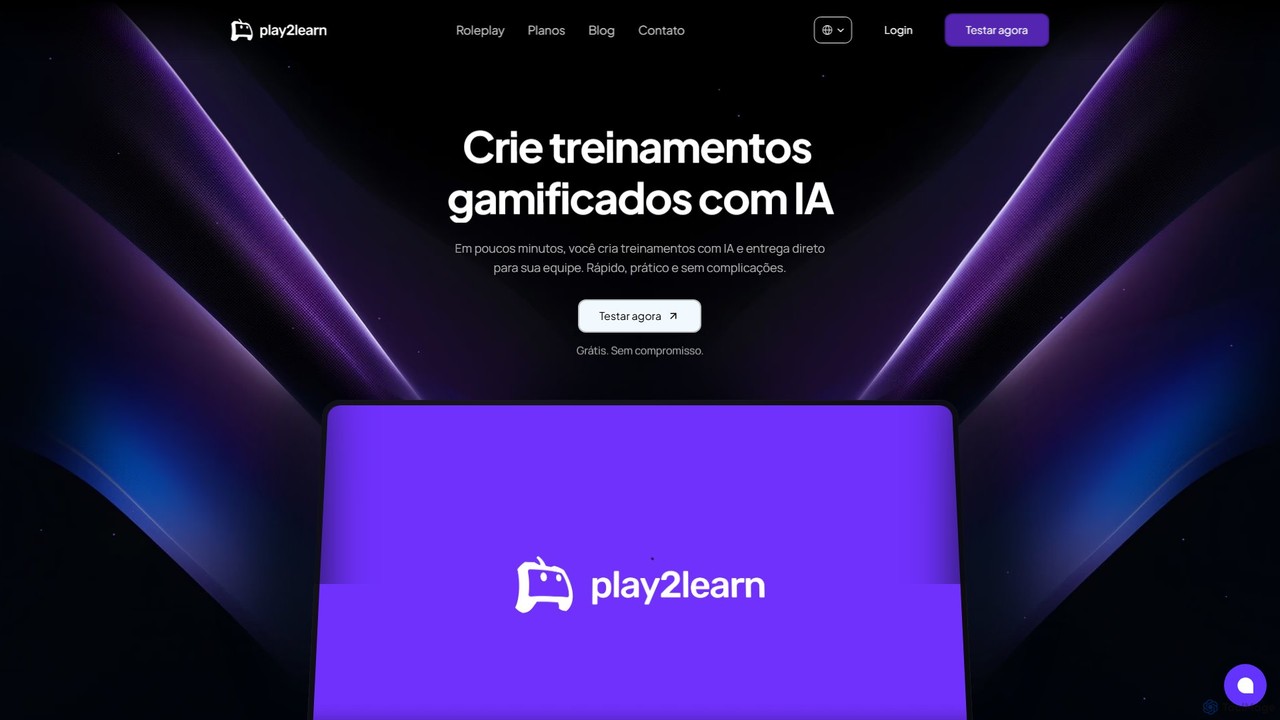
play2learn is an AI-powered platform that transforms corporate training by creating engaging, gamified experiences. In minutes, it converts any content into interactive games, quizzes, and roleplay simulations, providing real-time data to track team performance and drive strategic decisions.

Corporate Training
Visits 5.5KFavorites 139Likes 144

About Employee Onboarding

AI Employee Onboarding tools are specialized platforms that automate and personalize the process of integrating new hires into an organization. These tools leverage AI to create tailored onboarding journeys, from pre-boarding paperwork to post-hire performance tracking. They significantly improve new hire engagement, reduce administrative workload for HR teams, and accelerate the time it takes for new employees to become fully productive. By analyzing role requirements and individual learning styles, these platforms deliver a consistent and efficient onboarding experience at scale.

Core Features

  • Personalized Onboarding Paths: AI generates customized 30-60-90 day plans with relevant tasks, training modules, and introductions for each new hire.
  • Automated Document Management: Streamlines the collection, verification, and storage of new hire paperwork using OCR and NLP.
  • AI-Powered Chatbots & Buddies: Provides new hires with 24/7 access to an AI assistant that answers common questions about company policies, tools, and culture.
  • Engagement & Progress Analytics: Tracks new hire progress, measures engagement levels, and provides predictive insights to identify at-risk employees.
  • Automated Task & Workflow Triggering: Automatically initiates tasks for IT, payroll, and managers, such as equipment provisioning and system access requests.

Use Cases

These tools are primarily used by HR departments, hiring managers, and department heads in mid-to-large sized companies. They are particularly valuable for organizations with high-volume hiring, remote or hybrid work models, or those looking to standardize a fragmented onboarding process. Common scenarios include automating pre-boarding for remote workers, ensuring compliance training is completed, and providing consistent onboarding across different global offices.

How to Choose

When selecting an AI Employee Onboarding tool, consider its integration capabilities with your existing HRIS, ATS, and LMS. Evaluate the level of customization available for workflows and content to match your company culture. Assess the robustness of its analytics and reporting features to measure ROI. Finally, consider the user experience for both administrators and new hires, as a simple and intuitive interface is key to adoption.

Employee Onboarding use cases

1

Automate Pre-Boarding Paperwork for Remote Hires

For HR administrators in a globally distributed company, managing pre-boarding paperwork across different time zones is a significant challenge. By using an AI Employee Onboarding tool, they can automate the entire process. The system automatically sends out personalized welcome packets, digital contracts, and tax forms based on the new hire's location. It uses OCR to verify submitted documents, flags any missing information, and securely stores everything in the employee's digital file, reducing manual data entry by over 90% and ensuring Day 1 readiness for all remote employees.

2

Create Personalized 30-60-90 Day Plans

A hiring manager for a fast-growing tech team needs to ensure new software engineers ramp up quickly. Instead of manually creating a generic plan, the manager uses an AI onboarding tool. They input the role (e.g., Senior Backend Engineer), team, and key projects. The AI then generates a detailed 90-day plan, including specific codebase sections to review, introductory meetings with key stakeholders, relevant training modules, and initial coding tasks. This personalized plan accelerates learning, clarifies expectations, and provides a clear roadmap for success from the very beginning.

3

Provide 24/7 Support with an AI Onboarding Buddy

A new employee, especially in a remote setting, often has numerous questions about company policies, IT setup, or finding resources. Instead of waiting for their manager or a colleague to be available, they can interact with an AI-powered onboarding chatbot. They can ask questions like "How do I set up my VPN?" or "Where can I find the brand guidelines?". The AI buddy provides instant, accurate answers by drawing from the company's knowledge base, freeing up human colleagues' time and empowering the new hire to find information independently and confidently.

4

Automate IT Equipment and Software Provisioning

An IT department in a large corporation handles hundreds of new hire requests each month. Manually tracking and fulfilling these is prone to errors and delays. With an AI onboarding tool integrated into their IT service management (ITSM) system, the process is automated. Once HR marks a candidate as 'hired', the system automatically creates tickets to provision a laptop, create email and system accounts (like Salesforce or Jira) based on the new hire's role and department. This ensures all necessary equipment and access are ready on day one, eliminating frustrating delays for new employees.

5

Track New Hire Engagement and Identify Risks

An HR leader wants to proactively address new hire turnover. They use the analytics dashboard of their AI onboarding platform. The system tracks metrics like task completion rates, training module engagement, and sentiment from check-in surveys. The AI identifies a new hire in the sales team with very low engagement and a negative sentiment trend. It alerts the HR business partner and the manager, suggesting a check-in meeting. This early, data-driven intervention allows them to address the new hire's concerns, provide additional support, and potentially prevent an early departure.

6

Standardize Onboarding Across Global Offices

A multinational company struggles with inconsistent onboarding experiences between its offices in New York, London, and Tokyo. Using a centralized AI onboarding platform, the Head of HR can design a global template that includes core company values, compliance training, and executive welcome videos. The AI then localizes specific content, such as regional policies and benefits information, and translates materials automatically. This ensures every new hire, regardless of location, receives a consistent core onboarding experience while also getting information relevant to their specific office, creating a unified company culture.

Employee Onboarding FAQ

What are AI Employee Onboarding tools?

AI Employee Onboarding tools are software platforms that use artificial intelligence to automate, personalize, and streamline the process of integrating new hires. Unlike traditional checklists, they create dynamic, role-specific journeys for each employee. Key features often include automated paperwork, personalized learning paths generated by AI, 24/7 chatbot support for new hire questions, and predictive analytics to track engagement and identify potential issues before they escalate.

How do I choose the right AI onboarding tool?

Choosing the right tool depends on your specific needs. Consider the following factors:

  • Integration: Does it integrate seamlessly with your existing Human Resource Information System (HRIS), Applicant Tracking System (ATS), and Learning Management System (LMS)?
  • Customization: Can you easily customize workflows, content, and branding to match your company's unique culture and processes?
  • User Experience: Is the interface intuitive and engaging for new hires, managers, and HR administrators?
  • Analytics: Does it provide actionable insights into new hire engagement, progress, and potential turnover risks?
  • Scalability: Can the platform support your company's growth, including handling multiple languages and global locations?
What's the difference between AI onboarding and traditional onboarding software?

The key difference is personalization and proactivity. Traditional onboarding software often acts as a digital checklist, guiding users through a static, one-size-fits-all process. AI onboarding tools, on the other hand, are dynamic. They use machine learning to adapt the experience to the individual, suggest relevant content, predict where a new hire might struggle, and provide instant, contextual support through chatbots. This leads to a more engaging, efficient, and supportive experience that accelerates a new hire's time-to-productivity.

What key features should I look for in an AI onboarding platform?

Beyond the basics, look for features that drive a superior experience. Key features include:

  • Personalized Workflows: The ability for AI to automatically generate and assign tasks based on role, department, and location.
  • AI-Powered Content Recommendations: Systems that suggest relevant training articles, videos, or mentors to new hires.
  • Intelligent Chatbot: A chatbot that can understand natural language to answer complex questions, not just respond to keywords.
  • Predictive Analytics: Dashboards that don't just report on past activity but also predict future outcomes, like engagement scores or flight risk.
  • Automated Scheduling: Tools that can automatically schedule introductory meetings with team members and key stakeholders, saving administrative time.
How do AI tools improve the new hire experience?

AI tools transform the new hire experience from a passive, administrative process into an active, engaging journey. They provide immediate answers to questions, reducing anxiety and confusion. By personalizing content and tasks, they make the onboarding process feel relevant and tailored to the individual, rather than generic. Furthermore, automated reminders and clear progress tracking give new hires a sense of accomplishment and clarity on what's expected of them. This high-touch, personalized approach leads to higher engagement, a stronger sense of belonging, and faster integration into the company culture.