Human Resources Best in category 5 results Recruitment Automation AI Tool

Popular AI tools in the Recruitment Automation field of Human Resources include CV Shortlist、Bling、Aiviue、SmartHireFlow、TalentSprout, etc., helping you quickly improve efficiency.

CV Shortlist

CV Shortlist

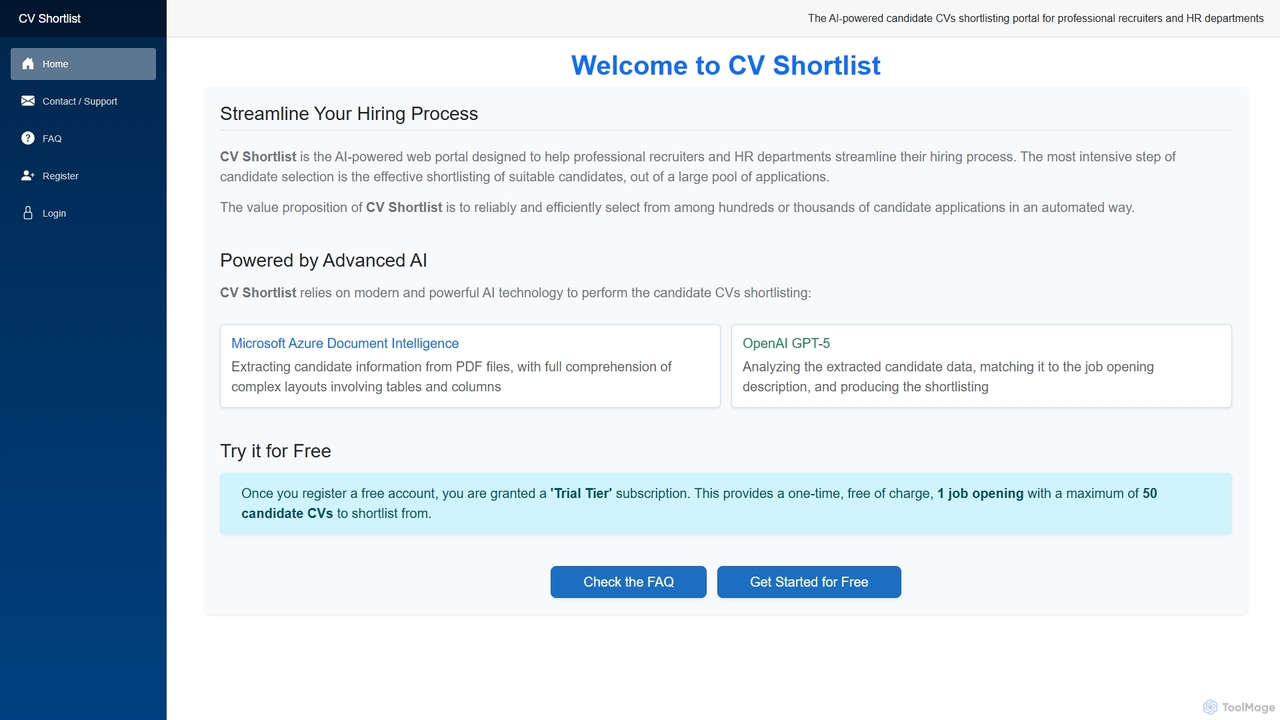
CV Shortlist is an AI-powered web portal designed to revolutionize the hiring process for professional recruiters and HR …

35.1K
Bling

Bling

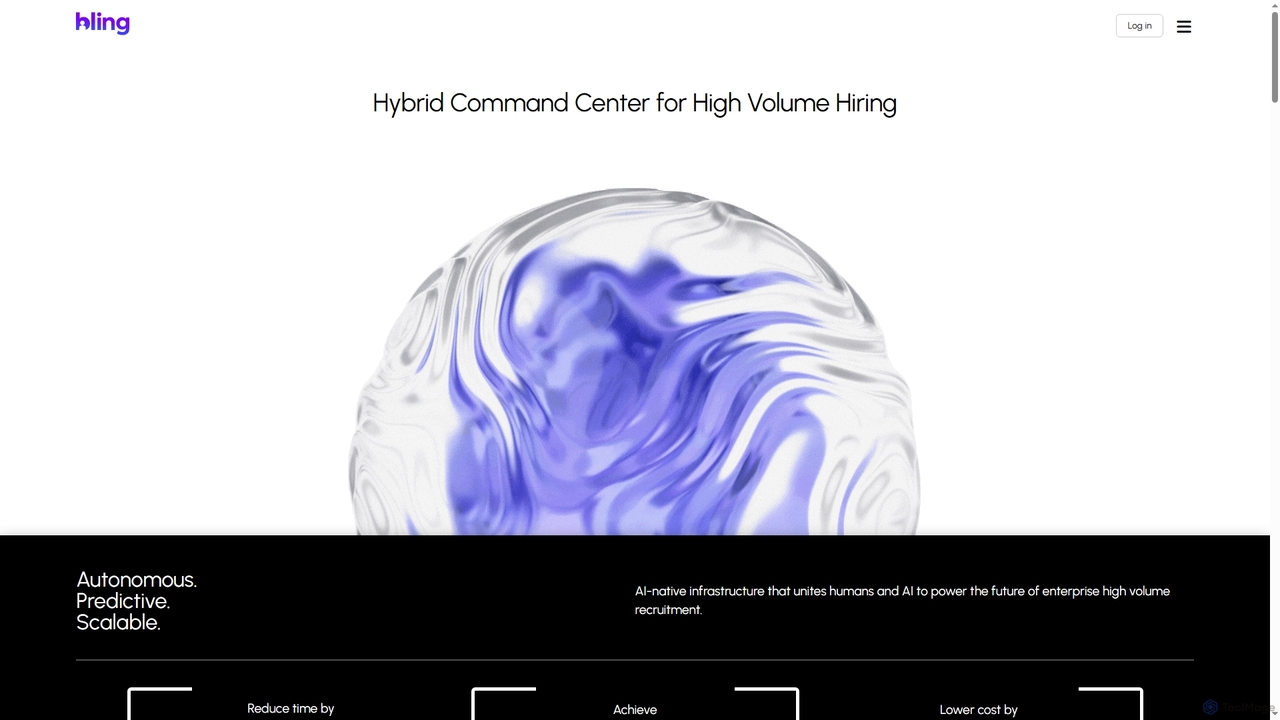
Bling is an enterprise-grade AI platform designed to revolutionize high-volume recruitment by automating, monitoring, and optimizing the entire …

12.3K
SmartHireFlow

SmartHireFlow

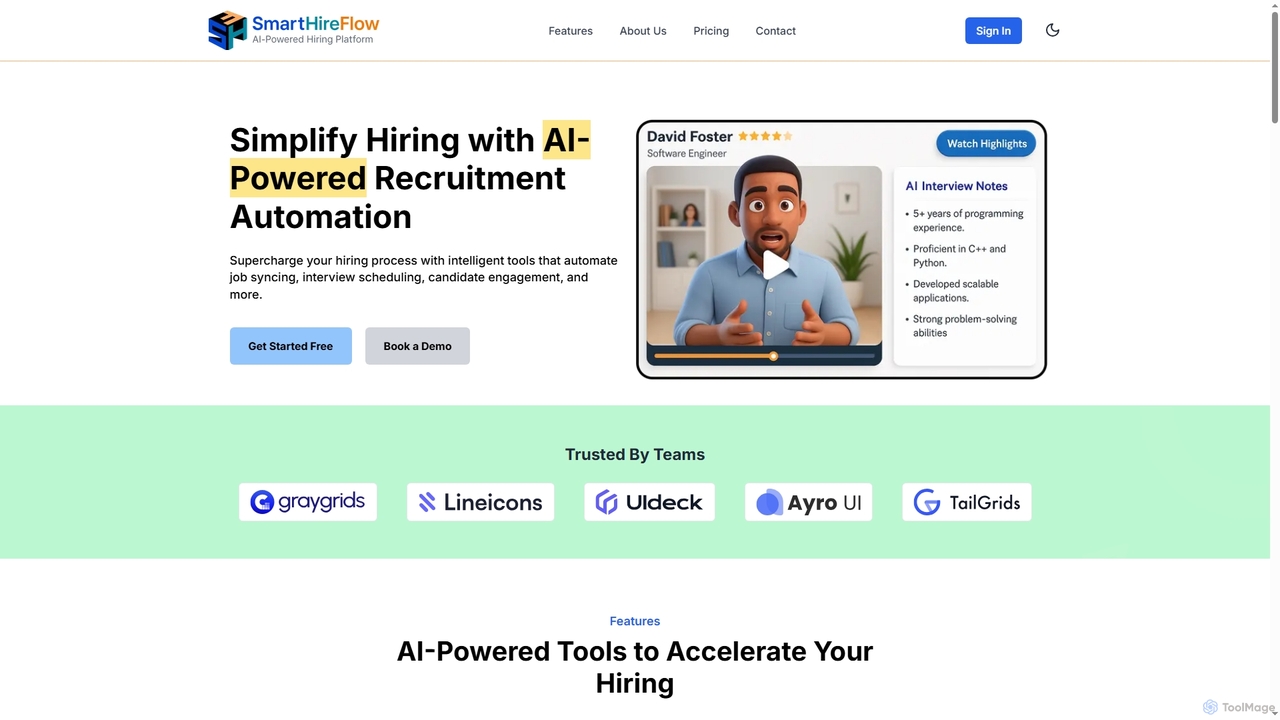
SmartHireFlow is an AI-powered recruitment automation platform designed to streamline and accelerate the hiring process. It offers intelligent …

3.1K
TalentSprout

TalentSprout

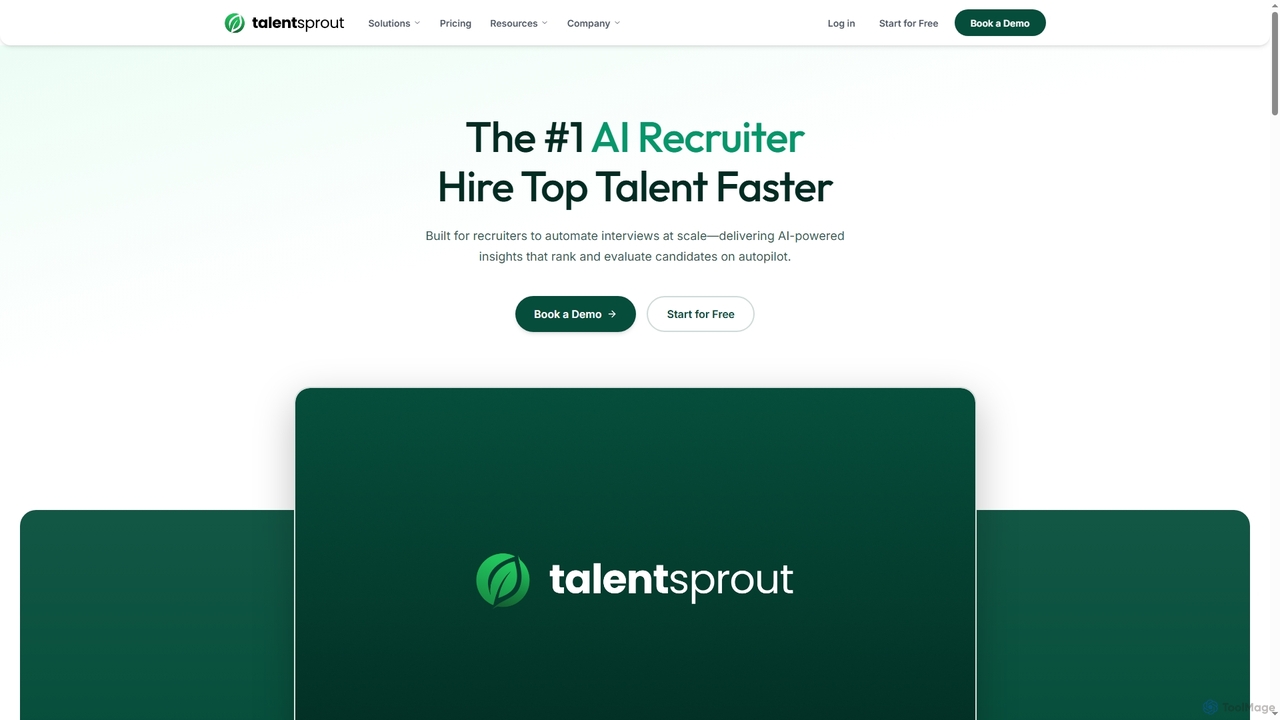
TalentSprout is an AI-powered recruitment platform that automates candidate screening and evaluation. It enables recruiters to conduct human-quality, …

3.1K
Aiviue

Aiviue

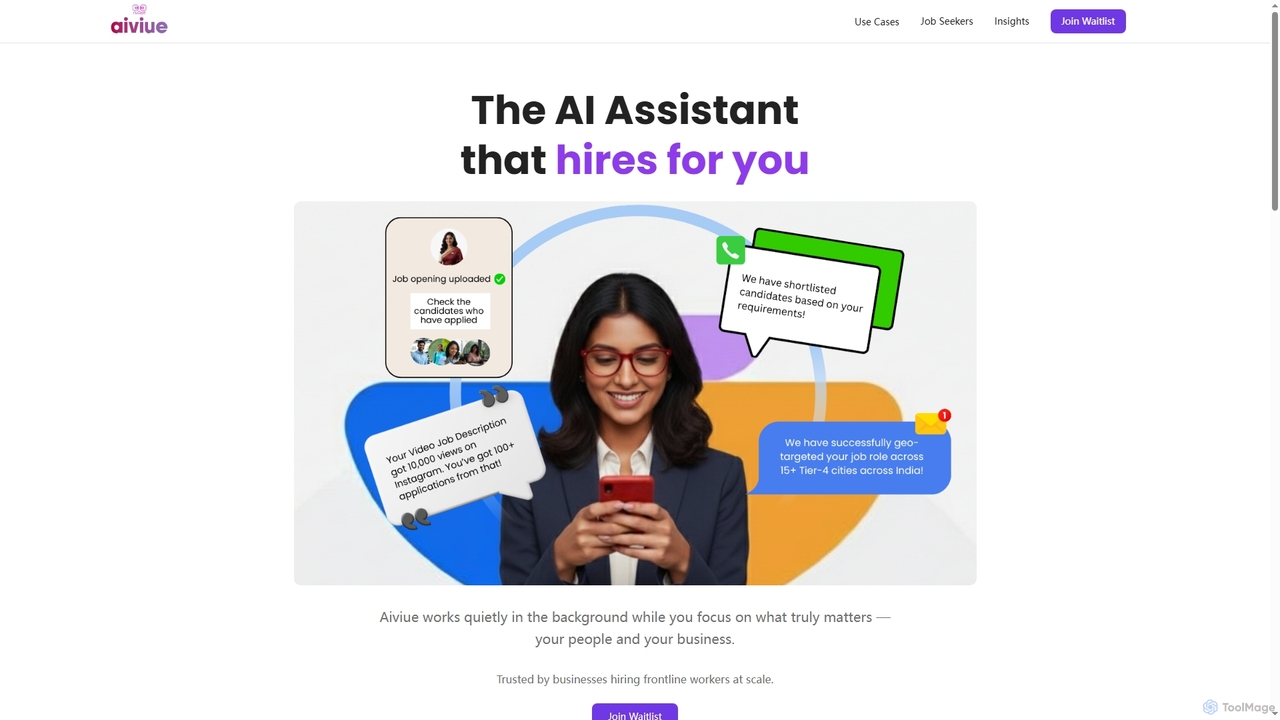
Aiviue is an AI hiring copilot designed to automate and accelerate recruitment for frontline teams across various industries. …

3.2K

About Recruitment Automation

Recruitment Automation tools are AI-powered platforms designed to streamline and automate the hiring lifecycle. They leverage technologies like machine learning and natural language processing (NLP) to handle repetitive, high-volume tasks such as resume screening, candidate sourcing, and interview scheduling. By automating these administrative functions, these tools enable HR teams to accelerate the time-to-hire, reduce manual workload, and focus on more strategic aspects like candidate engagement and final decision-making. They also help in making more data-driven and consistent hiring choices.

Core Features

  • AI-Powered Resume Screening: Automatically parses and ranks resumes based on job requirements, skills, and experience.
  • Automated Candidate Sourcing: Proactively identifies and engages potential candidates from various online platforms and talent pools.
  • Intelligent Interview Scheduling: Coordinates calendars between candidates and hiring managers to find and book optimal interview times automatically.
  • Applicant Communication Automation: Sends personalized, automated updates, acknowledgements, and rejection notifications to candidates.
  • Recruitment Chatbots: Provides 24/7 support to applicants on career sites, answering common questions and pre-screening candidates.

Use Cases

Recruitment Automation is particularly effective for organizations with high-volume hiring needs, such as in retail, hospitality, and customer service sectors. Tech companies and large enterprises use it to standardize their recruitment processes, reduce unconscious bias, and efficiently source specialized talent. Recruitment agencies also leverage these tools to manage multiple clients and a large pipeline of candidates simultaneously, improving both speed and quality of placements.

How to Choose

When selecting a Recruitment Automation tool, first consider its integration capabilities with your existing Applicant Tracking System (ATS) and other HR software. Evaluate the sophistication of its AI, particularly its accuracy in resume parsing and candidate matching. Assess the level of customization available for workflows and communication templates. Finally, prioritize platforms that offer a positive candidate experience and provide robust analytics to track recruitment metrics and ensure fair hiring practices.

Recruitment AutomationUse Cases

1

Screening High-Volume Applications

A corporate recruiter for a national retail chain is tasked with filling 200 seasonal positions. They receive over 3,000 applications. Instead of manually reading each resume, they use a recruitment automation tool. The AI parses all resumes, scores them against predefined criteria like availability and relevant experience, and presents a shortlist of the top 250 qualified candidates. This reduces the screening time from several weeks to just a few hours, allowing the recruiter to focus on conducting interviews.

2

Automating Interview Scheduling

An HR coordinator at a fast-growing tech company needs to schedule panel interviews for a software engineer role, involving three interviewers with conflicting schedules. Using an automation tool, the coordinator sets the interview parameters (duration, participants). The tool syncs with the interviewers' calendars, identifies common availability, and sends the candidate a link to choose their preferred slot. Once selected, the tool automatically sends calendar invites to all parties, including a video conferencing link, eliminating back-and-forth emails.

3

Proactive Sourcing of Passive Candidates

A talent acquisition specialist is searching for a data scientist with a rare combination of skills. Instead of waiting for applications, they use an AI sourcing tool. The tool scans professional networks, code repositories, and academic publications to identify individuals who match the skill profile but are not actively looking for a job. It then helps draft a personalized outreach message based on the candidate's public profile and project history, significantly increasing the response rate from these high-value, passive candidates.

4

Improving Candidate Experience with AI Chatbots

A multinational corporation's career page receives thousands of visits daily. To manage inquiries, they implement a recruitment chatbot. The chatbot operates 24/7, answering candidates' questions about job openings, company culture, benefits, and application status. It can also pre-screen candidates by asking basic qualification questions. This provides instant engagement for applicants, improves their overall experience, and frees up the HR team from answering repetitive queries, allowing them to focus on qualified candidates.

5

Standardizing Initial Screening to Reduce Bias

A large financial institution aims to improve diversity and reduce unconscious bias in its hiring process. They use a recruitment automation platform to conduct initial screenings. The tool anonymizes resumes by removing names and demographic information. It then administers a standardized skills assessment or a structured text-based interview to all applicants for a specific role. This ensures every candidate is evaluated on the same objective criteria, promoting fairer and more consistent decision-making in the early stages of recruitment.

6

Automating Candidate Communication and Updates

A recruitment agency handles hundreds of applications daily for various clients. To maintain a professional brand and ensure no candidate is ignored, they use an automation tool. The system automatically sends an acknowledgement email upon receiving an application. It also sends automated updates when a candidate's status changes (e.g., 'shortlisted for interview' or 'position filled'). For rejected candidates, it sends a polite, personalized rejection email. This consistent communication improves the candidate experience and protects the agency's reputation.

Recruitment AutomationFrequently Asked Questions