ToolMage
Sign in

Best 3 Training & Development AI tools for Human Resources

Popular Training & Development AI tools in Human Resources include Certiverse, LEADx, and Traincoach.app, helping you work more efficiently.

Traincoach.app
Freemium

Traincoach.app

Traincoach.app is an AI-powered platform for corporate training and employee development. It automates course creation, provides personalized learning paths, and uses interactive simulations to enhance skills. Ideal for onboarding, sales, and leadership training, it helps organizations build a more competent and efficient workforce.

Corporate Learning
Visits 5.4KFavorites 157Likes 162
Certiverse
Paid

Certiverse

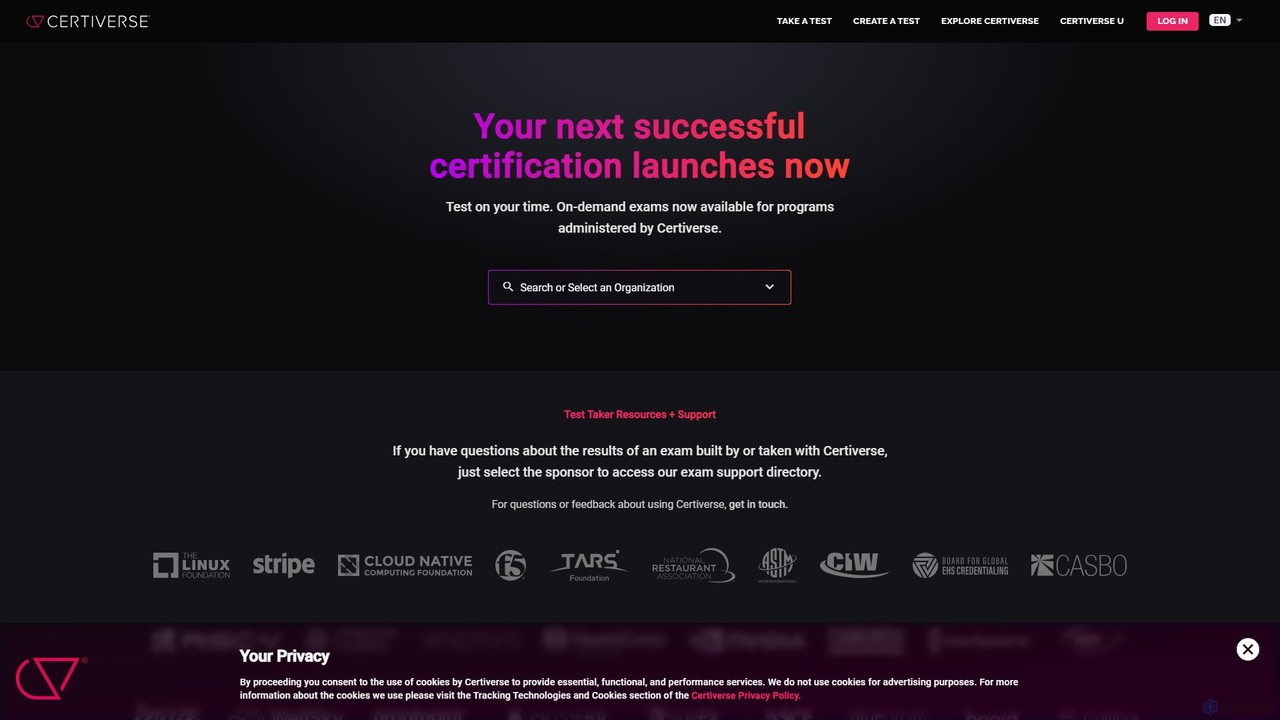
Certiverse is an AI-powered, end-to-end platform that revolutionizes certification exam development. It enables organizations to create and launch high-quality, psychometrically sound exams in weeks instead of months, at a fraction of the cost of traditional methods by leveraging a global network of subject matter experts for asynchronous content creation.

Certification Management
Visits 68.8KFavorites 123Likes 126
LEADx
Paid

LEADx

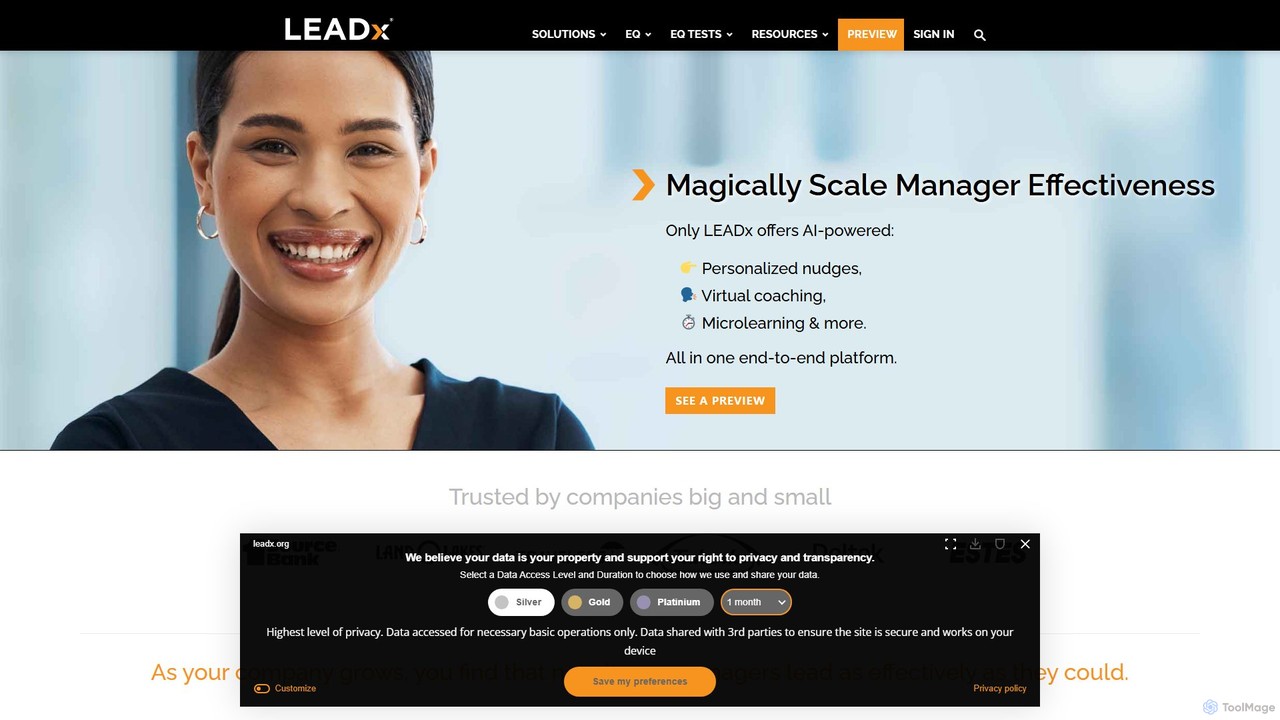
LEADx is an AI-powered leadership development platform designed to scale personalized coaching for managers. Featuring an AI coach named Amanda, it helps new and experienced leaders master essential skills, improve emotional intelligence (EQ), and drive team engagement and performance.

Leadership
Visits 34.9KFavorites 160Likes 171

About Training & Development

AI-powered Training & Development tools are specialized platforms that leverage artificial intelligence to enhance learning experiences and skill acquisition within organizations. These tools utilize machine learning, natural language processing, and data analytics to personalize training content, automate administrative tasks, and provide intelligent insights into employee performance. They are designed to optimize corporate learning, accelerate professional growth, and ensure workforce readiness in a rapidly evolving business landscape, falling under the broader Human Resources technology umbrella.

Core Features

  • Personalized Learning Paths: AI algorithms adapt content and pace to individual learner needs and progress.
  • AI-powered Content Creation: Automatically generates or curates relevant training materials, quizzes, and simulations.
  • Performance Analytics & Feedback: Provides deep insights into learner engagement, comprehension, and skill gaps, offering targeted feedback.
  • Automated Administration: Streamlines scheduling, enrollment, progress tracking, and certification processes.
  • Virtual Coaching & Mentoring: Offers AI-driven guidance and support, simulating human interaction for skill development.

Applicable Scenarios

These tools are invaluable for HR departments, learning & development specialists, and team leaders. They are used for efficient onboarding of new hires with tailored programs, upskilling and reskilling existing staff to meet evolving job requirements, and ensuring continuous compliance training with adaptive, engaging modules across various industries.

How to Choose

When selecting an AI Training & Development tool, consider its customization and personalization capabilities to match diverse learning styles. Evaluate its integration potential with existing HRIS or LMS, the robustness of its data analytics and reporting features for measuring impact, and its scalability to accommodate organizational growth. User experience and the level of technical support are also crucial factors.

Training & Development use cases

1

Personalized Onboarding for New Hires

HR teams use AI tools to create dynamic onboarding journeys for new employees. The AI assesses prior knowledge and role requirements, then delivers customized modules, resources, and interactive simulations, ensuring faster integration and productivity while reducing manual setup time.

2

Adaptive Skill Gap Analysis & Upskilling

Organizations deploy AI platforms to continuously analyze employee skill sets against current and future job demands. The AI identifies specific skill gaps, recommends personalized learning paths, and provides adaptive training content to upskill employees for new roles or emerging technologies, fostering continuous professional growth.

3

Automated & Engaging Compliance Training

Companies leverage AI to automate mandatory compliance training, such as data privacy or workplace safety. The AI adapts the training content based on learner engagement and comprehension, uses gamification elements, and provides real-time feedback, making compliance more effective and less tedious for employees.

4

Rapid Product Knowledge Training for Sales Teams

Sales departments utilize AI tools to quickly train their teams on new product launches or updates. The AI generates interactive modules, quizzes, and role-playing simulations based on product specifications, allowing sales professionals to rapidly acquire and retain critical information, improving sales effectiveness.

5

Leadership Development with Virtual Coaching

Managers and aspiring leaders engage with AI-powered virtual coaches to develop soft skills like communication, decision-making, and conflict resolution. The AI provides personalized feedback on practice scenarios, suggests relevant learning resources, and tracks progress, offering a scalable and confidential coaching solution.

6

Technical Skill Development for IT Professionals

IT departments use AI-driven platforms to provide hands-on, adaptive training for complex technical skills, such as cloud computing or cybersecurity. The AI creates simulated environments, offers real-time coding assistance, and adjusts challenges based on performance, ensuring IT professionals stay ahead in a fast-evolving tech landscape.

Training & Development FAQ

What are AI Training & Development tools?

AI Training & Development tools are software solutions that integrate artificial intelligence to optimize corporate learning and employee skill enhancement. They go beyond traditional learning management systems by offering features like personalized content delivery, adaptive learning paths, intelligent performance analytics, and automated administrative tasks, aiming to make training more efficient, engaging, and impactful for individuals and organizations.

How to choose the best AI Training & Development platform?

To select the best platform, evaluate its personalization capabilities to cater to diverse learning styles and roles. Consider its integration with existing HR systems, the depth of its analytics for tracking ROI, and its scalability for future growth. Also, assess the user interface for ease of use, the quality of support, and the security measures for sensitive employee data.

What are the main benefits of using AI in training and development?

The primary benefits include highly personalized learning experiences that adapt to individual needs, leading to improved engagement and retention. AI automates repetitive administrative tasks, freeing up L&D teams. It also provides data-driven insights into skill gaps and training effectiveness, enabling more strategic decision-making and fostering a culture of continuous learning and development.

How do AI Training & Development tools differ from traditional LMS?

While traditional Learning Management Systems (LMS) primarily manage and deliver static content, AI Training & Development tools offer dynamic, adaptive, and intelligent learning experiences. AI platforms personalize content, provide real-time feedback, automate content creation, and offer predictive analytics, transforming passive learning into an active, data-driven, and highly customized journey, unlike the more administrative focus of a standard LMS.

What are the future trends in AI for training and development?

Future trends include deeper integration of generative AI for on-demand content creation and scenario simulations, advanced virtual and augmented reality (VR/AR) for immersive training experiences, and sophisticated AI coaches providing real-time, context-aware feedback. Expect more predictive analytics to anticipate skill needs, hyper-personalization down to micro-learning modules, and seamless integration with daily workflows for continuous, embedded learning.