Image Best in category 1 results Storyboarding AI Tool

Popular AI tools in the Storyboarding field of Image include thefluxtrain, etc., helping you quickly improve efficiency.

thefluxtrain

thefluxtrain

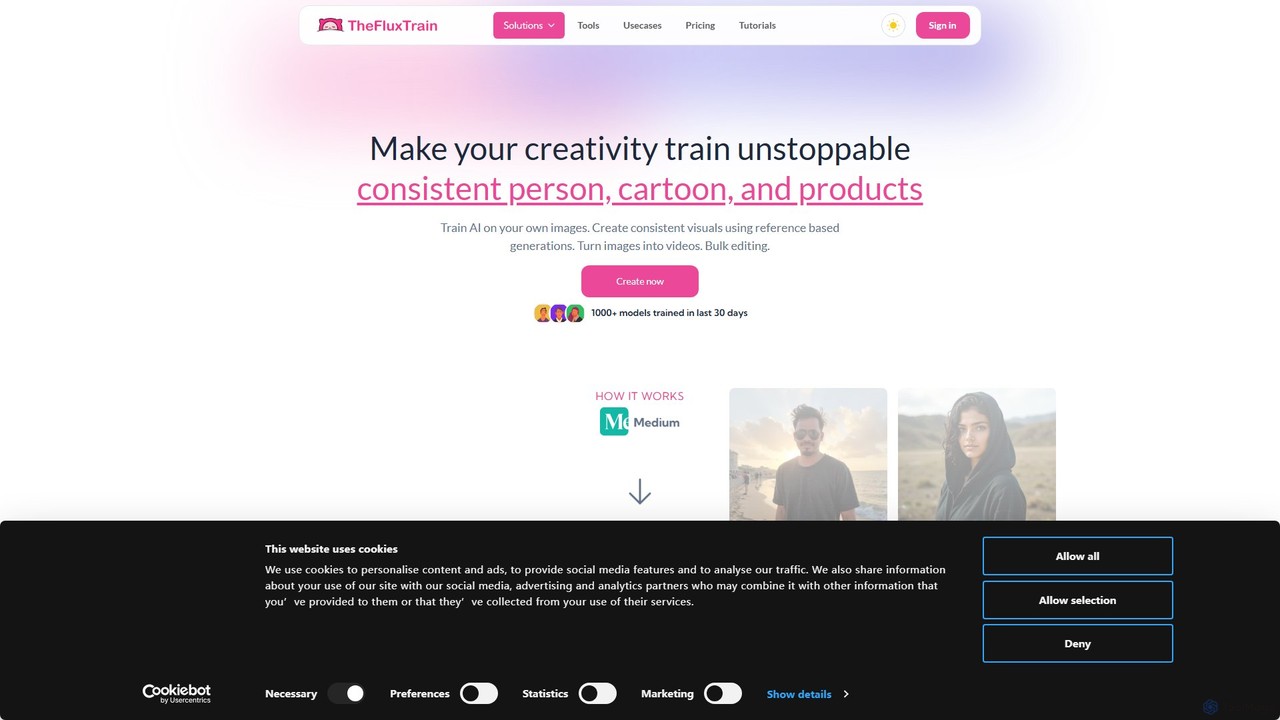
thefluxtrain is an AI-powered platform that transforms text into personalized visual stories. It enables creators, marketers, and educators …

5.3K

About Storyboarding

AI Storyboarding tools are specialized applications that automatically generate a sequence of visual panels from text scripts or descriptions. Leveraging generative AI, these tools interpret narrative context, character actions, and scene settings to create a coherent visual story. They are valuable for filmmakers, animators, and marketers to rapidly pre-visualize concepts, iterate on ideas, and streamline the pre-production workflow. This focus on sequential narrative distinguishes them from single-image generation tools within the broader image category.

Core Features

  • Script-to-Sequence Generation: Automatically converts screenplay formats or plain text into a series of corresponding visual panels.
  • Character & Style Consistency: Maintains the appearance of characters and a consistent artistic style across multiple scenes.
  • Camera Angle & Shot Control: Allows users to specify cinematic directives like "close-up," "wide shot," or "over-the-shoulder."
  • Panel Organization & Editing: Provides an interface to reorder, edit, or regenerate individual panels within the sequence.

Use Cases

These tools are widely used in the film, animation, and advertising industries for pre-production. Game developers use them to visualize cutscenes, while content creators plan video narratives. They are also valuable for authors and UX designers creating visual journeys and product flows.

How to Choose

When selecting a tool, consider its ability to maintain character consistency, the range of supported art styles, and the level of control over camera angles and composition. Also, evaluate its script parsing capabilities, export options (e.g., PDF, video), and collaboration features for team projects.

StoryboardingUse Cases

1

Rapid Pre-visualization for Film and Animation

A director or animator inputs a scene script into an AI storyboarding tool. The AI analyzes the text, identifying characters, actions, and settings to generate a complete visual sequence in a chosen style (e.g., sketch, cinematic). This allows the team to review pacing, camera angles, and composition in hours instead of days, facilitating quick creative iterations before committing to expensive production.

2

Creating Ad Campaign Pitches for Agencies

An advertising creative team needs to pitch a new TV commercial concept to a client. They use an AI storyboarding tool to quickly transform their written concept into a professional-looking storyboard. This visual aid helps the client clearly understand the narrative, tone, and key shots, leading to faster approvals and more effective communication of the creative vision.

3

Visualizing Game Cutscenes and Narratives

Game developers and narrative designers use these tools to map out in-game cutscenes and story arcs. By inputting dialogue and action descriptions, they can generate visual sequences that help align the art, animation, and design teams on the final look and feel of the game's story moments, ensuring a consistent player experience.

4

Planning YouTube and Social Media Video Content

A content creator plans a complex video with multiple segments. They write a simple outline or script and use an AI storyboarding tool to generate key frames for each part. This helps them visualize the final video flow, plan necessary shots, and create a more structured and engaging piece of content for their audience.

5

Designing User Journeys for UX/UI Projects

A UX designer is creating a user journey map for a new app feature. They use an AI storyboarding tool to visually represent each step of the user's interaction. By describing the user's actions and the app's responses, they can create a clear, narrative-driven storyboard that helps stakeholders understand the user experience from an emotional and practical perspective.

6

Illustrating Scenes for Authors and Graphic Novelists

A writer working on a graphic novel or a key scene in a book uses an AI storyboarding tool to bring their text to life. They can experiment with different compositions, character expressions, and atmospheres for pivotal moments. This visual feedback loop helps refine the narrative and provides a clear reference for themselves or a collaborating artist.

StoryboardingFrequently Asked Questions