Freemium
SocLeads
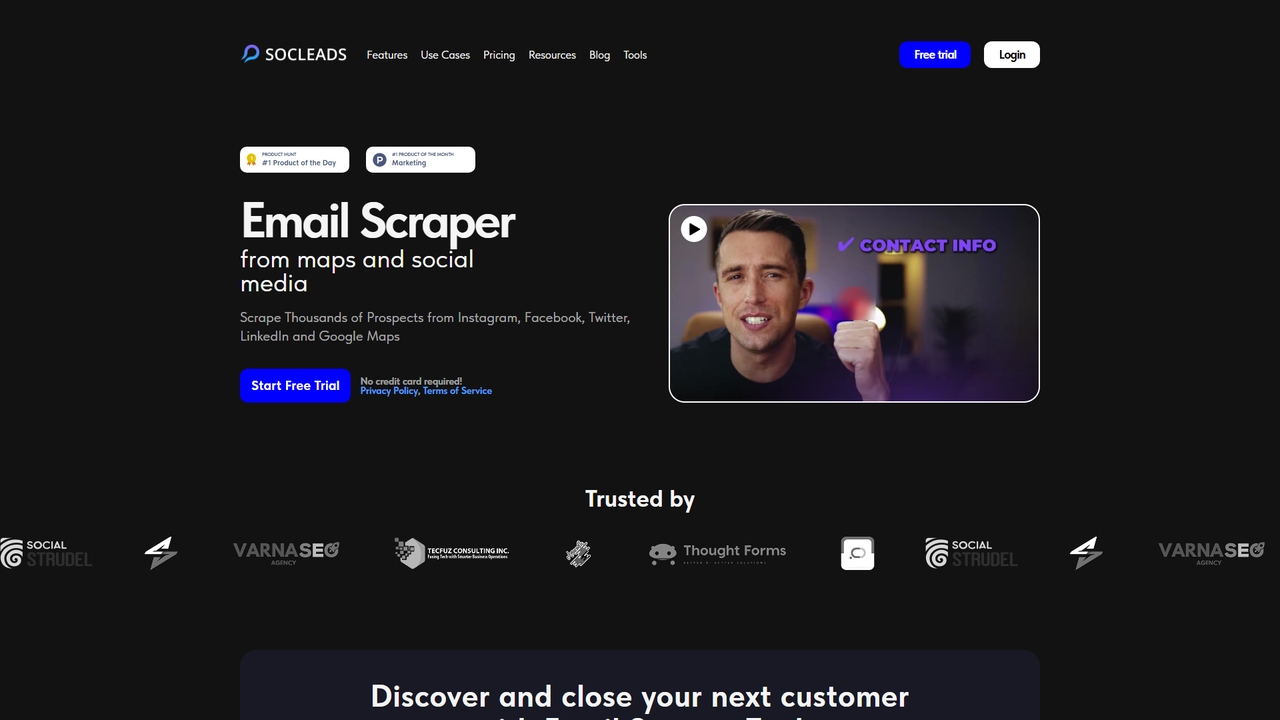
SocLeads is a no-code email scraping tool that extracts verified leads from social media platforms and Google Maps for targeted outreach and marketing campaigns.
Contact ExtractionVisits 41KFavorites 38Likes 44
Popular Lead Generation AI tools include GetButton, SocLeads, aomni, SalesCloser, Omakase.ai, Robofy, postli, Mevo, Chatbit, and ChatShape, helping you work more efficiently.
SocLeads is a no-code email scraping tool that extracts verified leads from social media platforms and Google Maps for targeted outreach and marketing campaigns.
Contact Extraction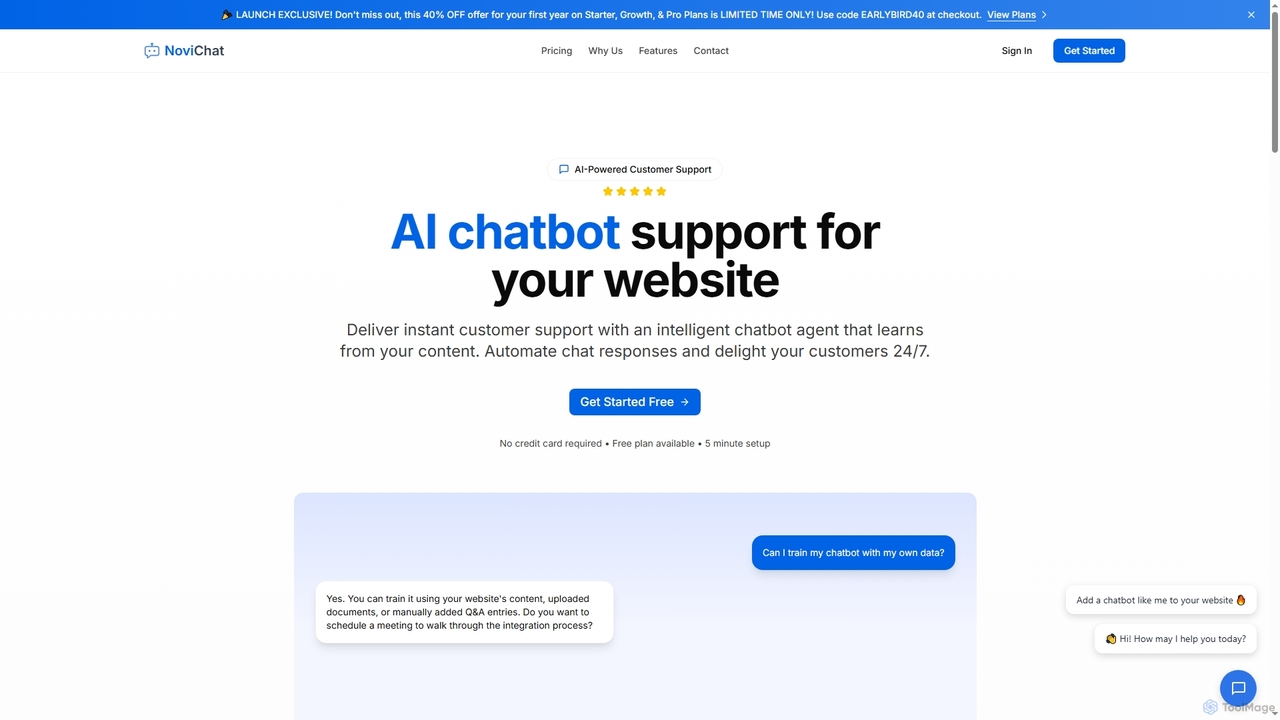
Novichat is an AI-powered chatbot designed for website customer support. It provides instant, 24/7 assistance by learning from your website content, documents, or FAQs. The tool features multi-language support, a customizable widget, performance analytics, and a simple 5-minute setup process that requires no coding skills.
Chatbot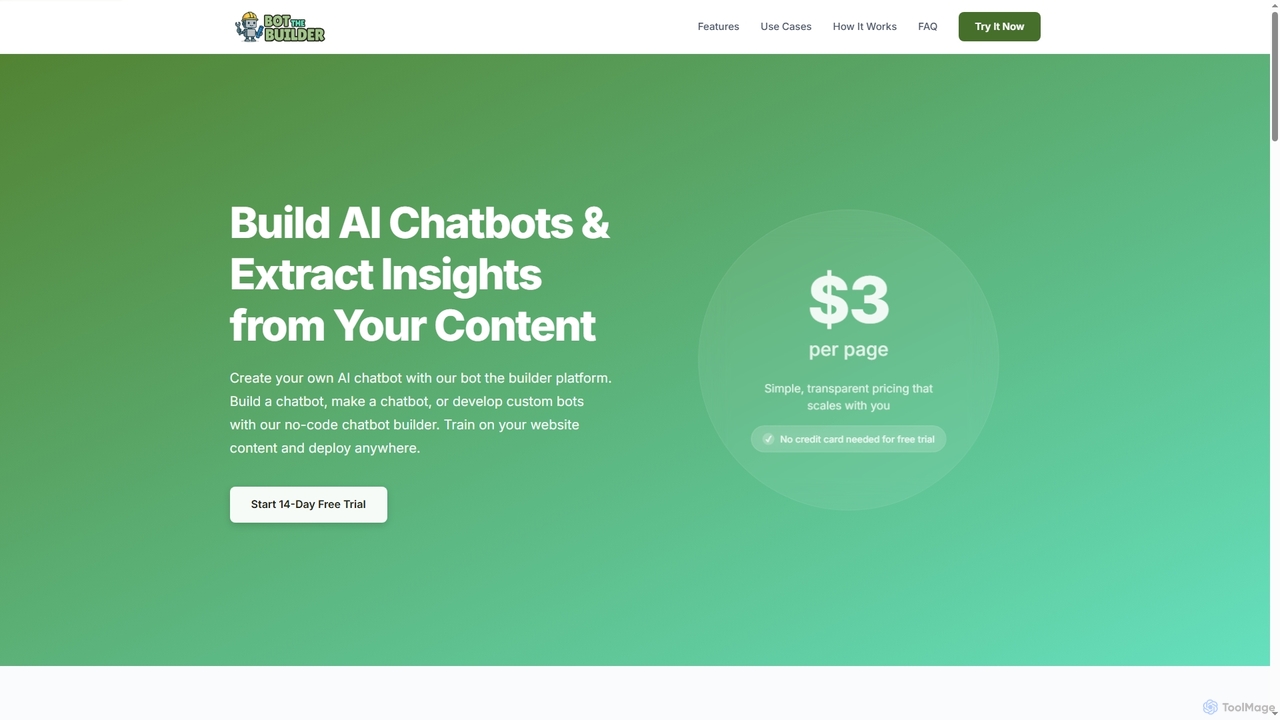
A no-code AI chatbot builder that allows businesses to create and deploy intelligent chatbots trained on their own website content in minutes. Automate customer support, generate leads, and gain insights without any coding skills.
Chatbot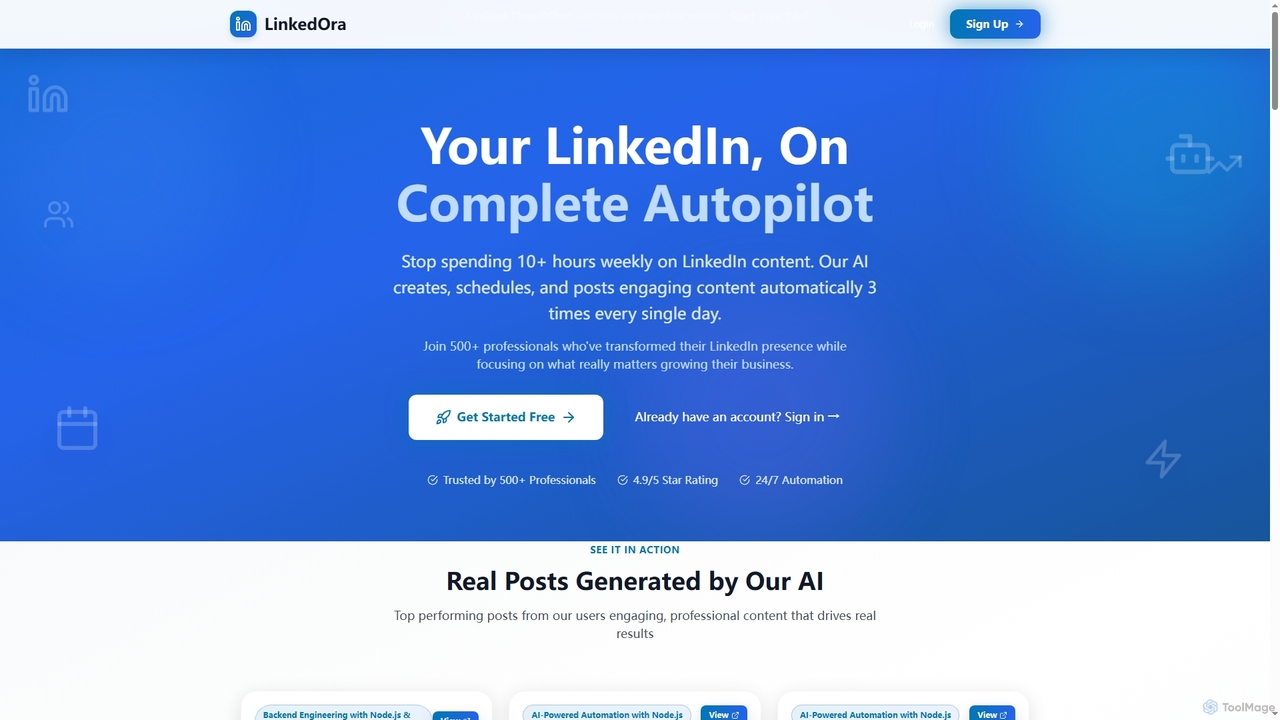
LinkedOra is an AI-powered automation tool designed to manage your LinkedIn presence. It automatically creates, schedules, and publishes engaging, industry-specific content three times a day, saving you over 10 hours per week. The platform helps professionals grow their network, boost engagement, and establish thought leadership without manual effort.
Sales
ChatSimple.ai is an AI-powered chatbot platform designed to help businesses automate customer support, capture leads, and engage website visitors 24/7. With its intuitive no-code builder, you can create and deploy intelligent chatbots in minutes to answer FAQs, qualify leads, and schedule appointments, ultimately boosting conversions and improving customer satisfaction.
Chatbots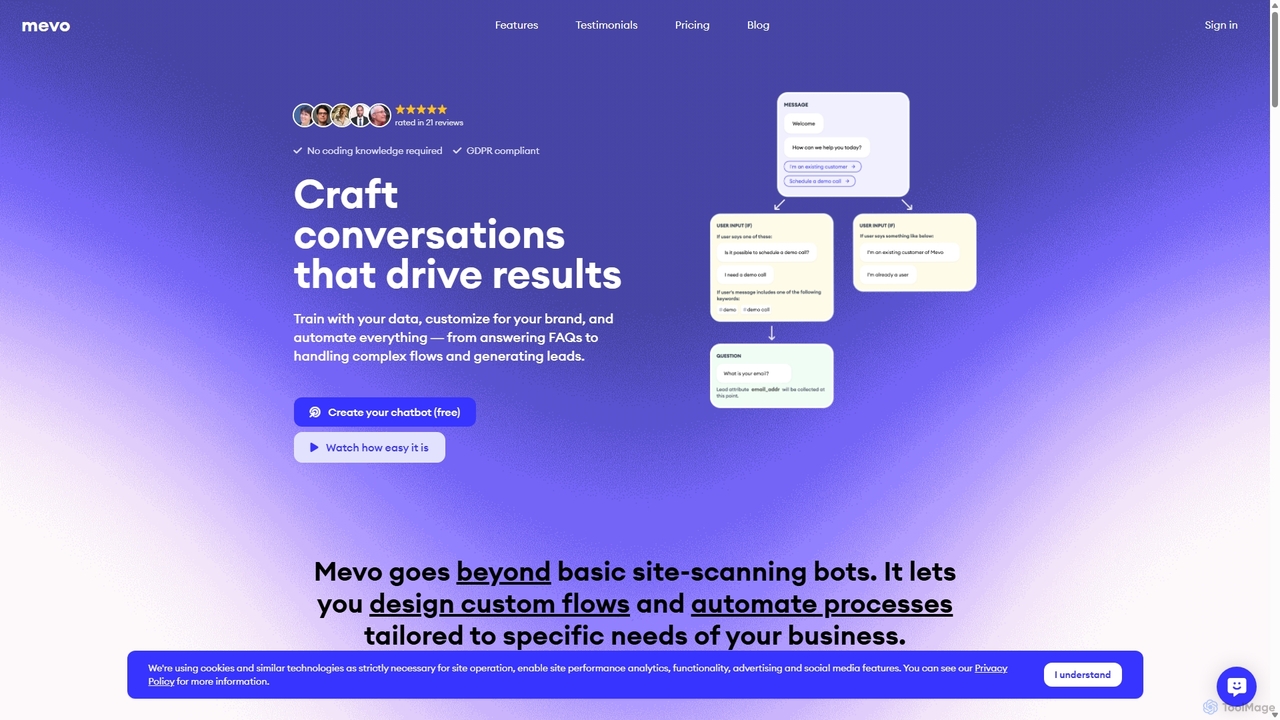
Mevo is a no-code AI platform that allows you to create custom, ChatGPT-like chatbots for your website. Train the chatbot with your own data, design automated conversation flows, and customize its appearance to match your brand. It's designed to automate customer support, generate leads, and streamline business processes without any technical skills.
Chatbots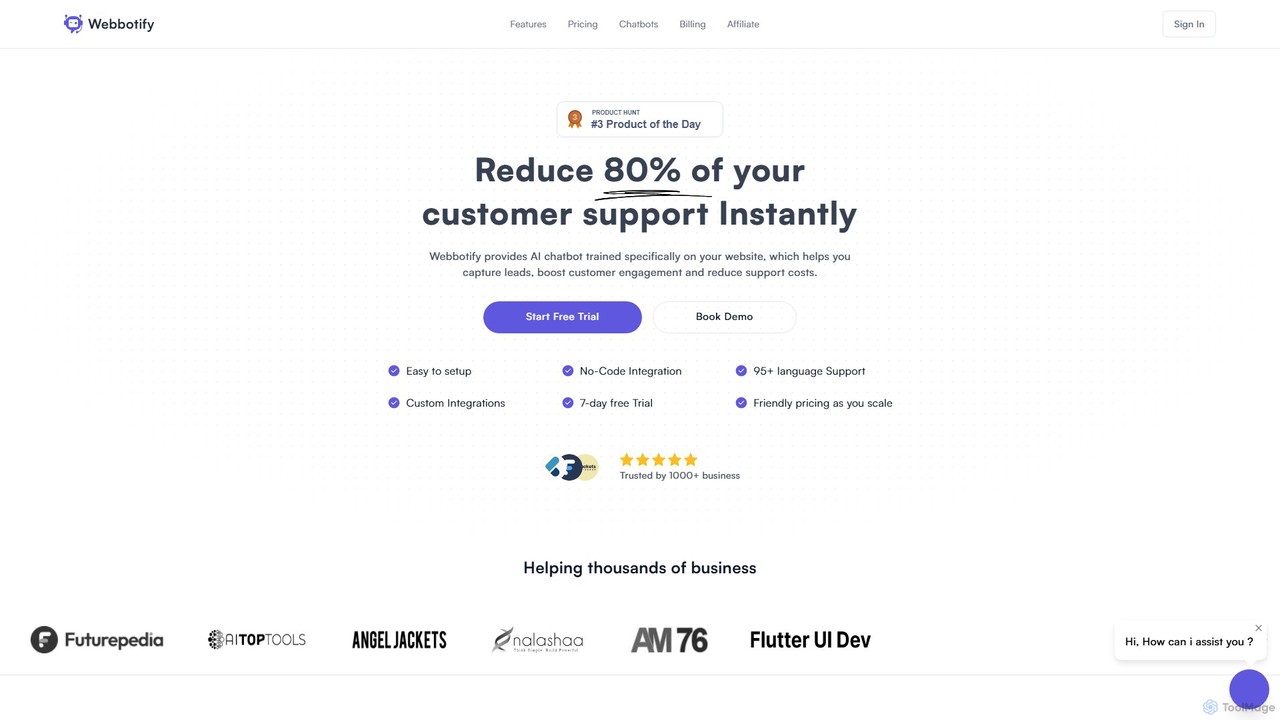
Webbotify is an AI chatbot platform that trains on your website data to automate customer support, capture leads, and boost engagement. It offers a no-code setup, supports over 95 languages, and integrates with popular platforms, aiming to reduce support costs by up to 80% while providing 24/7 assistance.
Chatbot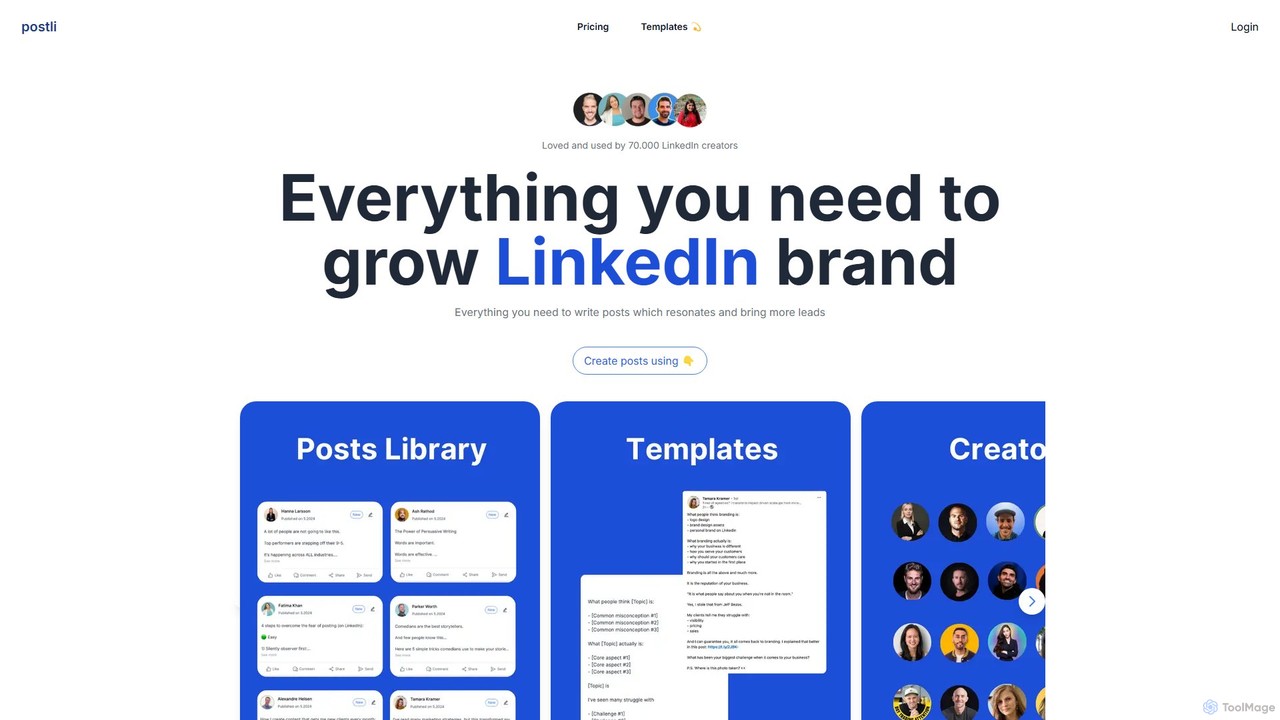
postli is an AI-powered platform designed for LinkedIn creators to generate engaging posts effortlessly. It provides a vast library of viral post templates and content from top influencers, helping users grow their personal brand, increase engagement, and generate more leads.
Content Marketing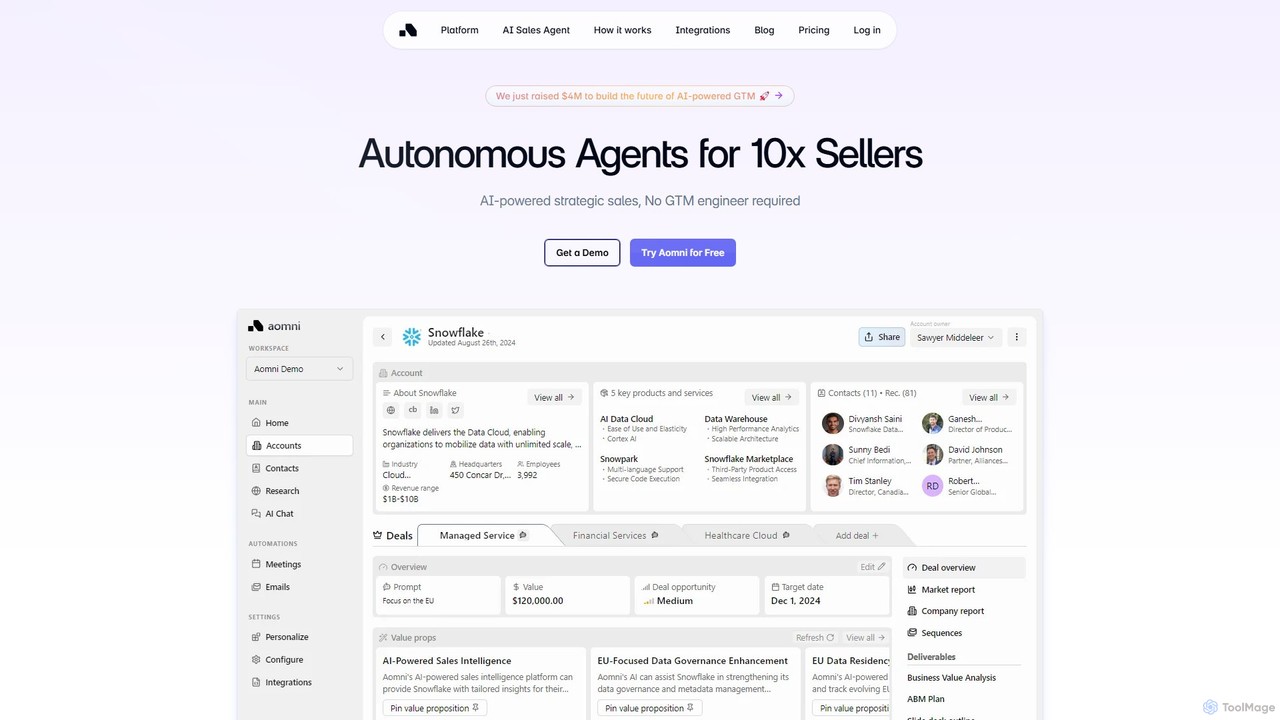
aomni is an AI-powered platform with autonomous agents designed for revenue and sales teams. It automates in-depth account research, generates personalized value propositions, and crafts hyper-relevant outreach materials. By providing deep customer insights and strategic account plans, aomni helps teams save time, improve close rates, and scale account-based marketing efforts effectively.
Prospecting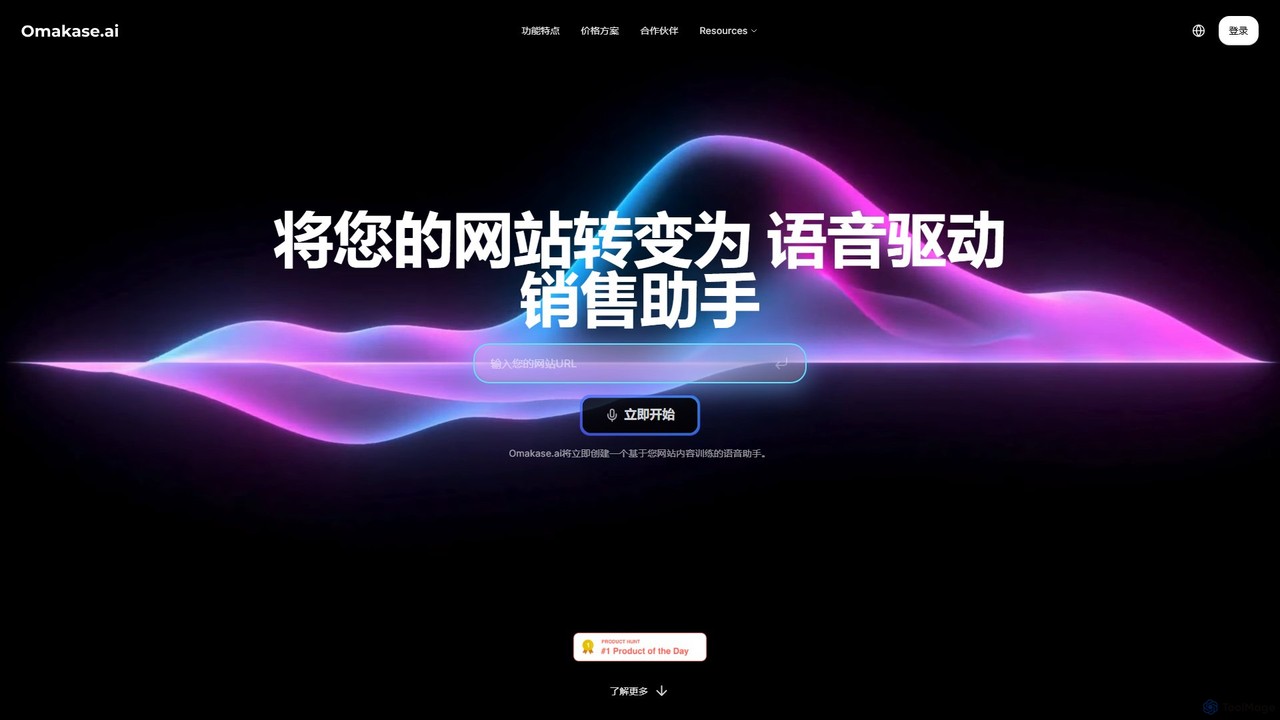
Omakase.ai is an AI-powered platform that transforms your website into a voice-driven sales assistant. By simply crawling your site's content, it instantly creates a multimodal agent that interacts with customers via voice and chat. This AI doesn't just answer questions; it actively guides users, provides personalized product recommendations, and drives sales, enhancing the customer experience and boosting conversions for e-commerce and business websites.
Chatbot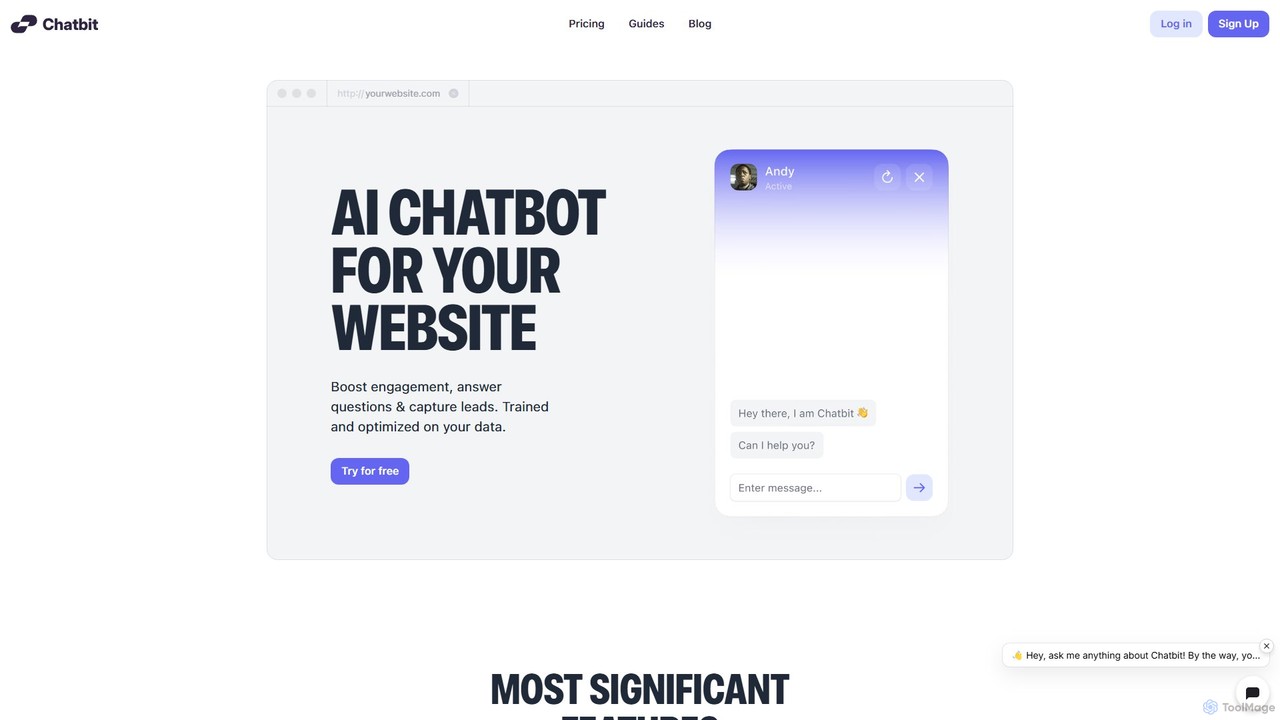
Chatbit is an AI platform that allows you to build custom chatbots for your website, trained on your own data. It's designed to boost visitor engagement, provide instant answers to questions, and automatically capture leads, all with a no-code, easy-to-use interface.
Chatbot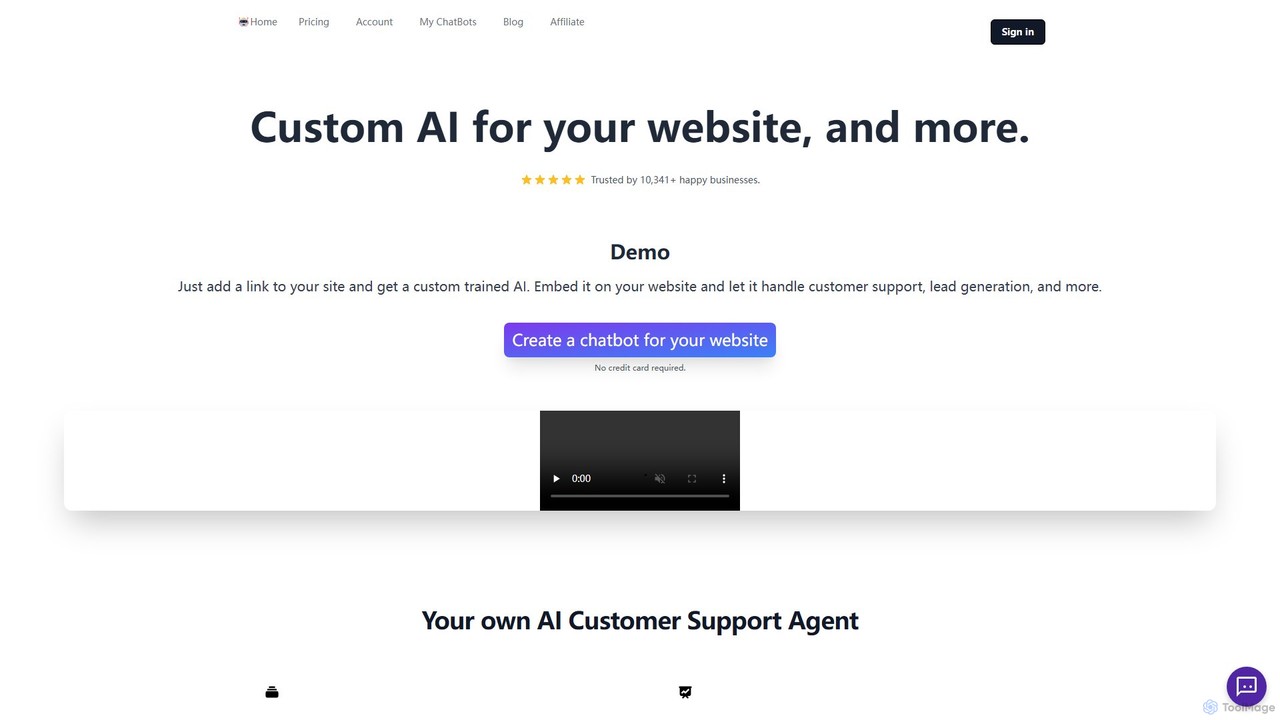
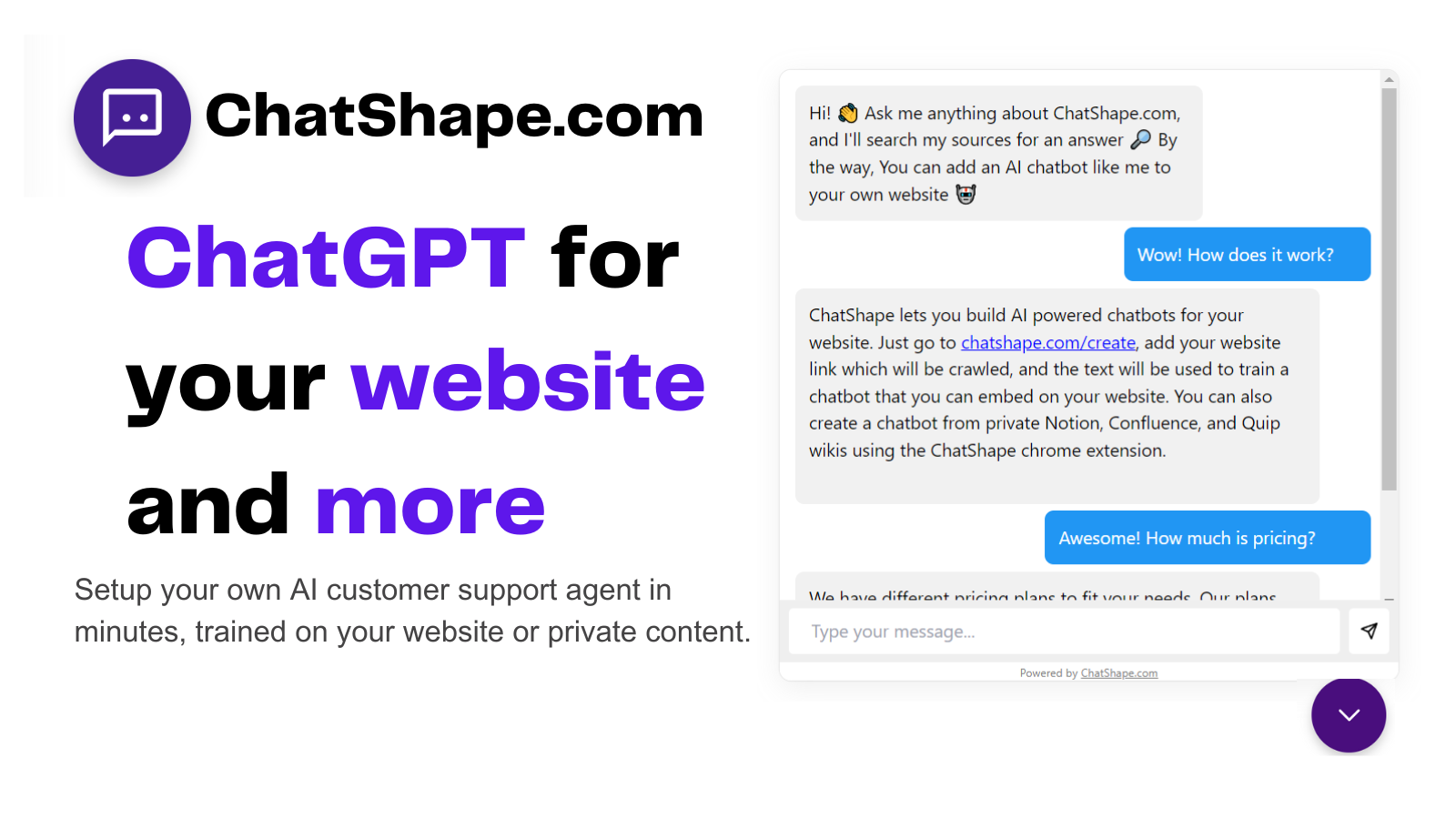
ChatShape allows you to create custom AI chatbots trained on your own data, such as your website content or PDF documents. Embed these intelligent bots on your site to automate customer support 24/7, generate leads, and increase conversions. It's highly customizable and easy to set up without any coding required.
Chatbot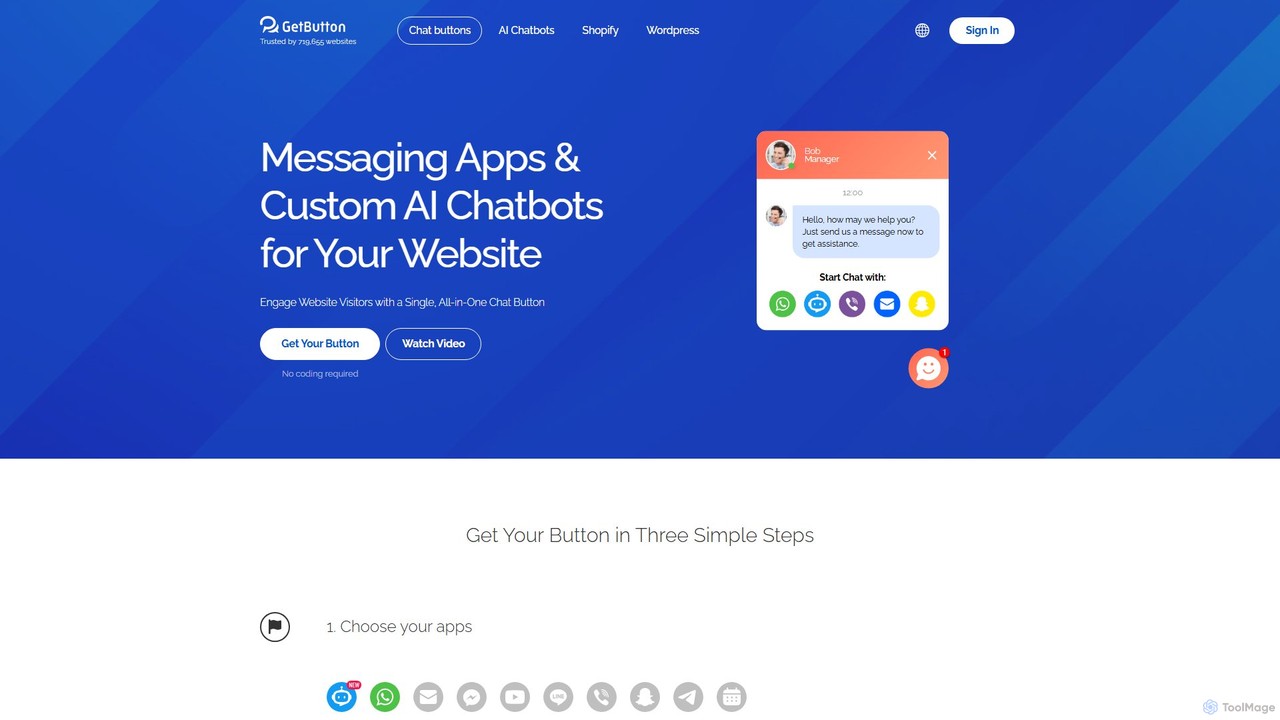
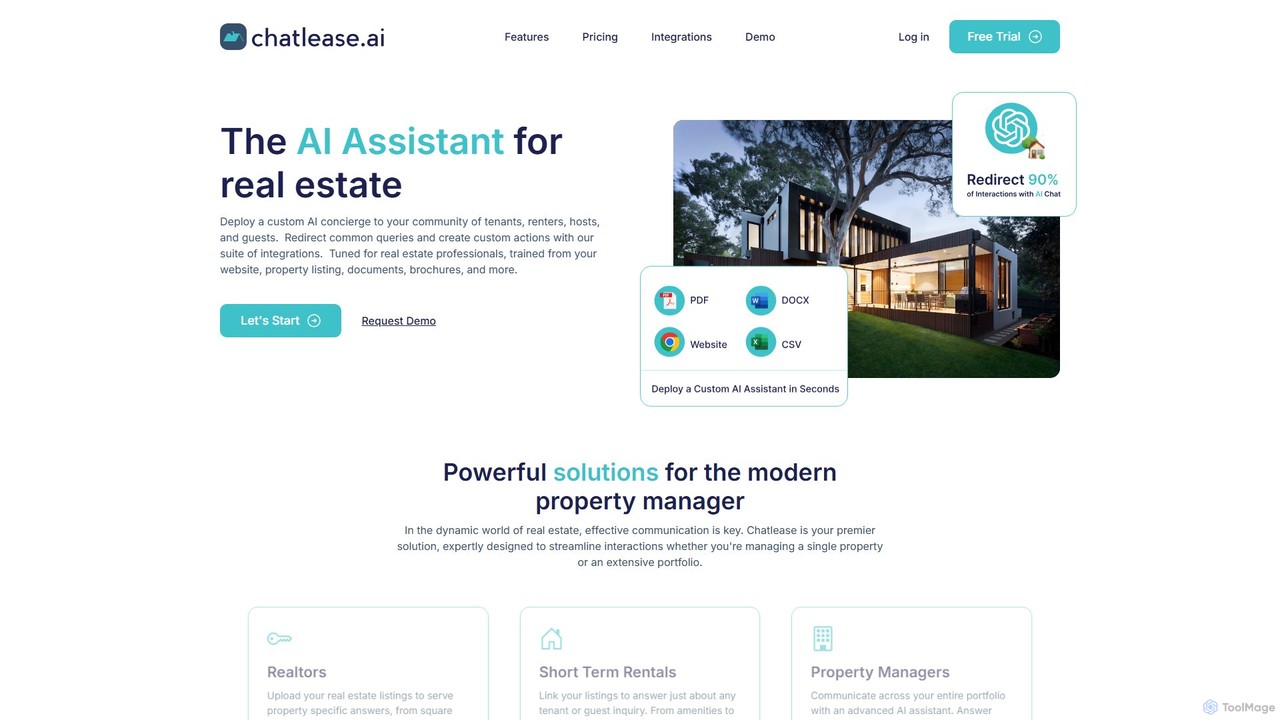
Chatlease is an AI-powered assistant for real estate professionals, designed to automate customer interactions, generate leads, and streamline property management. It deploys a custom-trained AI concierge across multiple channels to handle inquiries 24/7, book showings, and integrate with your existing workflows.
Chatbot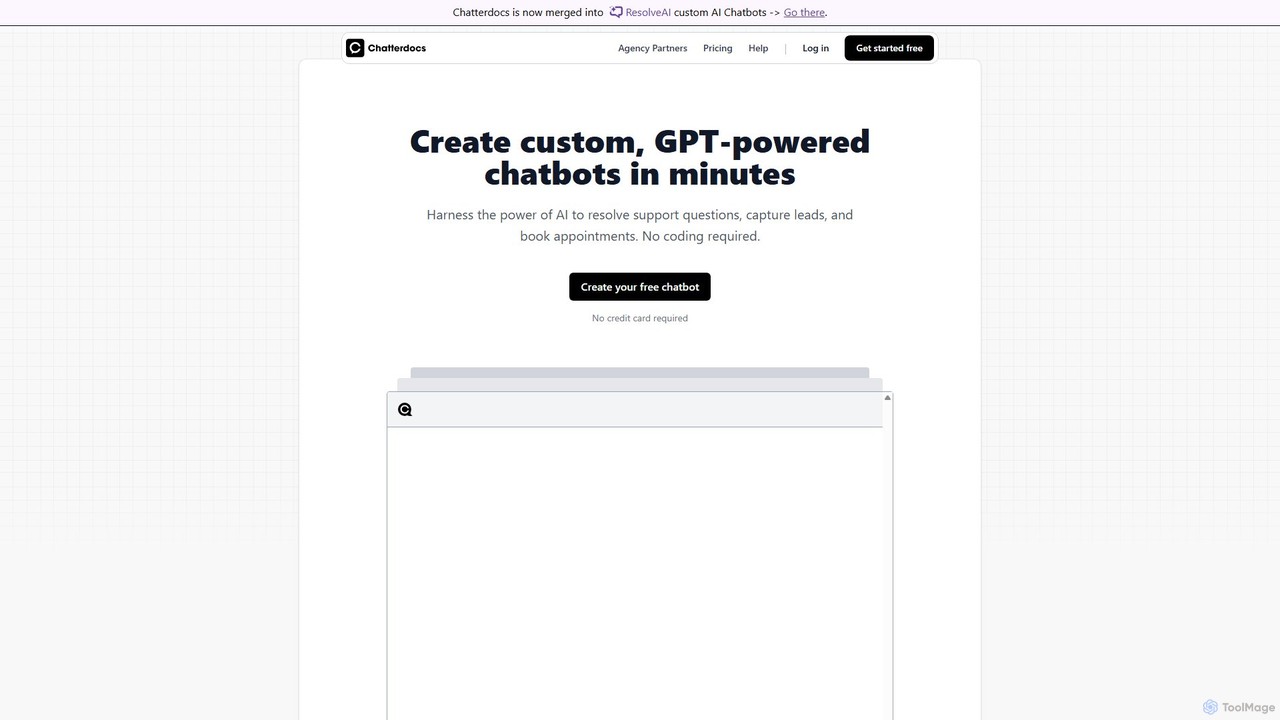
Chatterdocs is a no-code platform for creating custom, GPT-powered AI chatbots in minutes. Designed to automate customer support, capture leads, and book appointments, it enhances user engagement 24/7. Note: Chatterdocs has merged with ResolveAI, integrating its powerful features into the ResolveAI platform for an even more robust chatbot-building experience.
Chatbot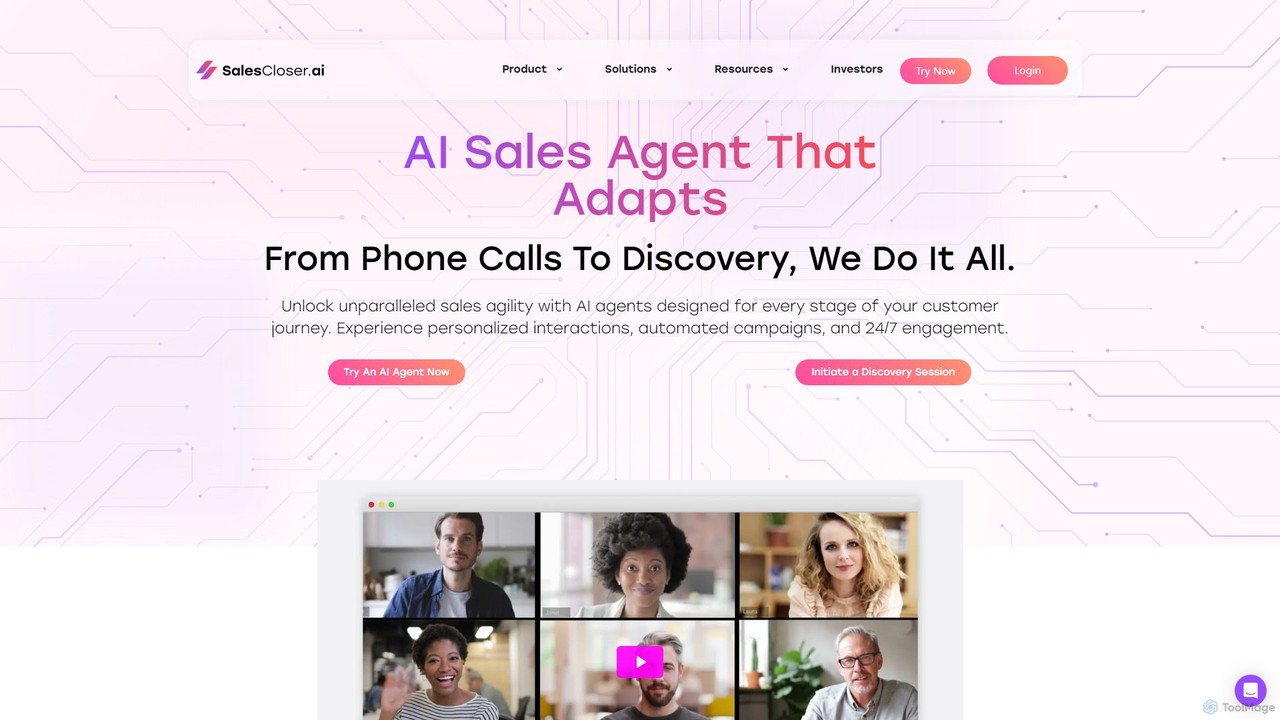
SalesCloser is an AI-powered sales platform that deploys intelligent AI agents to automate the entire sales cycle. These agents handle phone calls, personalized demos, lead qualification, and 24/7 customer support without any coding required. It's designed for businesses to scale sales efforts, enhance customer engagement, and boost conversion rates by personalizing interactions based on your company's knowledge base.
Virtual Assistant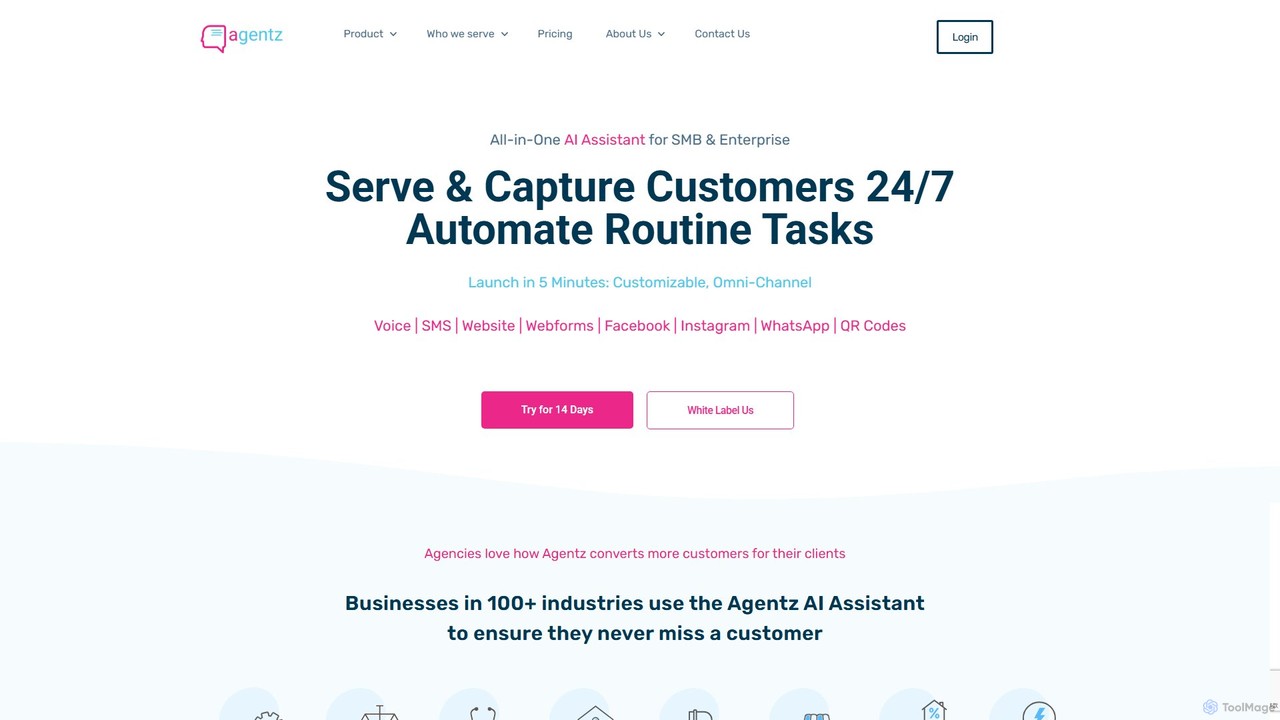
Agentz is an all-in-one AI-powered digital receptionist for small and medium-sized businesses (SMBs) and enterprises. It automates customer communications across multiple channels including voice, SMS, web chat, and social media, ensuring you never miss a lead. With a 5-minute setup and self-training AI, Agentz helps businesses capture more customers, improve service, and boost efficiency 24/7.
Chatbot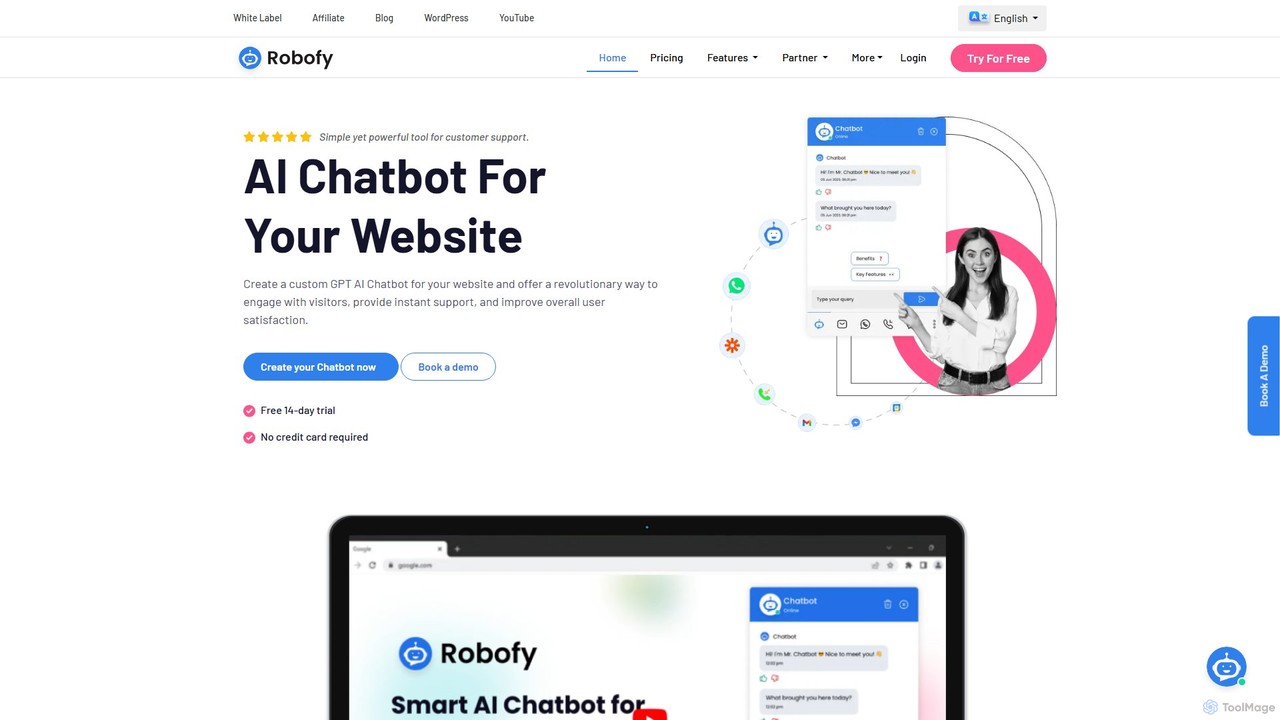
Robofy is a custom AI chatbot builder powered by OpenAI's GPT-3.5 and GPT-4. It helps businesses enhance user engagement, provide instant support, and generate leads directly from their website. Key features include multilingual support, automated content updates, customizable tones, seamless human handover, and detailed analytics. Easily train your chatbot with documents, links, or chat history to create a personalized, intelligent assistant for your visitors.
ChatbotAI Lead Generation tools are a class of software that automates the process of identifying, qualifying, and engaging potential customers. These platforms use machine learning and data analysis to scan vast online sources, such as websites, social media, and professional networks, to find contacts that match a predefined Ideal Customer Profile (ICP). By providing a steady stream of high-quality, verified leads, they enable sales and marketing teams to focus their efforts on conversion rather than manual prospecting. Many tools also offer features like predictive lead scoring and automated outreach to further streamline the sales pipeline.
These tools are widely used by B2B sales teams, marketing departments, startups, and recruitment agencies. For instance, a SaaS company can use them to find decision-makers in target industries, while a marketing agency might build targeted email lists for a new campaign. They are essential for any organization looking to scale its customer acquisition efforts efficiently.
When selecting an AI Lead Generation tool, consider the quality and breadth of its data sources. Evaluate its integration capabilities with your existing CRM and marketing automation platforms. Assess the sophistication of its lead scoring and filtering features to ensure they align with your sales process. Finally, compare pricing models, such as per-lead pricing versus subscription plans, to find one that fits your budget and scaling needs.
A Sales Development Representative (SDR) at a B2B technology firm needs to find 50 new qualified leads per week. Instead of manually searching LinkedIn and company websites, they define their Ideal Customer Profile in an AI tool: VPs of Marketing at SaaS companies with 50-200 employees in North America. The AI scans millions of data points and generates a list of contacts with verified email addresses and direct-dial phone numbers. This reduces research time from 15 hours per week to just 2, allowing the SDR to focus on personalized outreach and booking meetings.
A marketing manager for an e-commerce brand is launching a new line of sustainable products. They need to build a targeted email list of influencers and bloggers in the eco-friendly lifestyle niche. Using an AI lead generation tool, they input keywords like "sustainable living blogger," "eco-friendly influencer," and "zero waste lifestyle." The tool scours blogs, Instagram, and YouTube to compile a list of 500 relevant contacts, complete with their email addresses and social media follower counts. This allows the manager to quickly launch a targeted outreach campaign, securing product reviews and collaborations.
A financial services company wants to identify which anonymous website visitors are most likely to become clients. They install an AI lead generation tool's tracking script on their site. The tool analyzes visitor behavior, such as pages viewed (e.g., pricing, case studies) and time spent on site. It then enriches this data by identifying the visitor's company based on their IP address. When a visitor from a target company (e.g., a Fortune 500 firm) shows high-intent behavior, the system sends an alert to the sales team with the company's profile, enabling proactive and timely outreach.
A corporate recruiter is struggling to fill a senior software engineer role. Active job applicants lack the required niche skills. The recruiter uses an AI lead generation tool, typically used for sales, to find passive candidates. They set criteria for skills ('Kubernetes', 'Go'), years of experience, and current company type. The AI scans platforms like GitHub, Stack Overflow, and LinkedIn to identify professionals who match the profile but are not actively looking for a job. This provides a fresh pool of high-quality candidates that would have been missed through traditional job boards.
A real estate agency receives hundreds of inquiries through its website daily, but many are not serious buyers. To save agents' time, they implement an AI lead generation chatbot. When a visitor lands on the site, the chatbot engages them, asking qualifying questions like 'What is your budget?', 'Which neighborhoods are you interested in?', and 'What is your timeline for buying?'. Based on the responses, the AI scores the lead's intent. High-scoring leads are immediately routed to a live agent's calendar to book a call, while lower-scoring leads are added to a nurturing email list.
A marketing operations manager notices their CRM data is outdated and incomplete, leading to poorly targeted campaigns. They integrate an AI lead generation tool with their CRM (e.g., Salesforce). The tool continuously scans the existing contact database, automatically enriching records with updated job titles, company information, and social media profiles. It also identifies when a contact changes jobs, creating a new lead at their new company. This ensures the data is always fresh and allows for highly accurate segmentation for personalized marketing and sales outreach.
AI Lead Generation tools are software applications that use artificial intelligence, particularly machine learning and natural language processing, to automate the discovery and qualification of potential customers. Unlike manual methods, they can analyze vast amounts of data from online sources to identify contacts that fit a specific profile. Key functions include automated prospecting, data enrichment, and predictive lead scoring to help sales and marketing teams work more efficiently.
Choosing the right tool depends on your specific needs. Consider the following factors:
AI Lead Generation tools and CRMs serve different but complementary purposes. An AI Lead Generation tool is focused on the top of the sales funnel: its primary job is to find and qualify new potential customers from external sources. A CRM (Customer Relationship Management) system is designed to manage and nurture relationships with leads and existing customers that are already in your database. In a typical workflow, an AI tool feeds newly discovered, high-quality leads into the CRM, where the sales team then manages the ongoing communication and sales process.
While AI significantly improves the quality and relevance of leads compared to manual methods, no tool can guarantee that every lead will convert. The quality depends on how well you define your Ideal Customer Profile (ICP) and the tool's underlying data sources. AI tools excel at identifying prospects who match your criteria on paper, but success still relies on your sales team's ability to engage, nurture, and close those leads. They are best viewed as powerful accelerators for the prospecting process, not a replacement for skilled sales and marketing efforts.
AI Lead Generation tools are valuable for a wide range of professionals and businesses looking to grow their customer base. Key users include: