Redactable
Redactable is an AI-powered platform that automates the process of redacting sensitive information from documents. It intelligently detects …
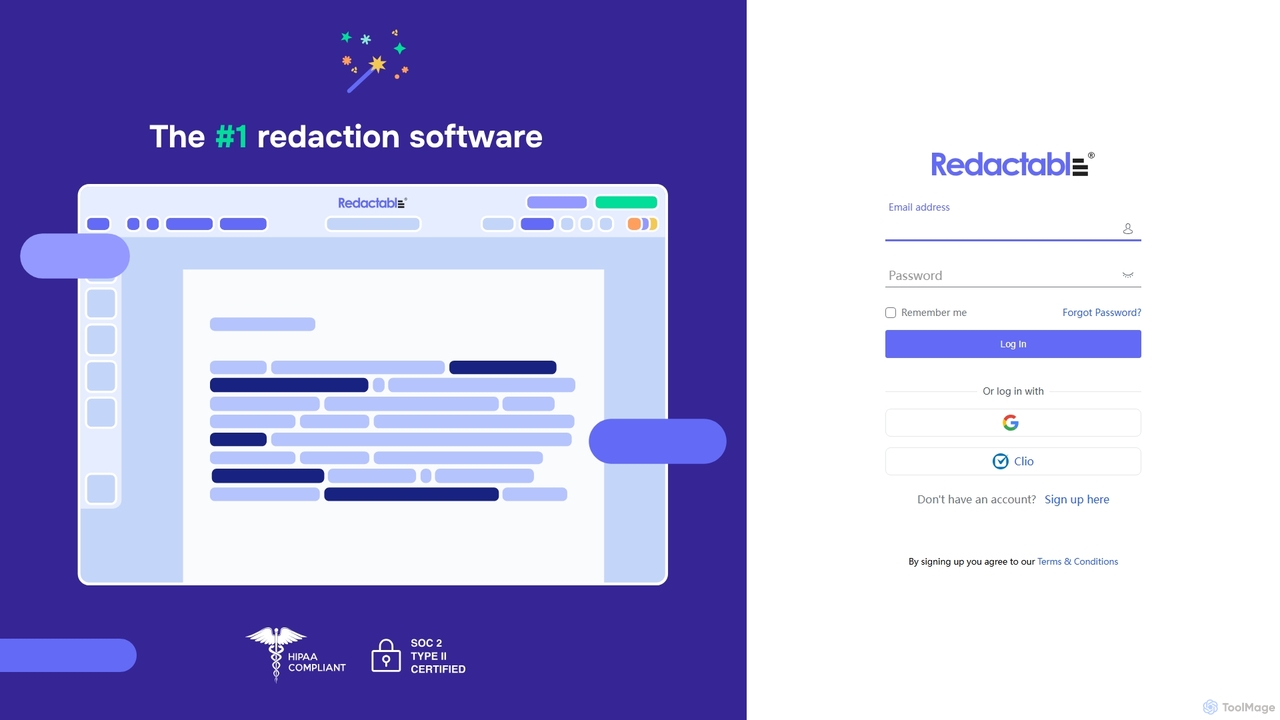
Redactable is an AI-powered platform that automates the process of redacting sensitive information from documents. It intelligently detects and removes PII, PHI, and other confidential data, ensuring compliance with privacy regulations like GDPR and HIPAA. Ideal for legal, healthcare, and financial professionals, it streamlines workflows, reduces human error, and secures documents with permanent, unrecoverable redactions.
Lexter
Lexter is an AI-powered virtual legal assistant designed for lawyers and law firms in Brazil. It automates repetitive …
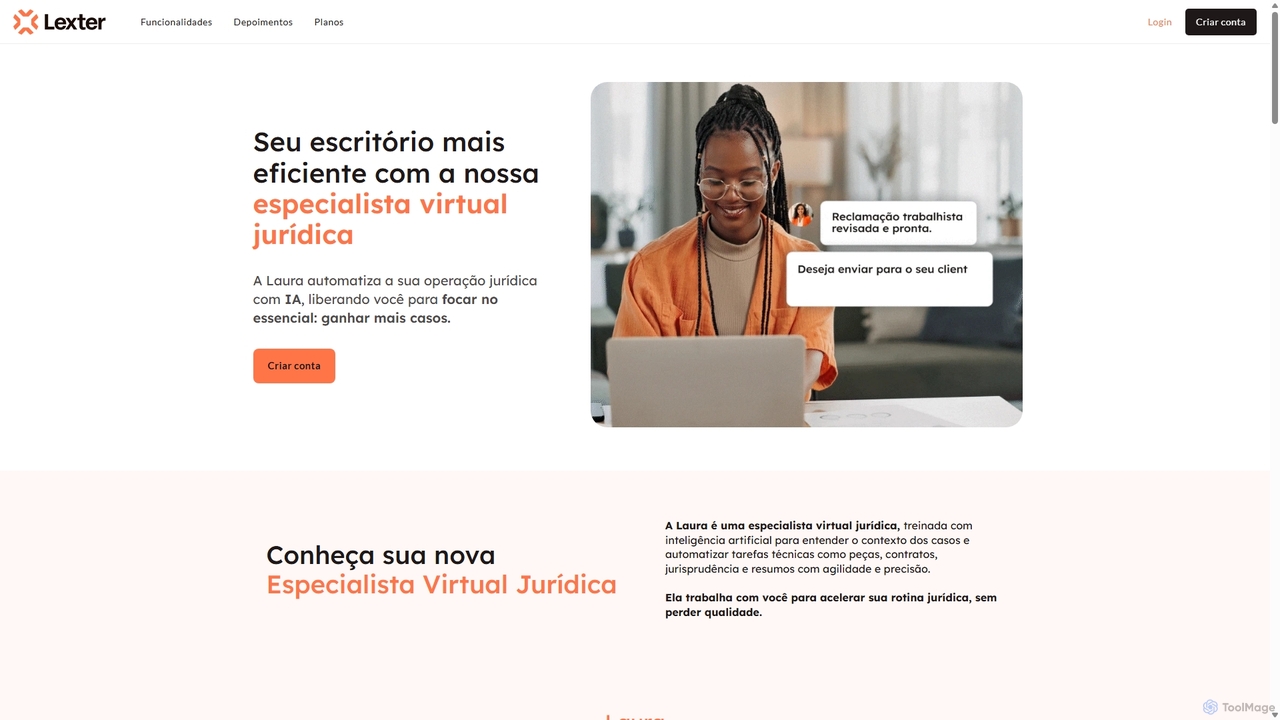
Lexter is an AI-powered virtual legal assistant designed for lawyers and law firms in Brazil. It automates repetitive legal tasks such as case monitoring, document drafting, and jurisprudence research, allowing legal professionals to focus on strategy and achieve better results.
AiAlly
AiAlly provides AI Employees, autonomous agents that think, learn, and collaborate to automate complex business tasks. Boost productivity …
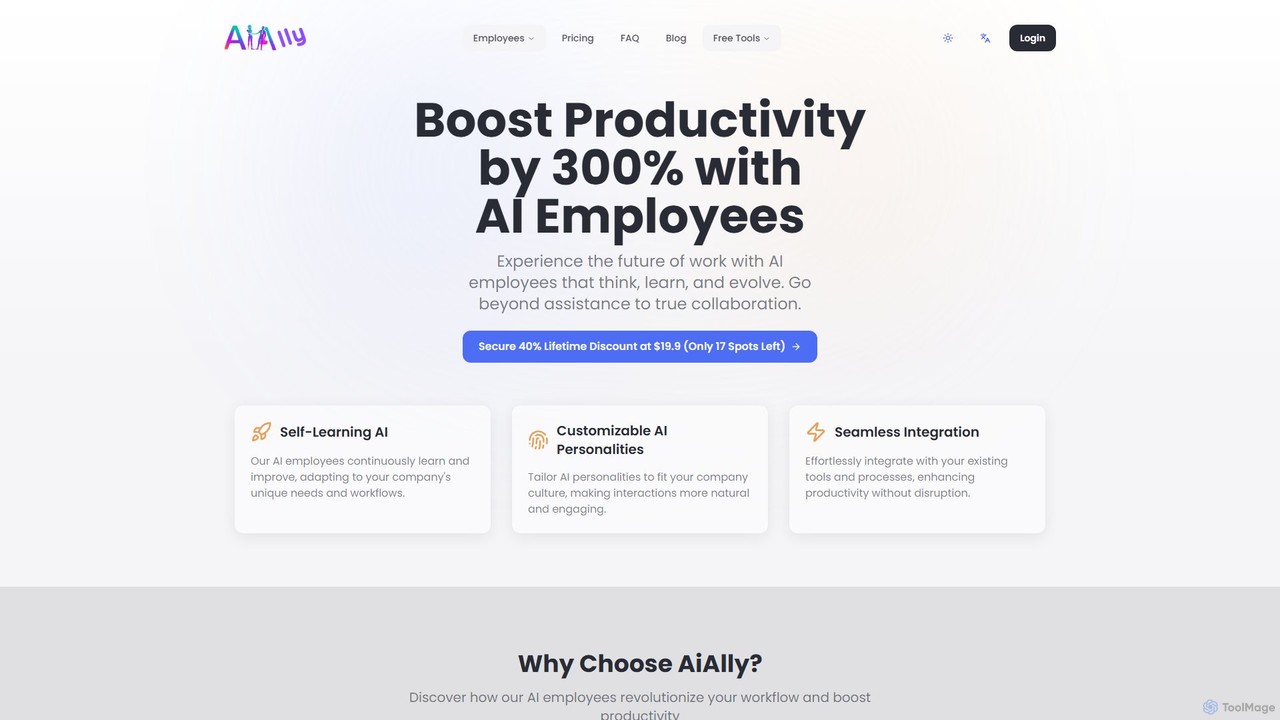
AiAlly provides AI Employees, autonomous agents that think, learn, and collaborate to automate complex business tasks. Boost productivity by integrating self-learning AI into your workflows for marketing, legal, manufacturing, and knowledge management.
Flowsecure
Flowsecure is an AI-powered platform designed for service companies to automate client data and document collection. It streamlines …
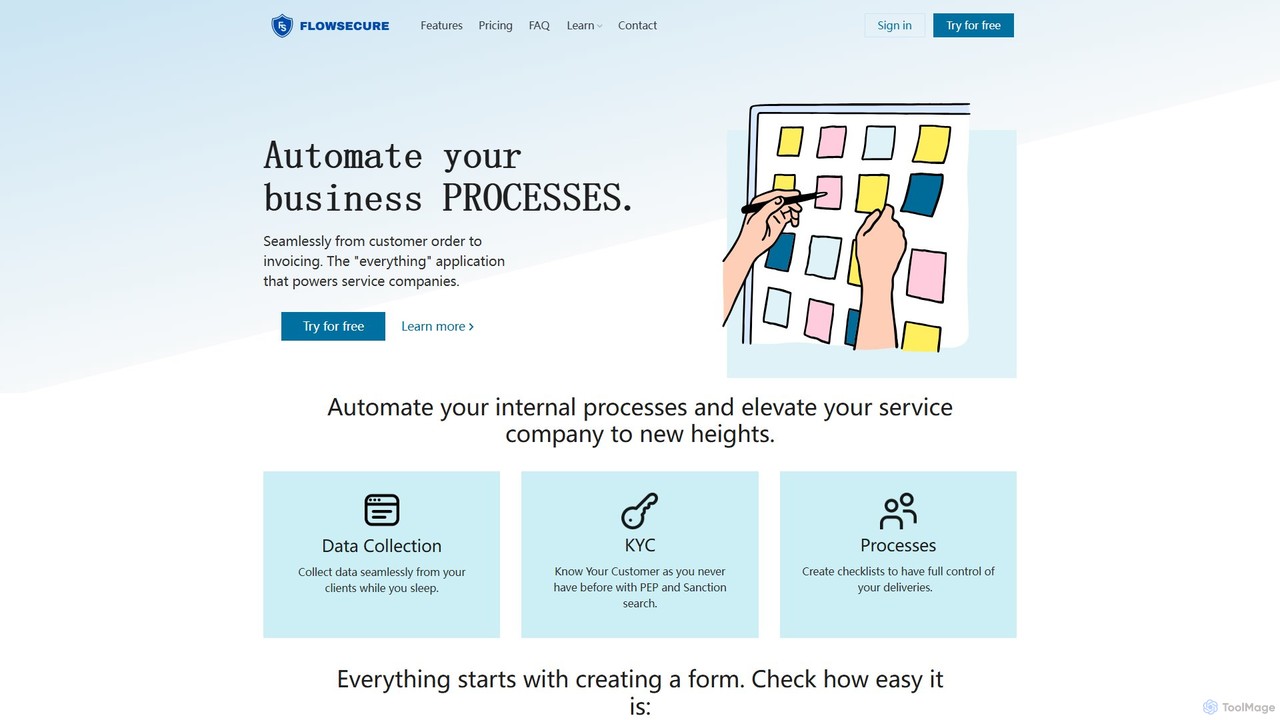
Flowsecure is an AI-powered platform designed for service companies to automate client data and document collection. It streamlines workflows from customer orders to invoicing, featuring an AI form builder, automated KYC/AML checks, secure file sharing, and process management checklists. It's ideal for industries like accounting, law, and HR.

Elayne
Elayne is an AI-powered platform designed to simplify estate management. It provides personalized guidance and automated solutions for …
Elayne is an AI-powered platform designed to simplify estate management. It provides personalized guidance and automated solutions for estate planning, securing family legacies, and settling estates after a loss. Combining AI technology with human support, Elayne helps individuals, families, and employees navigate the financial, legal, and administrative complexities with clarity and compassion.
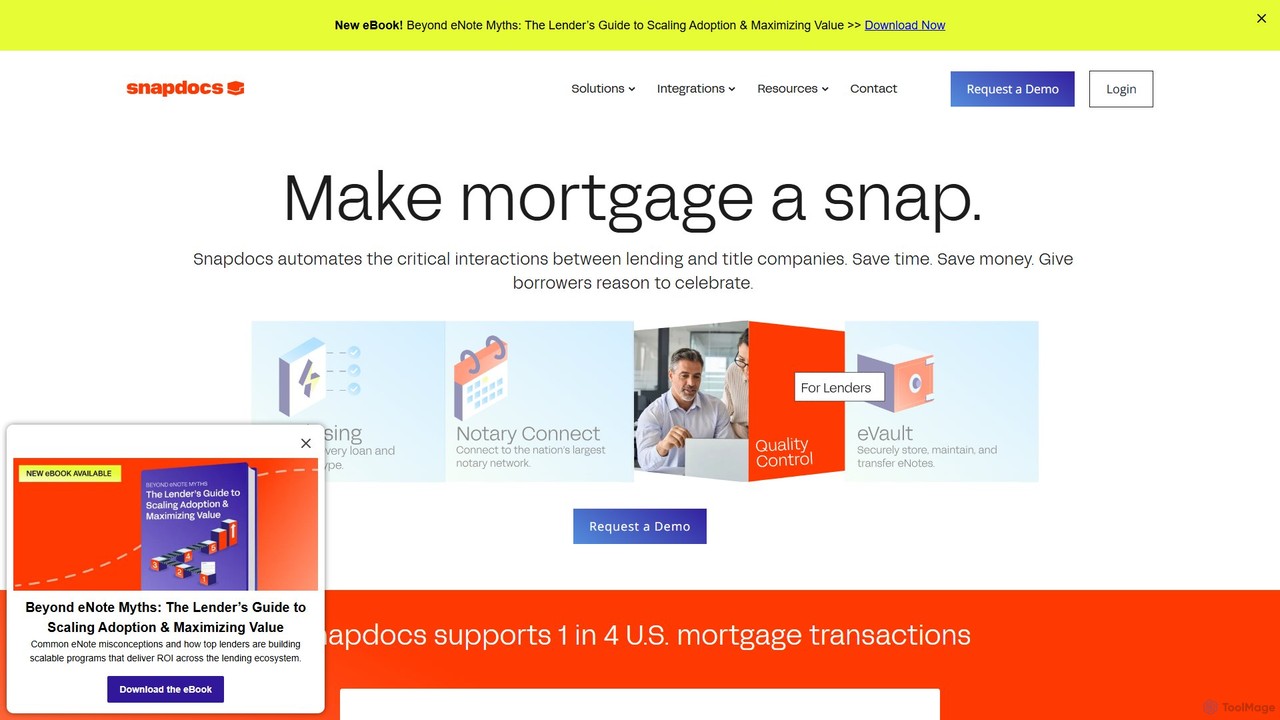
Snapdocs
Snapdocs is the mortgage industry's leading eClosing platform, automating the entire closing process. It connects lenders, title companies, …
Snapdocs is the mortgage industry's leading eClosing platform, automating the entire closing process. It connects lenders, title companies, and borrowers to facilitate faster, more secure, and error-free digital mortgage closings, featuring solutions like eVault, Notary Connect, and AI-powered quality control.

Summary with AI
An AI-powered tool designed to summarize large and dense PDF documents. It helps professionals, researchers, and students quickly …
An AI-powered tool designed to summarize large and dense PDF documents. It helps professionals, researchers, and students quickly digest long reports, research papers, and legal documents by providing comprehensive, fact-based summaries, saving up to 70% of reading time.
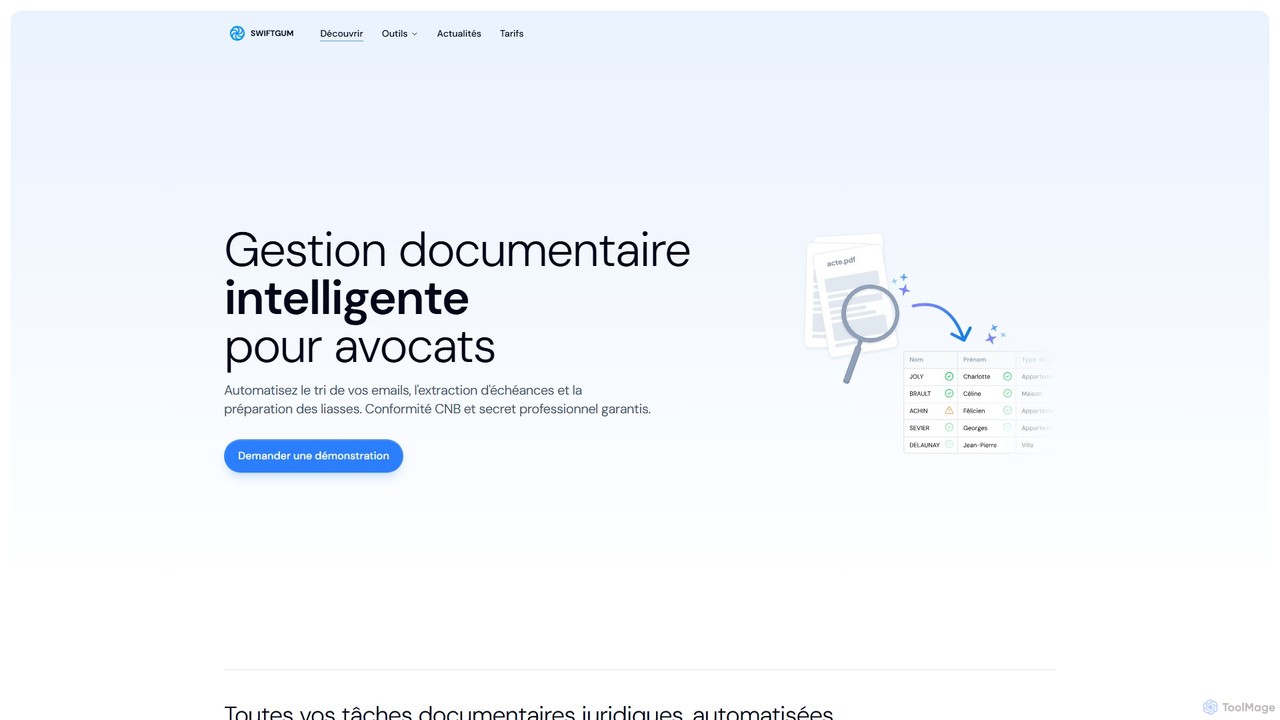
Swiftgum
Swiftgum is an AI-powered intelligent document management platform for lawyers and real estate professionals. It automates email sorting, …
Swiftgum is an AI-powered intelligent document management platform for lawyers and real estate professionals. It automates email sorting, extracts critical deadlines from legal documents like contracts and leases, and prepares court bundles. The platform ensures GDPR and professional secrecy compliance, boosting productivity and reducing risks.

Mirai Translate
An enterprise-grade, high-security AI translation service from Japan. It offers TOEIC 960-level accuracy with specialized models for legal, …
An enterprise-grade, high-security AI translation service from Japan. It offers TOEIC 960-level accuracy with specialized models for legal, financial, and patent documents. Supports file, real-time meeting, and video translation, with a robust API for seamless integration. Ideal for organizations handling confidential information.
About Document Management
AI Document Management tools are specialized platforms that use artificial intelligence to intelligently organize, search, and analyze large volumes of documents, particularly within a legal context. These systems leverage Natural Language Processing (NLP) and Optical Character Recognition (OCR) to understand content, extract key data, and automate classification. This enables legal professionals to streamline complex processes like e-discovery, contract analysis, and compliance monitoring with high accuracy. The primary value lies in transforming unstructured data into structured, actionable insights, significantly reducing manual review time and mitigating risks.
Core Features
- Intelligent Search & e-Discovery: Utilizes semantic search to find conceptually relevant documents, not just keyword matches, accelerating evidence discovery.
- Automated Data Extraction: Automatically identifies and extracts specific information like clauses, dates, party names, and obligations from contracts and legal filings.
- Document Classification & Tagging: AI models automatically categorize documents based on their content (e.g., contract, pleading, invoice) and apply relevant tags for organization.
- Compliance & Risk Analysis: Scans documents to identify non-compliant language, potential risks, or sensitive data (PII) that requires redaction or special handling.
- Version Control & Audit Trails: Maintains a secure, chronological record of all document changes, accesses, and approvals, ensuring a defensible chain of custody.
Use Cases
These tools are essential for law firms, corporate legal departments, and government agencies. They are used for managing case files, conducting due diligence in mergers and acquisitions, and handling regulatory submissions. For example, a law firm can use an AI tool to rapidly sift through millions of documents in a discovery request, while a corporate counsel can use it to manage and monitor thousands of active contracts.
How to Choose
When selecting an AI Document Management tool, prioritize security features and compliance certifications (like SOC 2, HIPAA, GDPR). Evaluate its integration capabilities with existing case management or practice management software. Assess the accuracy of its AI models for your specific document types (e.g., contracts, patents). Also, consider the user interface's intuitiveness for legal professionals who may not be tech experts, and the scalability of the platform to handle growing data volumes.
Document ManagementUse Cases
Automating E-Discovery for Litigation
A paralegal at a large law firm is tasked with reviewing over two million documents for a complex litigation case. Manually, this process would take months and be prone to human error. By using an AI Document Management tool, the paralegal can upload all documents to the platform. The AI uses semantic search and topic modeling to quickly identify and tag relevant documents, privilege information, and key evidence in a matter of days. This reduces review time by over 80%, significantly cuts costs, and provides a more accurate and defensible discovery process.
Streamlining Contract Review and Analysis
A corporate legal department manages thousands of active contracts with suppliers, partners, and customers. A lawyer needs to quickly assess risk across all agreements related to a new regulation. Instead of manually reading each contract, they use an AI tool to automatically extract and compare key clauses, such as limitation of liability, data privacy, and termination rights. The system presents a dashboard highlighting non-standard clauses and high-risk agreements, allowing the team to prioritize their review efforts and ensure compliance efficiently.
Conducting Due Diligence for M&A
During a merger and acquisition (M&A) deal, the legal team must perform due diligence by reviewing thousands of the target company's documents, including contracts, IP filings, and litigation records. This is a time-sensitive and critical process. An AI Document Management platform ingests the entire data room. It automatically categorizes documents, extracts change of control clauses, identifies potential liabilities, and flags any unusual terms. This allows the M&A team to quickly build a comprehensive risk profile of the target company, accelerating the deal timeline and improving negotiation leverage.
Managing Intellectual Property (IP) Portfolios
An IP law firm or a corporate IP department needs to manage a vast portfolio of patents, trademarks, and copyrights. An AI Document Management system helps by automatically classifying incoming correspondence from patent offices, tracking critical deadlines for filings and renewals, and linking related documents (e.g., patent applications to prior art). The AI can also analyze patent claims to identify potential infringement or licensing opportunities, transforming the IP portfolio from a simple repository into a strategic business asset.
Automating Regulatory Compliance Monitoring
A compliance officer in a highly regulated industry like finance or healthcare is responsible for ensuring all internal documents and communications adhere to strict regulations (e.g., GDPR, HIPAA). Using an AI Document Management tool, they can set up policies to automatically scan all new and existing documents. The system flags documents containing sensitive personal information, identifies clauses that conflict with regulations, and generates reports for audits. This proactive approach helps the organization maintain continuous compliance and avoid costly fines.
Automated Redaction of Sensitive Information
A government agency needs to release a large set of documents in response to a Freedom of Information Act (FOIA) request. These documents contain personally identifiable information (PII) and other sensitive data that must be redacted. Manually redacting thousands of pages is slow and error-prone. The agency uses an AI Document Management tool that automatically detects and redacts specific information types, such as names, social security numbers, and addresses, based on predefined rules. This ensures a consistent and thorough redaction process, protecting privacy while complying with transparency laws in a fraction of the time.