Logistics Best in category 1 results Autonomous Delivery AI Tool

Popular AI tools in the Autonomous Delivery field of Logistics include splash9, etc., helping you quickly improve efficiency.

splash9

splash9

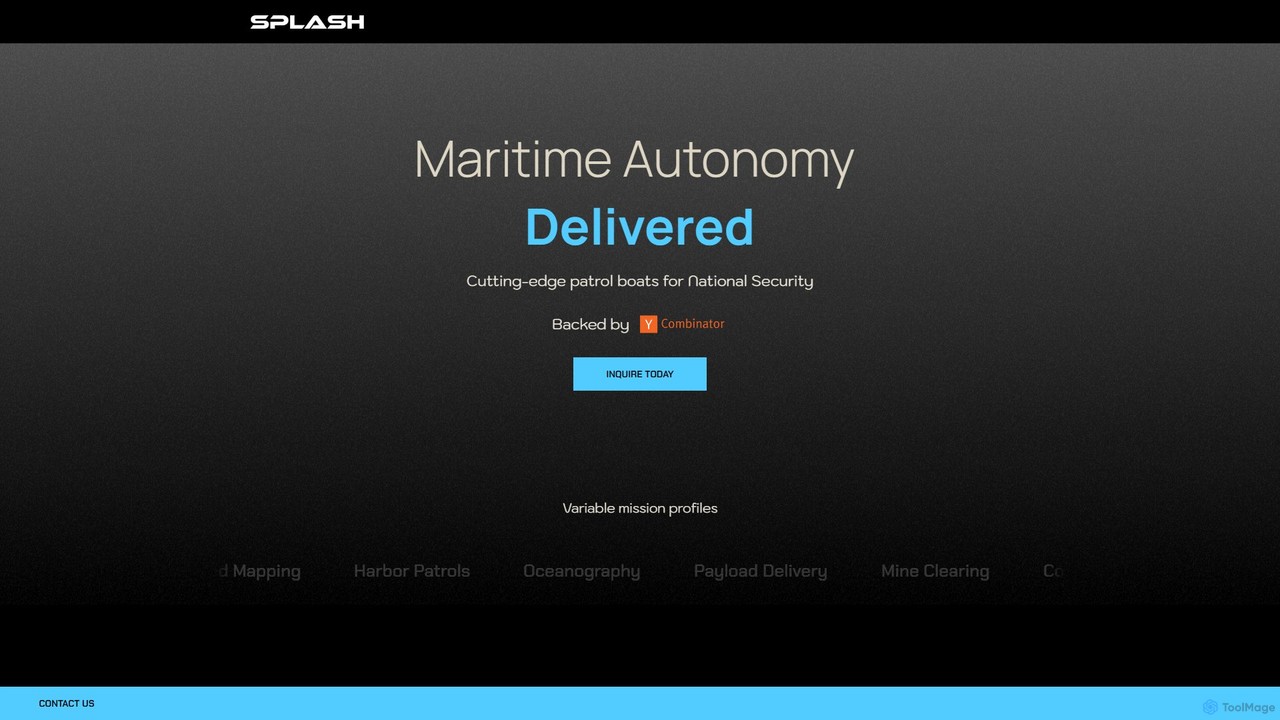
splash9 by Splash Industries provides cutting-edge autonomous surface vessels (ASVs) for national security, commercial, and research missions. These …

5.7K

About Autonomous Delivery

Autonomous Delivery tools are AI-driven systems that automate the transportation of goods using robots, drones, or self-driving vehicles without direct human operation. These platforms leverage advanced technologies like computer vision, GPS, and machine learning for real-time navigation, route optimization, and obstacle avoidance. The primary value of autonomous delivery lies in enhancing the efficiency, speed, and cost-effectiveness of last-mile logistics. They enable businesses to offer faster delivery times, operate 24/7, and reduce reliance on human labor for repetitive transport tasks.

Core Features

  • Automated Navigation & Pathfinding: Utilizes sensors and AI to dynamically plan routes and safely navigate complex environments.
  • Last-Mile Optimization: Specifically designed to handle the final, most complex stage of the delivery process to the end customer.
  • Fleet Management Dashboard: Provides a centralized interface to monitor, manage, and deploy a fleet of delivery units in real-time.
  • Secure Payload Compartments: Features electronically locked compartments that can only be accessed by the authorized recipient.
  • Real-time Tracking & Alerts: Offers live tracking for customers and dispatchers, with automated notifications for delivery status.

Use Cases

These tools are increasingly adopted in e-commerce for package delivery, food service for meal and grocery transport, and healthcare for delivering medical supplies and prescriptions. Large corporate or university campuses also use them for internal mail and package distribution.

How to Choose

When selecting an autonomous delivery solution, consider the operational environment (urban, suburban, indoor), required payload capacity and range, integration capabilities with existing order management systems, and compliance with local regulations for autonomous vehicles or drones.

Autonomous DeliveryUse Cases

1

Automating Last-Mile E-commerce Deliveries

An e-commerce company uses a fleet of sidewalk delivery robots to fulfill local orders. When a customer places an order, the system dispatches a robot from a local hub. The robot navigates sidewalks, crosses streets safely, and sends a notification to the customer upon arrival. The customer uses a unique code from their app to unlock the robot's compartment and retrieve their package. This reduces delivery costs and provides a flexible, on-demand delivery option for urban areas.

2

On-Demand Food and Grocery Delivery

A restaurant chain integrates with an autonomous delivery service to offer rapid delivery. Customers place orders through an app, and a delivery robot is dispatched. The system ensures the food remains at the correct temperature during transit in an insulated compartment. This service allows the business to expand its delivery range without hiring additional drivers, especially during peak hours, and offers customers a novel and efficient delivery experience.

3

Transporting Medical Supplies within a Hospital

A large hospital campus deploys autonomous robots to transport lab samples, medications, and sterile equipment between departments. Nurses or lab technicians can request a robot via a tablet interface. The robot navigates hallways, uses elevators, and avoids people to deliver its payload securely. This frees up medical staff from logistical tasks, reduces the risk of cross-contamination, and ensures timely delivery of critical items 24/7.

4

Streamlining Internal Logistics in a Warehouse

In a large manufacturing facility, autonomous mobile robots (AMRs) are used to move components from storage to the assembly line. The AMRs follow digital paths, communicate with each other to avoid collisions, and integrate with the warehouse management system (WMS). This automates a repetitive and labor-intensive task, improving production efficiency, reducing material handling errors, and enhancing workplace safety by minimizing forklift traffic.

5

Campus Mail and Package Distribution

A university utilizes autonomous delivery vehicles to distribute internal mail, library books, and packages between buildings. Staff can schedule pickups and drop-offs through a central portal. The vehicle operates on a fixed schedule or on-demand, navigating campus roads and pathways while avoiding pedestrians and cyclists. This centralizes and automates the campus mailroom's operations, providing a reliable and efficient internal delivery service that operates in all weather conditions.

6

Contactless Prescription Delivery

A pharmacy offers a contactless prescription delivery service using small, secure autonomous vehicles. After a prescription is verified, it's placed in a locked compartment of a delivery robot. The robot travels to the patient's home, who then uses a secure link sent to their phone to open the compartment. This provides a safe and convenient option for elderly or immunocompromised patients, ensuring privacy and timely access to medication without physical contact.

Autonomous DeliveryFrequently Asked Questions