Logistics Best in category 2 results Fleet Management AI Tool

Popular AI tools in the Fleet Management field of Logistics include hibambi、TrueNorth, etc., helping you quickly improve efficiency.

TrueNorth

TrueNorth

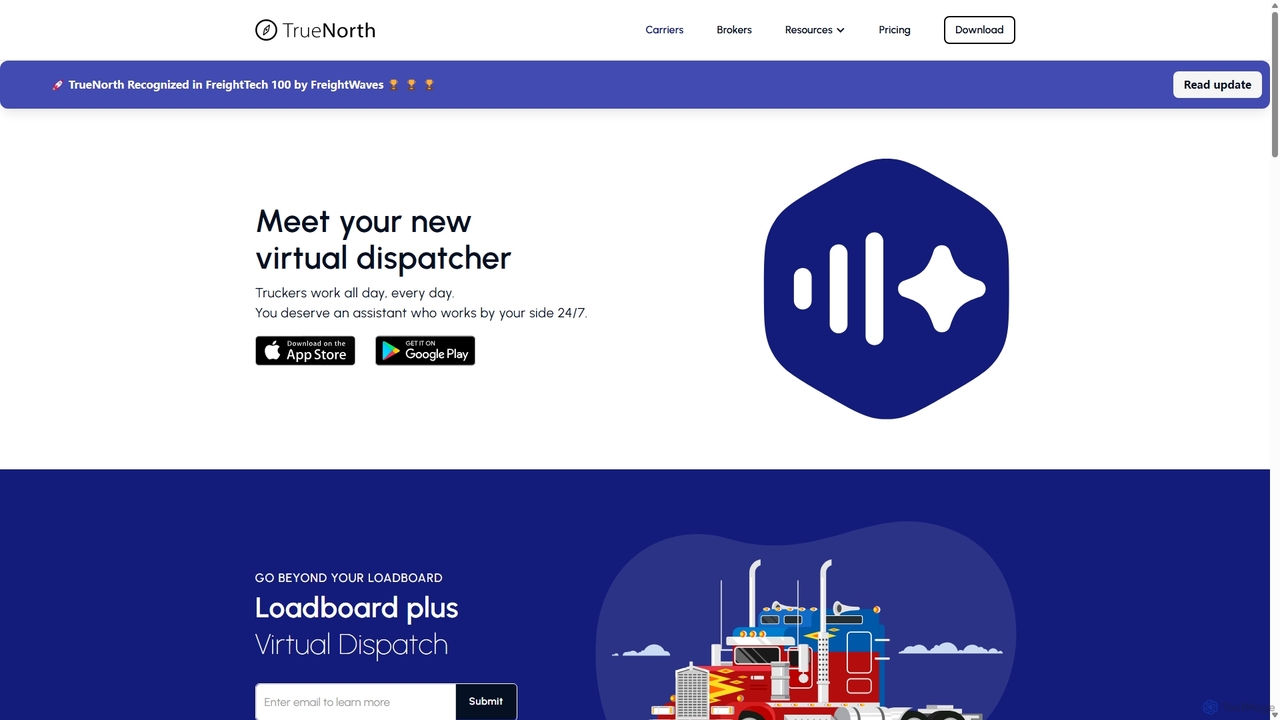
TrueNorth is an AI-powered operating system for the trucking industry, featuring an intelligent loadboard and virtual dispatch service. …

12.2K
hibambi

hibambi

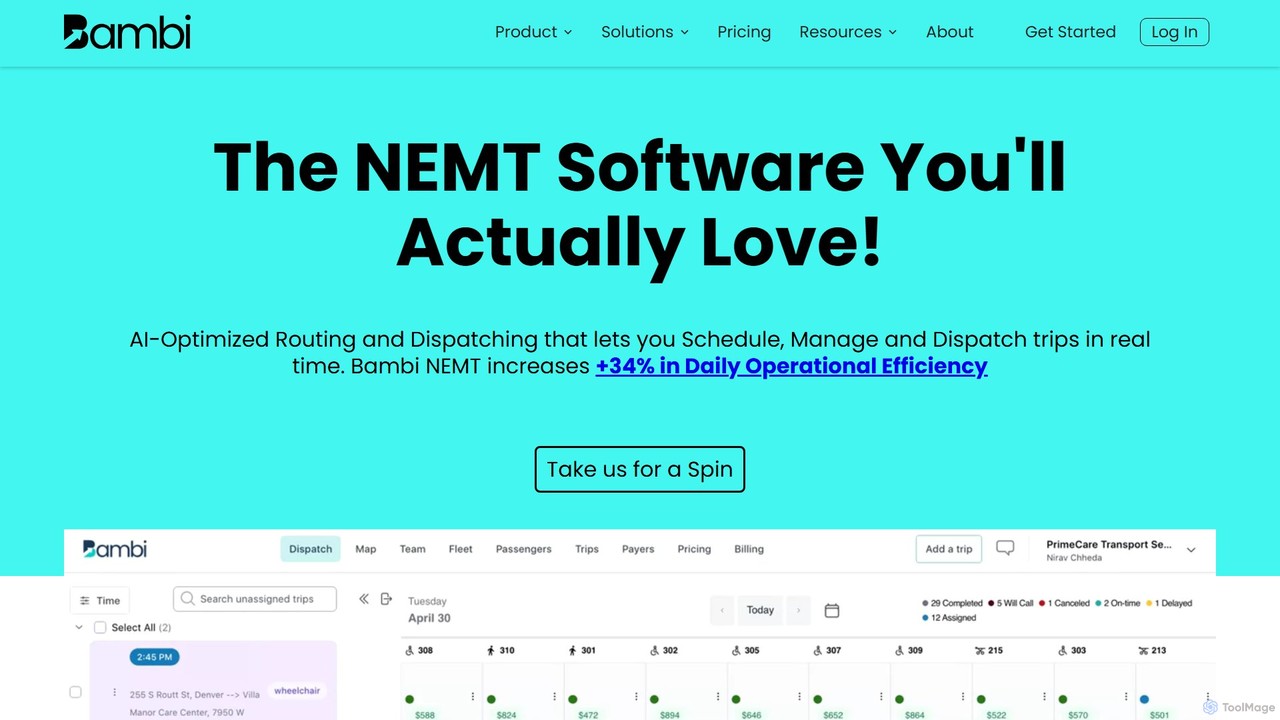
hibambi is an AI-powered software designed for the Non-Emergency Medical Transportation (NEMT) industry. It simplifies and automates scheduling, …

58.7K

About Fleet Management

AI-powered Fleet Management tools are specialized solutions that utilize artificial intelligence to optimize the operation, maintenance, and strategic planning of vehicle fleets. These platforms leverage machine learning algorithms and data analytics to provide predictive insights, automate complex tasks, and enhance decision-making. They significantly improve efficiency, reduce operational costs, and bolster safety across various industries, transforming how logistics and transportation are managed.

Core Features

  • Route Optimization: AI algorithms analyze traffic, weather, and delivery schedules to suggest the most efficient routes, minimizing fuel consumption and travel time.
  • Predictive Maintenance: Machine learning models predict potential vehicle failures based on telematics data, enabling proactive maintenance and reducing downtime.
  • Driver Behavior Analysis: AI monitors driving patterns, identifies risky behaviors, and provides insights for coaching, improving safety and reducing insurance costs.
  • Fuel Efficiency Management: Advanced analytics track fuel consumption, identify inefficiencies, and recommend strategies for optimal fuel usage.
  • Real-time Tracking & Geofencing: Provides precise location data and alerts for vehicles entering or exiting predefined geographical areas, enhancing security and operational oversight.

Applicable Scenarios

These tools are indispensable for logistics and transportation companies managing large vehicle fleets, delivery services optimizing last-mile operations, and public transport authorities seeking to improve schedule adherence and passenger safety. They also benefit construction firms overseeing heavy machinery and field service businesses coordinating mobile workforces.

How to Choose

When selecting an AI fleet management solution, consider its integration capabilities with existing telematics and ERP systems, the breadth and depth of its AI features (e.g., predictive analytics accuracy, optimization algorithms), scalability to accommodate fleet growth, and data security protocols. Evaluate the user interface for ease of use and the vendor's support and training offerings.

Fleet ManagementUse Cases

1

AI-Powered Route Optimization for E-commerce Deliveries

An e-commerce logistics manager uses AI fleet management to dynamically plan and adjust delivery routes for hundreds of vehicles daily. The system analyzes real-time traffic, weather, and delivery priorities, automatically re-routing vehicles to avoid delays and ensure timely customer deliveries, reducing fuel costs by 15% and improving delivery success rates.

2

Predictive Maintenance for Construction Equipment Fleets

A construction company's fleet manager utilizes AI tools to monitor the health of heavy machinery like excavators and cranes. AI analyzes sensor data to predict potential mechanical failures days or weeks in advance, scheduling maintenance proactively during off-peak hours. This minimizes unexpected breakdowns on job sites, extending equipment lifespan and preventing costly project delays.

3

AI-Driven Driver Safety and Performance Monitoring

A commercial trucking company implements AI fleet management to analyze driver behavior, including harsh braking, rapid acceleration, and distracted driving. The AI system provides real-time alerts and generates personalized coaching reports for drivers, leading to a 20% reduction in accident rates and lower insurance premiums, while fostering safer driving habits.

4

Advanced Fuel Efficiency Management for Logistics Fleets

A large logistics enterprise employs AI fleet management to meticulously track and analyze fuel consumption across its diverse fleet. The AI identifies inefficient driving patterns, suboptimal routes, and potential vehicle issues affecting fuel economy. By implementing AI-recommended adjustments, the company achieves a significant reduction in overall fuel expenditure and carbon footprint.

5

Automating Compliance and Regulatory Reporting

A public transportation authority uses AI fleet management to automate the collection and processing of data required for regulatory compliance, such as hours of service (HOS) and vehicle inspection reports. The AI system ensures data accuracy, flags potential violations, and generates comprehensive reports, drastically reducing manual administrative burden and ensuring adherence to strict industry standards.

6

Optimizing Field Service Technician Dispatch

A field service company leverages AI fleet management to efficiently dispatch technicians to customer sites. The AI considers technician skills, current location, traffic conditions, and job urgency to assign the most suitable technician and optimize their daily schedule. This results in faster response times, increased service calls per day, and improved customer satisfaction.

Fleet ManagementFrequently Asked Questions