Logistics Best in category 1 results Vehicle Tracking AI Tool

Popular AI tools in the Vehicle Tracking field of Logistics include Velona, etc., helping you quickly improve efficiency.

Velona

Velona

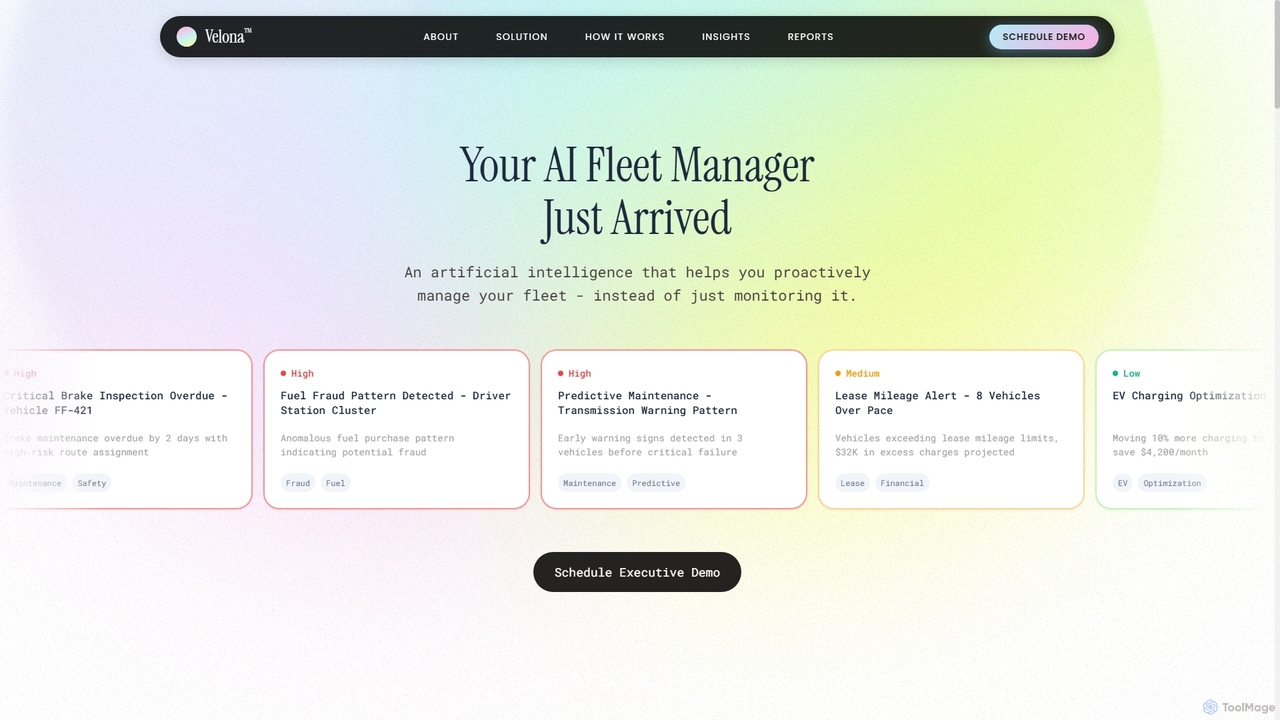
Velona is an AI-powered fleet management platform that transforms traditional monitoring into proactive, intelligent operations. It leverages specialized …

3.3K

About Vehicle Tracking

Vehicle Tracking tools are AI-powered solutions designed to monitor the real-time location, movement, and status of vehicles, playing a crucial role within the broader logistics domain. Leveraging advanced GPS, telematics, and AI analytics, these tools provide critical insights for fleet management, route optimization, and operational efficiency. They are essential for businesses aiming to enhance security, reduce operational costs, and improve service delivery across various industries. By transforming raw vehicle data into actionable intelligence, these systems empower better decision-making and proactive management.

Core Features

  • Real-time GPS Tracking: Pinpoints the exact location of vehicles on a map at any given moment, offering continuous visibility.
  • Geofencing: Allows users to define virtual boundaries and receive alerts when vehicles enter or exit these designated areas.
  • Route Optimization & Planning: Analyzes traffic, road conditions, and delivery schedules to suggest the most efficient routes, saving time and fuel.
  • Driver Behavior Monitoring: Tracks metrics like speed, harsh braking, rapid acceleration, and idling to promote safer driving and reduce wear and tear.
  • Maintenance Scheduling & Alerts: Monitors vehicle diagnostics and mileage to automate maintenance reminders, preventing breakdowns and extending vehicle lifespan.

Use Cases

Vehicle tracking is indispensable for commercial fleets, delivery services, and public transportation. It helps logistics managers optimize delivery schedules, ensures compliance for hazardous material transport, and provides real-time updates for field service teams, significantly enhancing operational control and customer satisfaction.

How to Choose

When selecting a vehicle tracking solution, consider the accuracy and refresh rate of GPS data, the breadth of telematics features (e.g., driver behavior, fuel monitoring), integration capabilities with existing logistics software, and the scalability to accommodate fleet growth. Evaluate the reporting and analytics dashboards for actionable insights, and ensure the system offers robust security features to protect sensitive data.

Vehicle TrackingUse Cases

1

Optimizing Delivery Routes for E-commerce Logistics

E-commerce logistics managers utilize vehicle tracking tools to dynamically adjust delivery routes based on real-time traffic conditions, weather updates, and new order placements. This ensures timely deliveries, reduces fuel consumption by avoiding congestion, and allows for efficient last-mile delivery, directly impacting customer satisfaction and operational costs. The system can automatically re-route drivers, saving significant time and resources daily.

2

Monitoring Cold Chain Integrity for Pharmaceuticals

Pharmaceutical companies and logistics providers transporting temperature-sensitive medications deploy vehicle tracking systems equipped with integrated temperature sensors. These systems continuously monitor the internal temperature of refrigerated vehicles, ensuring goods remain within required ranges. Alerts are triggered immediately if deviations occur, allowing for corrective action to prevent spoilage and maintain regulatory compliance, safeguarding product quality and patient safety.

3

Enhancing Security and Preventing Theft of Construction Equipment

Construction project managers utilize vehicle tracking on heavy machinery and company vehicles to deter theft and unauthorized use. By setting up geofences around construction sites and storage yards, they receive instant alerts if equipment moves outside these designated areas after hours. This proactive monitoring helps recover stolen assets quickly, reduces insurance costs, and ensures equipment is only used for authorized purposes, improving overall asset management and security.

4

Improving Public Transportation Efficiency and Passenger Information

City transport authorities use vehicle tracking to monitor bus and tram schedules, identify delays, and provide real-time arrival predictions to passengers via apps and display boards. This enhances service reliability, reduces passenger waiting times, and allows for proactive adjustments to routes or schedules during unexpected events, significantly improving the overall public transportation experience and operational responsiveness.

5

Managing Field Service Fleets for Efficient Dispatch

Field service companies (e.g., HVAC, plumbing, electrical) leverage vehicle tracking to manage their technician fleets. Dispatchers can quickly identify the closest available technician to an emergency call, optimize service routes for multiple appointments, and provide accurate estimated arrival times to customers. This leads to faster response times, increased service calls per day, and improved customer satisfaction through better communication and efficiency.

6

Ensuring Compliance for Hazardous Material Transport

Logistics firms specializing in hazardous material transport rely on advanced vehicle tracking systems to ensure strict regulatory compliance. These systems monitor vehicle speed, driver behavior, and adherence to designated safe routes, providing real-time alerts for any deviations. This helps prevent accidents, minimizes environmental risks, and ensures that all safety protocols and legal requirements for transporting dangerous goods are met, protecting both personnel and the public.

Vehicle TrackingFrequently Asked Questions