ToolMage
Sign in

Best 3 Supply Chain Management AI tools for Logistics

Popular Supply Chain Management AI tools in Logistics include HappyRobot, BlueCargo, and Hyperfox, helping you work more efficiently.

Hyperfox

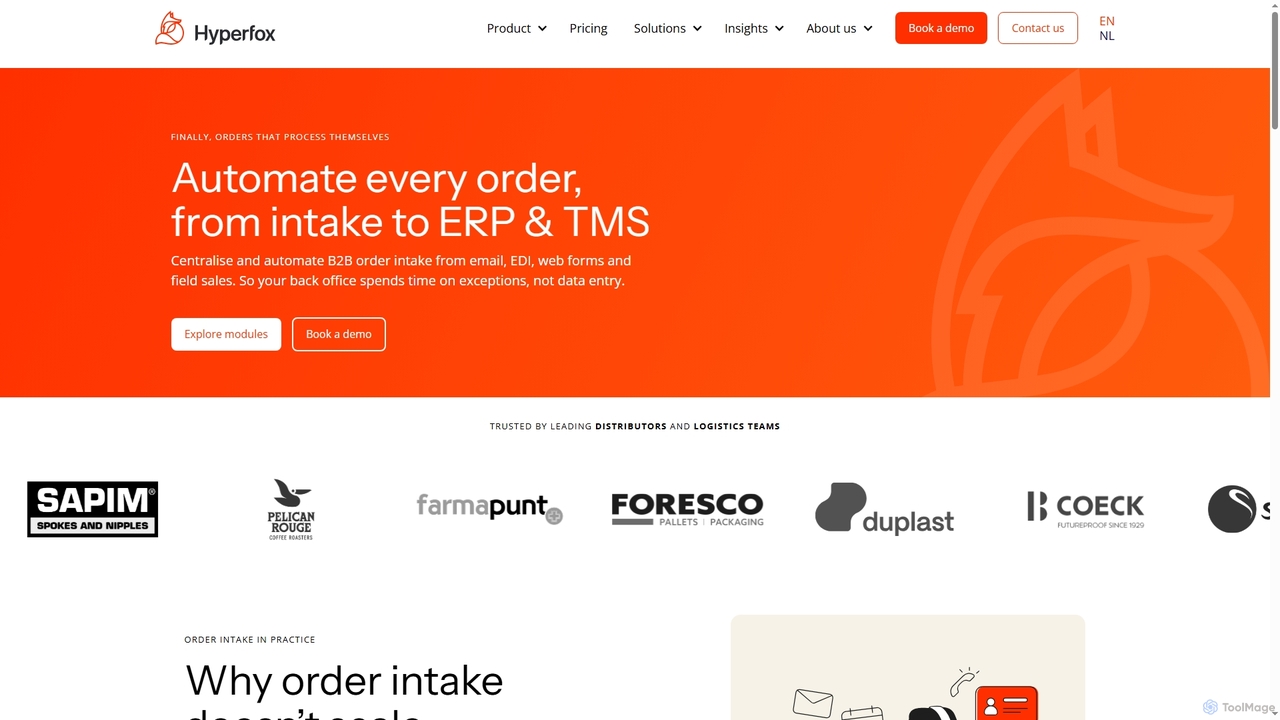
Hyperfox

Hyperfox is an AI-driven B2B order automation software designed for distribution and logistics companies. It streamlines the entire order intake process, from diverse channels like email, EDI, web forms, and field sales, to seamless integration with ERP and TMS systems. By centralizing and validating orders, Hyperfox significantly reduces manual data entry, errors, and operational risks, allowing back-office teams to focus on exceptions rather than routine tasks.

3D
Visits 7.4KFavorites 34Likes 42
HappyRobot
Paid

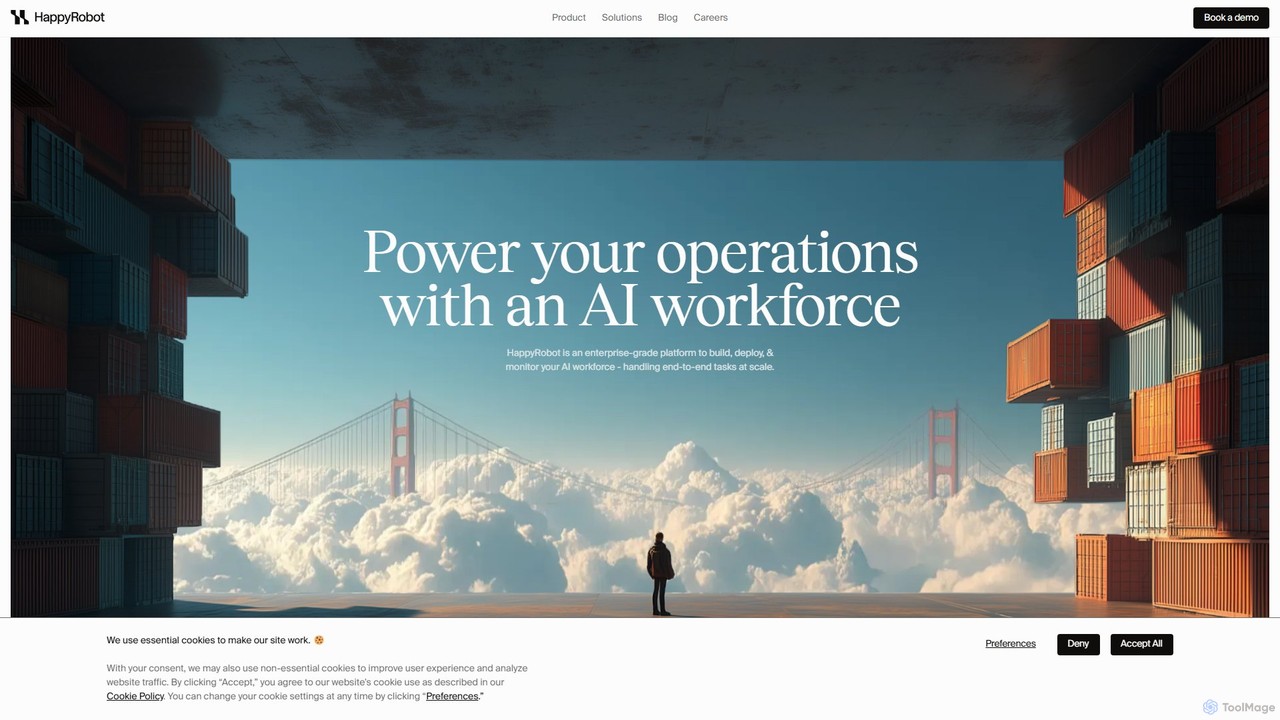
HappyRobot

HappyRobot is an advanced AI platform for building and deploying custom "AI workers" to automate complex business processes. These AI workers can think, communicate, and collaborate across various channels, integrating seamlessly with your existing systems to enhance efficiency, particularly in logistics and supply chain operations.

Automation
Visits 76.1KFavorites 126Likes 129
BlueCargo
Paid

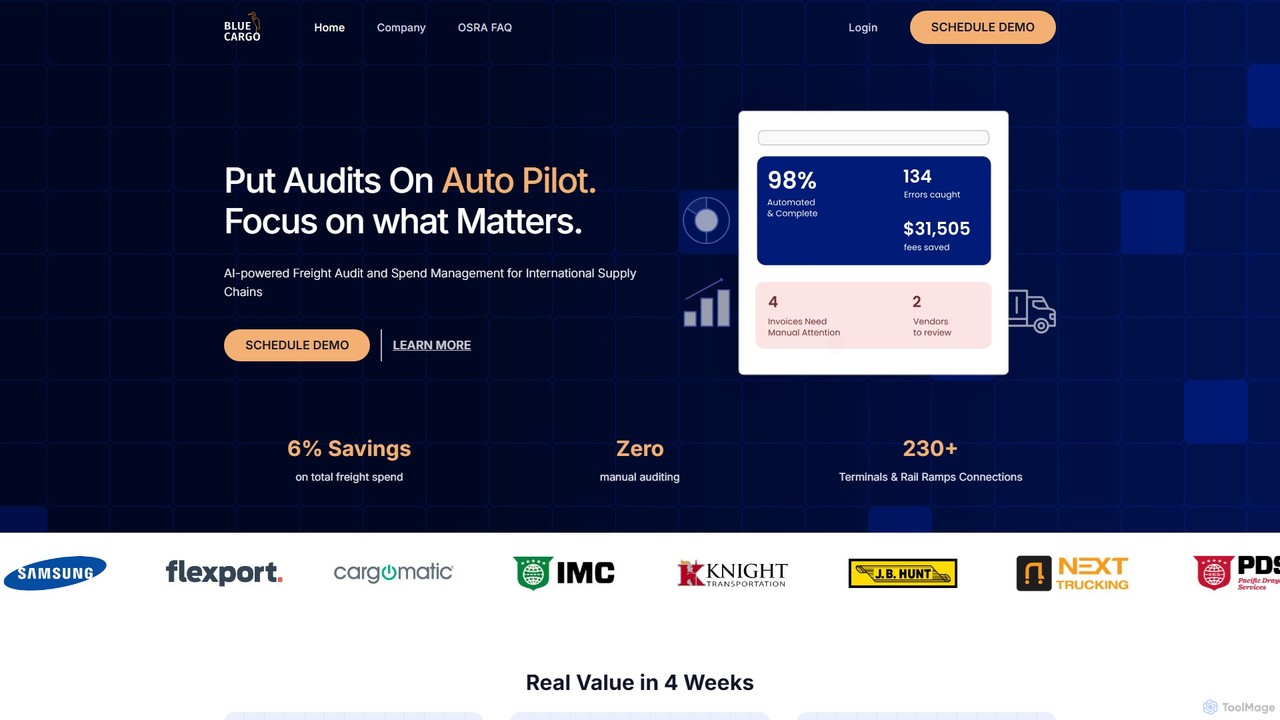
BlueCargo

BlueCargo is an AI-powered SaaS platform for the logistics industry, designed to help carriers, shippers, and freight forwarders optimize port operations. It focuses on monitoring, forecasting, and mitigating costly detention and demurrage (D&D) charges through real-time container tracking, automated cost auditing, and streamlined scheduling, ultimately reducing operational expenses and increasing supply chain efficiency.

Data Analytics
Visits 16.4KFavorites 100Likes 98

About Supply Chain Management

Supply Chain Management (SCM) AI tools are a category of AI-powered solutions designed to optimize and automate various stages of the supply chain, from procurement to delivery. Leveraging advanced algorithms and machine learning, these tools enhance visibility, predict disruptions, and improve decision-making across complex logistics networks. As a critical component within the broader Logistics domain, SCM AI tools drive efficiency, reduce costs, and build resilience in global operations.

Core Features

  • Demand Forecasting: Predicts future product demand using historical data and external factors to optimize inventory levels.
  • Inventory Optimization: Manages stock levels across warehouses to minimize holding costs and prevent stockouts.
  • Logistics Route Optimization: Plans the most efficient delivery routes, considering traffic, capacity, and delivery windows.
  • Supplier Risk Management: Assesses and monitors supplier performance and potential risks using real-time data.
  • Predictive Maintenance: Forecasts equipment failures in logistics infrastructure to schedule proactive maintenance.

Applicable Scenarios

Businesses across manufacturing, retail, and e-commerce utilize SCM AI tools to streamline operations. For instance, a global retailer can use AI for real-time inventory tracking and automated reordering, while a logistics provider can optimize fleet scheduling and route planning to reduce fuel consumption and delivery times. These tools are essential for enhancing operational agility and responsiveness.

How to Choose

When selecting SCM AI tools, consider the breadth of integration with existing ERP and WMS systems, the accuracy of predictive models for your specific data, and the scalability to handle growing operational demands. Evaluate the user interface for ease of adoption by your team and the vendor's support for continuous model refinement and updates. Data security and compliance with industry regulations are also paramount.

Supply Chain Management use cases

1

Optimizing Demand Forecasting and Inventory

A retail chain's procurement manager uses AI-driven SCM tools to analyze sales data, seasonal trends, and external market indicators. The system accurately forecasts demand for thousands of SKUs, automatically suggesting optimal reorder points and quantities. This reduces overstocking by 20% and minimizes stockouts, ensuring product availability and improving customer satisfaction.

2

Automating Logistics Route Planning

A freight company's dispatch team leverages AI for real-time route optimization. The tool considers traffic conditions, vehicle capacity, delivery windows, and fuel efficiency to generate the most cost-effective and timely routes for its fleet. This results in a 15% reduction in fuel costs and a significant improvement in on-time delivery rates.

3

Enhancing Supplier Performance and Risk Management

A manufacturing firm's supply chain director employs AI to monitor supplier performance metrics, geopolitical events, and raw material price fluctuations. The AI identifies potential supply disruptions or quality issues before they escalate, allowing the firm to proactively diversify suppliers or adjust production schedules, mitigating financial losses.

4

Predictive Maintenance for Warehouse Equipment

A large distribution center utilizes AI to analyze sensor data from its conveyor belts, forklifts, and automated storage and retrieval systems. The AI predicts potential equipment failures days or weeks in advance, enabling maintenance teams to schedule repairs proactively during off-peak hours. This minimizes downtime and extends the lifespan of critical assets.

5

Streamlining Order Fulfillment and Last-Mile Delivery

An e-commerce platform integrates AI SCM tools to manage its order fulfillment process. The AI optimizes warehouse picking paths, allocates orders to the nearest fulfillment centers, and coordinates last-mile delivery with local couriers. This significantly speeds up delivery times and reduces shipping costs, enhancing the overall customer experience.

6

Improving Production Planning and Scheduling

A pharmaceutical manufacturer uses AI to optimize its complex production schedules, taking into account raw material availability, machine capacity, regulatory compliance, and demand forecasts. The AI generates dynamic production plans that minimize waste, reduce lead times, and ensure timely delivery of critical medications, even with fluctuating demand.

Supply Chain Management FAQ

What are AI Supply Chain Management tools?

AI Supply Chain Management tools are software solutions that apply artificial intelligence, including machine learning and predictive analytics, to automate and optimize various aspects of the supply chain. They aim to improve efficiency, reduce costs, enhance visibility, and build resilience across procurement, manufacturing, logistics, and delivery processes.

How do AI SCM tools differ from traditional SCM software?

Traditional SCM software primarily relies on predefined rules and historical data for planning and execution. AI SCM tools, however, use advanced algorithms to learn from vast datasets, identify complex patterns, and make predictive or prescriptive recommendations. This enables them to adapt to dynamic conditions, optimize in real-time, and handle unforeseen disruptions more effectively than rule-based systems.

What are the key benefits of implementing AI in supply chain management?

Implementing AI in SCM offers several key benefits, including enhanced demand forecasting accuracy, optimized inventory levels, improved logistics efficiency through route optimization, proactive risk management for suppliers and operations, and greater visibility across the entire supply chain. These lead to significant cost reductions, increased operational agility, and better customer satisfaction.

Which industries benefit most from AI Supply Chain Management?

Industries with complex, global, or high-volume supply chains benefit most. This includes manufacturing (especially automotive, electronics, pharmaceuticals), retail and e-commerce, logistics and transportation, and consumer packaged goods. These sectors often face challenges like volatile demand, extensive supplier networks, and intricate distribution channels, where AI can provide substantial value.

What factors should I consider when choosing an AI SCM solution?

When choosing an AI SCM solution, consider its integration capabilities with your existing ERP, WMS, and TMS systems, the accuracy and adaptability of its AI models to your specific data and business context, and its scalability to grow with your operations. Also, evaluate the vendor's expertise, data security features, and the level of support for implementation and ongoing optimization.