Logistics Best in category 2 results Supply Chain AI Tool

Popular AI tools in the Supply Chain field of Logistics include ropuz、Tracking, etc., helping you quickly improve efficiency.

Tracking

Tracking

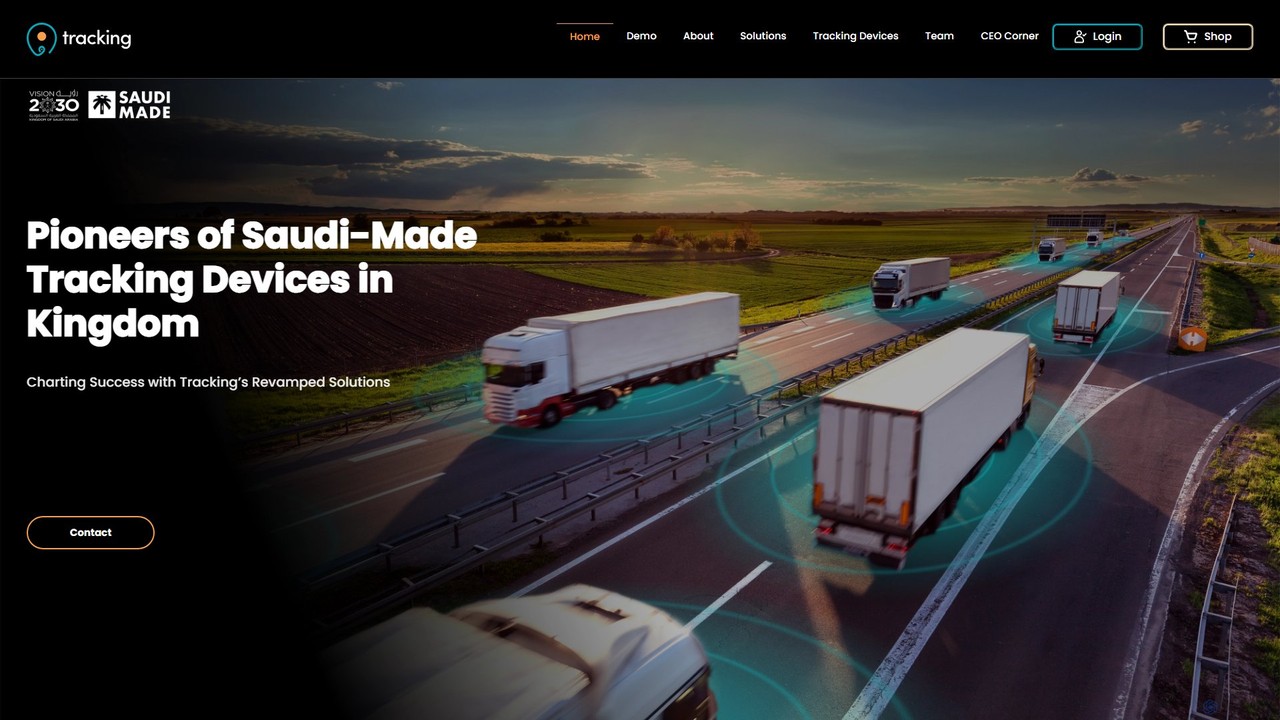
Tracking is a specialized B2B technology provider based in Saudi Arabia, offering comprehensive GPS tracking and fleet management …

6.0K
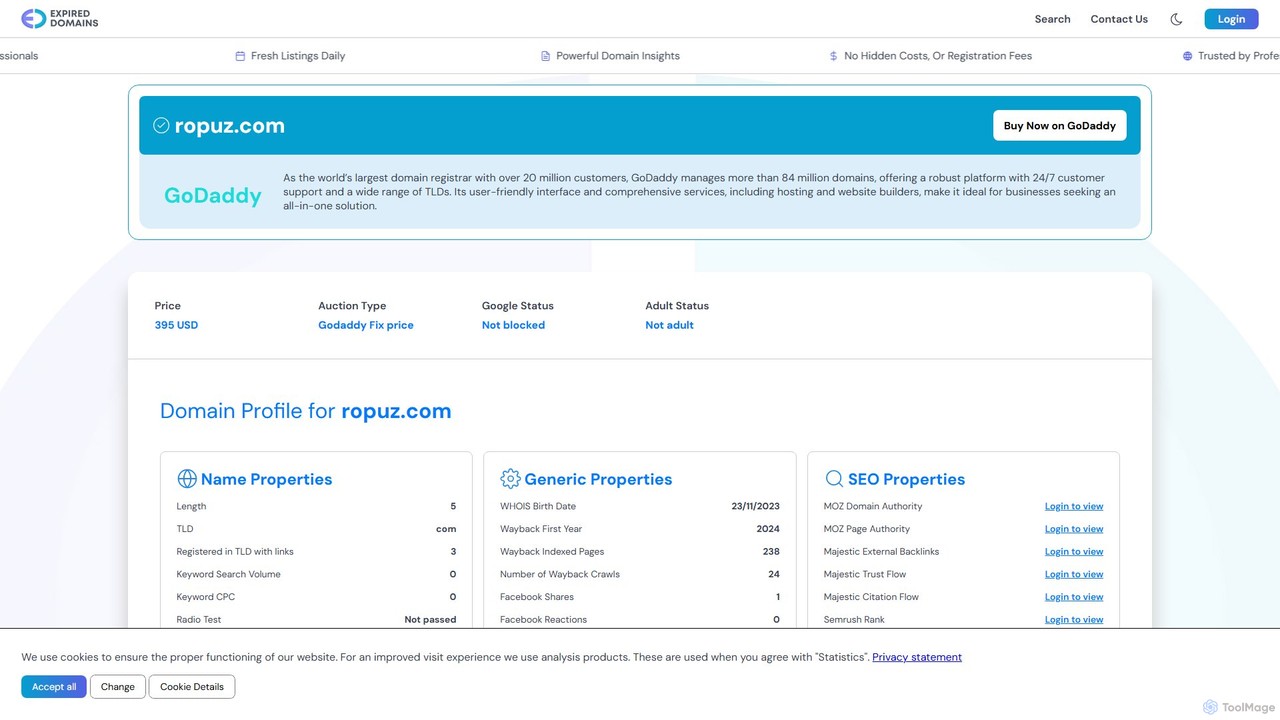
ropuz

ropuz

ropuz is an AI-powered decision intelligence platform that helps businesses solve complex operational puzzles. It uses advanced algorithms …

2.1M

About Supply Chain

Supply Chain AI tools are advanced platforms that leverage artificial intelligence to optimize the entire flow of goods, information, and finances from raw materials to end-consumer. These tools utilize machine learning, predictive analytics, and automation to enhance efficiency, resilience, and responsiveness across complex global networks. They provide real-time visibility and data-driven insights, transforming traditional supply Chain management into a proactive and intelligent system.

Core Features

  • Demand Forecasting: Predicts future product demand with high accuracy using historical data and external factors.
  • Inventory Optimization: Dynamically manages stock levels to minimize holding costs and prevent stockouts.
  • Route & Network Optimization: Identifies the most efficient transportation routes and warehouse locations.
  • Risk Management: Proactively identifies potential disruptions and suggests mitigation strategies.
  • Supplier Performance Monitoring: Evaluates and optimizes supplier reliability and compliance.

Applicable Scenarios

Businesses across manufacturing, retail, e-commerce, and logistics sectors utilize Supply Chain AI tools. For instance, a global manufacturer can optimize raw material procurement and production schedules, while an e-commerce giant can enhance last-mile delivery efficiency and manage returns more effectively. These tools empower supply chain managers, procurement specialists, and logistics planners to make data-driven decisions.

How to Choose

When selecting Supply Chain AI tools, consider the breadth of features (e.g., forecasting, inventory, logistics), integration capabilities with existing ERP/SCM systems, the scalability to handle growing operations, and the level of customization offered. Evaluate the accuracy of predictive models, the user-friendliness of the interface, and the vendor's support and expertise in supply chain analytics.

Supply ChainUse Cases

1

Optimizing Demand Forecasting Accuracy

A retail chain uses AI to analyze sales history, seasonal trends, and external economic indicators to predict future product demand with greater precision. This allows for more accurate inventory planning, reducing overstocking and lost sales due to stockouts, leading to improved profitability and customer satisfaction.

2

Automating Inventory Management

A manufacturing company deploys AI to continuously monitor raw material and finished goods inventory levels across multiple warehouses. The system automatically triggers reorder points, suggests optimal order quantities, and identifies slow-moving items, significantly reducing carrying costs and preventing production delays.

3

Enhancing Logistics Route Planning

A logistics provider leverages AI to dynamically optimize delivery routes for its fleet, considering real-time traffic, weather conditions, and delivery windows. This results in reduced fuel consumption, lower transportation costs, faster delivery times, and a smaller carbon footprint.

4

Proactive Supply Chain Risk Mitigation

A pharmaceutical company uses AI to monitor global events, supplier financial health, and geopolitical risks. The system alerts supply chain managers to potential disruptions (e.g., port closures, material shortages) and recommends alternative sourcing or logistics strategies, ensuring continuity of critical supplies.

5

Streamlining Supplier Relationship Management

An automotive OEM employs AI to evaluate supplier performance based on delivery times, quality, compliance, and cost-effectiveness. The AI identifies underperforming suppliers and suggests areas for improvement or alternative partners, fostering a more resilient and efficient supplier network.

6

Improving Warehouse Operations Efficiency

A large distribution center implements AI-powered robotics and intelligent warehouse management systems to optimize picking paths, slotting strategies, and labor allocation. This leads to faster order fulfillment, reduced operational errors, and better utilization of warehouse space and personnel.

Supply ChainFrequently Asked Questions