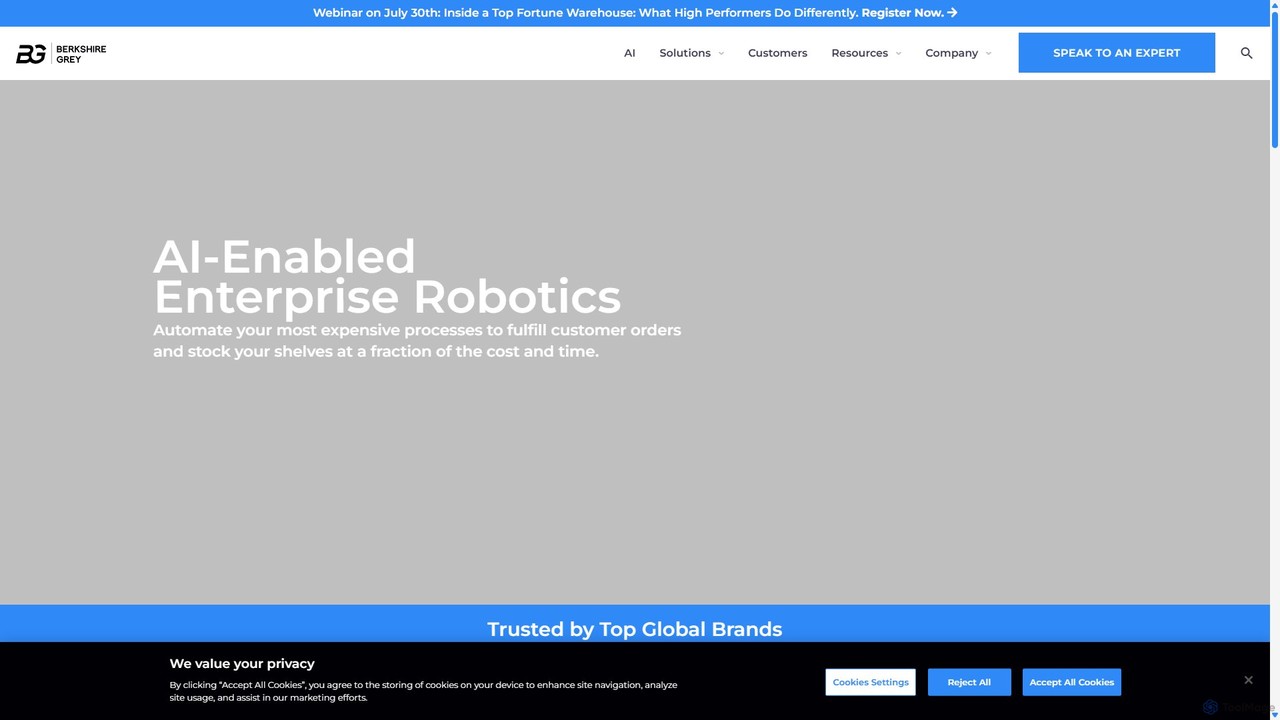
Supply Chain Automation tools are a class of AI-powered software designed to intelligently manage and optimize the flow of goods, data, and finances. These tools leverage machine learning, predictive analytics, and IoT data to automate complex decisions and processes, from procurement to final delivery. Their primary value lies in increasing efficiency, reducing operational costs, and enhancing supply chain resilience against disruptions. By analyzing vast datasets in real-time, they provide predictive insights that surpass traditional logistics management systems.
Core Features
- Predictive Demand Forecasting: Utilizes historical data and external factors to accurately predict future product demand, preventing stockouts and overstocking.
- Automated Inventory Optimization: Intelligently manages stock levels across multiple locations, automating reorder points and safety stock calculations.
- Intelligent Route Planning: Dynamically optimizes delivery routes based on real-time traffic, weather, and vehicle capacity to reduce fuel costs and delivery times.
- Automated Procurement: Streamlines the purchasing process by automatically identifying needs, selecting suppliers based on performance data, and placing orders.
- Risk Detection & Mitigation: Proactively identifies potential disruptions in the supply chain, such as supplier delays or port congestion, and suggests alternative actions.
Use Cases
These tools are crucial for industries with complex logistics, such as manufacturing, retail, e-commerce, and pharmaceuticals. Supply chain managers, logistics coordinators, and procurement specialists use them to automate routine tasks, analyze performance, and make data-driven strategic decisions. For example, an e-commerce company can use it to automate warehouse operations, while a manufacturer can optimize its global sourcing strategy.
How to Choose
When selecting a Supply Chain Automation tool, consider its integration capabilities with your existing ERP and WMS systems. Evaluate the accuracy and sophistication of its predictive models for forecasting and optimization. Assess its scalability to handle your operational volume and complexity. Also, consider the user interface's intuitiveness for your team and the vendor's industry-specific expertise and support.