Logistics Best in category 3 results Route Planning AI Tool

Popular AI tools in the Route Planning field of Logistics include Routerra、Scrollengine、dairytech.ai, etc., helping you quickly improve efficiency.

Routerra

Routerra

Routerra is an AI-powered route planner designed for delivery drivers, gig economy workers, and logistics businesses. It optimizes …

10.8K
Scrollengine

Scrollengine

Scrollengine is an AI-powered logistics and operations platform designed for modern e-commerce businesses. It unifies local delivery, route …

3.1K
dairytech.ai

dairytech.ai

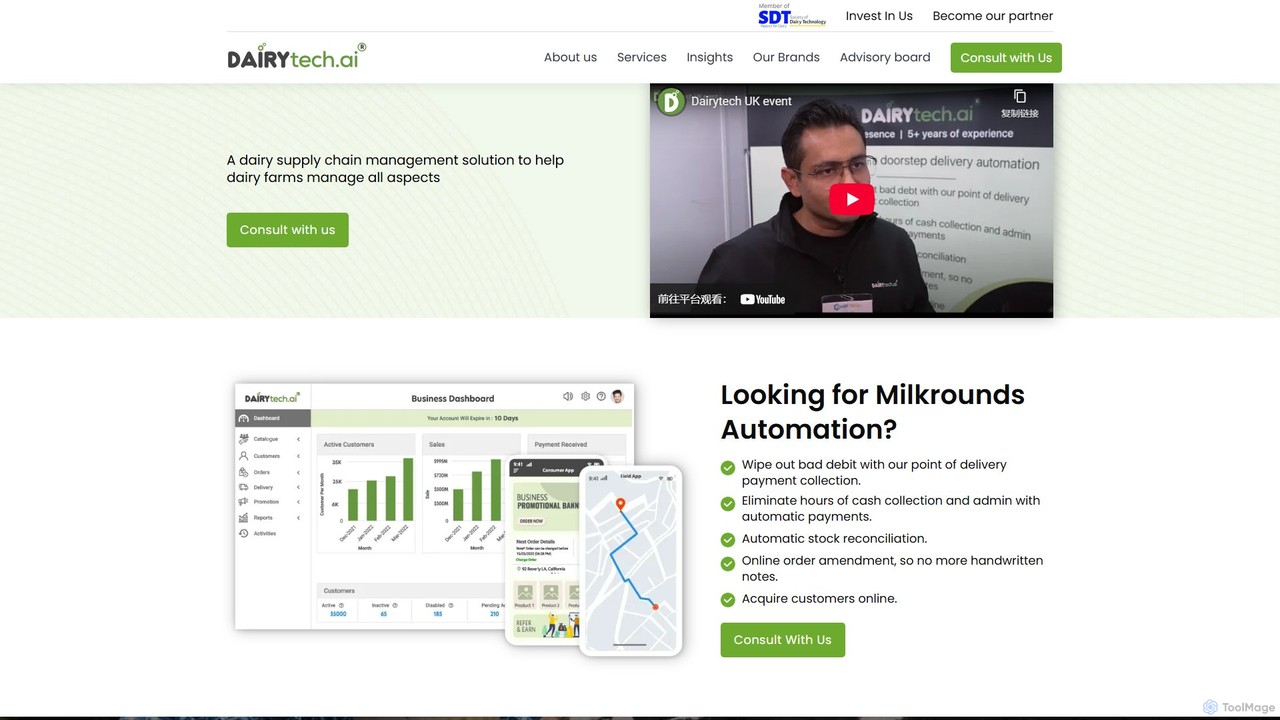
Dairytech.ai is an AI-powered, end-to-end supply chain management platform for the dairy industry. It provides smart solutions for …

2.8K

About Route Planning

AI Route Planning tools are specialized solutions within logistics that leverage artificial intelligence to optimize transportation routes. These tools analyze vast datasets including real-time traffic, weather, delivery windows, and vehicle capacities to generate the most efficient paths. Their primary value lies in minimizing travel time, fuel consumption, and operational costs, significantly enhancing the efficiency of delivery and field service operations.

Core Features

  • Dynamic Route Optimization: Automatically adjusts routes in real-time based on new orders, traffic changes, or unexpected delays.
  • Multi-Stop & Multi-Vehicle Planning: Efficiently plans complex routes for multiple vehicles with numerous stops, considering various constraints.
  • Geospatial Data Integration: Incorporates detailed map data, road networks, and geographical restrictions for accurate planning.
  • Predictive Analytics: Uses historical data to forecast optimal routes, delivery times, and potential issues.
  • Constraint Management: Accounts for vehicle capacity, driver availability, delivery time windows, and customer preferences.

Use Cases

Businesses involved in last-mile delivery, field service management, and supply chain logistics heavily rely on AI route planning. This includes e-commerce companies optimizing delivery fleets, utility providers scheduling maintenance crews, and transportation firms managing complex freight movements.

How to Choose

When selecting an AI route planning tool, consider its scalability to handle your fleet size and order volume, integration capabilities with existing TMS/ERP systems, the accuracy of its real-time data, and the level of customization offered for specific operational constraints. Evaluate the user interface for ease of use and the vendor's support for implementation and ongoing optimization.

Route PlanningUse Cases

1

Optimizing Last-Mile Delivery Routes

E-commerce logistics managers use AI route planning to consolidate daily orders, assign them to available drivers, and generate the most efficient sequence of stops. The AI considers traffic, delivery time windows, and vehicle capacity, reducing fuel costs by 15% and improving on-time delivery rates by 20% for urban deliveries.

2

Scheduling Field Service Technicians

A utility company dispatches field technicians for repairs and installations. AI route planning automatically assigns service requests to technicians based on their skills, location, and workload, creating optimized daily schedules. This minimizes travel time between jobs, allowing technicians to complete two additional service calls per day.

3

Managing Multi-Drop Freight Transportation

Freight carriers utilize AI route planning to manage complex multi-drop shipments across regions. The system plans optimal routes for trucks carrying diverse cargo to multiple destinations, factoring in road restrictions, driver hours, and delivery deadlines. This ensures efficient utilization of truck capacity and adherence to strict schedules.

4

Planning Waste Collection Routes

Municipal waste management services employ AI route planning to design efficient collection paths for garbage trucks. The AI considers street layouts, collection frequency, and truck capacity, minimizing redundant travel and ensuring all areas are serviced within designated times. This leads to significant fuel savings and reduced operational hours.

5

Optimizing Sales Representative Travel Schedules

Sales teams with large territories use AI route planning to organize client visits. The tool helps sales representatives plan their daily or weekly travel itineraries, grouping nearby clients and suggesting the most efficient sequence of meetings. This maximizes face-to-face time with clients and reduces travel-related expenses.

6

Emergency Service Dispatch Optimization

Emergency services (e.g., ambulance, fire department) can leverage AI route planning for rapid dispatch. The system quickly identifies the closest available unit, calculates the fastest route considering real-time traffic and road closures, and provides turn-by-turn navigation. This reduces response times, potentially saving lives.

Route PlanningFrequently Asked Questions