Best of the Year 12 results Mental Health AI Tools

Popular AI tools in the Mental Health field include Freudly、Murmur、Solemnsir、LiftMind、PsyFly、Rage Text Preventer、OpenUp、Meditaia、Lumoai、PsychPal, etc., helping you quickly improve efficiency.

Murmur

Murmur

Murmur is an AI-powered phone anxiety practice application designed to help users overcome the fear of phone conversations …

24.2K
LiftMind

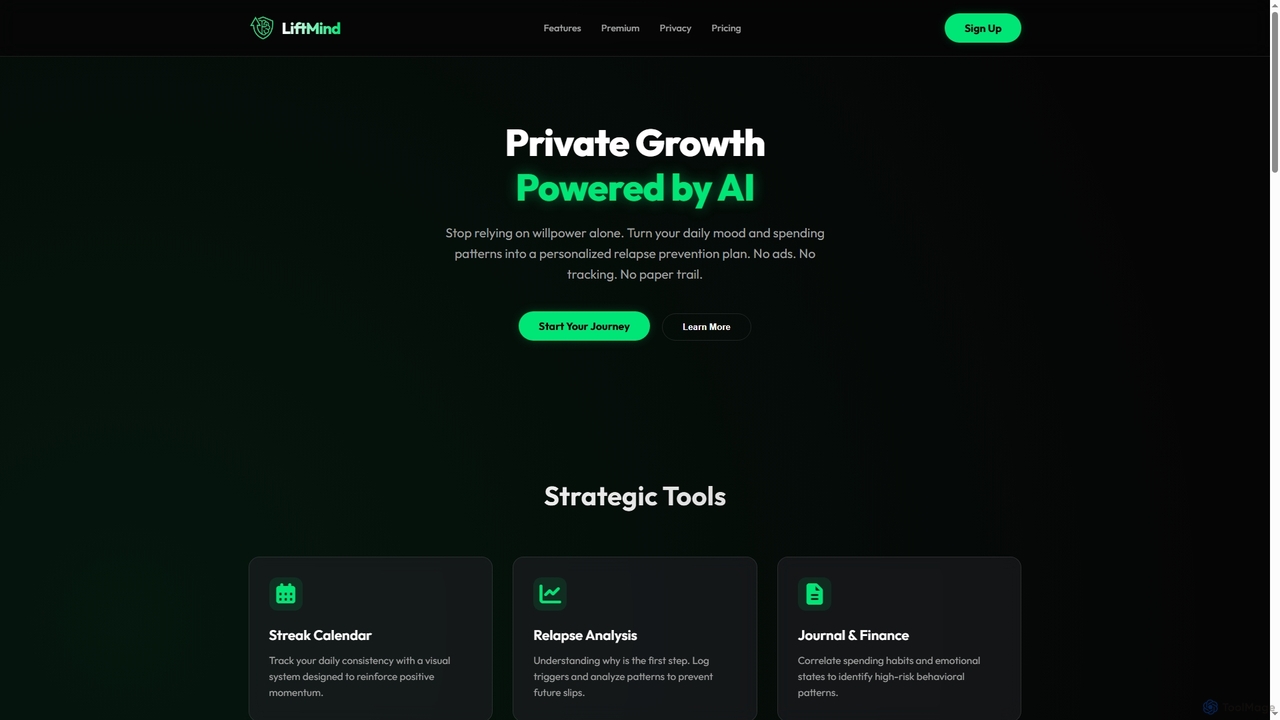
LiftMind

LiftMind is an AI-powered, privacy-first platform designed for personal growth and addiction recovery. It offers strategic tools like …

3.1K
OpenUp

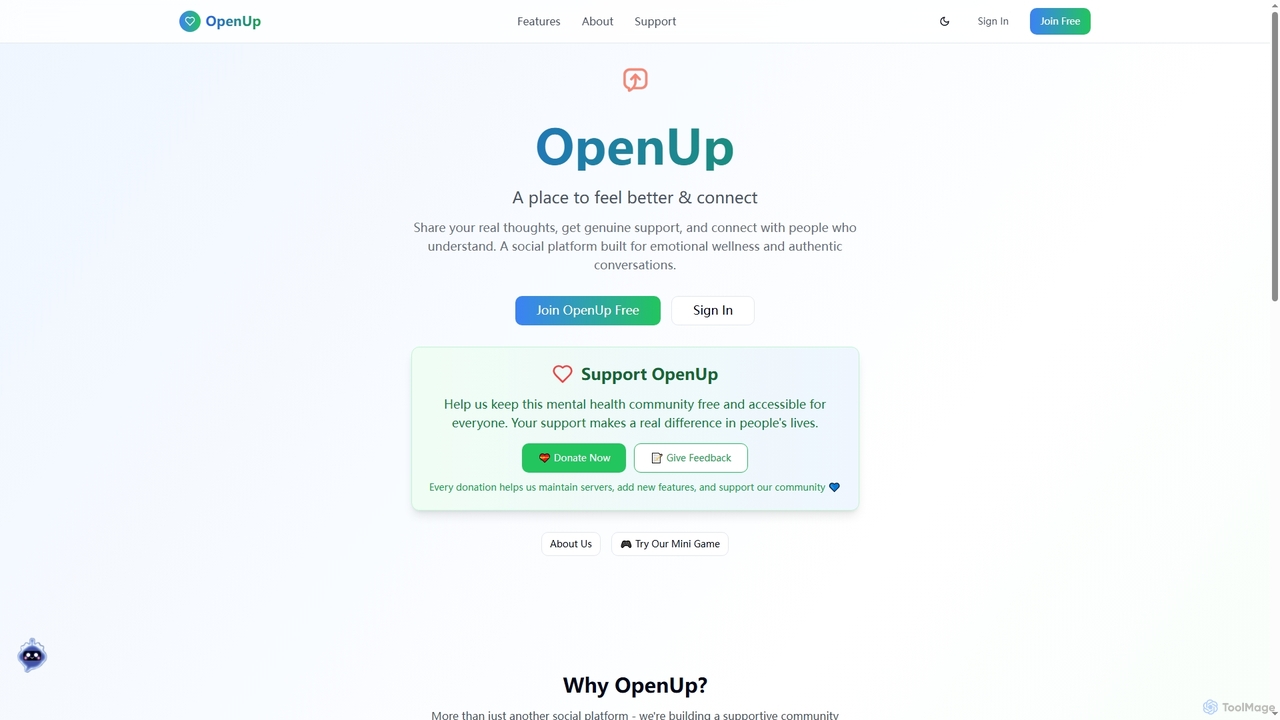
OpenUp

OpenUp is a social platform designed for emotional wellness and authentic conversations, providing a safe space to share …

3.1K
PsychPal

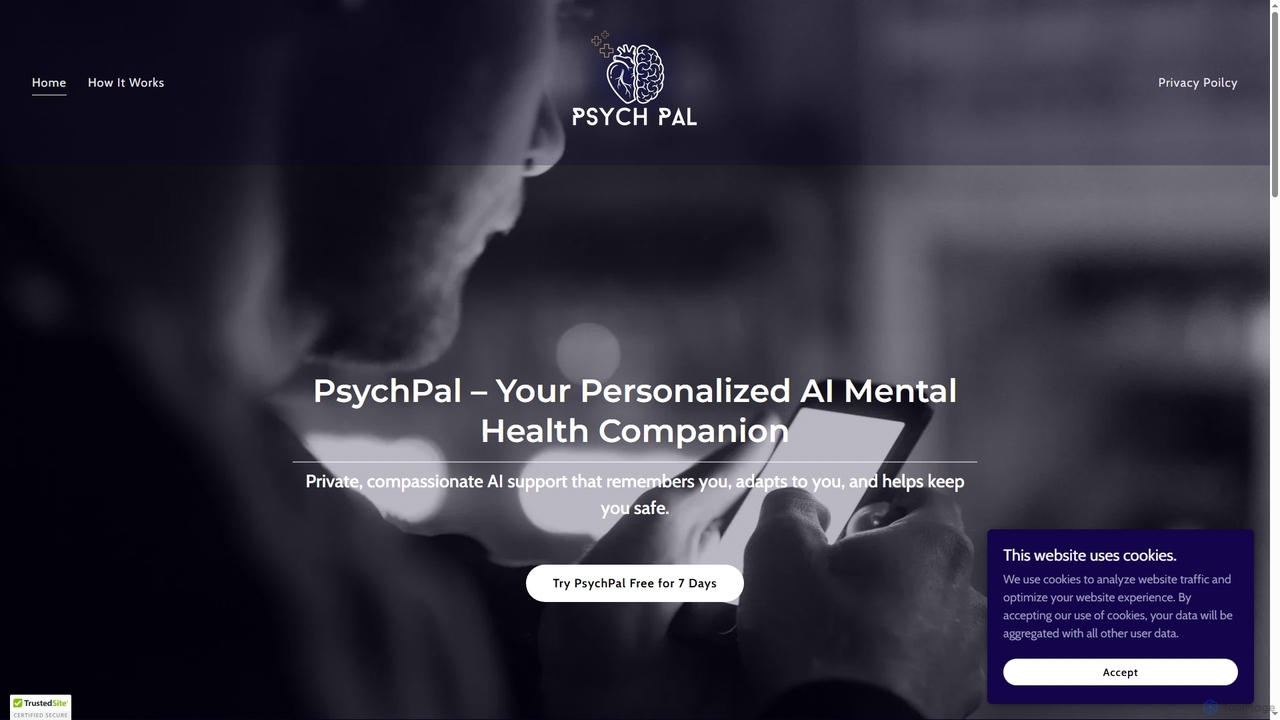
PsychPal

PsychPal is a personalized AI mental health companion offering private, compassionate support. It adapts to your needs, helps …

3.1K
Rage Text Preventer

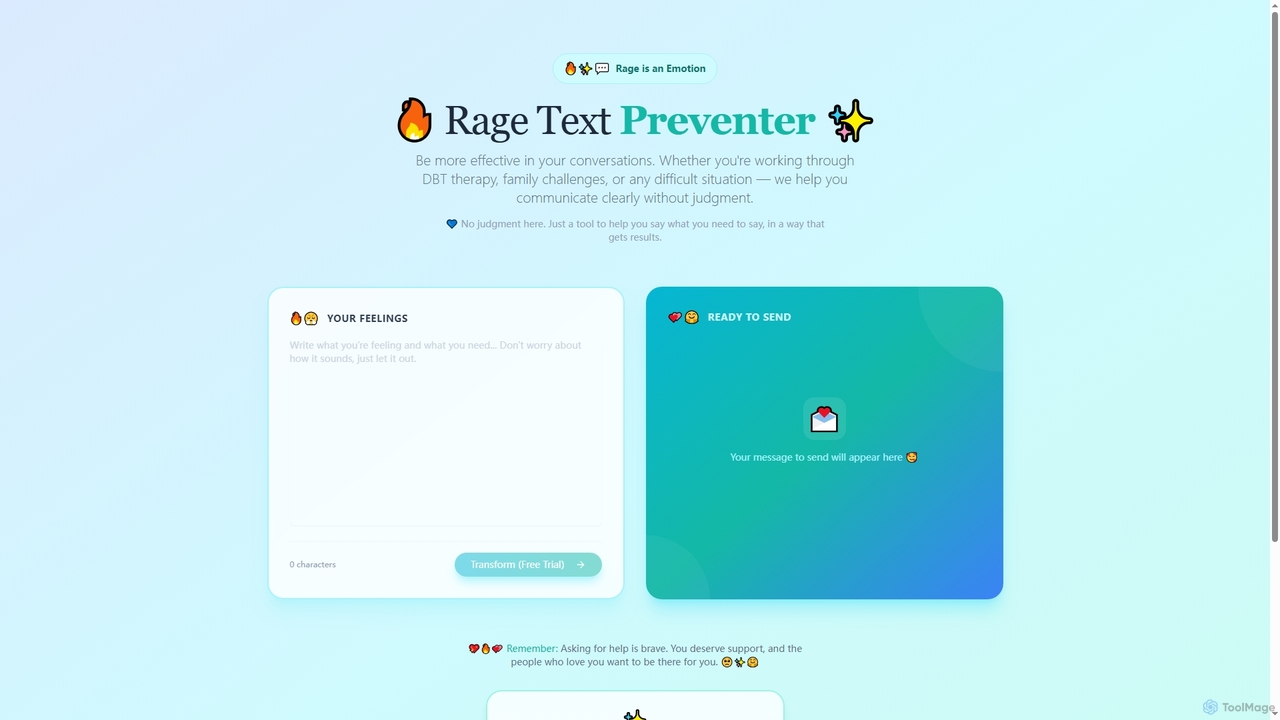
Rage Text Preventer

An AI-powered communication tool that helps you transform emotionally charged or angry texts into clear, effective, and non-judgmental …

3.1K
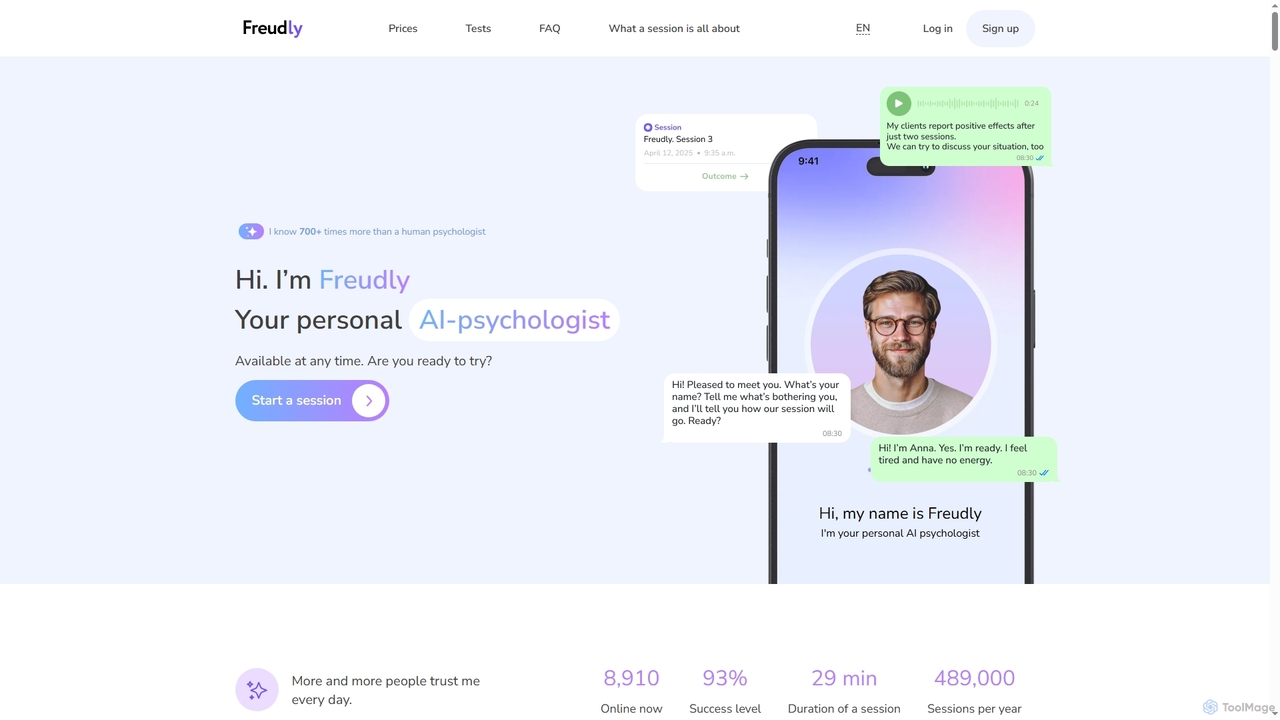
Freudly

Freudly

Freudly is an AI-powered personal psychologist offering 24/7 anonymous mental health support. It provides evidence-based therapy sessions, psychological …

256.5K
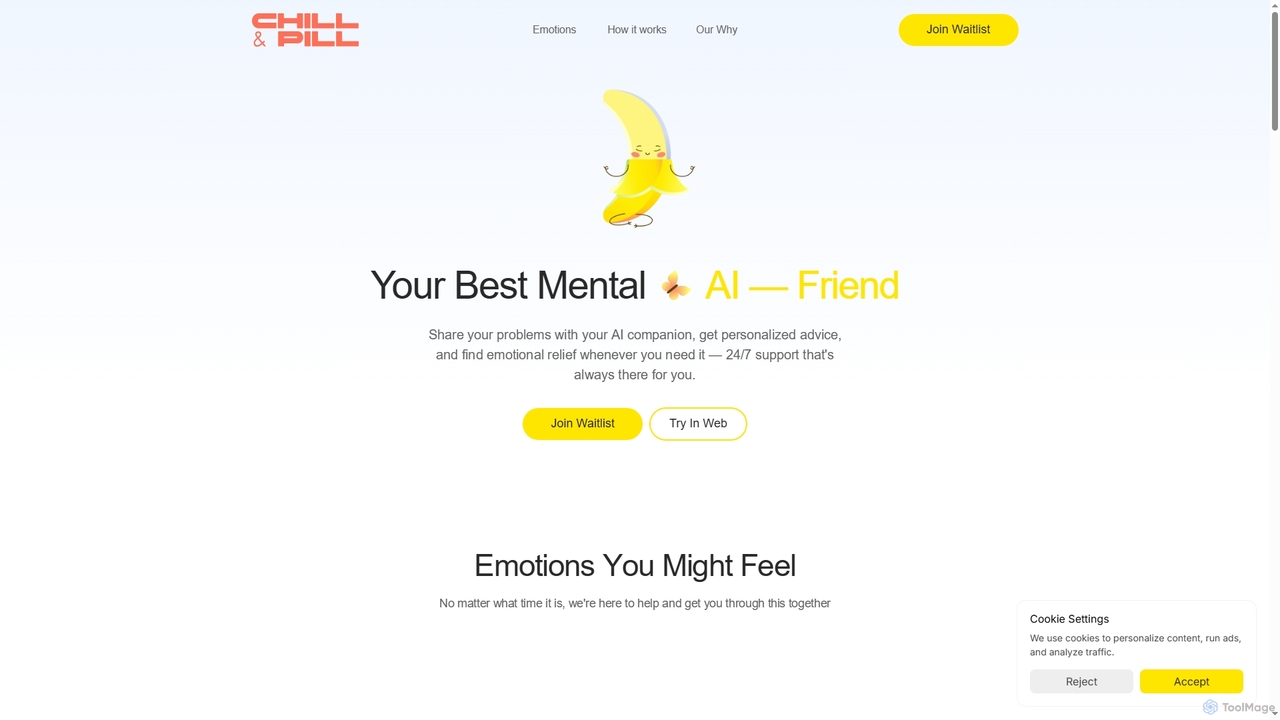
ChillandPill

ChillandPill

ChillandPill is an AI emotional support companion designed to be your non-judgmental 'pocket friend.' It offers 24/7 personalized …

3.0K
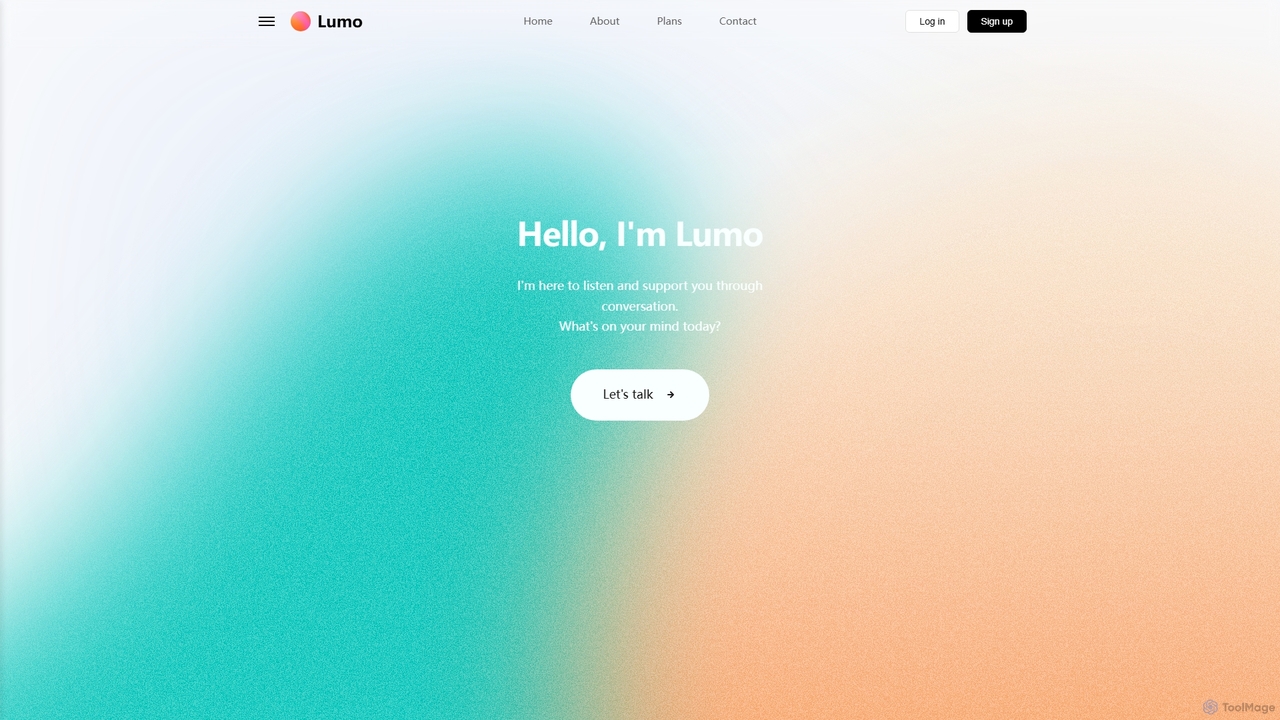
Lumoai

Lumoai

Lumoai is an AI-powered conversational companion designed to provide 24/7 emotional support and a listening ear. It offers …

3.1K
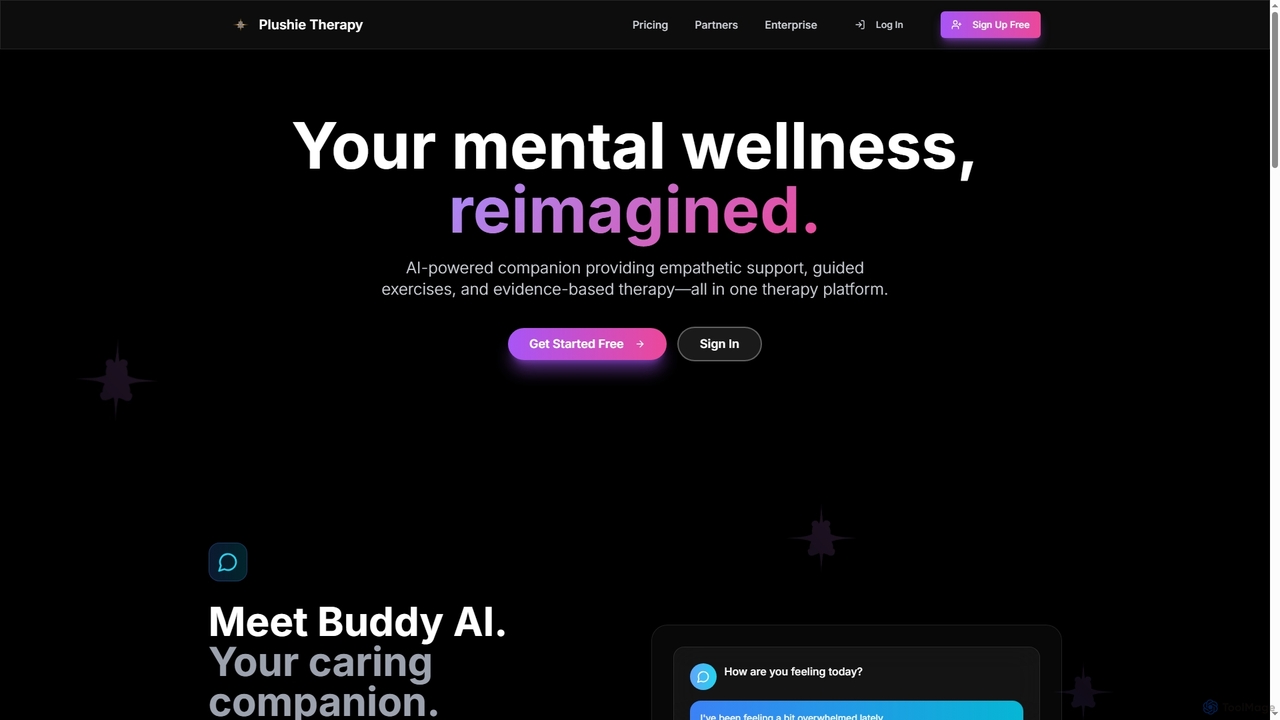
Plushie Therapy

Plushie Therapy

Plushie Therapy is an AI-powered mental wellness platform offering 24/7 empathetic support, guided exercises, and evidence-based therapeutic resources. …

3.0K
Solemnsir

Solemnsir

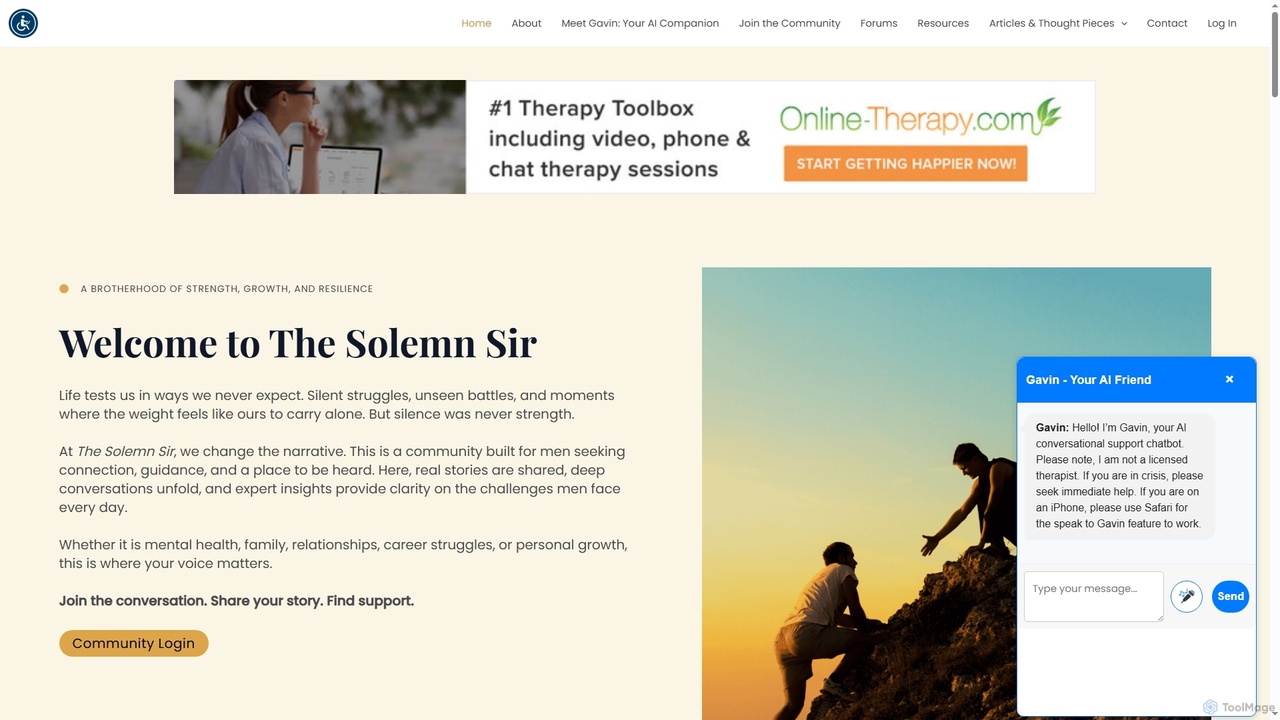
Solemnsir is a dedicated online community and resource hub for men, offering a supportive brotherhood, expert articles, and …

4.3K
PsyFly

PsyFly

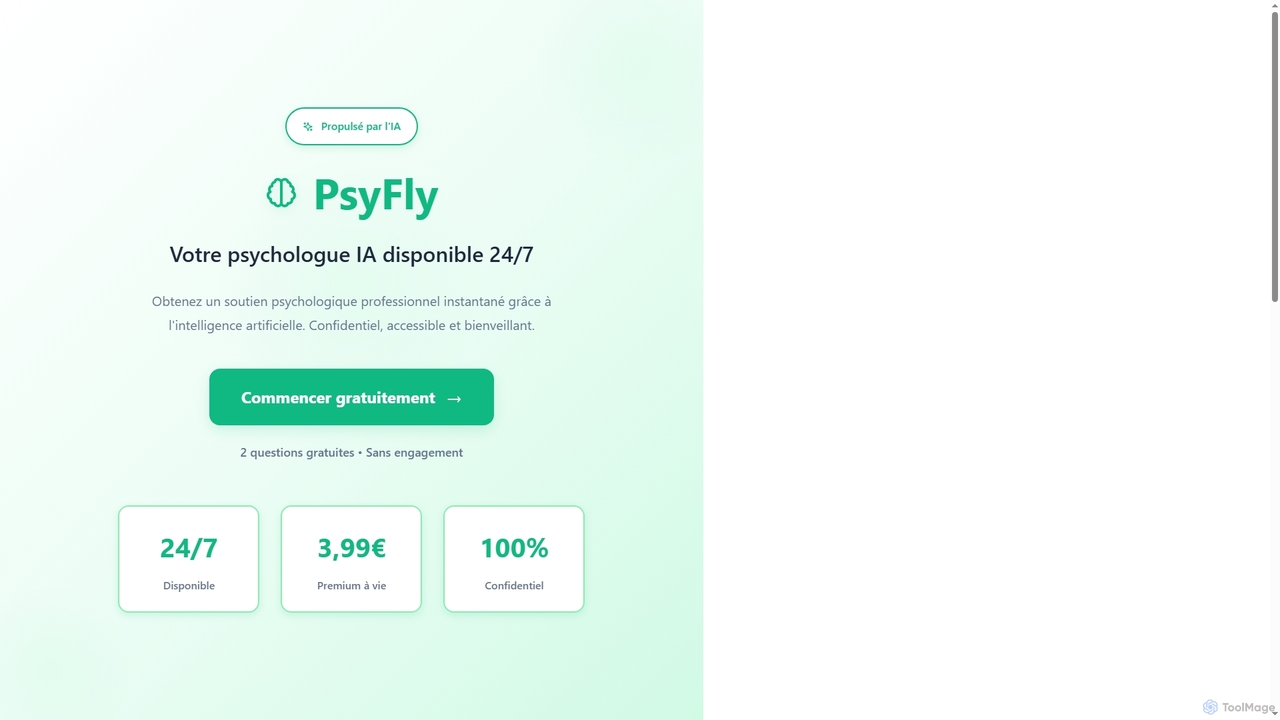
PsyFly is an AI-powered psychologist available 24/7, offering instant, professional, and confidential psychological support. It provides an empathetic …

3.1K
Meditaia

Meditaia

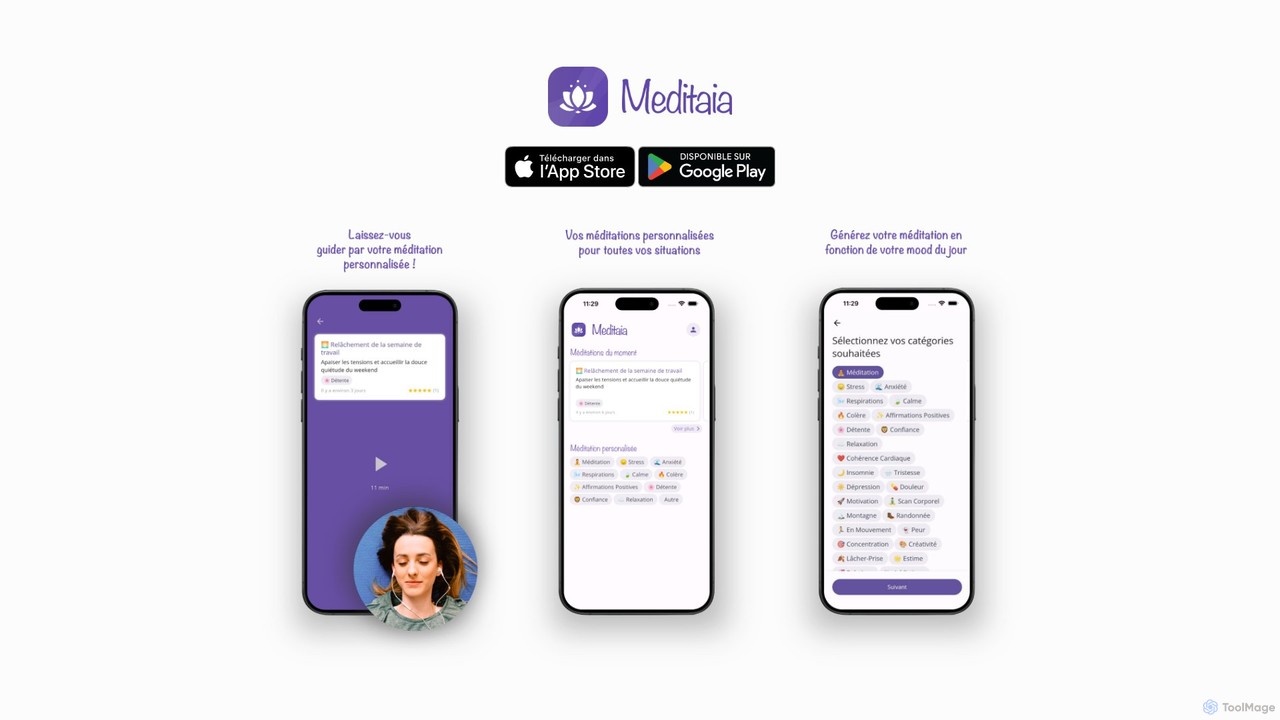
Meditaia is an AI-powered platform that generates hyper-personalized guided meditations. By analyzing your current mood, goals, and available …

3.1K

About Mental Health

Mental Health AI tools are AI-powered applications and platforms designed to support emotional well-being and provide accessible mental health resources. These tools leverage artificial intelligence, including natural language processing and machine learning, to offer personalized support, track mood, and deliver guided interventions. They aim to make mental health care more approachable, provide self-help strategies, and bridge gaps in traditional support systems for individuals seeking to improve their psychological health.

Core Features

  • Personalized Mood Tracking: AI analyzes user input to identify mood patterns and triggers, offering insights into emotional fluctuations.
  • Guided Meditation & Mindfulness: Provides AI-curated audio sessions and exercises for stress reduction, relaxation, and improved focus.
  • Cognitive Behavioral Therapy (CBT) Support: Offers interactive modules and exercises based on CBT principles to help users identify and challenge negative thought patterns.
  • Emotional Support Chatbots: AI-driven conversational agents provide empathetic listening, coping strategies, and psychoeducational content in a non-judgmental space.
  • Resource & Professional Referral: Connects users with relevant articles, support groups, or licensed mental health professionals based on their needs.

Use Cases

Individuals seeking daily emotional support can use these tools for mood tracking and quick access to coping mechanisms. Employees in high-stress environments can leverage AI for stress management and mindfulness breaks. Students facing academic pressure find value in guided meditation and self-help modules to manage anxiety. These tools also serve as a preliminary resource for those exploring mental health support before engaging with traditional therapy.

How to Choose

When selecting a Mental Health AI tool, consider the specific features offered, such as mood tracking, CBT exercises, or meditation guides, to match your needs. Evaluate the tool's privacy policy and data security measures, as sensitive personal information is often involved. Look for evidence-based approaches and transparent AI methodologies. Finally, assess user reviews and the availability of professional oversight or integration with human support to ensure reliability and effectiveness.

Mental HealthUse Cases

1

Daily Mood & Stress Management

Individuals experiencing everyday stress or mood fluctuations can use AI mental health tools to log their feelings, identify potential triggers, and receive personalized coping strategies. For example, a user might record feeling anxious about a work deadline, and the AI suggests a 5-minute breathing exercise or a thought-reframing technique, helping them manage immediate emotional responses and build resilience over time.

2

Enhancing Self-Care Routines

For those looking to establish or improve self-care practices, these tools offer structured guidance. A user could set a goal to meditate daily; the AI provides a variety of guided meditations, tracks their progress, and sends gentle reminders. This helps in consistently integrating mindfulness and relaxation into their routine, fostering long-term well-being.

3

Preliminary Mental Health Exploration

Individuals who are curious about their mental health but hesitant to seek professional help can use AI tools as a first step. They can engage with chatbots for basic emotional support, learn about common mental health concepts through psychoeducational content, or complete self-assessments to gain initial insights into their well-being, guiding them towards further resources if needed.

4

Supporting Cognitive Behavioral Therapy (CBT)

People undergoing traditional CBT can use AI tools as a supplementary resource to reinforce therapy learnings between sessions. An AI tool can provide interactive exercises to challenge negative thoughts, track behavioral patterns, and help practice coping skills taught by a therapist, thereby enhancing the effectiveness and consistency of their therapeutic journey.

5

Workplace Well-being Programs

Companies can integrate AI mental health platforms into their employee wellness programs to offer accessible support. Employees can use these tools anonymously for stress reduction, mindfulness breaks, or to access resources for burnout prevention. This proactive approach helps foster a healthier work environment and supports employee mental resilience without requiring direct disclosure to HR.

6

Managing Mild Anxiety and Depression Symptoms

For individuals experiencing mild symptoms of anxiety or depression, AI tools can provide structured self-help interventions. Through guided journaling, mood tracking, and evidence-based exercises (like those derived from CBT), users can learn to manage their symptoms, develop healthier thought patterns, and gain a sense of control over their emotional state, often reducing the need for more intensive interventions.

Mental HealthFrequently Asked Questions