
ToolMage
Sign in

Best 1 Distribution AI tools for Music

Popular Distribution AI tools in Music include United Market, helping you work more efficiently.

United Market
Paid

United Market

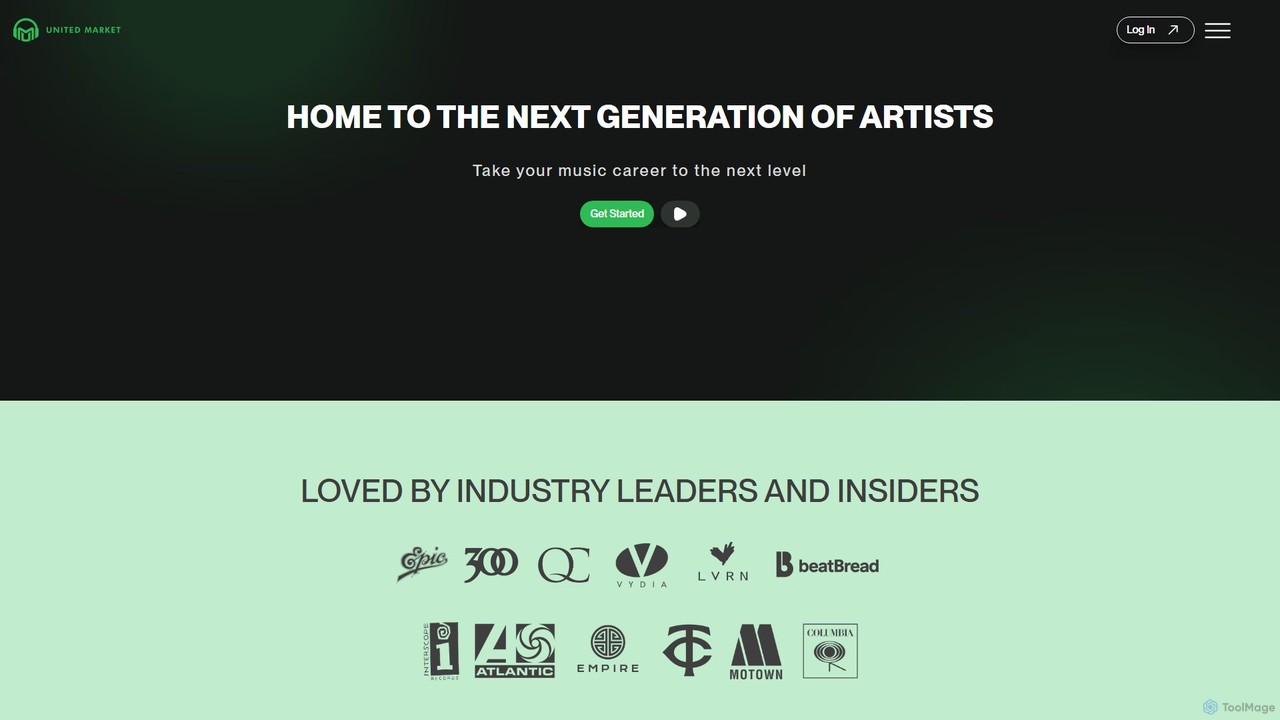
United Market is an AI-powered platform for musicians, offering music distribution, royalty collection, and career growth. It uses AI to secure collaborations, sync placements, and playlist features, while allowing artists to retain 100% of their master rights.

Distribution
Visits 4.7KFavorites 122Likes 126

About Distribution

AI music distribution tools are specialized platforms that leverage artificial intelligence to streamline and optimize the process of releasing music to global audiences. These tools automate uploads to hundreds of streaming services and digital stores, enhance metadata for discoverability, and provide actionable insights into performance, significantly simplifying the complex journey from creation to listener within the broader music industry. They empower artists and labels to manage their releases efficiently, ensuring wider reach and better monetization.

Core Features

  • Automated Platform Delivery: Automatically upload and distribute music to major streaming platforms and digital storefronts worldwide.
  • Metadata Optimization: AI-driven suggestions for track titles, genres, keywords, and descriptions to maximize search visibility.
  • Royalty Tracking & Reporting: Automated monitoring and detailed reporting of earnings and streams across all distributed platforms.
  • Copyright & Rights Management: Tools to help register and protect intellectual property, ensuring proper attribution and preventing unauthorized use.
  • Audience Reach Insights: Data analytics on where music is consumed, helping artists understand their global audience and target future releases.

Applicable Scenarios

Independent artists use these tools to manage their entire release cycle from a single dashboard, while small to medium-sized record labels leverage them for efficient catalog management and royalty collection across multiple artists. Music producers also utilize AI distribution to license their beats and tracks, ensuring proper tracking and monetization across various projects.

How to Choose

When selecting an AI music distribution tool, consider its platform coverage (which services it distributes to), the sophistication of its metadata optimization capabilities, the transparency and detail of its royalty tracking and reporting features, and its overall pricing model (e.g., commission-based vs. flat fee). Also, evaluate its ease of use and integration with other music production or marketing tools.

Distribution use cases

1

Independent Artist Global Release

An independent artist prepares to launch their debut album worldwide. They use an AI music distribution tool to simultaneously upload their tracks to Spotify, Apple Music, Amazon Music, and dozens of other platforms. The AI assists in optimizing track titles and descriptions with relevant keywords, ensuring the album is discoverable by new listeners across different regions, saving weeks of manual submission and metadata entry.

2

Small Record Label Catalog Management

A small record label manages a roster of five artists, each releasing new singles and EPs regularly. The label employs an AI distribution platform to centralize all releases, track individual artist royalties, and monitor performance metrics across various streaming services. This streamlines their operations, reduces administrative overhead, and provides clear financial transparency for both the label and its artists.

3

Music Producer Licensing Beats

A music producer frequently licenses instrumental beats to vocalists and content creators. They utilize an AI distribution tool to manage these licenses, automatically distributing the beats to specific marketplaces or private links while tracking usage and ensuring proper royalty splits. The AI helps in identifying unauthorized use and simplifies the complex process of managing multiple licensing agreements.

4

Podcast Creator Distributing Original Soundtracks

A popular podcast creator produces original background music for their episodes and wants to make it available for listeners to stream separately. They use an AI distribution service to upload these soundtracks to major music platforms. The tool helps categorize the music appropriately and ensures it reaches the podcast's existing audience, offering an additional revenue stream and enhancing brand presence.

5

Band Launching a Single with Localized Metadata

A rock band from Europe plans to release a new single targeting audiences in Japan, Germany, and the US. An AI distribution tool allows them to upload the single once and then customize metadata (e.g., genre tags, descriptive keywords) for each target region, ensuring cultural relevance and maximizing search engine optimization on local streaming platforms. This tailored approach significantly boosts discoverability in diverse markets.

6

Music School Showcasing Student Compositions

A music school wants to create a public portfolio of its students' best compositions. They use an AI distribution platform to upload these works to a dedicated streaming channel or specific educational platforms. The AI helps manage permissions, ensures proper attribution to each student, and provides basic analytics on listener engagement, offering students valuable exposure and a professional showcase for their talent.

Distribution FAQ

What are AI music distribution tools?

AI music distribution tools are software solutions that use artificial intelligence to automate and optimize the process of delivering musical content to digital streaming services and online stores. They act as intermediaries between artists/labels and platforms like Spotify, Apple Music, and YouTube, handling tasks such as metadata entry, copyright registration, and royalty tracking to maximize reach and efficiency.

How do AI tools optimize music distribution?

AI tools optimize music distribution primarily through automation and data-driven insights. They automate the tedious process of uploading music to hundreds of platforms, ensure consistent metadata across all channels, and use AI to suggest optimal keywords and genres for better discoverability. Furthermore, they provide analytics on listener demographics and geographic reach, helping artists make informed decisions for future releases and marketing strategies.

What's the difference between traditional and AI music distribution?

Traditional music distribution often involves manual submission to individual platforms or working with human distributors, which can be time-consuming and prone to errors. AI music distribution, conversely, automates these processes, allowing for simultaneous uploads to a vast network of platforms with minimal manual input. AI also offers advanced metadata optimization, real-time royalty tracking, and performance analytics that are typically absent or less sophisticated in traditional methods, leading to greater efficiency and discoverability.

Which platforms can AI music distribution tools reach?

AI music distribution tools can reach a vast array of platforms, typically including all major global streaming services like Spotify, Apple Music, Amazon Music, YouTube Music, Deezer, and Tidal. They also distribute to digital download stores such as iTunes and Beatport, and often to social media platforms like TikTok and Instagram for monetization. Many services also cover regional platforms and niche music stores, ensuring comprehensive global reach.

How do AI distribution tools help with royalties and copyright?

AI distribution tools significantly assist with royalties and copyright by automating the tracking and reporting of earnings from various platforms. They provide detailed breakdowns of streams, downloads, and associated revenue, ensuring transparency for artists and labels. Some advanced tools can also help with copyright registration, monitor for unauthorized use of music across the internet, and facilitate the collection of mechanical royalties, protecting the artist's intellectual property and maximizing their income.