Music Best in category 2 results Music Production AI Tool

Popular AI tools in the Music Production field of Music include SongCleaner、afroversemusicgroup, etc., helping you quickly improve efficiency.

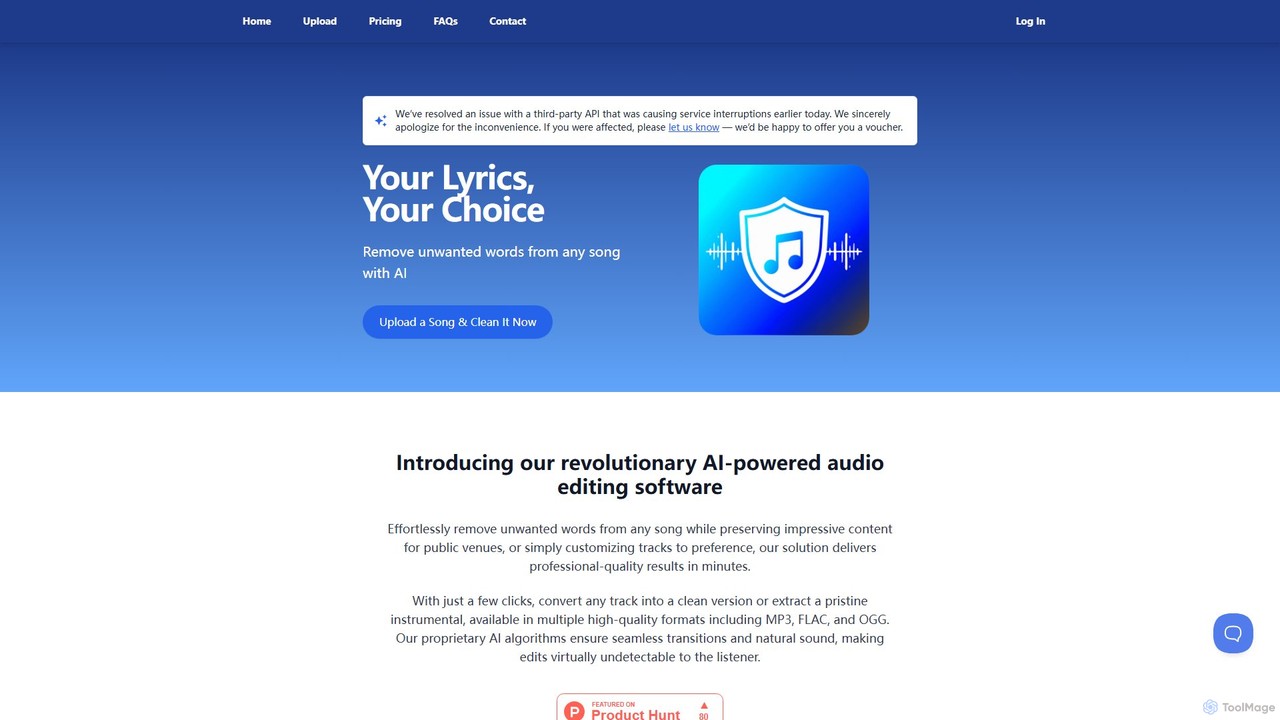
SongCleaner

SongCleaner

An AI-powered audio tool that automatically removes explicit or unwanted words from any song to create clean, family-friendly …

15.7K
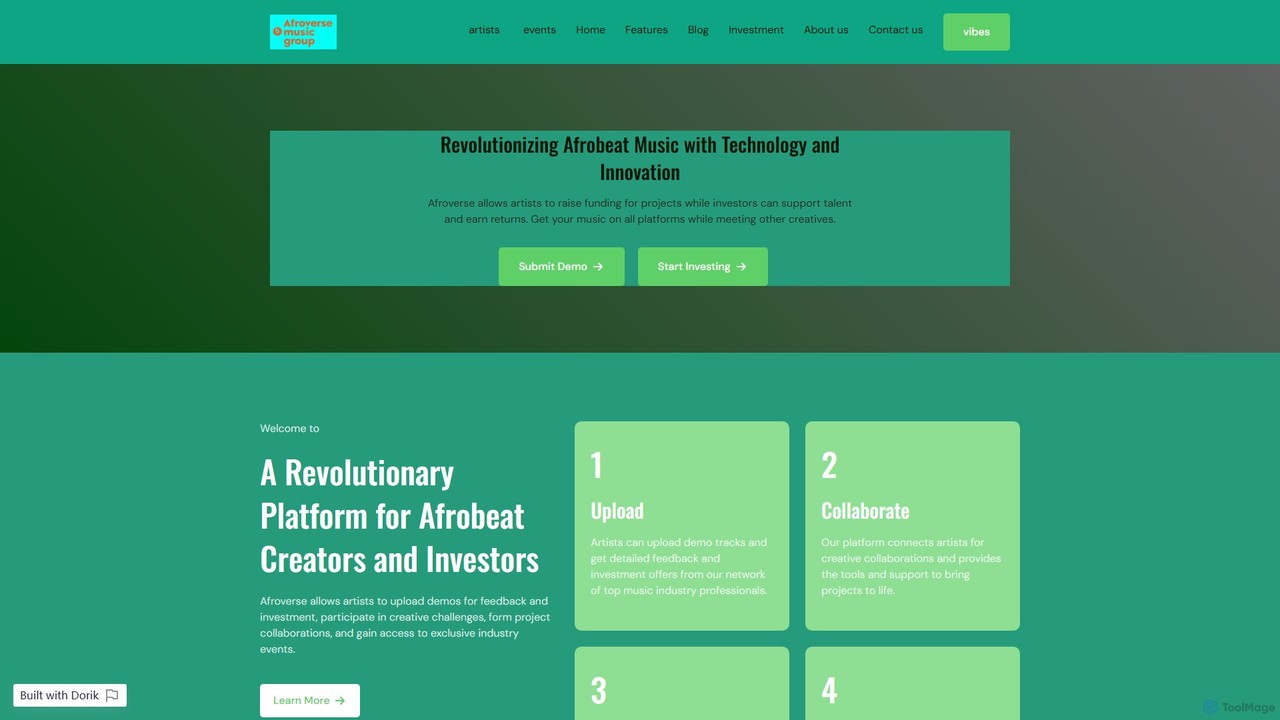
afroversemusicgroup

afroversemusicgroup

Afroverse is a pioneering AI-powered music investment platform dedicated to the Afrobeat industry. It connects investors with high-potential …

3.4K

About Music Production

AI Music Production tools are a class of software that leverages artificial intelligence to assist in or automate various stages of creating music. These tools utilize machine learning models, such as generative adversarial networks (GANs) and neural networks, to generate melodies, harmonize tracks, separate audio stems, and even master a final mix. Their primary value lies in accelerating the creative workflow, lowering the technical barrier for aspiring producers, and providing new avenues for sonic exploration. They act as intelligent assistants, handling complex or repetitive tasks so creators can focus on artistic expression.

Core Features

  • AI-Powered Composition: Generates original melodies, chord progressions, basslines, and drum patterns based on genre, mood, or user input.
  • Intelligent Mixing & Mastering: Automatically analyzes and adjusts track levels, EQ, compression, and stereo imaging for a balanced, professional sound.
  • Audio Stem Separation: Isolates individual elements like vocals, drums, bass, and instruments from a single mixed audio file.
  • Vocal & Instrument Synthesis: Creates realistic singing voices from text or generates unique instrument sounds based on descriptive parameters.

Use Cases

These tools are widely used by music producers, songwriters, film composers, and DJs. For instance, a producer can use an AI to quickly generate backing track ideas, a songwriter can find new chord progressions to overcome writer's block, and a DJ can use stem separation to create acapellas for live remixes. They are also valuable for content creators needing custom, royalty-free music for videos.

How to Choose

When selecting an AI Music Production tool, consider its integration with your Digital Audio Workstation (DAW)—whether it's a standalone app or a plugin (VST, AU, AAX). Evaluate the quality and realism of the AI-generated output. Also, assess the level of user control offered; some tools are fully automated, while others provide deep customization options. Finally, match the tool's specific function (e.g., mastering, composition, stem separation) to your primary production needs.

Music ProductionUse Cases

1

Rapid Song Prototyping for Songwriters

A songwriter has a lyrical idea but struggles to build a full instrumental arrangement around it. Using an AI music production tool, they input a basic mood like 'upbeat indie pop' and a desired tempo. The AI instantly generates several compatible chord progressions and drum patterns. The songwriter can then audition these options, select the best fit, and export the MIDI data directly into their DAW. This process transforms a simple idea into a structured song demo in minutes, bypassing hours of manual trial and error and overcoming creative blocks.

2

Automated Mixing for Independent Artists

An independent artist has finished recording all the tracks for their new song but lacks the budget for a professional mixing engineer. They upload their individual audio stems (vocals, guitar, bass, drums) to an AI mixing tool. The tool analyzes each track, automatically sets appropriate volume levels, applies corrective EQ to remove harsh frequencies, and adds subtle compression for cohesion. Within minutes, the artist receives a well-balanced, clear, and punchy mix that is ready for mastering. This empowers them to achieve a professional sound without extensive technical knowledge or financial investment.

3

Stem Separation for DJs and Remix Producers

A DJ wants to create a unique remix of a classic track for their live set. The original instrumental or acapella version is not available. They use an AI stem separation tool to process the full song. The AI algorithm intelligently isolates the vocals, drums, bass, and other instruments into separate, high-quality audio files. The DJ can now use the clean acapella over a different beat or manipulate the instrumental elements independently. This opens up limitless creative possibilities for remixing and mashups that were previously impossible without access to the original multitrack recordings.

4

AI Vocal Synthesis for Demo Tracks

A music producer is arranging a track for a client but the hired vocalist is unavailable for another week. To keep the project moving, the producer uses an AI vocal synthesis tool. They type in the lyrics, select a vocal style (e.g., 'female pop soprano'), and fine-tune the melody and timing. The AI generates a surprisingly realistic vocal performance that can be used as a placeholder in the mix. This allows the producer to continue with arrangement and mixing decisions, ensuring the project stays on schedule. The client can also approve the overall direction of the song before the final human vocals are recorded.

5

Creating Custom Soundtracks for Content Creators

A YouTuber needs unique, royalty-free background music for their weekly videos, but finds stock music libraries repetitive. They use an AI music production platform that allows them to specify parameters like genre ('lo-fi hip hop'), mood ('chill', 'focused'), and duration (3 minutes). The AI then generates a complete, original track that perfectly matches the video's atmosphere. This saves the creator from copyright issues and the high cost of custom composition, while ensuring their content has a fresh and distinctive sonic identity that sets it apart from other channels using the same stock tracks.

6

Intelligent Mastering for Final Release

A band has self-produced and mixed their new EP, but the final mixes lack the commercial loudness and polish of professional releases. They use an AI mastering service, uploading their final stereo mix. The AI analyzes the track's genre and dynamics, then applies a precise chain of processing, including multi-band compression, equalization, and limiting, to optimize its loudness and tonal balance for streaming platforms like Spotify and Apple Music. The result is a professionally mastered track that competes in volume and clarity with major label releases, achieved in minutes and at a fraction of the cost of a traditional mastering studio.

Music ProductionFrequently Asked Questions