ToolMage
Sign in

Best 3 Playlist Management AI tools for Music

Popular Playlist Management AI tools in Music include Skiley, Best of Discover Weekly, and Harken, helping you work more efficiently.

Skiley
Freemium

Skiley

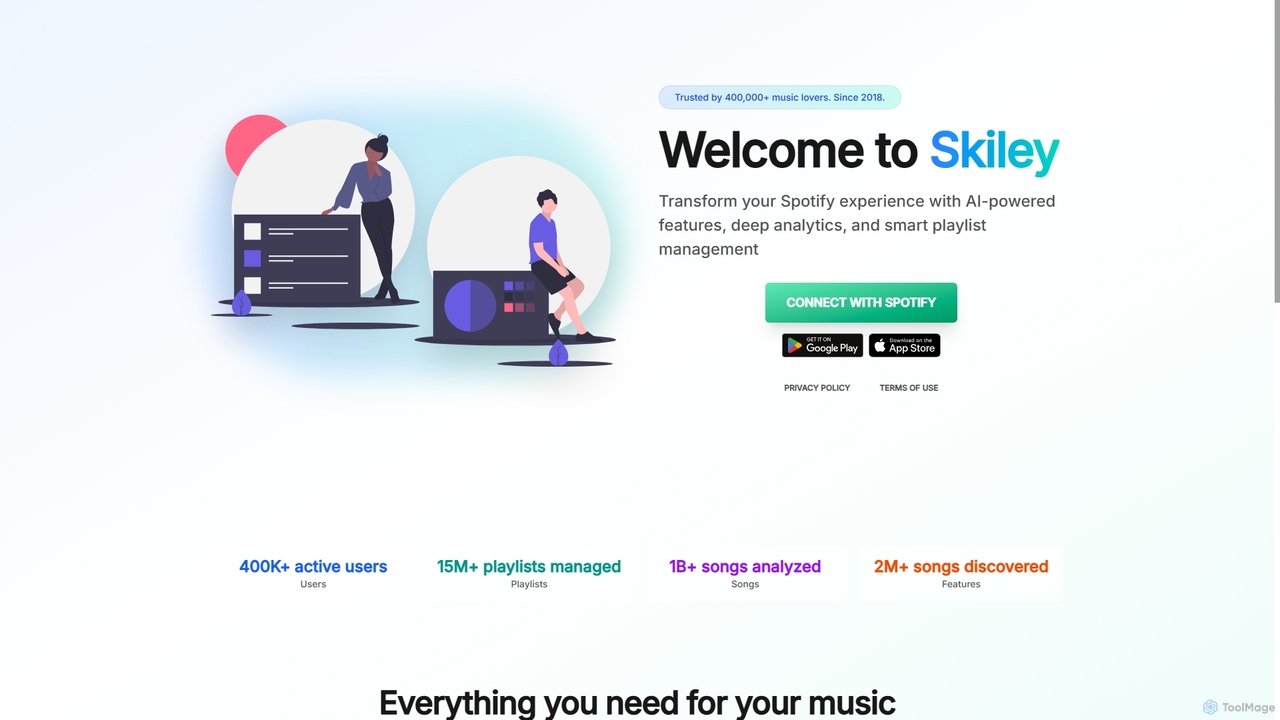
Skiley is an AI-powered web tool that enhances your Spotify experience. It offers intelligent playlist creation, deep listening analytics, and advanced management tools. Discover new music, organize your library effortlessly, and gain unique insights into your listening habits by connecting your Spotify account.

Music Discovery
Visits 210.3KFavorites 136Likes 138
Best of Discover Weekly
Free

Best of Discover Weekly

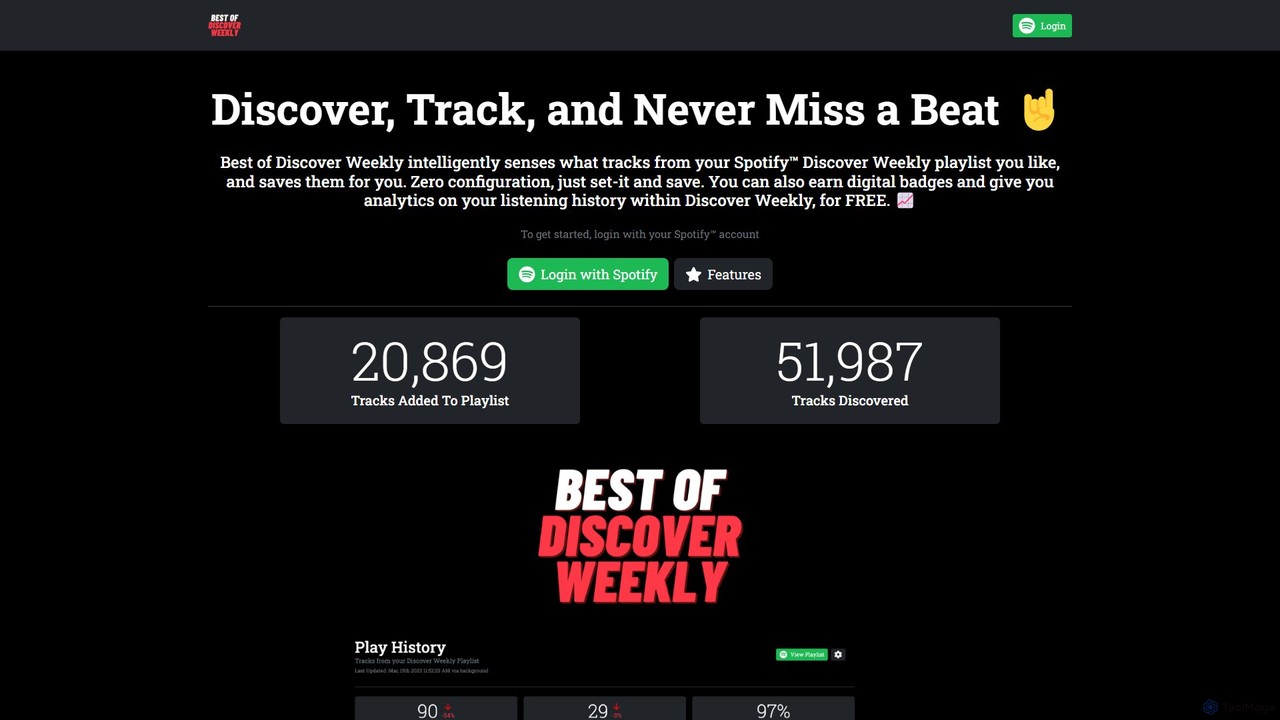
An intelligent, free service for Spotify users that automatically tracks your listening habits on the Discover Weekly playlist, saves your favorite songs, and provides detailed listening analytics. Never miss a great new track again.

Music Analytics
Visits 6.5KFavorites 127Likes 117
Harken
Freemium

Harken

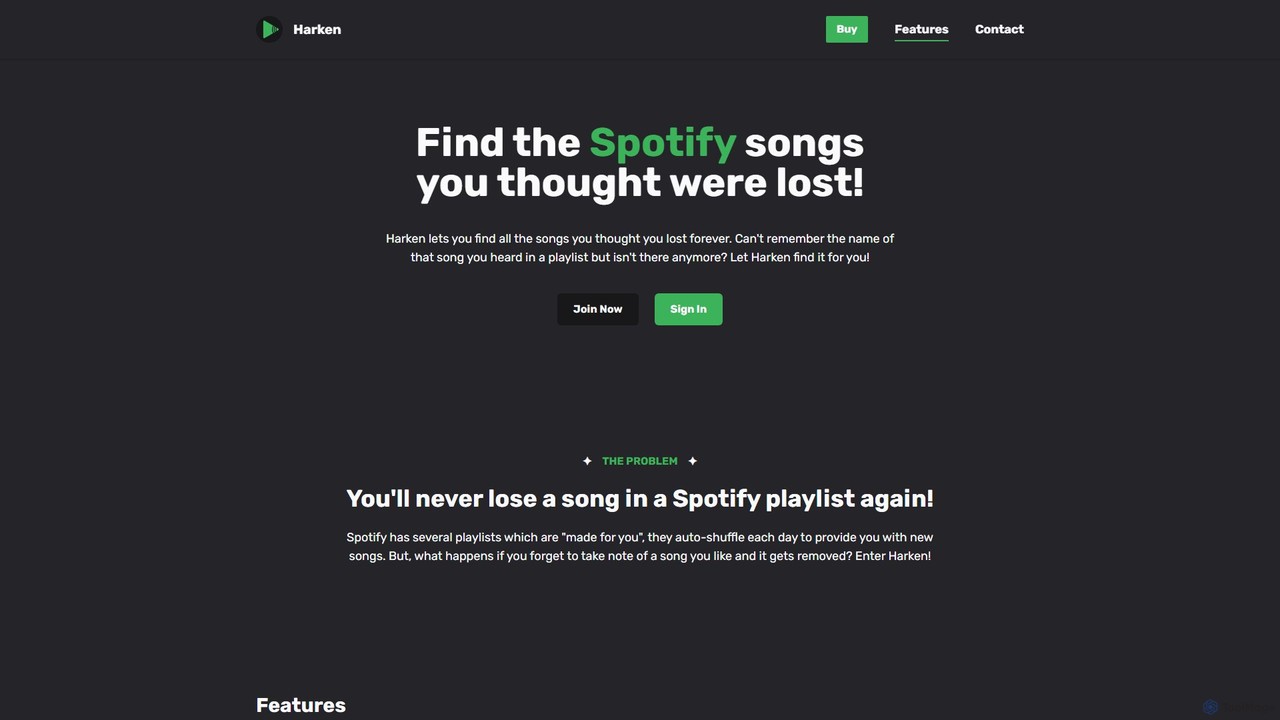
Harken is your personal Spotify playlist archivist. It automatically tracks changes in your favorite dynamic playlists, like "Discover Weekly," ensuring you never lose a song again. Get daily reports on added and removed tracks and uncover insights with playlist analytics.

Music Discovery
Visits 5.5KFavorites 139Likes 145

About Playlist Management

Playlist Management AI tools are designed to automate and enhance the creation, organization, and optimization of music playlists. Leveraging machine learning and audio analysis, these tools intelligently curate tracks, suggest new music, and tailor listening experiences based on user preferences and contextual data. They empower individuals and businesses to efficiently manage vast music libraries, ensuring highly personalized and engaging audio content delivery.

Core Features

  • Automated Curation: Automatically selects and adds tracks based on predefined criteria or AI analysis.
  • Personalized Recommendations: Suggests new songs and artists tailored to individual listening habits and mood.
  • Mood & Activity Matching: Creates playlists optimized for specific activities, genres, or emotional states.
  • Duplicate & Gap Detection: Identifies and resolves issues like redundant songs or missing transitions within playlists.
  • Cross-Platform Sync: Synchronizes playlists across various streaming services and devices.

Applicable Scenarios

These tools are invaluable for music enthusiasts, content creators, DJs, and businesses in retail or hospitality. They streamline the process of building cohesive music sets for live events, curating background music for videos or podcasts, and generating dynamic soundscapes for commercial spaces. Users can efficiently manage extensive music collections and discover new tracks tailored to their specific needs.

How to Choose

When selecting a Playlist Management AI tool, consider its integration capabilities with your preferred streaming platforms and existing music libraries. Evaluate the depth of its personalization algorithms and the range of automation features offered, such as smart tagging or genre detection. User interface intuitiveness and the ability to handle large volumes of tracks are also crucial factors for efficient management.

Playlist Management use cases

1

Automated Background Music for Businesses

Retail store managers or restaurant owners can utilize AI playlist management tools to generate continuous, mood-appropriate background music that adapts throughout the day. The AI analyzes factors like time, customer demographics, and brand ambiance to curate dynamic playlists, preventing repetition and ensuring a consistent atmosphere. This enhances the customer experience and significantly reduces the manual effort of music selection.

2

Personalized Workout Playlists

Fitness enthusiasts or personal trainers can create high-energy music playlists tailored to workout intensity and duration. Users input their workout type, desired duration, and preferred BPM range; the AI then curates a seamless playlist with motivational tracks, adjusting tempo as needed to match different workout phases. This optimizes performance and minimizes distractions from manual song skipping.

3

Curating Content for Streaming and Podcasts

Podcasters, live streamers, or video editors often need royalty-free or licensed background music that matches the theme and mood of their content. AI playlist tools can suggest tracks based on content keywords, desired mood (e.g., "upbeat tech," "calm focus"), and duration, ensuring legal compliance and thematic consistency. This results in professional-sounding content and significant time savings on music search and licensing.

4

Discovering New Music Based on Taste

Avid music listeners or music bloggers can leverage these tools to expand their music library with new artists and genres that align with their existing preferences. AI analyzes listening history, favorite artists, and genre tags to recommend obscure or emerging tracks, creating personalized "discovery" playlists. This ensures a continuous influx of fresh, relevant music and facilitates deeper exploration of individual musical tastes.

5

Optimizing DJ Sets for Flow

Professional or aspiring DJs need to create seamless transitions between tracks, manage energy levels, and ensure genre consistency for a live set. AI playlist management tools analyze the BPM, key, and energy of tracks, suggesting optimal sequencing and identifying potential clashes, thereby helping to build a cohesive and engaging set. This results in smoother, more professional-sounding mixes and significantly reduced preparation time.

6

Managing Large Personal Music Libraries

Music collectors or audiophiles with thousands of tracks often struggle to organize their libraries, remove duplicates, and categorize by various criteria (mood, era, genre). AI playlist management tools can scan the library, identify metadata inconsistencies, suggest appropriate tags, remove redundant files, and automatically group songs into smart playlists. This results in a perfectly organized, easily navigable music collection, saving countless hours of manual sorting.

Playlist Management FAQ

What are AI Playlist Management tools?

AI Playlist Management tools are software applications that use artificial intelligence, primarily machine learning and audio analysis, to automate and enhance the creation, organization, and optimization of music playlists. They go beyond simple manual curation by offering features like personalized recommendations, mood-based selections, and intelligent track sequencing. These tools aim to streamline the process of managing music collections for both individuals and professionals, making music discovery and content curation more efficient and tailored.

How do AI Playlist Management tools work?

These tools typically work by analyzing vast amounts of data, including your listening history, genre preferences, artist choices, and even the audio characteristics (BPM, key, energy level) of individual tracks. Using machine learning algorithms, they identify patterns and relationships to predict what music you might enjoy or what tracks would fit together seamlessly. Some tools also incorporate natural language processing to understand mood or activity descriptions, allowing them to curate playlists for specific contexts like "focus music" or "party vibes."

What are the key benefits of using AI for playlist management?

The primary benefits include significant time savings through automation, enhanced personalization that delivers highly relevant music, and improved music discovery by introducing users to new artists and genres they'll likely enjoy. AI tools also ensure consistency in mood and energy across playlists, help in organizing vast music libraries by detecting duplicates and filling gaps, and provide data-driven insights for more effective content curation, especially for professional use cases like DJing or background music for businesses.

How do I choose the best AI Playlist Management tool for my needs?

To choose the best tool, first assess your primary needs: are you an individual seeking music discovery, a DJ needing seamless transitions, or a business requiring background music? Look for tools with strong integration capabilities with your preferred streaming services (e.g., Spotify, Apple Music). Evaluate the sophistication of its AI for personalization and automation features like smart tagging or genre detection. Consider the user interface for ease of use, scalability for your music library size, and pricing models that fit your budget. Reading user reviews and trying free trials can also be very helpful.

Can AI Playlist Management tools integrate with popular streaming services?

Yes, most advanced AI Playlist Management tools are designed with robust integration capabilities for popular streaming services. They typically use APIs (Application Programming Interfaces) provided by platforms like Spotify, Apple Music, YouTube Music, and others to access your existing libraries, create new playlists, and even sync changes across services. This seamless integration allows users to leverage the AI's power without having to manually transfer music or manage separate collections, ensuring a unified and efficient music management experience.