ToolMage
Sign in

Best 1 Royalty Management AI tools for Music

Popular Royalty Management AI tools in Music include United Market, helping you work more efficiently.

United Market
Paid

United Market

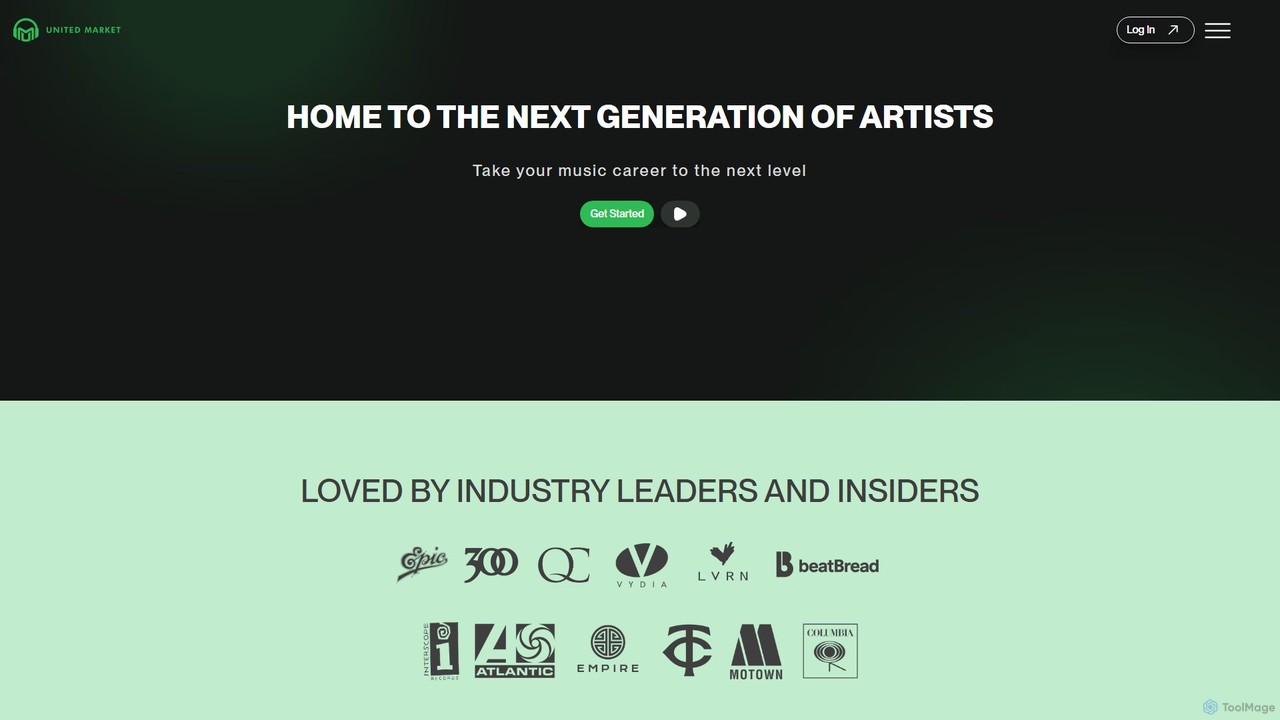
United Market is an AI-powered platform for musicians, offering music distribution, royalty collection, and career growth. It uses AI to secure collaborations, sync placements, and playlist features, while allowing artists to retain 100% of their master rights.

Distribution
Visits 5.7KFavorites 129Likes 136

About Royalty Management

Royalty Management tools are AI-powered platforms designed to automate and optimize the complex process of tracking, calculating, and distributing royalties for creative works, particularly within the music industry. These tools leverage advanced algorithms and data analytics to accurately monitor usage across various channels, ensuring fair compensation for artists, songwriters, and rights holders. They streamline financial operations, enhance transparency, and reduce administrative burdens associated with intellectual property monetization.

Core Features

  • Automated Data Ingestion: Automatically collects usage data from streaming services, broadcasters, and digital stores.
  • Complex Royalty Calculation: Applies intricate contractual rules and tiered rates to calculate precise royalty amounts.
  • Transparent Reporting & Analytics: Provides detailed dashboards and reports on earnings, usage trends, and distribution breakdowns.
  • Rights Holder Management: Manages profiles, agreements, and payment preferences for multiple artists and collaborators.
  • Global Payment Processing: Facilitates secure and efficient royalty payouts to rights holders worldwide.

Use Cases

These tools are essential for record labels, music publishers, independent artists, and collection societies. They enable efficient handling of vast amounts of usage data from global platforms, ensuring timely and accurate payments to a diverse range of rights holders. For example, a music publisher can use these tools to track song plays across hundreds of streaming services and calculate royalties for co-writers based on their specific agreements.

How to Choose

When selecting a Royalty Management tool, consider its integration capabilities with existing financial systems and distribution platforms, the complexity of royalty rules it can handle, and its scalability for future growth. Evaluate the transparency of its reporting features, the security of its payment processing, and the level of customer support offered. User interface intuitiveness and cost-effectiveness are also crucial factors.

Royalty Management use cases

1

Automating Music Royalty Distribution for Record Labels

A record label manages hundreds of artists and thousands of tracks distributed globally. Using an AI royalty management tool, they automatically ingest streaming data from Spotify, Apple Music, and YouTube, calculate complex royalty splits based on artist contracts, and process payments to artists and producers, saving hundreds of hours of manual accounting work each month and ensuring timely, accurate payouts.

2

Tracking Songwriter Royalties Across Global Platforms

An independent songwriter has their music licensed to various media and streaming services worldwide. A royalty management platform helps them consolidate usage reports from different PROs (Performing Rights Organizations) and digital distributors, providing a unified view of their earnings. This allows them to verify statements, identify underpayments, and understand which territories generate the most revenue for their compositions.

3

Managing Publishing Royalties for Music Publishers

A music publisher represents a catalog of songs with multiple co-writers and complex licensing agreements. The royalty management system automatically applies intricate publishing splits, mechanical royalty rates, and performance royalty distributions. It generates detailed statements for each rights holder, ensuring compliance with contractual obligations and providing full transparency into revenue streams from various sources like sync licenses and public performances.

4

Streamlining Royalty Accounting for Independent Artists

An independent artist self-releases music and collaborates with various musicians and producers. Instead of manual spreadsheets, they use a royalty management tool to track their earnings from digital sales and streams. The tool helps them easily split revenue with collaborators according to pre-defined percentages, generate simple payment reports, and manage their financial records efficiently, allowing them to focus more on creation.

5

Consolidating Performance Royalties for Collection Societies

A performing rights organization (PRO) collects and distributes performance royalties for its members. An AI-powered royalty management system processes vast amounts of broadcast and public performance data, identifies the usage of registered works, and accurately calculates the share for each rights holder. This ensures equitable distribution of collected funds to songwriters, composers, and publishers, maintaining trust and operational efficiency.

6

Analyzing Royalty Trends for Strategic Business Decisions

A music rights management company needs to understand long-term revenue trends and identify growth opportunities. By utilizing the analytics features of a royalty management platform, they can visualize royalty data by territory, platform, and track. This insight helps them make informed decisions on marketing strategies, licensing deals, and catalog acquisitions, optimizing their portfolio's monetization potential.

Royalty Management FAQ

What are AI Royalty Management tools?

AI Royalty Management tools are specialized software solutions that leverage artificial intelligence and automation to streamline the complex process of tracking, calculating, and distributing royalties for creative content. They are particularly vital in the music industry, helping rights holders, labels, and publishers manage earnings from streams, sales, and licenses across global platforms. These tools enhance accuracy, transparency, and efficiency in financial settlements.

How do AI Royalty Management tools differ from traditional accounting software?

While traditional accounting software handles general financial transactions, AI Royalty Management tools are specifically designed for the unique complexities of intellectual property royalties. They feature specialized modules for ingesting vast usage data, applying intricate contractual rules for splits and rates, and managing multiple rights holders. Traditional software lacks the automated data processing and complex calculation logic required for accurate royalty distribution.

Who benefits most from using Royalty Management software?

Royalty Management software primarily benefits record labels, music publishers, independent artists, songwriters, and collection societies. Labels and publishers use it to manage large catalogs and complex artist agreements. Independent artists and songwriters gain transparency and efficiency in tracking their earnings. Collection societies rely on it for accurate and equitable distribution of performance and mechanical royalties to their members.

What key features should I look for in a Royalty Management tool?

When evaluating a Royalty Management tool, prioritize features like automated data ingestion from various sources (streaming, sales, broadcast), robust and customizable royalty calculation engines to handle diverse contract types, and comprehensive reporting and analytics dashboards. Also, consider global payment processing capabilities, rights holder management, and integration options with existing financial or distribution systems for seamless workflow.

Can Royalty Management tools help prevent underpayments or disputes?

Yes, Royalty Management tools significantly help in preventing underpayments and resolving disputes. By automating data collection and calculation, they reduce human error and provide a transparent, auditable trail of all transactions and distributions. Detailed reporting allows rights holders to cross-reference statements from distributors and platforms, quickly identifying discrepancies and providing concrete data to support any claims or inquiries, fostering trust among all parties.