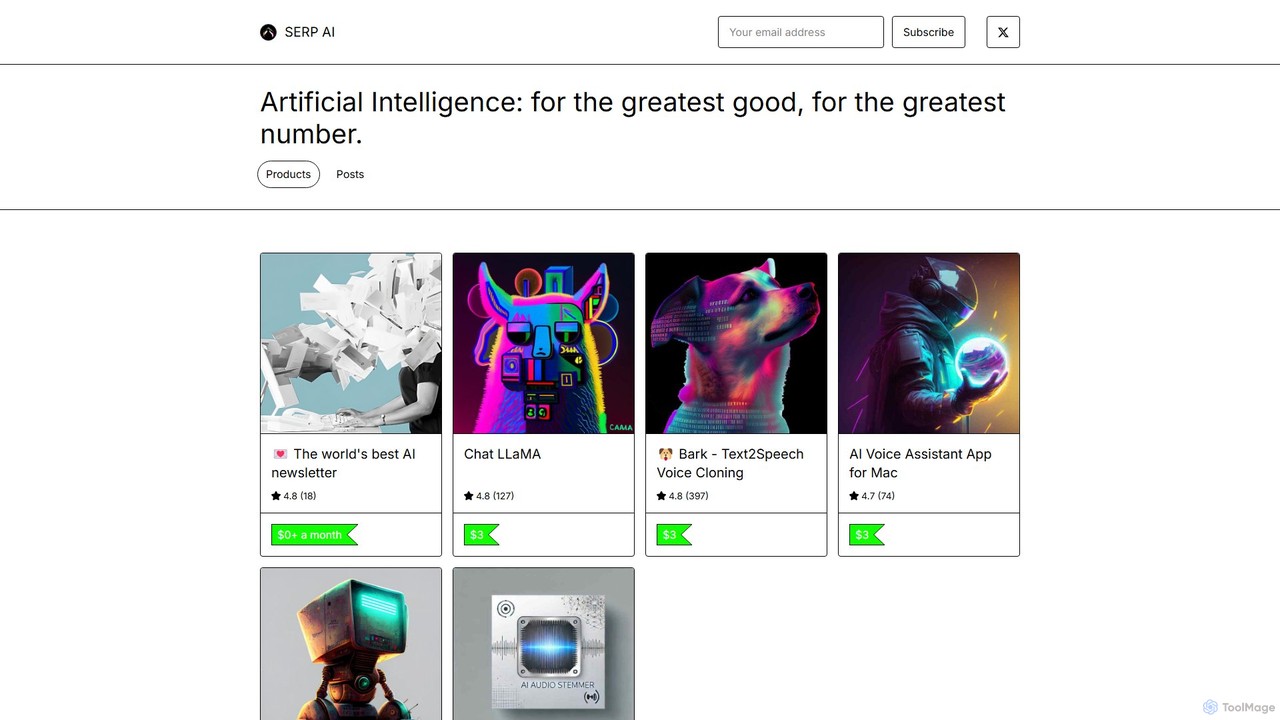
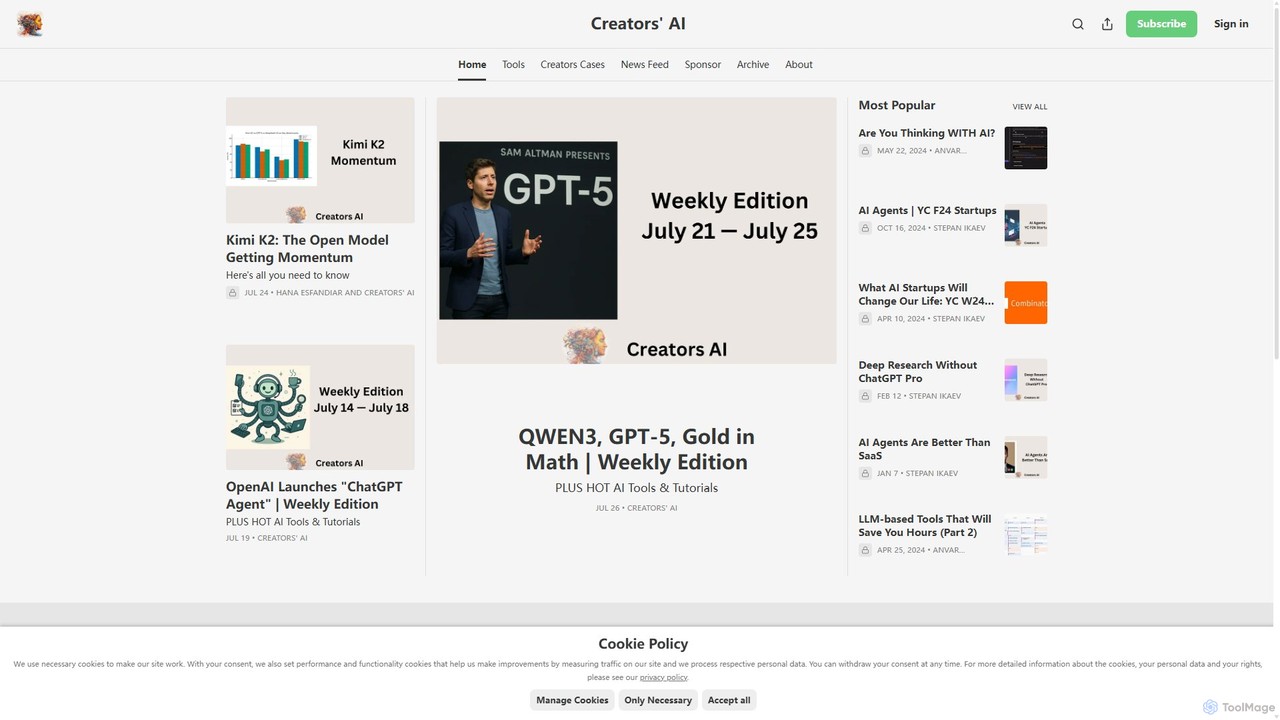
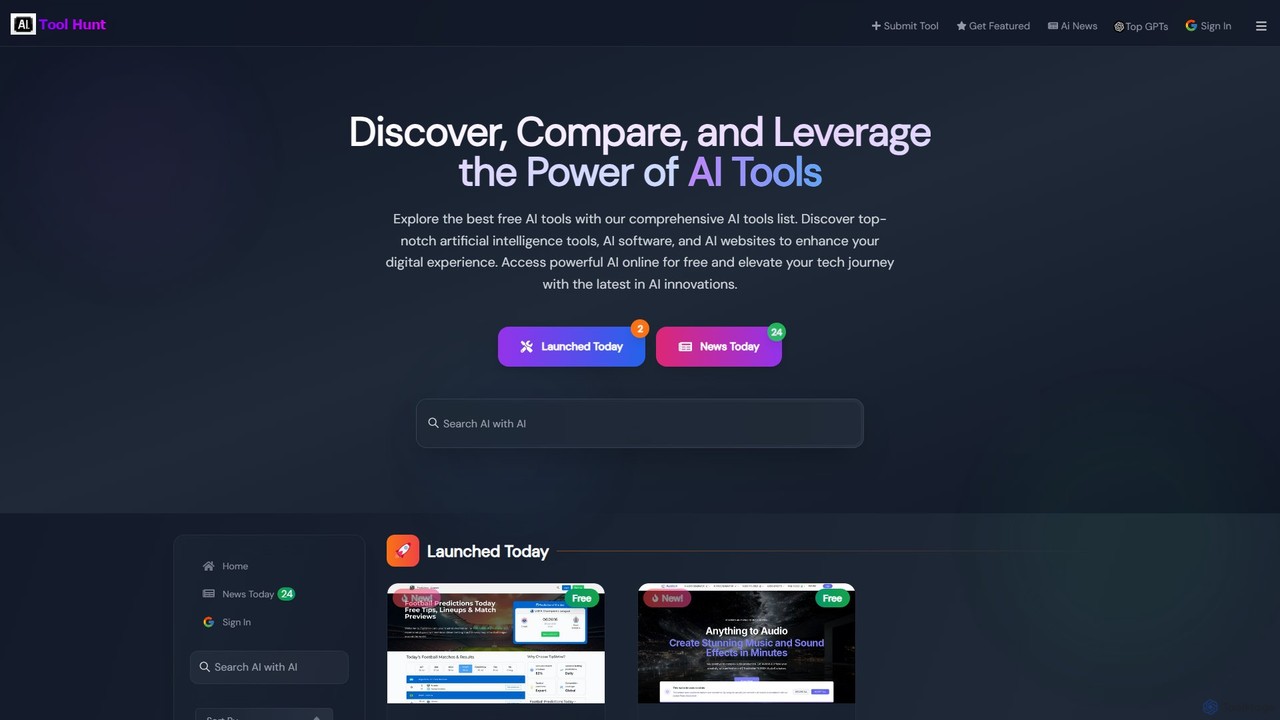
Artificial Intelligence news tools are specialized platforms and services that deliver the latest updates, in-depth analysis, and research findings from the AI industry. These tools often use AI-powered algorithms to curate, summarize, and categorize vast amounts of information, ensuring users receive the most relevant content. They are essential for professionals who need to stay informed about rapid advancements, emerging trends, and market shifts in artificial intelligence. By aggregating content from diverse sources, they provide a comprehensive view of the AI landscape.
Core Features
- AI-Powered Curation: Automatically filters and ranks news, research papers, and articles based on relevance and importance.
- Trend Analysis: Identifies emerging topics, technologies, and companies within the AI ecosystem.
- Content Summarization: Uses NLP to generate concise summaries of long articles and technical papers, saving reading time.
- Personalized Feeds: Allows users to customize their news feeds based on specific interests like machine learning, robotics, or ethics.
- Real-time Alerts: Provides instant notifications for breaking news, major funding announcements, or significant research releases.
Applicable Scenarios
These tools are invaluable for AI researchers, developers, investors, product managers, and tech journalists. For instance, a venture capitalist uses them to track investment trends and identify promising startups. An AI developer follows specific newsletters to stay updated on new models and open-source libraries, while a policy advisor monitors global AI regulations and ethical discussions.
Selection Criteria
When choosing an Artificial Intelligence news tool, consider the depth and breadth of its coverage—does it focus on a niche like NLP or cover the entire industry? Evaluate the update frequency, from real-time feeds to weekly digests. Assess the quality of analysis; some tools offer simple aggregation while others provide expert commentary. Finally, consider the delivery formats, such as web platforms, email newsletters, or API access for integration.