ToolMage
Sign in

Best 11 Aggregation AI tools for News

Popular Aggregation AI tools in News include Digest, Syft, Brief, deepnewz, hai.news, My Queue, mosaik.news, feedlens, MorNews, and otherweb, helping you work more efficiently.

hai.news
Freemium

hai.news

hai.news is an AI-powered news aggregator and intelligence platform that delivers personalized news feeds, summarizes articles, and analyzes global trends. It helps users cut through the noise, save time, and gain deeper insights from thousands of sources.

Aggregation
Visits 4.1KFavorites 122Likes 132
mosaik.news
Freemium

mosaik.news

mosaik.news is an AI-powered news aggregator and intelligence platform that pieces together information from diverse sources to provide a comprehensive, multi-perspective view of current events. It summarizes complex topics, detects media bias, and delivers personalized news briefings to help you stay informed efficiently and combat filter bubbles.

Market Intelligence
Visits 4.1KFavorites 124Likes 132
My Queue
Freemium

My Queue

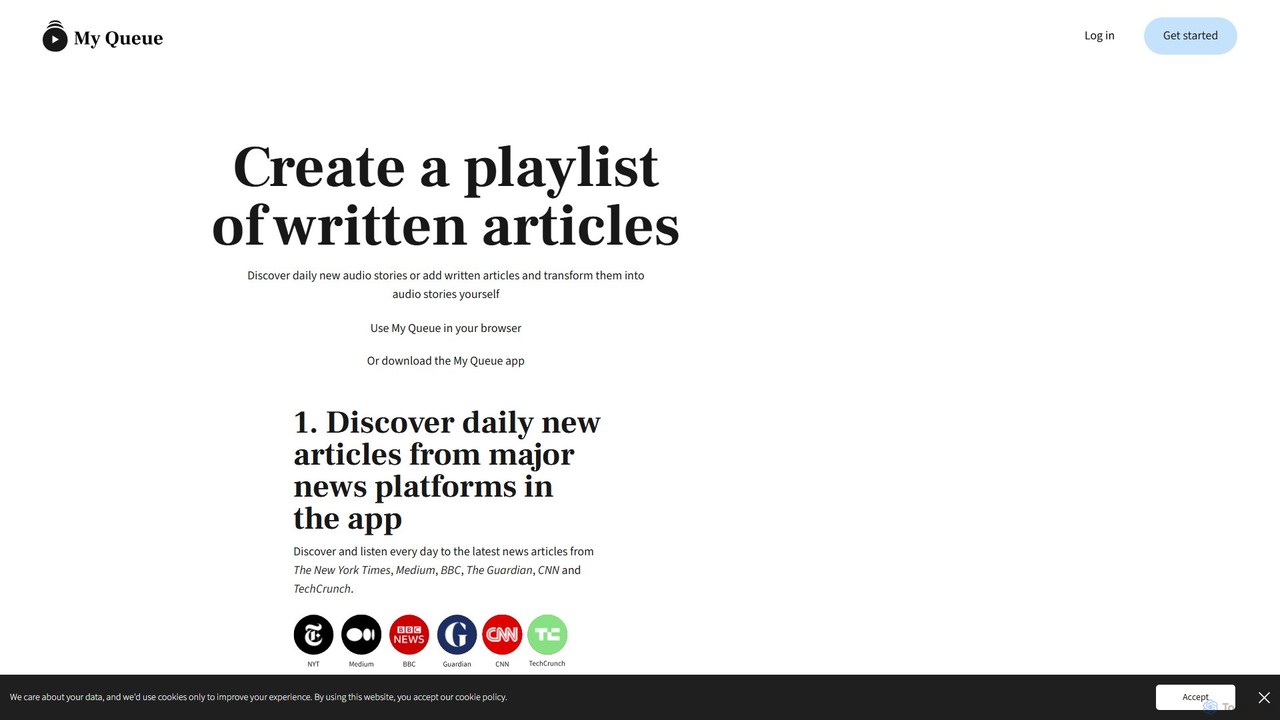
My Queue transforms written articles from the web into a personal audio playlist. Save content from news sites and blogs using a browser extension or by pasting a link. Listen on the go with mobile and desktop apps to reduce screen time. It supports 48 languages, offers customizable playback, and helps you stay informed while multitasking.

Audio Generation
Visits 4.1KFavorites 110Likes 107
otherweb
Freemium

otherweb

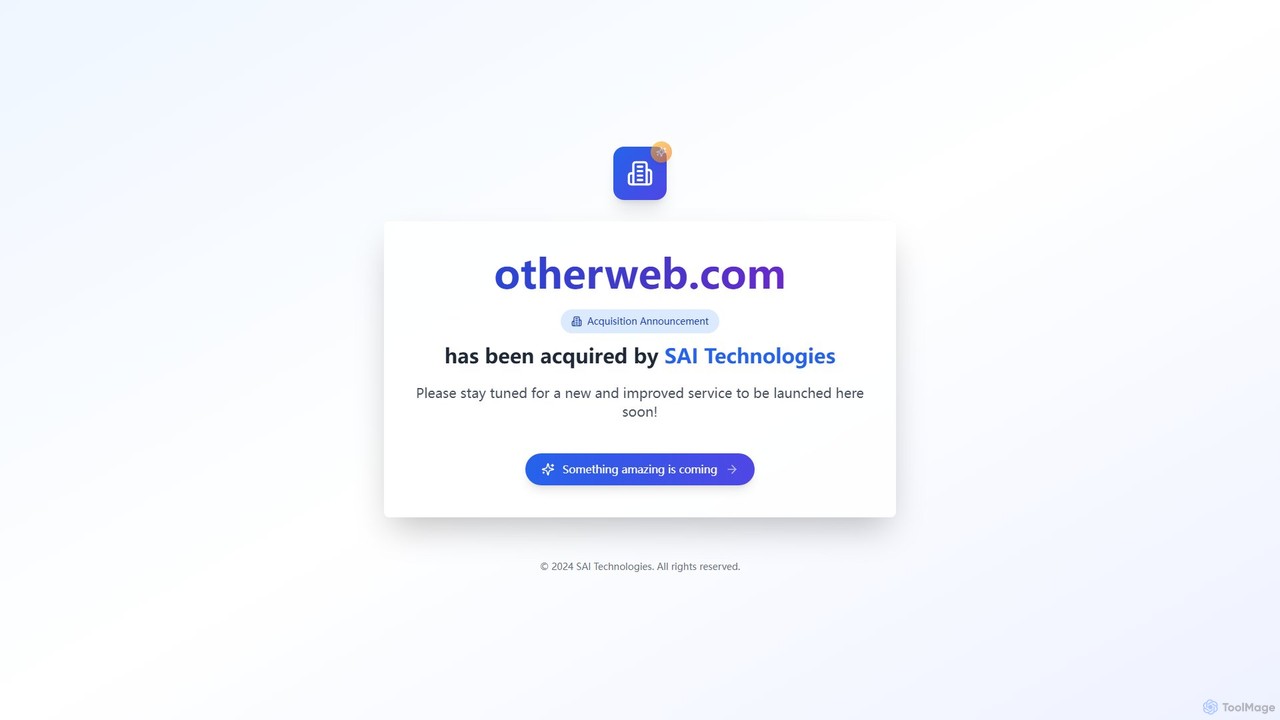
Otherweb is an AI-powered news aggregation and summarization platform designed to combat information overload and media bias. It provides concise, multi-perspective summaries of current events, drawing from a wide range of global sources to offer a balanced view. Currently being revamped after its acquisition by SAI Technologies.

Research
Visits 4KFavorites 174Likes 154
MorNews
Freemium

MorNews

MorNews is an AI-powered news aggregation and content intelligence platform. It delivers personalized news feeds, generates concise summaries of complex topics, and analyzes real-time data to identify emerging trends. Ideal for marketers, journalists, and strategists who need to stay ahead of the curve.

Market Intelligence
Visits 4KFavorites 110Likes 100
RSS Filter
Free

RSS Filter

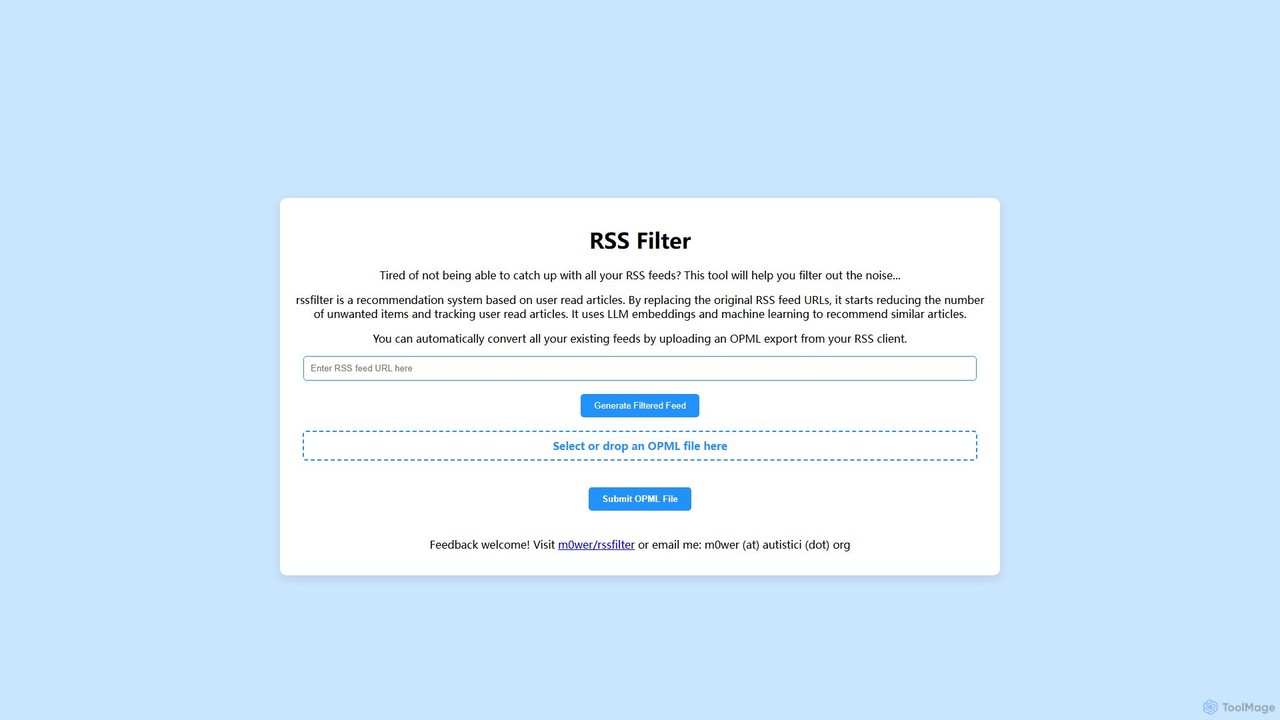
An AI-powered recommendation system that filters your RSS feeds to reduce noise. It uses LLM embeddings and machine learning to learn from your reading habits, recommending articles similar to what you've read and helping you focus on content that truly matters.

Open Source
Visits 4KFavorites 118Likes 117
deepnewz
Freemium

deepnewz

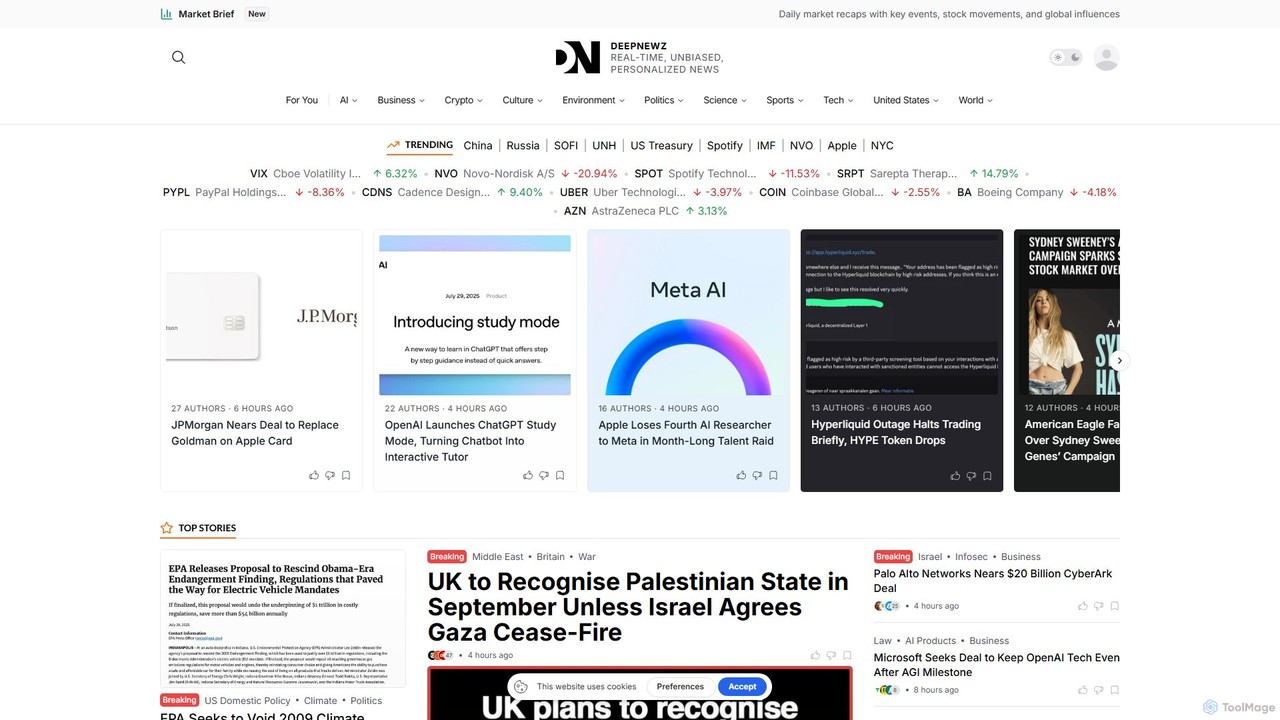
DeepNewz is an AI-powered news aggregation platform that delivers comprehensive, multi-source coverage of global events. It curates personalized news digests and synthesizes reports from numerous authors to provide a 360-degree view on topics ranging from finance and technology to politics and science, ensuring you get the full story.

Market Analysis
Visits 4.3KFavorites 129Likes 132
feedlens
Freemium

feedlens

An intelligent AI-powered feed reader that transforms information overload into focused knowledge. It aggregates content from RSS, social media, and newsletters, using AI to summarize, filter, and personalize your feed.

Content Curation
Visits 4KFavorites 124Likes 134
Digest
Freemium

Digest

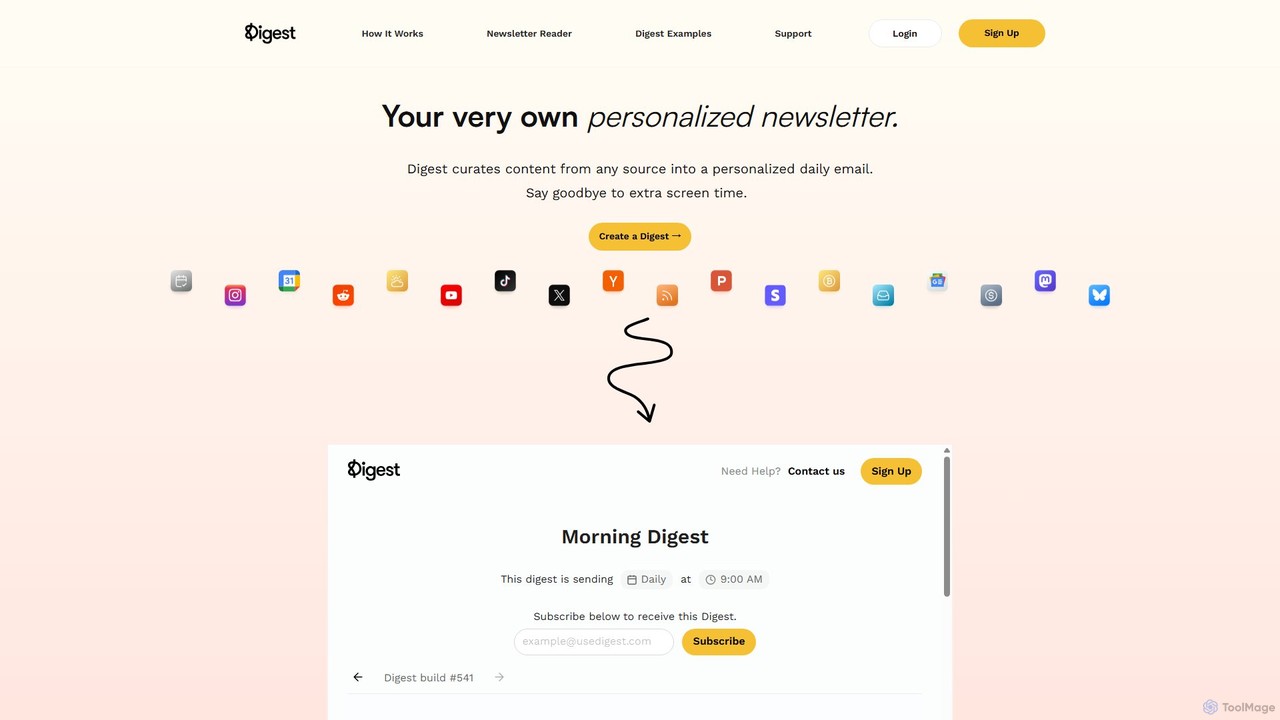
Digest is a powerful tool that curates content from your favorite sources like social media, news, and RSS feeds into a single, personalized daily email. It helps you stay informed without the distraction of endless scrolling, saving you time and reducing information overload. Create your own custom newsletter or subscribe to others.

Email Marketing
Visits 19KFavorites 129Likes 149
Brief
Free

Brief

Brief is an AI-powered news platform that delivers personalized daily news briefings via email. Select your topics of interest, and Brief's AI will curate and summarize thousands of articles from diverse sources, providing you with a concise and relevant news digest every morning.

Summarizer
Visits 5.8KFavorites 116Likes 107
Syft

Syft

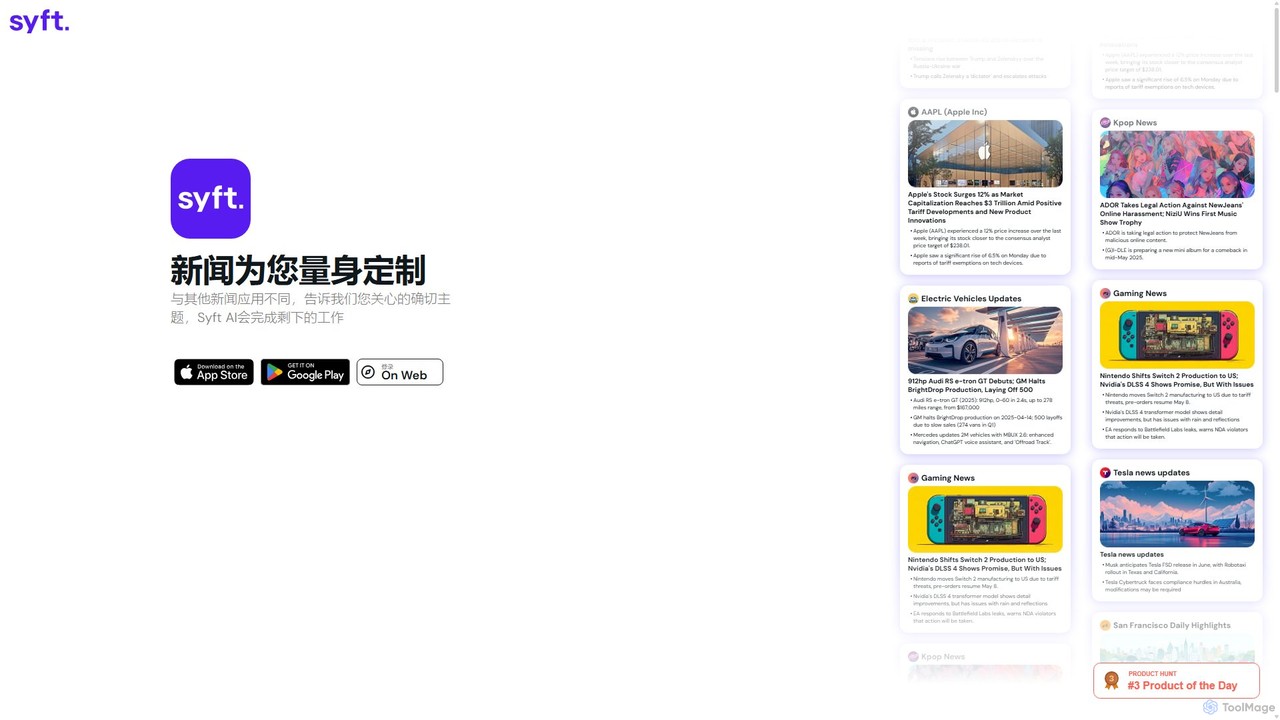
Syft is an AI-powered news aggregator that delivers personalized, summarized updates on topics you care about. It filters out duplicate content and noise from global sources, providing concise, easy-to-digest briefings with key takeaways to keep you informed efficiently.

Market Intelligence
Visits 8.1KFavorites 121Likes 134

About Aggregation

AI Aggregation tools are a specialized category within AI news tools designed to automatically collect, process, and organize information from diverse sources. These tools leverage artificial intelligence to streamline the discovery and consumption of vast amounts of news, articles, and data, moving beyond simple RSS feeds. Their primary value lies in providing users with a comprehensive, curated, and often personalized overview of relevant information, saving significant time and effort in manual research and helping to identify emerging trends.

Core Features

  • Multi-source Data Collection: Automatically gathers content from thousands of news outlets, blogs, social media, academic journals, and other online platforms, ensuring broad coverage.
  • Content Filtering & Deduplication: Intelligently removes irrelevant articles, spam, and duplicate content, presenting only unique, high-quality, and pertinent information.
  • Automated Summarization: Generates concise, AI-powered summaries of lengthy articles, allowing users to quickly grasp key points and main ideas without reading full texts.
  • Categorization & Tagging: Automatically assigns topics, entities, keywords, and sentiment labels to aggregated content for easy organization, advanced searchability, and deeper analysis.
  • Personalized Feed Generation: Creates highly customized news feeds based on individual user interests, preferences, historical consumption patterns, and specified keywords, reducing information overload.

Applicable Scenarios

These tools are invaluable for professionals and individuals seeking to stay informed efficiently across various domains. They are extensively used by market researchers to track industry trends and competitive intelligence, by public relations (PR) teams for real-time brand monitoring and crisis management, and by individual users for personalized news consumption, ensuring they receive relevant updates without information overload. Furthermore, journalists and content creators utilize them for topic discovery and content curation.

How to Choose

When selecting an AI Aggregation tool, consider its source coverage, evaluating both the breadth and depth of news outlets and data sources it monitors. Assess the quality and customizability of its filtering, deduplication, and summarization capabilities to ensure accuracy and relevance. Important factors also include its real-time processing speed for breaking news, the robustness of its personalization features, and its integration options with existing workflows or other analytical platforms. Finally, evaluate the accuracy of its AI in identifying relevant content and minimizing noise.

Featured tool rankings

Aggregation use cases

1

Market & Competitive Intelligence Gathering

Market researchers and business analysts utilize AI aggregation tools to continuously monitor industry news, competitor announcements, and market shifts. By aggregating data from diverse sources, they can identify emerging trends, track product launches, and analyze competitive strategies in real-time, gaining a comprehensive overview to inform strategic decision-making and maintain a competitive edge.

2

Personalized News Consumption

Individual users leverage AI aggregation tools to create highly personalized news feeds tailored to their specific interests, hobbies, or investment portfolios. Instead of sifting through generic news, they receive curated content that matters most to them, reducing information overload and ensuring they stay informed on topics ranging from technology and finance to specific cultural events or personal passions.

3

Content Curation for Publishers & Bloggers

Content creators, journalists, and publishers use AI aggregation tools to discover trending topics, identify authoritative sources, and curate relevant articles for their platforms. These tools help them stay ahead of the news cycle, find inspiration for new content, and efficiently gather background information, ensuring their audience receives fresh, engaging, and well-researched material.

4

Brand Monitoring & Public Relations

Public relations (PR) professionals and marketing teams deploy AI aggregation tools for real-time brand monitoring. They track mentions of their company, products, executives, and relevant keywords across news outlets, blogs, and social media. This enables them to quickly identify potential crises, measure media sentiment, respond to feedback, and assess the effectiveness of their PR campaigns, protecting and enhancing brand reputation.

5

Academic & Research Information Gathering

Academics, students, and researchers utilize AI aggregation tools to efficiently gather comprehensive information on specific subjects for their studies, theses, or publications. By automating the collection of relevant articles, papers, and reports from academic databases, news archives, and specialized journals, these tools save countless hours of manual searching, ensuring access to a broad and up-to-date knowledge base.

6

Investment & Financial News Analysis

Investors, financial analysts, and portfolio managers rely on AI aggregation tools to monitor real-time financial news, company reports, and market sentiment. These tools help them quickly process vast amounts of economic data, identify critical market-moving events, and detect subtle shifts in investor sentiment, enabling more informed and timely investment decisions in fast-paced financial markets.

Aggregation FAQ

What are AI Aggregation tools for news?

AI Aggregation tools are AI-powered platforms that automatically collect, process, and organize news and information from multiple online sources. They leverage machine learning to filter, deduplicate, summarize, and categorize content, providing users with a curated and often personalized feed of relevant information. Their primary purpose is to streamline information consumption and help users stay informed efficiently.

How do AI Aggregation tools differ from traditional news feeds or RSS?

Unlike traditional news feeds or RSS, which simply deliver content from subscribed sources, AI Aggregation tools employ advanced AI algorithms for intelligent processing. They can filter out noise, deduplicate articles, generate concise summaries, categorize content by topic or sentiment, and personalize feeds based on user behavior and preferences. This results in a much more refined, relevant, and less overwhelming information experience compared to basic feeds.

What are the key benefits of using AI Aggregation tools?

The key benefits include significant time savings by automating information gathering and processing, a comprehensive overview of diverse sources, reduced information overload through intelligent filtering and personalization, and enhanced decision-making capabilities by identifying emerging trends and critical insights. They also improve content relevance and allow for more efficient monitoring of specific topics or brands.

How to select the best AI Aggregation tool for my needs?

To select the best AI Aggregation tool, consider its source coverage (how many and what types of sources it monitors), the quality and customizability of its filtering and summarization features, and its real-time processing capabilities for breaking news. Also, evaluate its personalization options, integration with your existing workflows, and pricing model. Prioritize tools that offer high accuracy in content relevance and minimal noise.

Can AI Aggregation tools help with trend analysis and sentiment tracking?

Yes, AI Aggregation tools are highly effective for trend analysis and sentiment tracking. By processing vast amounts of aggregated news and data, their AI algorithms can identify emerging patterns, shifts in public opinion, and the sentiment (positive, negative, neutral) associated with specific topics, brands, or events. This capability is crucial for market intelligence, PR, and strategic planning, offering deeper insights than manual methods.