ToolMage
Sign in

Best 8 Aggregator AI tools for News

Popular Aggregator AI tools in News include FutureTools, Meco, Pidgeon, aifeed.fyi, Wize Up, fyer.news, Nüz, and GistReader, helping you work more efficiently.

Wize Up
Freemium

Wize Up

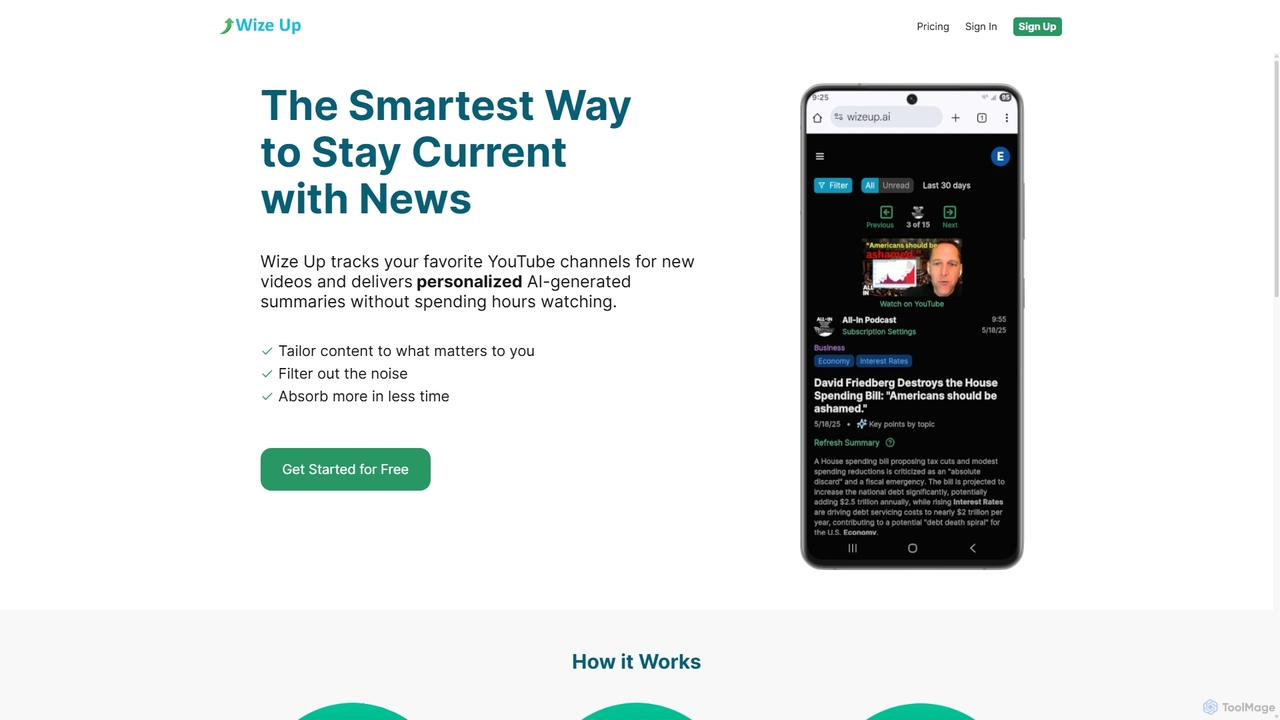
Wize Up is an AI-powered tool that transforms your YouTube experience by summarizing videos from your favorite channels. It delivers personalized, AI-generated summaries and daily digests to your email or in-app, saving you hours of watch time. Customize summary length, style, and language to focus on what matters most. With features like timestamped key moments and advanced filtering, Wize Up helps you absorb more information in less time and stay current with news, podcasts, and educational content effortlessly.

Learning
Visits 5.4KFavorites 141Likes 141
FutureTools
Free

FutureTools

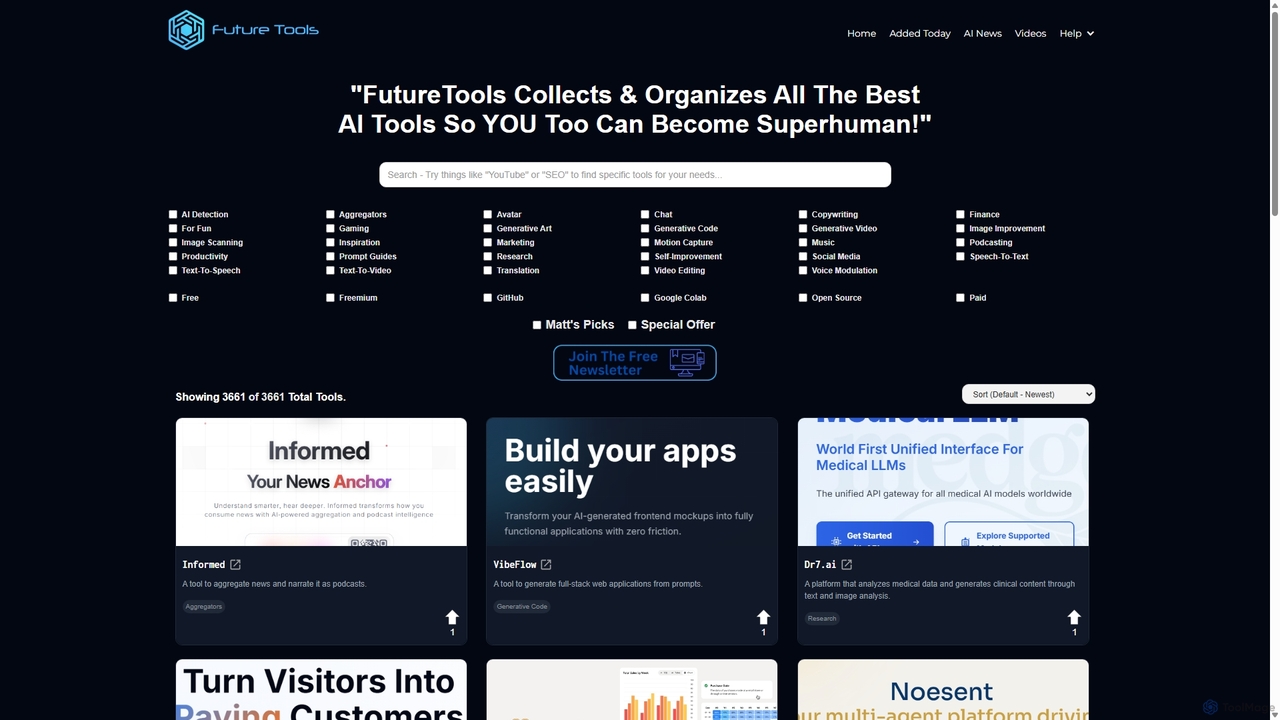
FutureTools is the largest and most comprehensive curated directory of AI tools. Founded by Matt Wolfe, it collects and organizes the best AI applications, helping users find the perfect solution for any need. It features thousands of tools, daily updates, community ratings, and expert picks.

Artificial Intelligence
Visits 470.2KFavorites 139Likes 118
fyer.news
Freemium

fyer.news

fyer.news is an AI-powered news aggregator and summarization platform. It delivers personalized, concise, and unbiased news updates from thousands of sources, helping users stay informed efficiently and cut through information overload.

Aggregator
Visits 5.3KFavorites 145Likes 140
Pidgeon
Freemium

Pidgeon

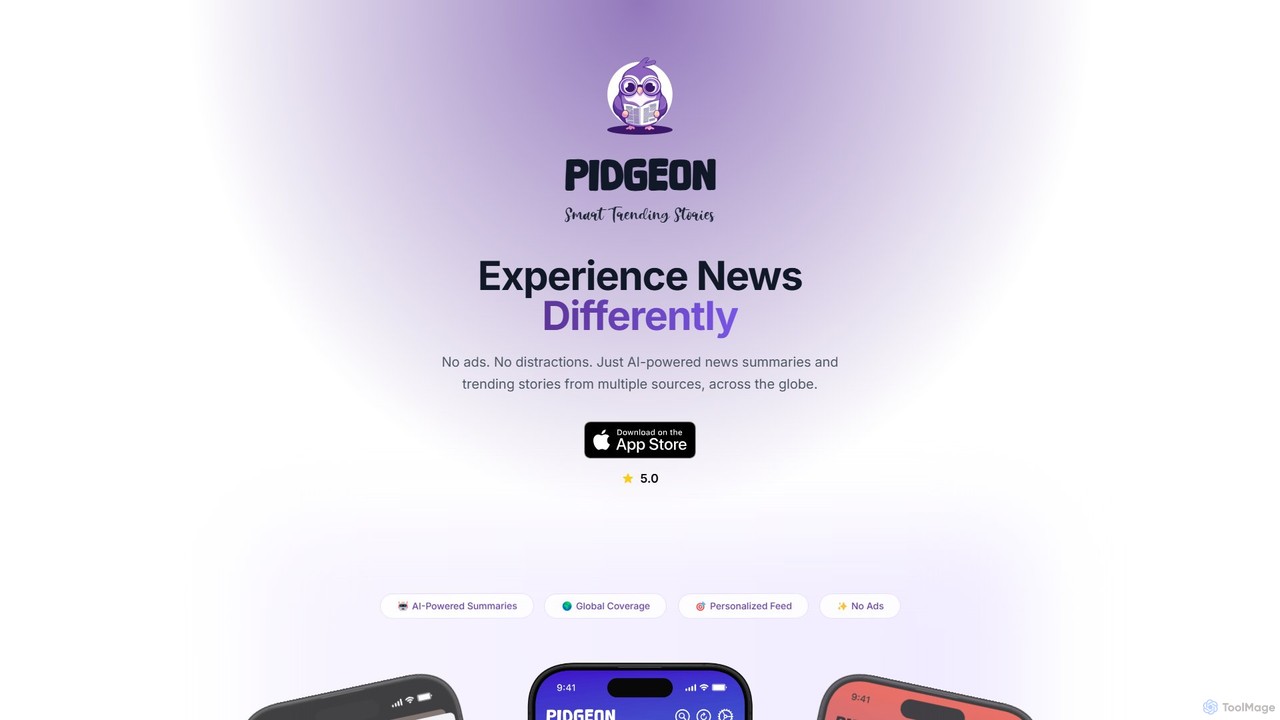
Pidgeon is an AI-powered news aggregator app that delivers concise, ad-free summaries of trending stories from global sources. It offers a personalized news feed, daily digests, and a distraction-free reader mode, helping you stay informed efficiently without information overload. It's designed for users who value time and a clean reading experience.

Summarizer
Visits 7KFavorites 112Likes 120
aifeed.fyi
Free

aifeed.fyi

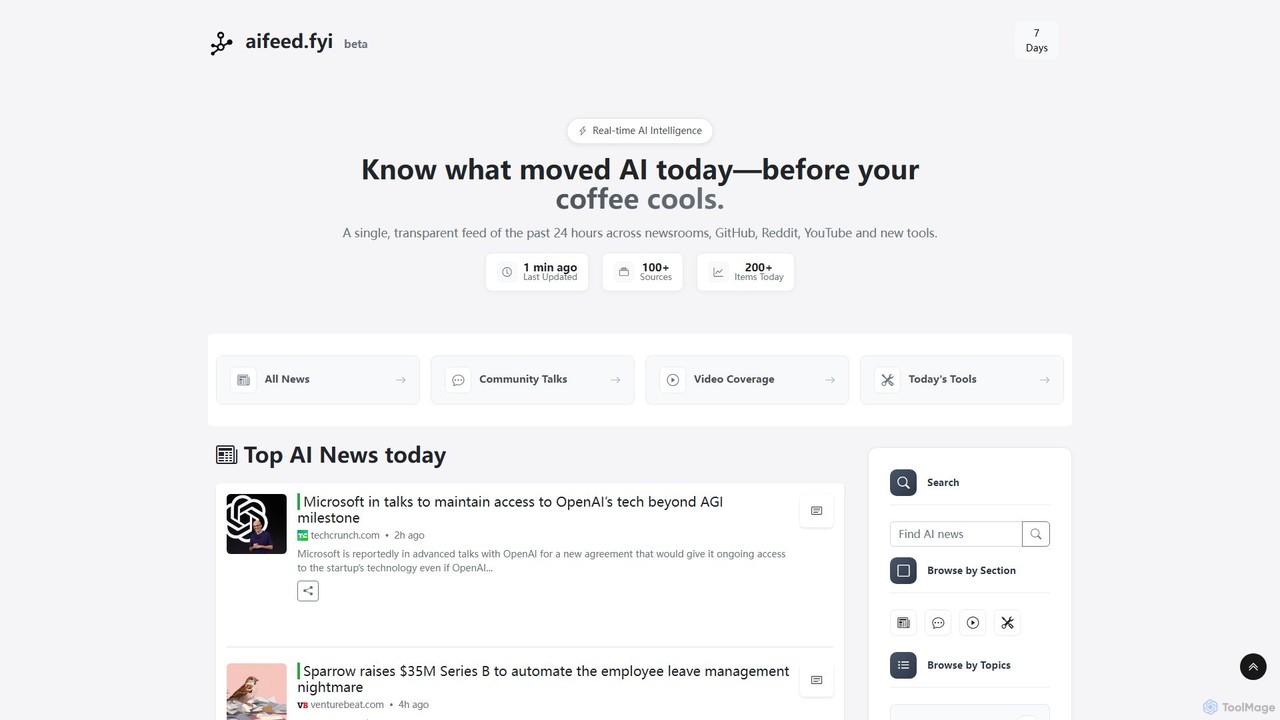
aifeed.fyi is a real-time AI intelligence platform that acts as a one-stop solution for AI news and updates. It aggregates content from over 100 sources, including newsrooms, GitHub, Reddit, and YouTube, into a single, transparent feed. With AI-powered summaries (TL;DR), it allows users to quickly understand the most important developments in the AI world, from new models and research papers to industry trends and tool launches.

Learning
Visits 6KFavorites 130Likes 134
GistReader
Freemium

GistReader

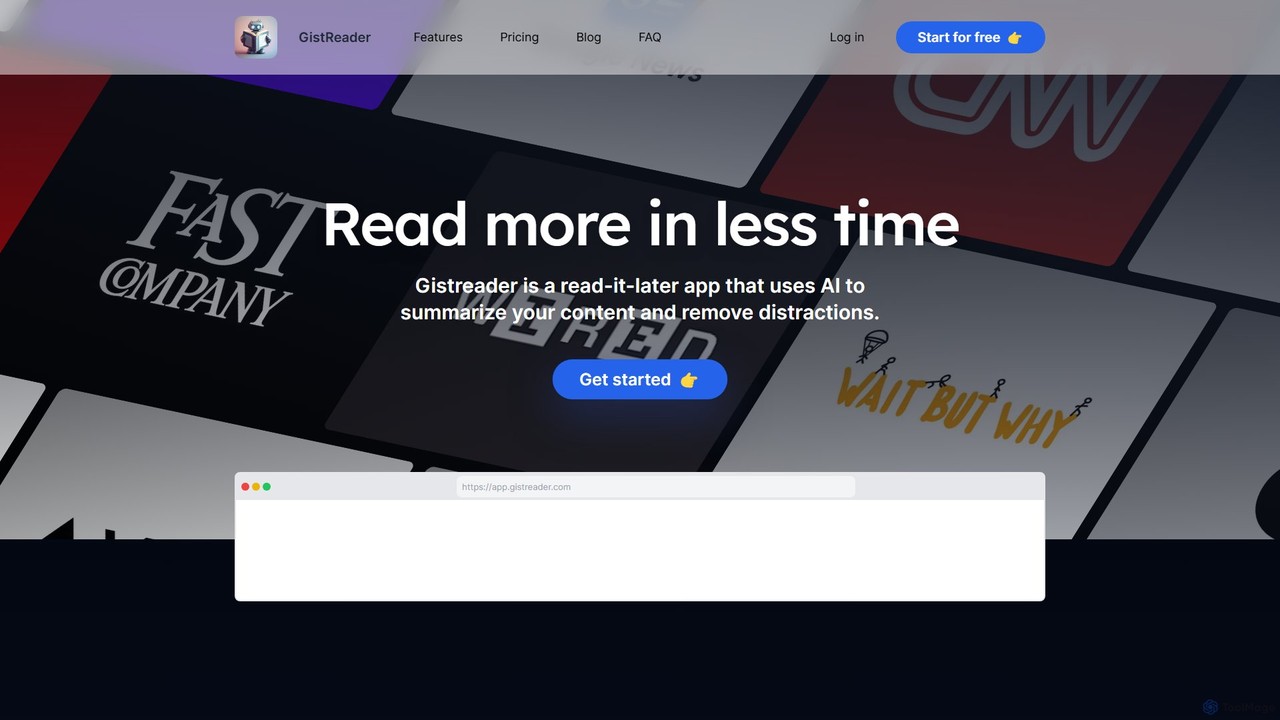
GistReader is an AI-enhanced read-it-later application designed to save you time. It uses AI to summarize articles and web pages, removes distracting ads and clutter for a clean reading experience, and can even convert articles into high-quality podcasts. It supports RSS feeds, YouTube videos, and integrates with Pocket, syncing your content across all devices.

Aggregator
Visits 5.3KFavorites 143Likes 140
Meco
Freemium

Meco

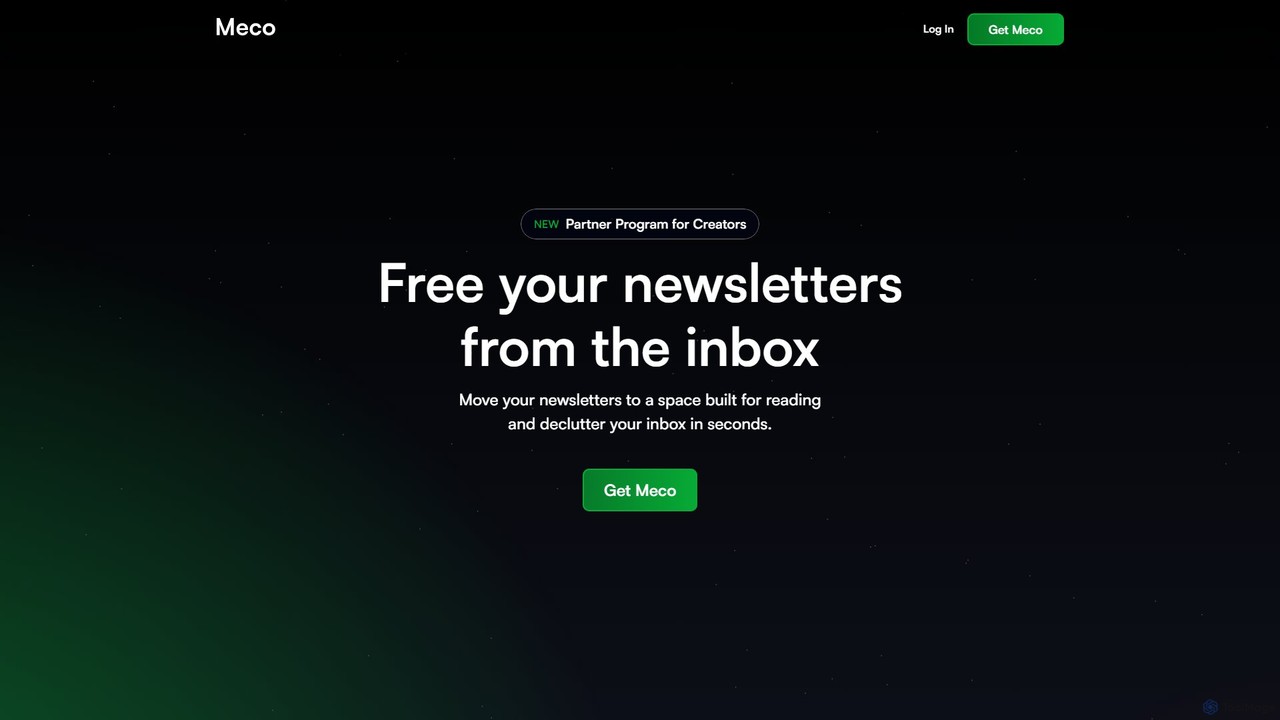
Meco is an AI-powered newsletter reader and aggregator designed to declutter your inbox. It moves your newsletters to a dedicated, distraction-free reading space, offering features like AI-generated audio roundups and text summaries to help you stay informed efficiently. Organize, discover, and retain knowledge from your favorite subscriptions seamlessly across web, iOS, and Android.

Summarizer
Visits 23.7KFavorites 118Likes 113
Nüz
Free

Nüz

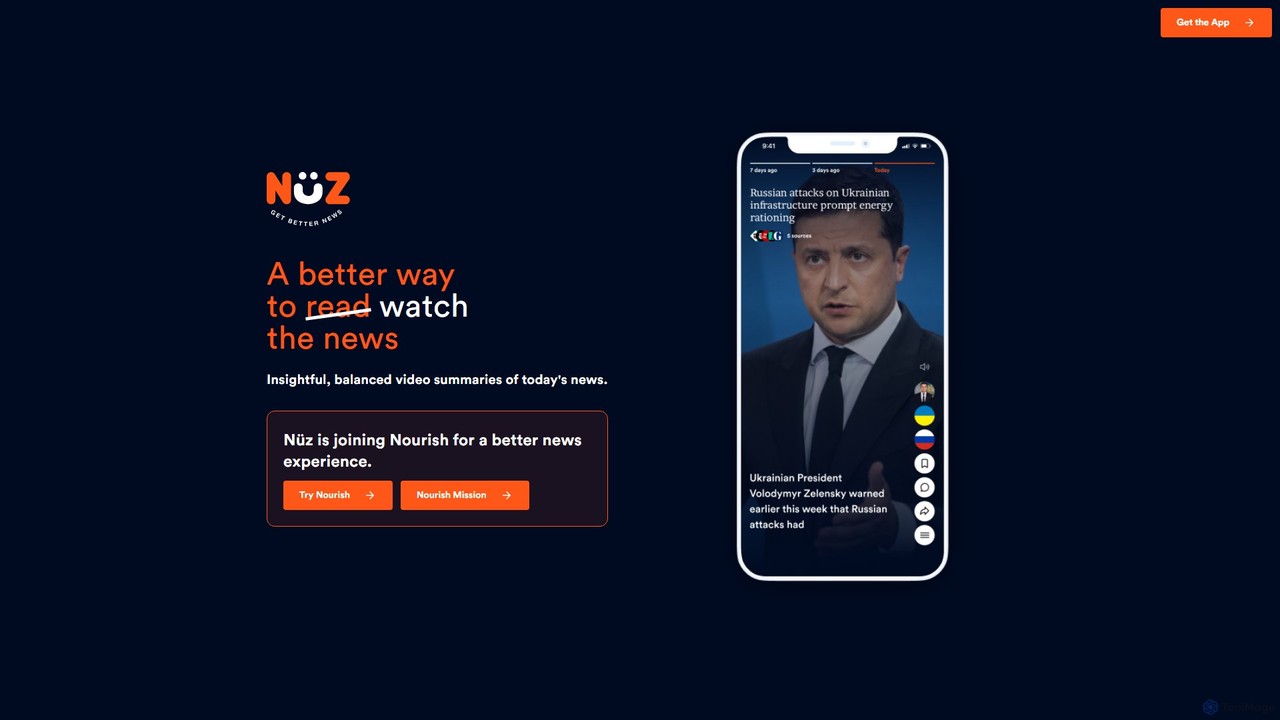
Nüz is an AI-powered news application that transforms traditional news articles into insightful, balanced video summaries. It analyzes dozens of global sources to detect journalistic bias, providing users with a quick, comprehensive, and neutral perspective on world events, all in a privacy-respecting, ad-free environment.

Aggregator
Visits 5.3KFavorites 120Likes 122

About Aggregator

AI News Aggregators are tools that automatically collect, categorize, and summarize news content from a vast array of online sources. They leverage Natural Language Processing (NLP) to understand context, identify key topics, and filter out irrelevant information. This allows users to receive a personalized and consolidated view of news relevant to their specific interests or professional needs, saving significant time compared to manual browsing. These platforms transform information overload into structured, actionable intelligence.

Core Features

  • Multi-Source Aggregation: Automatically gathers articles, posts, and reports from thousands of news sites, blogs, and social media feeds.
  • AI-Powered Categorization: Uses machine learning to tag and sort content by topic, industry, company, or sentiment without manual rules.
  • Automated Summarization: Generates concise summaries of long articles, enabling users to grasp key points quickly.
  • Trend & Anomaly Detection: Identifies emerging topics, sudden spikes in coverage, and unusual news patterns within a specific domain.
  • Personalized Feeds & Alerts: Allows users to create custom news feeds based on keywords and receive real-time alerts on critical developments.

Use Cases

AI News Aggregators are widely used by market intelligence analysts for tracking competitors and industry trends, public relations professionals for monitoring brand mentions, and financial experts for staying ahead of market-moving news. Researchers and academics also use them to follow the latest publications and discoveries in their fields without being overwhelmed by the volume of information.

How to Choose

When selecting an AI News Aggregator, consider the breadth and quality of its source list. Evaluate the sophistication of its filtering and personalization capabilities—can it accurately track niche topics? Assess the quality of its AI summaries and its ability to integrate with other tools like Slack or CRM systems. Finally, consider the update frequency and the pricing model, whether it's based on users, topics, or data volume.

Aggregator use cases

1

Competitive Intelligence Monitoring

A market intelligence analyst for a tech company needs to track competitors' activities in real-time. They use an AI News Aggregator to set up feeds for specific company names, product keywords, and executive names. The tool continuously scans thousands of sources, including tech blogs, financial news sites, and press release wires. It automatically filters out noise, summarizes key announcements, and sends instant alerts for significant events like product launches or funding rounds. This allows the analyst to deliver timely, concise competitive briefings to stakeholders without spending hours manually searching for information.

2

Creating Personalized Daily Briefings

A busy executive wants to stay informed about their industry, key clients, and emerging technologies without sifting through dozens of websites each morning. They configure an AI News Aggregator to create a personalized daily digest. The tool pulls the top 5 most relevant articles on 'AI in healthcare', 'biotech regulations', and news about their top 3 clients. Each morning, they receive a single email with concise summaries of these articles. This automated briefing process saves them over an hour each day and ensures they start their day fully informed on the topics that matter most to their role.

3

Tracking Brand Mentions for PR

A public relations manager is responsible for managing their company's reputation. They use an AI News Aggregator to monitor all online mentions of their brand, products, and key executives. The tool is set up to provide real-time alerts for new articles. It also uses sentiment analysis to categorize mentions as positive, negative, or neutral. This allows the PR manager to quickly identify and respond to negative press, amplify positive stories, and measure the impact of their PR campaigns by tracking the volume and sentiment of media coverage over time.

4

Content Curation for Niche Newsletters

A content creator runs a popular weekly newsletter about sustainable technology. Finding fresh, high-quality content from diverse sources is a time-consuming task. By using an AI News Aggregator, they set up advanced filters for keywords like 'green tech', 'circular economy', and 'renewable energy innovations'. The aggregator pulls in articles from scientific journals, industry blogs, and mainstream news, ranking them by relevance and social media engagement. The creator can quickly scan the summarized articles, select the most compelling ones, and curate their newsletter in a fraction of the time it used to take.

5

Financial Market Event Monitoring

A financial analyst needs to stay ahead of news that could impact their investment portfolio. They use an AI News Aggregator to track specific stock tickers, market sectors like 'semiconductors', and economic terms such as 'inflation rate'. The tool aggregates information from financial news outlets, regulatory filings, and even social media chatter from verified financial influencers. Real-time alerts for events like earnings reports, M&A rumors, or central bank policy changes allow the analyst to react swiftly to market-moving information, providing a critical edge in a fast-paced environment.

6

Academic Research and Literature Tracking

A university researcher specializing in quantum computing needs to keep up with the latest papers, conference announcements, and breakthroughs. Manually checking dozens of journals and university websites is inefficient. They use an AI News Aggregator to monitor keywords like 'quantum entanglement', 'qubit stability', and names of leading research institutions. The tool aggregates pre-print articles from arXiv, peer-reviewed papers from major publishers, and news from science journalism sites. This ensures the researcher never misses a critical development and can focus their time on analysis and experimentation rather than information gathering.

Aggregator FAQ

What is an AI News Aggregator?

An AI News Aggregator is a software tool that uses artificial intelligence to automatically collect, organize, and personalize news from numerous online sources. Unlike simple news readers, it employs technologies like Natural Language Processing (NLP) to understand the content, categorize articles by topic and sentiment, and generate concise summaries. The primary goal is to combat information overload by delivering a highly relevant, filtered, and digestible stream of news tailored to a user's specific interests or professional requirements.

How to choose the right AI News Aggregator?

Choosing the right tool depends on your specific needs. Consider these factors:

  • Source Coverage: Does it monitor the sources that are most important to you, including niche industry blogs, academic journals, or international media?
  • Filtering Precision: How well can you refine your searches? Look for support for complex Boolean queries, keyword exclusion, and filtering by language or region.
  • AI Capabilities: Evaluate the quality of its summarization, topic clustering, and sentiment analysis. Does it effectively identify trends and reduce noise?
  • Integration and Alerts: Can it deliver information where you need it, such as via email digests, Slack notifications, or an API for integration with other systems?
  • User Interface and Cost: Is the platform intuitive to use? Does the pricing model align with your budget and scale with your needs (e.g., per user, per topic)?
What's the difference between an AI News Aggregator and an RSS reader?

The key difference lies in intelligence and automation. An RSS reader is a passive tool; it simply fetches content from the specific feeds you manually subscribe to. An AI News Aggregator is an active discovery and analysis engine. It not only pulls from known sources but also discovers new, relevant content across the web based on your topics of interest. Furthermore, it analyzes the content to provide summaries, detect trends, and filter out duplicates and noise, offering a curated and intelligent information stream rather than just a raw feed.

What are the key features of AI News Aggregators?

While features vary between tools, most high-quality AI News Aggregators include:

  • Topic & Keyword Tracking: The ability to monitor specific companies, people, products, or concepts.
  • AI Summarization: Automatically generating short, coherent summaries of long articles.
  • Sentiment Analysis: Classifying news coverage as positive, negative, or neutral.
  • Trend Analysis: Identifying topics with increasing media attention over time.
  • Source Customization: Allowing users to add their own sources or prioritize certain publications.
  • Real-time Alerts: Sending instant notifications for breaking news that matches user criteria.
Who can benefit from using an AI News Aggregator?

A wide range of professionals and individuals can benefit from these tools. Key users include:

  • Business Strategists & Analysts: For tracking industry trends, competitive landscapes, and market shifts.
  • PR & Communications Teams: For monitoring brand reputation, media mentions, and campaign effectiveness.
  • Financial Professionals: For staying informed about market-moving news, economic indicators, and specific company events.
  • Researchers & Academics: For keeping up with the latest studies and publications in their field of expertise.
  • Content Creators & Curators: For efficiently discovering relevant and engaging content to share with their audience.
  • Curious Individuals: Anyone who wants a personalized, efficient way to stay informed on multiple topics without information fatigue.