Finance Best in category 6 results Market Intelligence AI Tool

Popular AI tools in the Market Intelligence field of Finance include Greenbot、Syft、TrendIQ、TruthSignal、Osmosis.fm、trendoo, etc., helping you quickly improve efficiency.

TruthSignal

TruthSignal

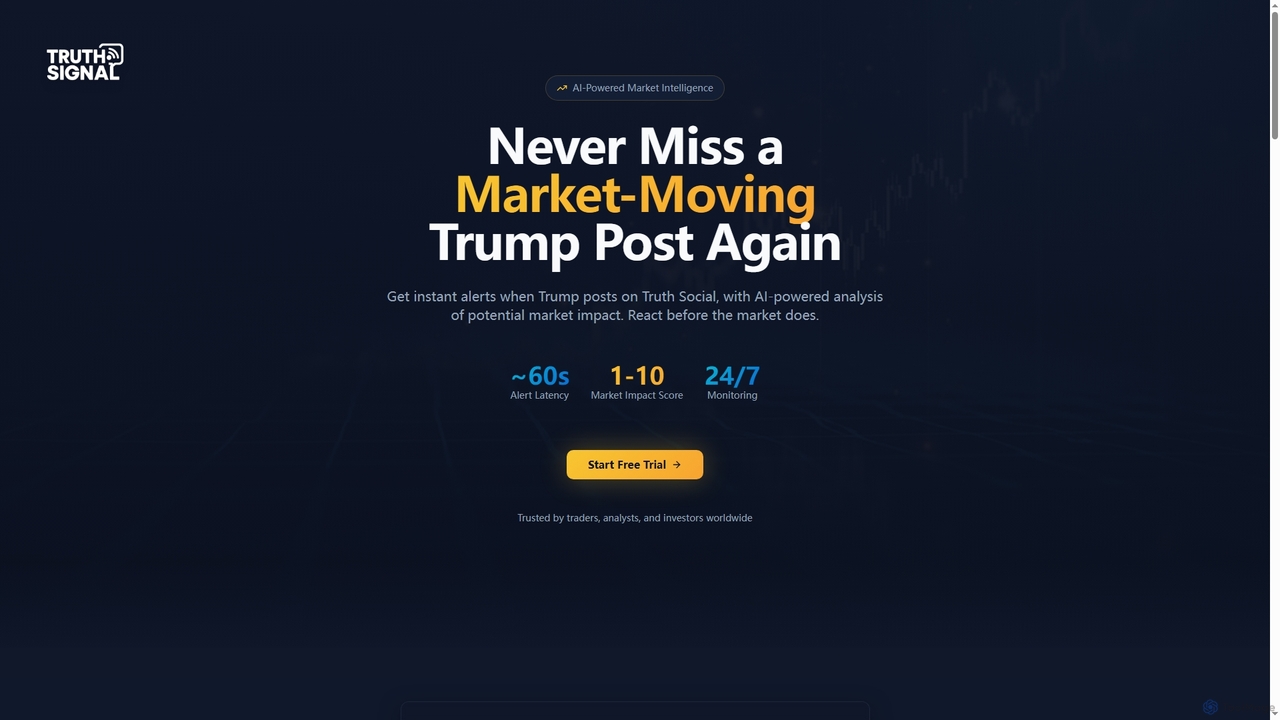
TruthSignal is an AI-powered market intelligence platform that provides real-time alerts on Donald Trump's Truth Social posts. It …

4.7K
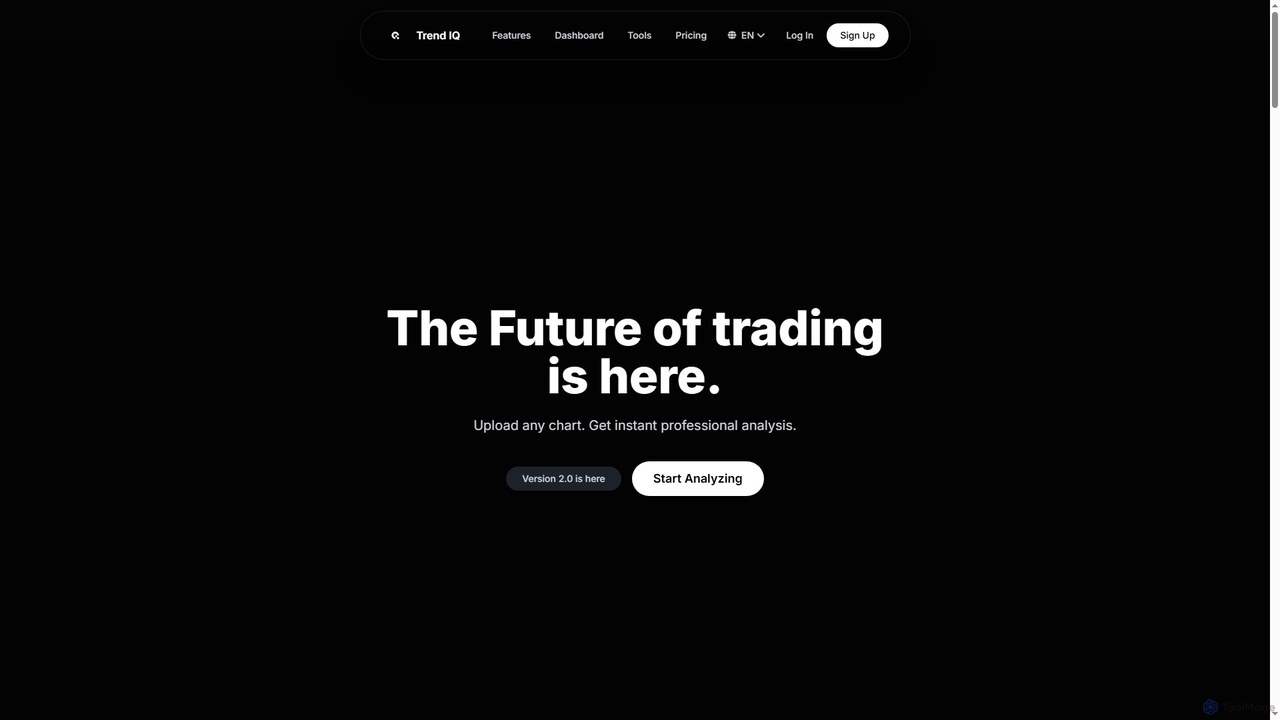
TrendIQ

TrendIQ

TrendIQ is an AI-powered technical analysis tool for traders across crypto, stocks, futures, and forex markets. It instantly …

7.1K
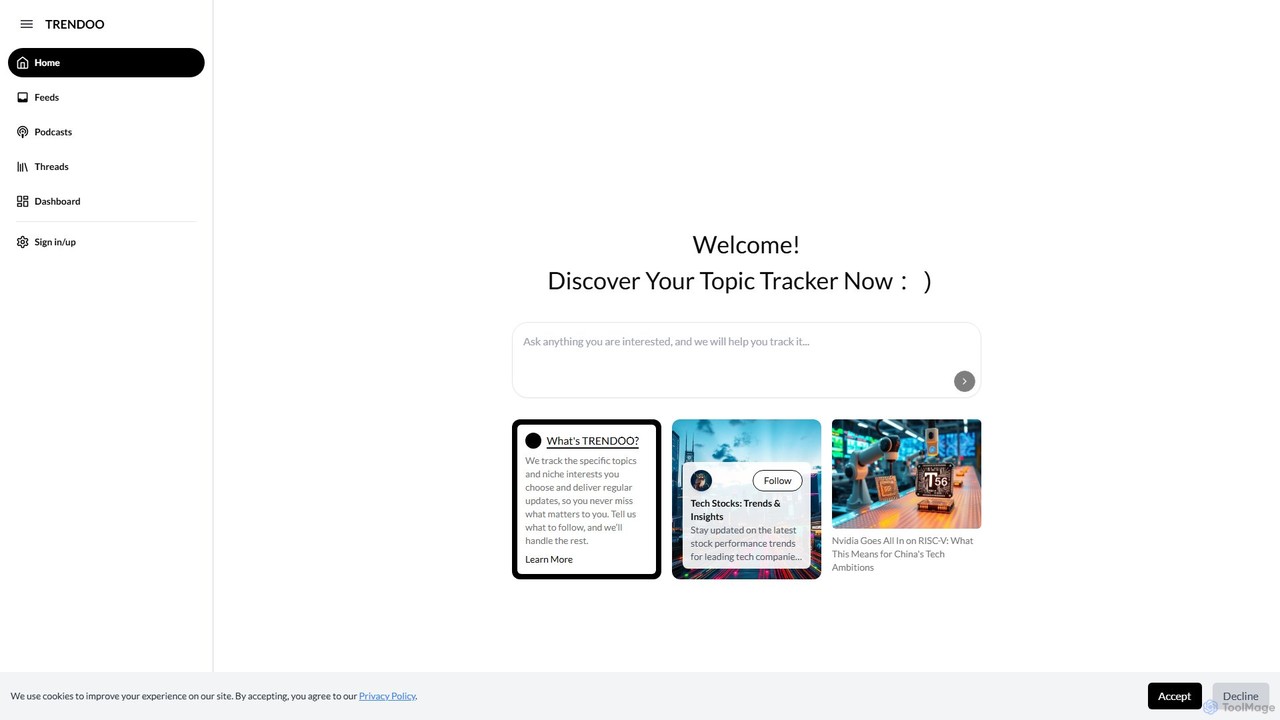
trendoo

trendoo

trendoo is an AI-powered intelligence platform that tracks specific topics and niche interests you choose. It delivers curated, …

2.7K
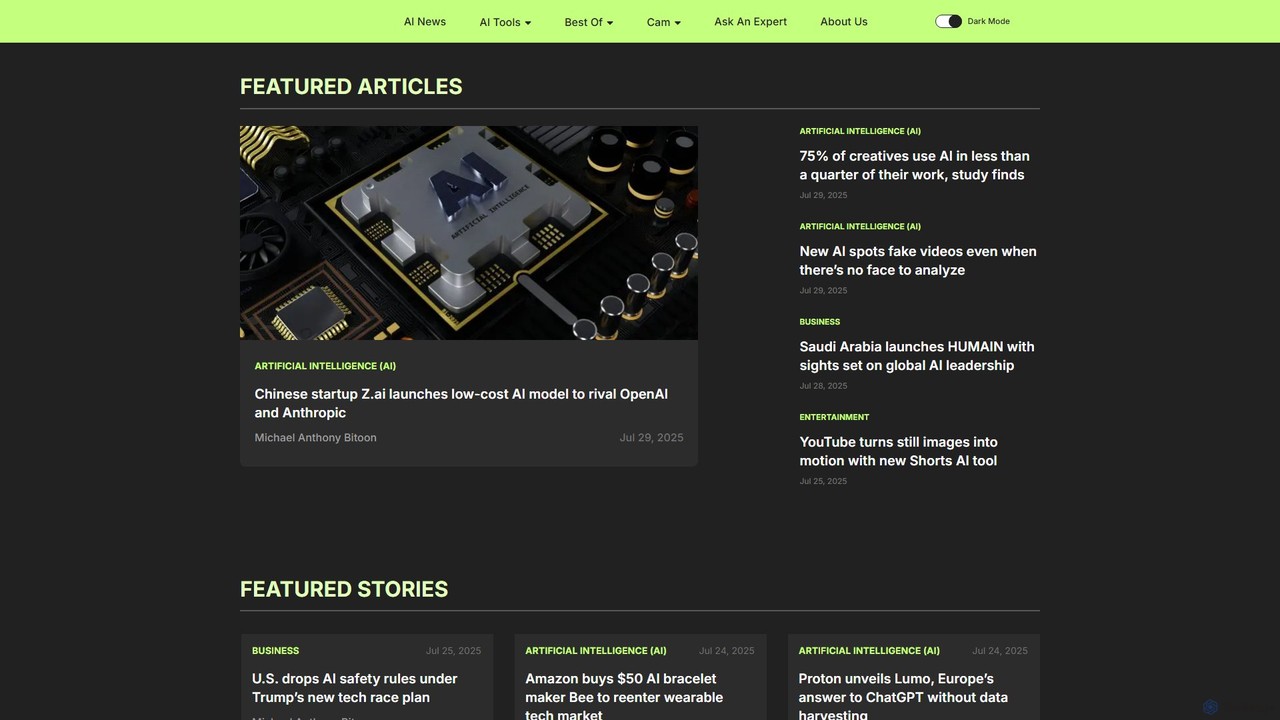
Greenbot

Greenbot

Greenbot is an AI-powered market intelligence and news aggregation platform. It scans thousands of global sources in real-time …

80.9K
Osmosis.fm

Osmosis.fm

Osmosis.fm is an AI-powered intelligence platform that tracks public records, meetings, and communications from financial and corporate entities. …

2.8K
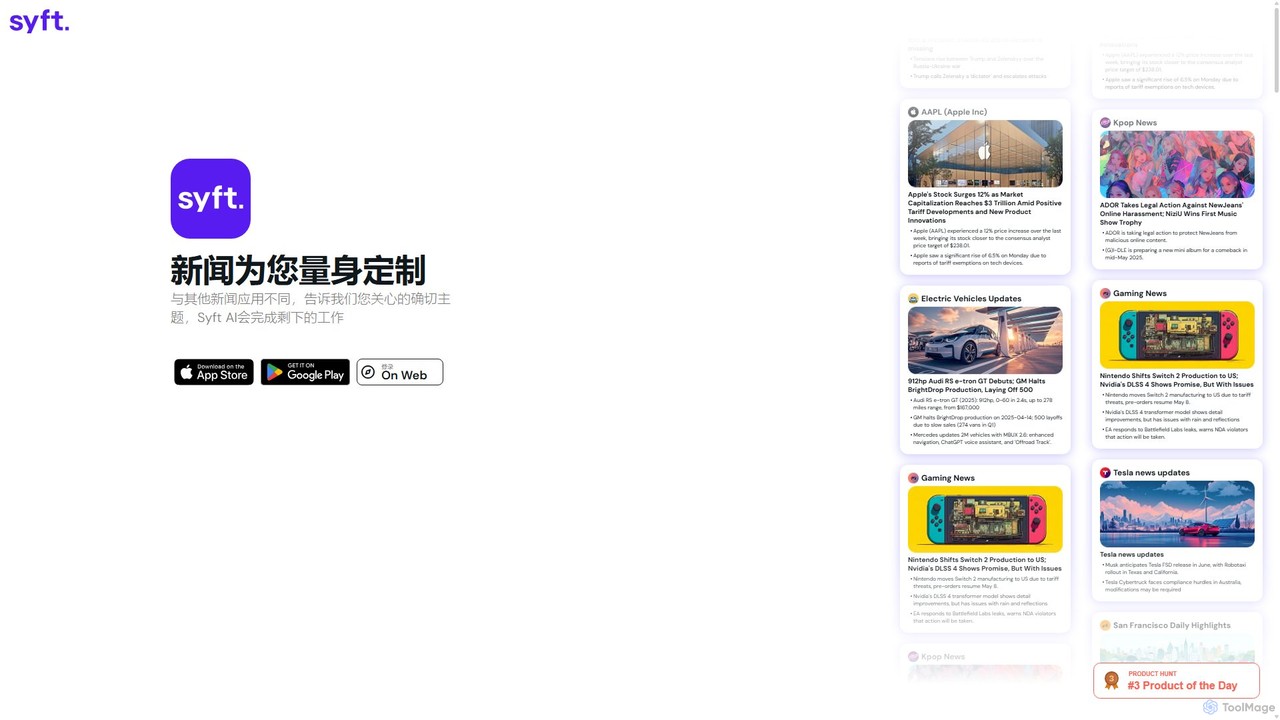
Syft

Syft

Syft is an AI-powered news aggregator that delivers personalized, summarized updates on topics you care about. It filters …

10.2K

About Market Intelligence

Market Intelligence tools are AI-powered platforms designed to collect, analyze, and visualize vast amounts of external market data. They utilize machine learning and natural language processing (NLP) to uncover competitor strategies, consumer sentiment, and emerging industry trends in real-time. This provides businesses with actionable insights for strategic planning, risk management, and maintaining a competitive advantage. As a key component of a comprehensive financial strategy, these tools transform raw data into a clear view of the market landscape.

Core Features

  • Competitor Monitoring: Automatically track competitors' pricing, product launches, marketing campaigns, and hiring activities.
  • Trend Analysis & Forecasting: Identify nascent market patterns and use predictive analytics to forecast future shifts in demand or technology.
  • Consumer Sentiment Analysis: Process reviews, social media, and news articles to gauge public perception of brands and products.
  • Automated Data Aggregation: Consolidate information from diverse sources, including news outlets, financial reports, social feeds, and government databases.
  • Real-time Alerts: Deliver instant notifications about significant market events, competitor actions, or shifts in consumer conversations.

Applicable Scenarios

These tools are essential for roles such as marketing managers, product strategists, investment analysts, and corporate development teams. They are frequently used for competitive benchmarking, identifying new market entry opportunities, conducting due diligence for investments, and shaping data-driven marketing campaigns.

Selection Criteria

When choosing a Market Intelligence tool, consider the breadth and quality of its data sources, the depth of its analytical capabilities (e.g., sentiment, predictive), its ability to integrate with other systems like CRM or BI platforms, and whether its reporting and alert features align with your team's workflow.

Market IntelligenceUse Cases

1

Track Competitor Product Launches

A product manager for a SaaS company uses a market intelligence tool to create a real-time dashboard monitoring key competitors. The tool automatically aggregates press releases, blog posts, social media mentions, and customer reviews related to competitor product updates. When a major rival launches a new feature, the manager receives an instant alert with a summary of the announcement and initial customer reactions. This allows them to quickly assess the competitive threat, analyze the new feature's market fit, and adjust their own product roadmap accordingly, reducing response time from weeks to hours.

2

Gauge Consumer Sentiment for a Marketing Campaign

A marketing team launches a new global advertising campaign. They use a market intelligence tool to monitor social media platforms, news sites, and forums for mentions of their campaign hashtag and brand name. The AI analyzes the sentiment of thousands of posts in multiple languages, categorizing them as positive, negative, or neutral. The dashboard reveals that sentiment is highly positive in North America but unexpectedly negative in a key Asian market due to a cultural misinterpretation. Armed with this insight, the team quickly modifies the campaign for that specific region, preventing further brand damage and improving ROI.

3

Identify Emerging Investment Trends

An investment analyst at a venture capital firm is tasked with identifying opportunities in the sustainable technology sector. They use a market intelligence platform to track patent filings, academic research publications, funding announcements, and news from specialized tech journals. The AI identifies a sudden surge in patents related to 'solid-state battery recycling'. It cross-references this with a rise in online discourse among engineers and an increase in seed funding for startups in this niche. This allows the analyst to identify a nascent, high-potential trend before it becomes mainstream, giving their firm a first-mover advantage in investment decisions.

4

Optimize Retail Pricing Strategy

An e-commerce manager for a consumer electronics retailer needs to maintain competitive pricing. They deploy a market intelligence tool that scrapes pricing data from dozens of competitor websites and online marketplaces in real-time. The system flags instances where their prices are significantly higher or lower than the market average for identical products. It also identifies competitors' promotional activities, such as flash sales or bundle deals. Using these automated insights, the manager can dynamically adjust prices to maximize sales and profit margins, reacting to market changes in minutes instead of days.

5

Conduct Due Diligence for an Acquisition

A corporate development team is evaluating a potential acquisition target. They use a market intelligence tool to build a comprehensive profile of the target company's market position. The tool analyzes the target's share of voice online compared to its competitors, tracks the sentiment of its customer base over the past three years, and identifies any emerging threats or negative press. This provides an objective, data-backed view of the target's brand health and market standing, supplementing traditional financial due diligence and helping the team make a more informed acquisition decision.

6

Assess Supply Chain Risks

A logistics manager for a global manufacturing company uses a market intelligence tool to monitor geopolitical and environmental risks. The system is configured to track news, government reports, and shipping lane data from regions where their key suppliers are located. The AI flags a news report about potential labor strikes at a major port and cross-references it with data showing increased shipping delays. The manager receives an alert, allowing them to proactively reroute shipments and activate backup suppliers, mitigating potential disruptions to their production line weeks before they would have been notified through official channels.

Market IntelligenceFrequently Asked Questions