ToolMage
Sign in

Best 7 Journaling AI tools for Personal

Popular Journaling AI tools in Personal include AILifeStory, almayalife, Leaves Legacy Project, NoteGen, Sojot.ai, Hadana, and TheDreamKeeper, helping you work more efficiently.

AILifeStory
Freemium

AILifeStory

AILifeStory is an AI-powered platform that helps you write a captivating autobiography. Through a guided interview process with an AI ghostwriter, you can easily document your life experiences, memories, and wisdom. The tool transforms your spoken or typed answers into a professionally written, beautifully formatted digital book, creating a timeless legacy for your family and future generations.

Storytelling
Visits 9.9KFavorites 156Likes 170
TheDreamKeeper
Freemium

TheDreamKeeper

TheDreamKeeper is an AI-powered dream journal and interpretation platform. Securely record your dreams, receive deep analysis of symbols and themes, and visualize your subconscious landscapes with stunning AI-generated art. It's your personal guide to understanding the hidden messages of your mind.

Art Generation
Visits 7KFavorites 130Likes 113
NoteGen
Freemium

NoteGen

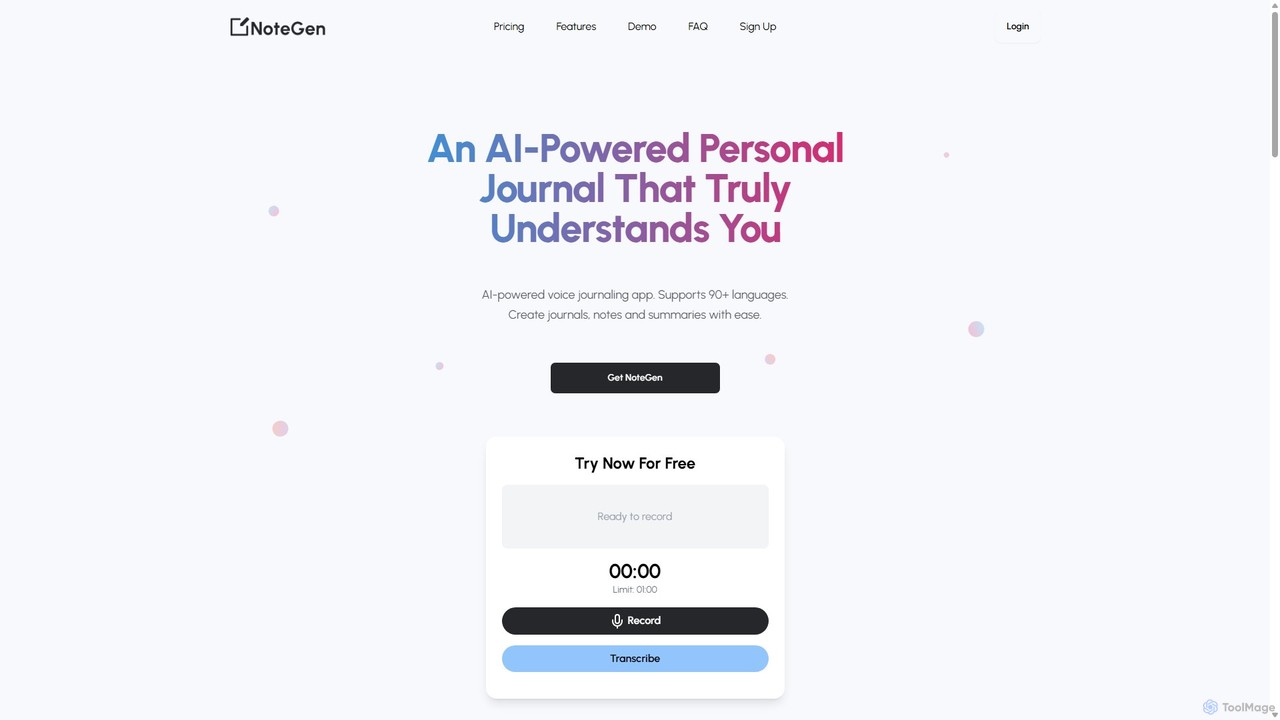
NoteGen is an AI-powered voice journaling and note-taking app that transforms your spoken thoughts into structured, sentiment-annotated text. Simply record your voice or upload an audio file, and NoteGen instantly transcribes it. From there, you can generate organized notes, journal entries, social media posts, summaries, and more. Supporting over 90 languages, it's designed to save you time, boost productivity, and help you capture and understand your ideas effortlessly.

Journaling
Visits 7.3KFavorites 148Likes 139
Sojot.ai
Freemium

Sojot.ai

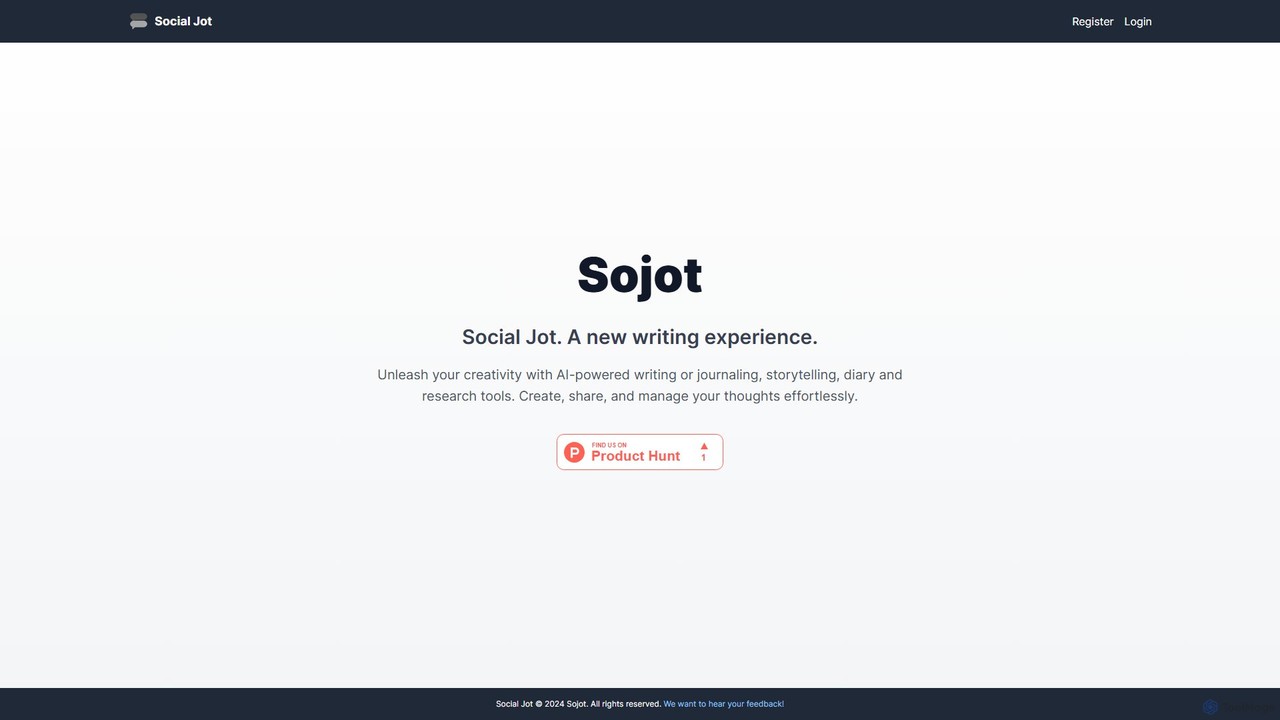
Sojot.ai is an AI-powered platform that redefines the writing experience. It integrates tools for journaling, storytelling, research, and diary-keeping, fostering creativity and productivity. Users can create, share, and manage their thoughts in a secure, collaborative environment, supported by an intelligent assistant and a community of writers.

Research
Visits 7.1KFavorites 153Likes 136
Hadana
Freemium

Hadana

Hadana is an AI-powered wellness and productivity coach designed to help you achieve a balanced life. It integrates intelligent task management, personalized guided meditations, and reflective journaling to reduce stress, improve focus, and align your daily actions with your long-term goals.

Mindfulness
Visits 7.1KFavorites 131Likes 139
Leaves Legacy Project

Leaves Legacy Project

An AI-powered platform that helps you create, share, and preserve life stories as a multimedia anthology. Use the Virtual Biographer® to transform memories into engaging narratives with photos, videos, and music, ensuring your family's legacy is cherished for generations.

Family
Visits 8.1KFavorites 133Likes 144
almayalife
Freemium

almayalife

Almaya is an AI-powered platform for creating a lasting digital autobiography. Record your life stories, wisdom, and memories through video and audio prompts. Share this interactive legacy securely with loved ones, who can engage with your story through an AI chat, preserving your essence for generations to come.

Memory Care
Visits 9.6KFavorites 120Likes 118

About Journaling

AI Journaling tools are applications that leverage artificial intelligence to enhance the traditional practice of keeping a diary or journal. These tools often employ natural language processing (NLP) to understand user entries, offering personalized prompts, sentiment analysis, and pattern recognition. They serve as intelligent companions for self-reflection, stress reduction, and personal growth, helping users gain deeper insights into their thoughts and emotions. By automating organization and providing analytical feedback, AI journaling makes consistent self-reflection more accessible and impactful within the broader category of personal development tools.

Core Features

  • Personalized Prompts: Generates relevant questions or topics to guide writing based on past entries or user goals.
  • Sentiment Analysis: Analyzes the emotional tone of entries, providing insights into mood patterns over time.
  • Pattern Recognition: Identifies recurring themes, triggers, or habits in journal entries to highlight areas for focus.
  • Goal Tracking & Reminders: Helps users set and monitor personal goals, sending gentle nudges for consistent journaling.
  • Secure Storage & Organization: Provides a private, organized digital space for entries, often with search and tagging capabilities.

Applicable Scenarios

AI journaling tools are invaluable for individuals seeking structured self-improvement, mental well-being support, or enhanced creativity. They are widely adopted by those managing stress, exploring personal development, or simply wishing to document their life journey with deeper analytical insights. For example, a student might use it to reflect on academic challenges and set study goals, while a professional could track work-life balance and identify sources of stress.

How to Choose

When selecting an AI journaling tool, consider its core features like prompt customization, the depth of sentiment analysis, and data privacy policies. Evaluate the user interface for ease of use and whether it offers integrations with other personal wellness apps. Look for tools that align with your specific journaling goals, whether it's mood tracking, goal setting, or free-form reflection, and assess the subscription model for value.

Journaling use cases

1

Enhancing Daily Self-Reflection and Mindfulness

Individuals seeking to cultivate mindfulness and improve daily self-awareness can utilize AI journaling tools. By regularly inputting thoughts and experiences, the AI analyzes patterns and suggests prompts that encourage deeper introspection. This helps users identify emotional triggers, track mood fluctuations, and develop healthier coping mechanisms, fostering a more mindful approach to their daily lives and promoting mental well-being.

2

Tracking Personal Growth and Goal Achievement

For those committed to personal development, AI journaling serves as a powerful progress tracker. Users can document their goals, actions taken, and reflections on successes or setbacks. The AI can then highlight progress, identify areas needing more attention, and offer motivational prompts. This structured approach helps maintain accountability and provides a clear historical record of one's journey towards achieving personal and professional aspirations.

3

Managing Stress and Emotional Well-being

People experiencing stress or emotional challenges can benefit from AI journaling as a therapeutic outlet. Writing about feelings allows for emotional release, and the AI's sentiment analysis can help users visualize their emotional landscape over time. This objective feedback can aid in recognizing stress patterns, understanding their root causes, and developing strategies for emotional regulation, contributing to improved mental health and resilience.

4

Boosting Creativity and Idea Generation

Content creators, writers, or innovators can leverage AI journaling to overcome creative blocks and generate new ideas. By journaling freely or responding to AI-generated prompts, users can explore diverse perspectives and connect seemingly unrelated thoughts. The AI can help organize these ideas, identify emerging themes, and even suggest further avenues for exploration, acting as a collaborative brainstorming partner for creative endeavors.

5

Documenting Life Events and Memories

For individuals who wish to meticulously record their life journey, AI journaling offers an advanced memory-keeping solution. Beyond simple text, some tools allow for multimedia integration and intelligent tagging. The AI can help categorize entries by theme, date, or sentiment, making it easier to revisit specific periods or reflect on significant life events. This creates a rich, searchable archive of personal history and cherished memories.

6

Facilitating Structured Morning and Evening Routines

Users aiming to establish consistent morning and evening routines for productivity and reflection can integrate AI journaling. Morning prompts can focus on setting intentions and planning the day, while evening prompts encourage reviewing achievements, challenges, and gratitude. The AI provides gentle reminders and tracks consistency, helping users build habits that promote focus, reduce anxiety, and ensure a reflective close to each day.

Journaling FAQ

What are AI Journaling tools?

AI Journaling tools are digital applications that use artificial intelligence, primarily natural language processing (NLP), to assist users in their journaling practice. Unlike traditional digital diaries, these tools can analyze the content of entries, provide personalized writing prompts, track mood patterns through sentiment analysis, and identify recurring themes or insights. Their core purpose is to make self-reflection more structured, insightful, and accessible, fostering personal growth and mental well-being.

How do AI Journaling tools differ from traditional journaling?

AI Journaling tools offer an interactive and analytical dimension that traditional journaling lacks. While both involve writing, AI tools go beyond simple documentation by providing features like sentiment analysis, which objectively assesses the emotional tone of entries, and personalized prompts that guide deeper introspection based on past writings. They can also identify patterns, track goals, and offer summaries, transforming passive reflection into an active, data-driven process for self-discovery and improvement. Traditional journaling relies solely on manual review and personal interpretation.

What are the main benefits of using an AI Journaling tool?

The main benefits of using an AI Journaling tool include enhanced self-awareness through analytical feedback, improved emotional regulation by tracking mood patterns, and consistent personal growth facilitated by guided prompts and goal tracking. These tools can help users identify triggers, understand their emotional landscape, and develop healthier habits. Additionally, they offer secure, organized digital storage for entries, making it easy to revisit and reflect on past thoughts and experiences, ultimately leading to a more structured and impactful self-reflection journey.

How can I choose the best AI Journaling tool for my needs?

To choose the best AI Journaling tool, first consider your primary goal: is it mood tracking, goal setting, creative writing, or general self-reflection? Look for tools that offer strong features aligned with that goal, such as advanced sentiment analysis, customizable prompts, or robust tagging and search functions. Evaluate the user interface for intuitiveness and ease of use, as consistent engagement is key. Also, prioritize tools with strong data privacy and security measures, ensuring your personal reflections remain confidential. Finally, assess the pricing model and any integration capabilities with other wellness apps.

Is my data private and secure with AI Journaling tools?

Data privacy and security are critical considerations for AI Journaling tools, as entries often contain highly personal information. Reputable AI journaling platforms employ robust encryption for data storage and transmission, ensuring that your entries are protected from unauthorized access. Many also offer features like local data storage options or clear privacy policies outlining how your data is used and who has access to it. It's essential to review the privacy policy of any tool you consider to understand their data handling practices and ensure they align with your comfort level regarding personal information security.