
ToolMage
Sign in

Best 1 Face Analysis AI tools for Photo & Image

Popular Face Analysis AI tools in Photo & Image include LooksMax AI, helping you work more efficiently.

LooksMax AI
Freemium

LooksMax AI

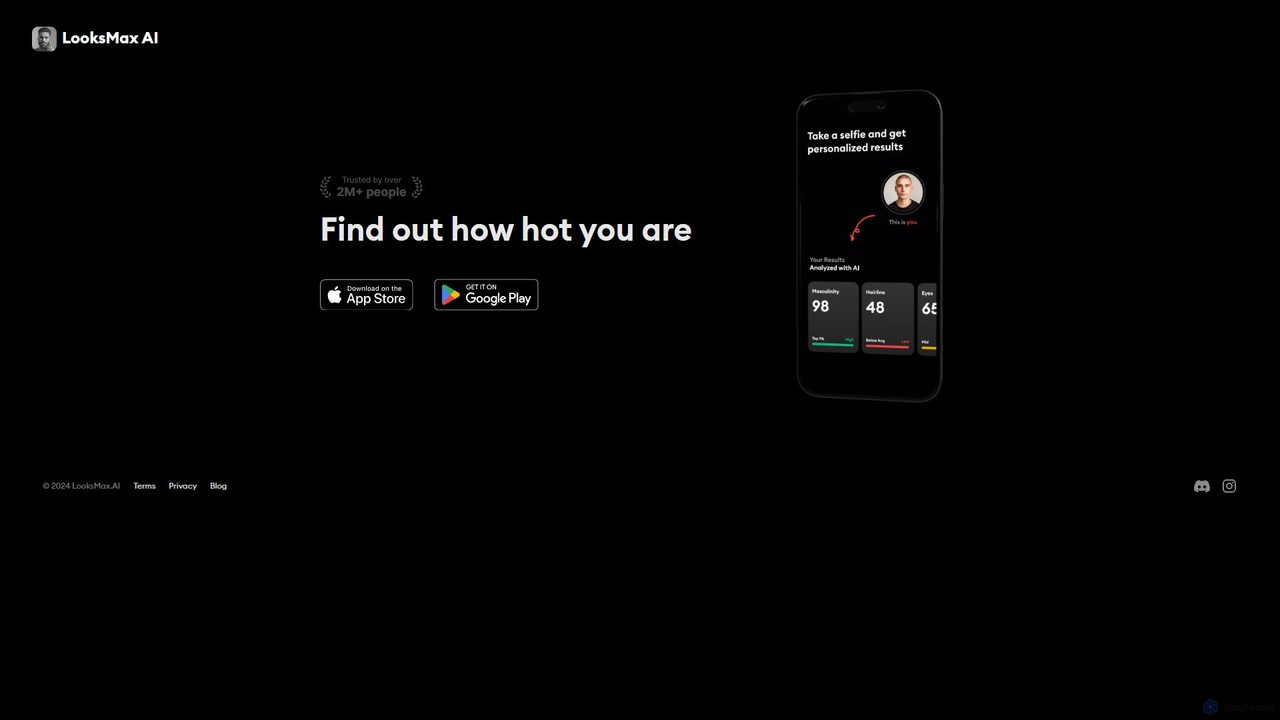
LooksMax AI is an AI-powered tool that analyzes your facial features to provide an attractiveness rating. Simply upload a photo to receive a detailed score and personalized, actionable advice on how to enhance your appearance, from hairstyles to jawline improvement.

Wellness
Visits 28.3KFavorites 131Likes 113

About Face Analysis

Face Analysis tools are AI-powered solutions that process human facial images or video streams to extract detailed information. These tools leverage advanced computer vision and deep learning algorithms to identify, analyze, and interpret various facial attributes and expressions. They provide valuable insights for applications ranging from security and marketing to user experience enhancement and content creation.

Core Features

  • Facial Recognition: Identifies individuals for authentication, access control, or identity verification.
  • Emotion Detection: Analyzes facial expressions to infer emotional states like happiness, sadness, or surprise.
  • Age & Gender Estimation: Predicts demographic information from facial features for audience analysis.
  • Facial Landmark Detection: Locates key points on the face for pose estimation, augmented reality, and animation.
  • Attribute Analysis: Detects specific features such as glasses, beard, or open/closed eyes.

Applicable Scenarios

Face Analysis tools are crucial in various sectors. In security, they enable biometric authentication for secure access. Marketers use them to understand customer demographics and reactions to advertisements. Developers integrate them into AR applications for interactive filters and virtual try-ons, enhancing user engagement and personalization.

How to Choose

When selecting a Face Analysis tool, prioritize accuracy in diverse conditions (lighting, angles) and real-time processing capabilities. Evaluate its compliance with privacy regulations (e.g., GDPR, CCPA) and ethical guidelines. Consider API integration ease, supported input formats, and the range of attributes it can analyze to match your specific application needs.

Face Analysis use cases

1

Enhancing Security with Biometric Access Control

Security managers in corporate offices or data centers utilize Face Analysis tools for robust biometric authentication. By integrating these tools with existing access systems, individuals can gain entry simply by presenting their face, eliminating the need for cards or keys. This significantly reduces unauthorized access risks and streamlines entry processes, enhancing overall facility security.

2

Personalizing Retail Experiences and Marketing

Retail businesses and marketing agencies deploy Face Analysis AI in physical stores or online platforms to understand customer demographics and emotional responses. For instance, analyzing expressions while viewing products or ads helps tailor personalized recommendations and optimize store layouts or campaign strategies. This leads to more engaging customer interactions and improved conversion rates.

3

Creating Dynamic AR Filters and Virtual Try-Ons

Content creators and developers in the entertainment and fashion industries use Face Analysis tools to build highly interactive augmented reality (AR) experiences. By accurately mapping facial landmarks, these tools enable realistic virtual try-ons for glasses or makeup, and dynamic AR filters that adapt to facial movements. This boosts user engagement and provides immersive digital experiences.

4

Monitoring Driver Fatigue for Road Safety

Automotive manufacturers and fleet management companies integrate Face Analysis technology into vehicle safety systems. These tools continuously monitor a driver's facial expressions and eye movements to detect signs of drowsiness or distraction. Upon detection, the system can issue alerts, helping to prevent accidents and significantly enhancing road safety for both commercial and private drivers.

5

Analyzing Audience Engagement in Virtual Events

Event organizers and online educators leverage Face Analysis AI to gauge participant engagement during virtual conferences, webinars, or online classes. By analyzing aggregated, anonymized facial expressions, they can identify moments of high interest or confusion. This feedback helps refine content delivery, improve presentation styles, and ensure more effective knowledge transfer.

6

Supporting Mental Wellness Apps with Emotion Tracking

Developers of mental wellness and self-care applications use Face Analysis to offer users insights into their emotional patterns. While not a diagnostic tool, it can help users track changes in their expressions over time, prompting self-reflection or suggesting mindfulness exercises. This provides a non-invasive way for individuals to become more aware of their emotional states and manage stress.

Face Analysis FAQ

What are Face Analysis tools?

Face Analysis tools are AI-powered software or systems designed to detect, track, and analyze human faces in images or video. They leverage computer vision and machine learning to extract various attributes like identity, emotions, age, gender, and specific facial features. Their core purpose is to provide actionable insights from visual facial data for diverse applications.

How do Face Analysis tools differ from general image recognition?

While both fall under the umbrella of computer vision, Face Analysis specifically focuses on human faces, whereas general image recognition can identify any object, scene, or pattern. Face Analysis employs specialized algorithms for facial biometrics, landmark detection, and expression analysis, offering a much deeper and more nuanced understanding of facial data than broader image recognition systems.

What are the main capabilities of Face Analysis AI?

The main capabilities include: Facial Recognition for identity verification; Emotion Detection to interpret feelings from expressions; Age and Gender Estimation for demographic insights; Facial Landmark Detection for precise mapping of facial features; and Attribute Analysis to identify specific characteristics like glasses or beard. Some tools also offer liveness detection to prevent spoofing.

How can I choose the right Face Analysis tool for my project?

To choose the right tool, consider its accuracy and robustness across varying conditions (lighting, angles, occlusions). Evaluate its privacy and ethical compliance, ensuring it meets legal standards like GDPR. Check for API availability and ease of integration with your existing systems. Finally, assess the range of features and attributes it can analyze to ensure it aligns with your specific application requirements.

What are the privacy and ethical considerations for Face Analysis AI?

Privacy and ethical considerations are paramount. Key concerns include data security, consent for data collection, potential for misuse (e.g., surveillance), and algorithmic bias (e.g., inaccuracies across different demographics). Responsible use requires transparent policies, robust data protection, anonymization where possible, and adherence to strict ethical guidelines and legal frameworks like CCPA or GDPR.