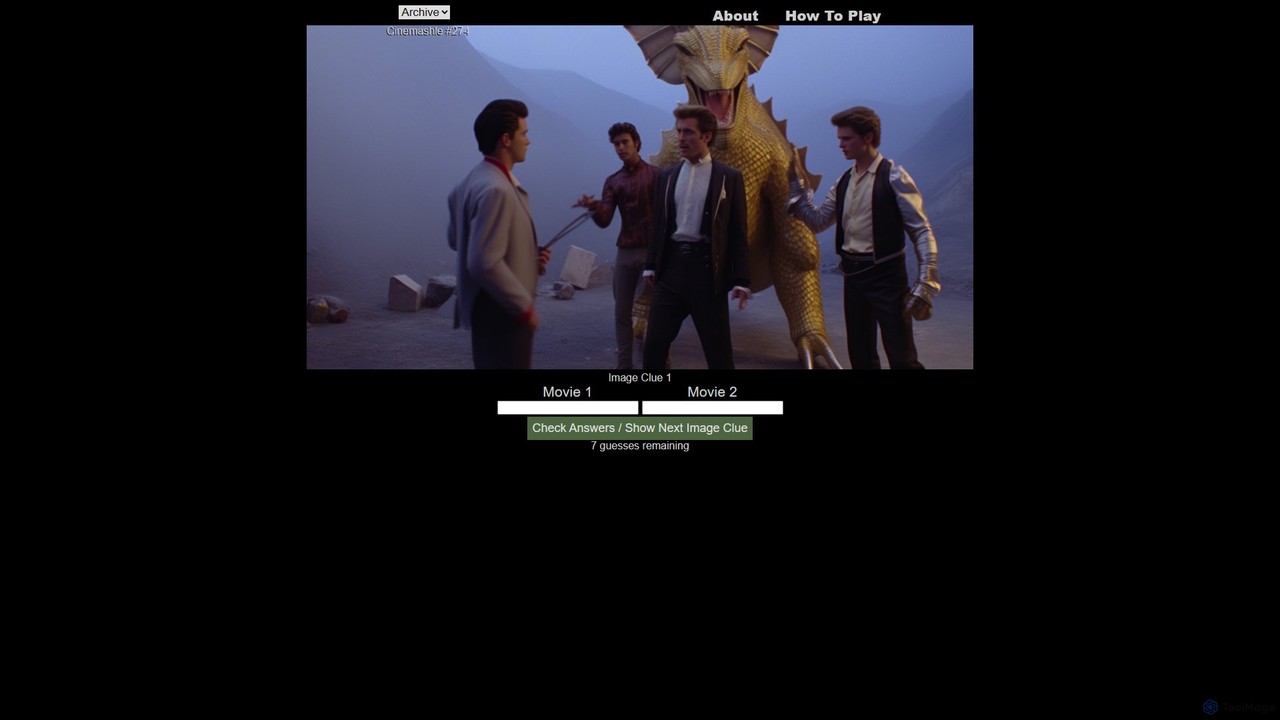
Image Generation tools are AI-powered applications that create new visual content from various inputs, such as text descriptions, sketches, or existing images. These tools leverage advanced deep learning models, like diffusion models, to synthesize unique and diverse imagery. They empower users to rapidly prototype designs, generate marketing visuals, and produce creative artwork without traditional artistic skills. This technology significantly accelerates creative workflows across numerous industries.
Core Features
- Text-to-Image Generation: Create detailed images from simple or complex textual prompts.
- Image-to-Image Transformation: Modify existing images or apply new styles based on a reference image and a text prompt.
- Style Transfer: Apply the artistic style of one image to the content of another.
- Inpainting & Outpainting: Seamlessly fill in missing parts of an image or extend its boundaries with AI-generated content.
- ControlNet & Advanced Controls: Guide the generation process with structural inputs like poses, depth maps, or edge detection for precise output.
Use Cases
Image Generation tools are widely adopted in creative fields, marketing, and product design. They enable graphic designers to quickly generate multiple design variations, marketers to produce diverse ad creatives for campaigns, and artists to explore new concepts and styles efficiently. Developers also use them to create assets for games and virtual environments.
How to Choose
When selecting an AI image generation tool, consider the quality and style of its output (e.g., photorealistic, artistic, anime), the level of control offered (e.g., prompt engineering, ControlNet support), and its integration capabilities with existing workflows. Evaluate the pricing model, licensing terms for commercial use, and the community support for prompt sharing and tutorials.