ToolMage
Sign in

Best 1 Anonymous Tools for Privacy

Popular Anonymous Tools in Privacy include AnonChatGPT, helping you work more efficiently.

AnonChatGPT
Free

AnonChatGPT

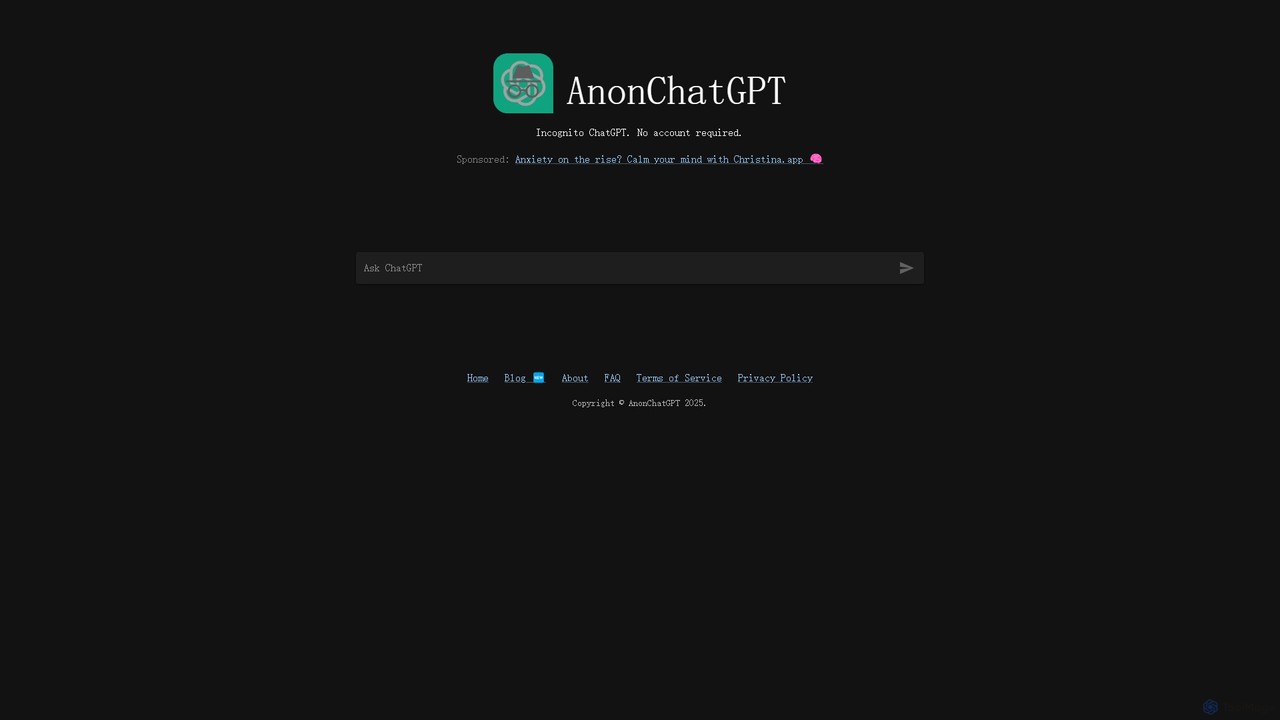
AnonChatGPT offers a private and anonymous way to interact with a powerful AI chatbot. No account or login is required, ensuring your conversations are secure and untracked. Instantly access capabilities for writing, coding, brainstorming, and more, all for free.

Anonymous Tools
Visits 26.4KFavorites 133Likes 117

About Anonymous Tools

Anonymous Tools are AI-powered solutions designed to mask a user's digital identity and activities, significantly enhancing online privacy and security. These tools leverage advanced encryption, routing, and obfuscation techniques to prevent tracking, data collection, and identification across the internet. They enable users to browse, communicate, and interact online without revealing their true IP address, location, or personal data, offering a crucial layer of protection in an increasingly monitored digital landscape.

Core Features

  • IP Masking & Location Spoofing: Conceals the user's real IP address and provides a virtual location, making it difficult to trace online activities.
  • Data Encryption: Encrypts internet traffic, protecting sensitive information from interception by third parties, including ISPs and malicious actors.
  • Anti-Tracking & Fingerprinting: Actively blocks trackers and prevents websites from collecting unique browser or device identifiers.
  • Secure Communication Channels: Offers encrypted messaging and voice/video calls, ensuring private conversations remain confidential.

Use Cases

Anonymous Tools are vital for individuals and organizations seeking to protect their digital footprint. They are commonly used by journalists for secure source communication, activists in restrictive environments to bypass censorship, and privacy-conscious individuals to prevent targeted advertising and data exploitation. These tools ensure freedom of expression and access to information without compromising personal identity.

How to Choose

When selecting an Anonymous Tool, consider its level of encryption, the network infrastructure (e.g., VPN, Tor, proxy), its no-logs policy, and the jurisdiction of the provider. Evaluate the tool's performance impact on internet speed, ease of use, and compatibility across different devices and operating systems. Prioritize tools with a strong reputation for security and transparency.

Featured tool rankings

Anonymous Tools use cases

1

Secure Investigative Journalism

Investigative journalists utilize anonymous tools to protect their sources and personal identity while researching sensitive topics online. By routing their internet traffic through encrypted networks and masking their IP address, they can access restricted information, communicate with whistleblowers, and publish reports without fear of surveillance or retaliation, ensuring journalistic integrity and safety.

2

Bypassing Geo-Restrictions for Content Access

Users in regions with content censorship or geo-blocked services employ anonymous tools to access a global internet. These tools allow them to virtually relocate their IP address to a different country, unlocking access to international news, streaming platforms, and online services that would otherwise be unavailable, promoting information freedom and entertainment diversity.

3

Protecting Personal Data from Online Tracking

Privacy-conscious individuals use anonymous tools to prevent advertisers, data brokers, and websites from collecting their personal browsing data. By blocking trackers and obfuscating digital fingerprints, these tools ensure that online activities remain private, reducing the risk of targeted advertising, data profiling, and potential misuse of personal information.

4

Facilitating Whistleblowing and Secure Information Sharing

Whistleblowers and individuals with sensitive information use anonymous tools to securely and confidentially disclose critical data to the public or relevant authorities. The encryption and identity-masking features ensure that their identity remains protected, encouraging transparency and accountability without exposing them to personal risk.

5

Anonymous Security Research and Penetration Testing

Cybersecurity professionals and ethical hackers employ anonymous tools to conduct security research, vulnerability assessments, and penetration testing without revealing their operational identity or location. This allows them to simulate real-world attack scenarios and identify system weaknesses discreetly, enhancing overall digital security for organizations.

6

Maintaining Digital Freedom in Restrictive Environments

Citizens living under authoritarian regimes or in countries with strict internet censorship rely on anonymous tools to bypass government firewalls and access uncensored information. These tools provide a lifeline to the open internet, enabling them to communicate freely, access independent news, and participate in online discourse without government surveillance.

Anonymous Tools FAQ

What are Anonymous Tools?

Anonymous Tools are software or services designed to conceal a user's identity and online activities, primarily by masking their IP address, encrypting data, and preventing tracking. They aim to enhance digital privacy and security, allowing users to browse, communicate, and interact online without revealing personal information. These tools are crucial for maintaining confidentiality and freedom in the digital realm.

How do Anonymous Tools differ from general privacy tools?

While general privacy tools like ad blockers or cookie managers focus on limiting data collection, Anonymous Tools go further by actively obscuring your identity and location. They typically involve network-level obfuscation (e.g., VPNs, Tor, proxies) to reroute traffic and encrypt data, making it nearly impossible to trace activities back to you. General privacy tools often operate at the browser level, offering a more superficial layer of protection.

What are the main features of Anonymous Tools?

Key features of Anonymous Tools include IP address masking, which hides your real location; robust data encryption, securing your internet traffic from eavesdropping; anti-tracking mechanisms, preventing websites from profiling your behavior; and secure communication channels, ensuring private messages remain confidential. Some tools also offer browser fingerprinting protection and DNS leak prevention for comprehensive anonymity.

How to choose the right Anonymous Tool for my needs?

When selecting an Anonymous Tool, consider the level of anonymity required (e.g., basic privacy vs. extreme obfuscation), the tool's impact on internet speed, and its ease of use. Look for providers with a strict no-logs policy, strong encryption standards, and a transparent privacy policy. Evaluate compatibility with your devices and operating systems, and check for independent security audits to ensure trustworthiness.

Are there any risks or limitations when using Anonymous Tools?

Yes, while Anonymous Tools enhance privacy, they are not foolproof. Potential risks include reduced internet speed due to encryption and routing; the possibility of legal issues if used for illicit activities (as anonymity doesn't equate to immunity); and the risk of data leaks if the tool is misconfigured or compromised. Users should also be aware that some free tools might collect data or have weaker security, making paid, reputable services generally safer.