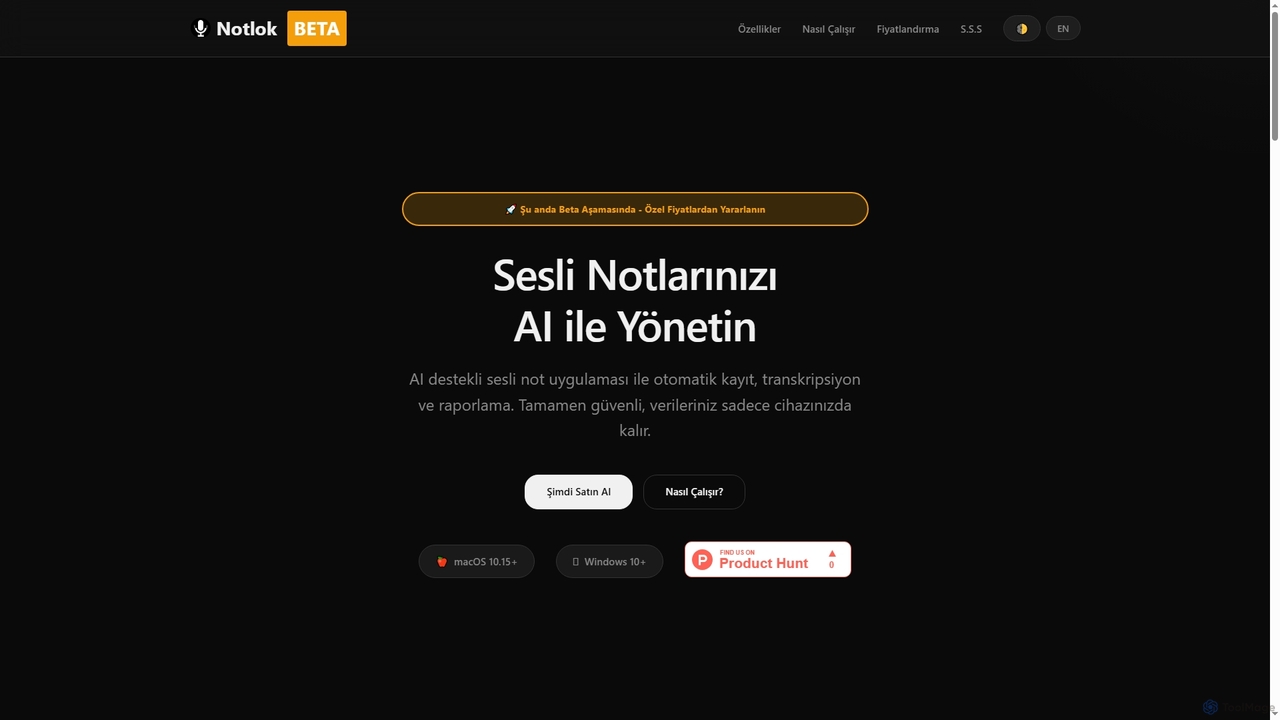
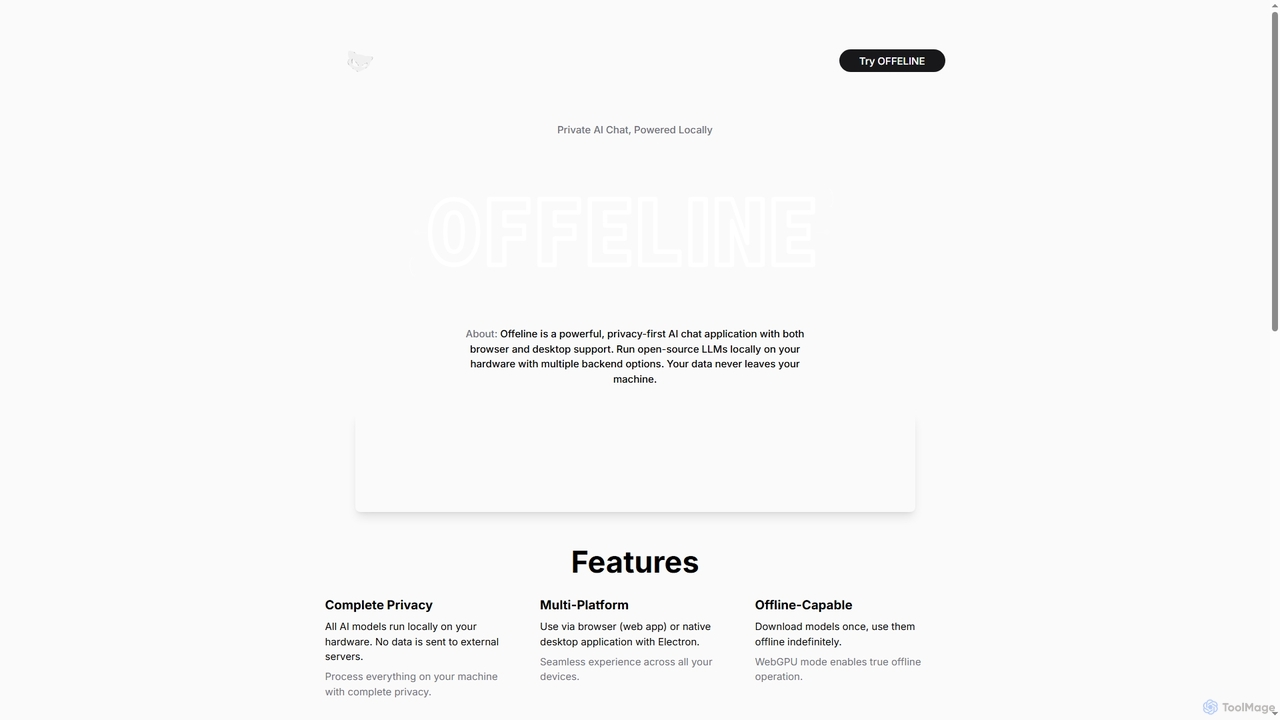
Data Security AI tools are designed to protect digital information from unauthorized access, corruption, or theft. These tools leverage artificial intelligence and machine learning to proactively identify, prevent, and respond to security threats. They ensure the confidentiality, integrity, and availability of sensitive data, forming a crucial layer within broader privacy frameworks. By automating complex security tasks, they enhance an organization's defense posture against evolving cyber risks.
Core Features
- Threat Detection & Prevention: AI algorithms analyze network traffic and system logs to identify anomalous behavior, malware, and potential intrusion attempts in real-time.
- Vulnerability Management: Automatically scans systems and applications for security weaknesses, prioritizing patches and configurations to minimize attack surfaces.
- Access Control & Authentication: Uses AI to monitor user behavior, enforce granular access policies, and detect suspicious login patterns, enhancing identity verification.
- Data Encryption & Masking: Automates the encryption of sensitive data at rest and in transit, and applies data masking techniques to protect personally identifiable information (PII).
- Compliance & Governance: Assists in adhering to regulatory requirements (e.g., GDPR, HIPAA) by monitoring data handling practices and generating audit trails.
Use Cases
Data Security AI tools are vital for organizations handling sensitive information, from financial institutions protecting customer data to healthcare providers securing patient records. They are also used by e-commerce platforms to safeguard transaction details and by government agencies to protect classified information. These tools help maintain trust, prevent data breaches, and ensure regulatory compliance across various sectors.
How to Choose
When selecting Data Security AI tools, consider the scope of data protection needed (e.g., cloud, on-premise, hybrid), the types of threats it addresses (e.g., ransomware, insider threats), and its integration capabilities with existing security infrastructure. Evaluate the tool's ability to provide real-time alerts, automate responses, and offer comprehensive reporting for compliance audits. Scalability and ease of management are also crucial for long-term effectiveness.