Privacy Best in category 2 results Identity Management AI Tool

Popular AI tools in the Identity Management field of Privacy include PicKey、SkillBridge, etc., helping you quickly improve efficiency.

SkillBridge

SkillBridge

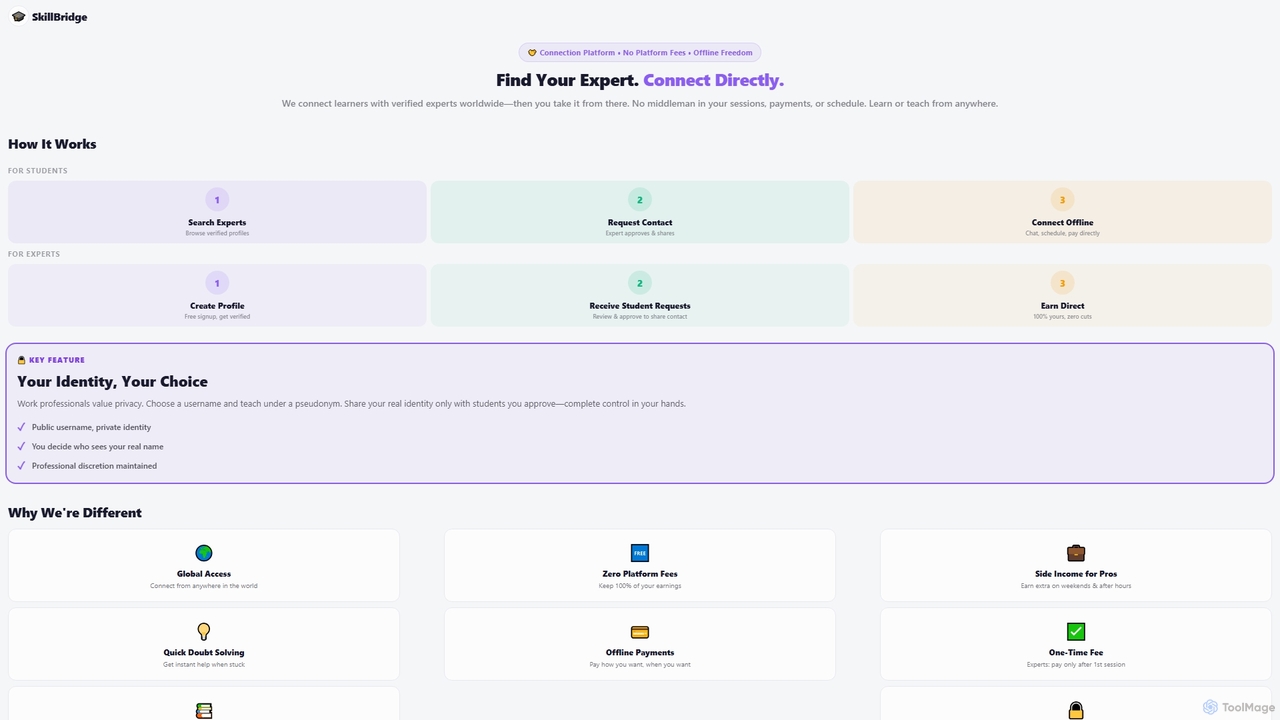
SkillBridge is a direct connection platform linking learners with verified experts globally for personalized, fee-free offline sessions. It …

3.0K
PicKey

PicKey

PicKey is a revolutionary AI-powered visual password manager that eliminates the need for traditional master passwords. It allows …

4.4K

About Identity Management

Identity Management tools are AI-powered solutions designed to securely manage and verify digital identities and access privileges across various systems. Leveraging advanced authentication and authorization mechanisms, they ensure that only authorized users can access specific resources. These tools are vital for enhancing data security, streamlining user access, and maintaining compliance within an organization's broader privacy framework.

Core Features

  • User Provisioning: Automates the creation, modification, and deletion of user accounts and access rights across multiple applications.
  • Single Sign-On (SSO): Allows users to access multiple applications with a single set of credentials, improving user experience and security.
  • Multi-Factor Authentication (MFA): Requires users to provide two or more verification factors to gain access, significantly boosting security.
  • Access Governance: Defines, enforces, and audits access policies to ensure compliance and prevent unauthorized access.
  • Identity Analytics: Uses AI to detect anomalous login patterns or access requests, identifying potential security threats.

Use Cases

Organizations utilize Identity Management tools to centralize user directories, manage employee access to internal systems, and control customer access to online services. They are essential for onboarding new employees, managing contractor access, and ensuring regulatory compliance like GDPR or HIPAA by strictly controlling who can view sensitive data.

How to Choose

When selecting an Identity Management solution, consider its integration capabilities with existing systems, the robustness of its authentication methods (e.g., MFA options), scalability to accommodate future growth, and compliance features for relevant regulations. Evaluate user experience for both administrators and end-users, and assess the vendor's security track record.

Identity ManagementUse Cases

1

Secure Employee Onboarding and Offboarding

HR and IT teams use Identity Management tools to automate the provisioning of access rights for new employees to all necessary applications and systems upon joining. Conversely, during offboarding, these tools instantly revoke all access, minimizing security risks and ensuring data privacy. This streamlines administrative tasks and maintains a secure access posture.

2

Centralized Customer Identity and Access Management (CIAM)

E-commerce platforms and online service providers deploy CIAM solutions to manage millions of customer identities. These tools provide secure registration, login, and profile management, often incorporating SSO and MFA, enhancing customer experience while protecting personal data and ensuring compliance with privacy regulations.

3

Enforcing Regulatory Compliance (e.g., GDPR, HIPAA)

Healthcare organizations and financial institutions leverage Identity Management to enforce strict access controls on sensitive patient or financial data. By defining granular access policies and providing audit trails, these tools help demonstrate compliance with regulations like HIPAA or GDPR, preventing unauthorized data access and potential legal penalties.

4

Implementing Zero Trust Security Architectures

Enterprises adopt Identity Management as a cornerstone of Zero Trust, verifying every user and device before granting access to any resource, regardless of their location. This involves continuous authentication and authorization, ensuring that even internal users must prove their identity and authorization for each access request, significantly reducing insider threat risks.

5

Managing Access for Third-Party Vendors and Contractors

Companies frequently collaborate with external vendors and contractors who require temporary access to specific internal systems. Identity Management tools allow IT administrators to provision time-limited, role-based access, ensuring that external parties only access what's necessary for their tasks and that their access is automatically revoked upon contract completion.

6

Detecting and Responding to Identity-Based Threats

Security teams utilize AI-powered Identity Management features, such as identity analytics and behavioral biometrics, to monitor user activity for unusual patterns. If an anomaly (e.g., login from an unusual location, excessive failed login attempts) is detected, the system can automatically trigger MFA challenges, block access, or alert security personnel, preventing account takeover attempts.

Identity ManagementFrequently Asked Questions