ToolMage
Sign in

Best 1 Data Protection AI tools for Privacy

Popular Data Protection AI tools in Privacy include Aimodified, helping you work more efficiently.

Aimodified
Free

Aimodified

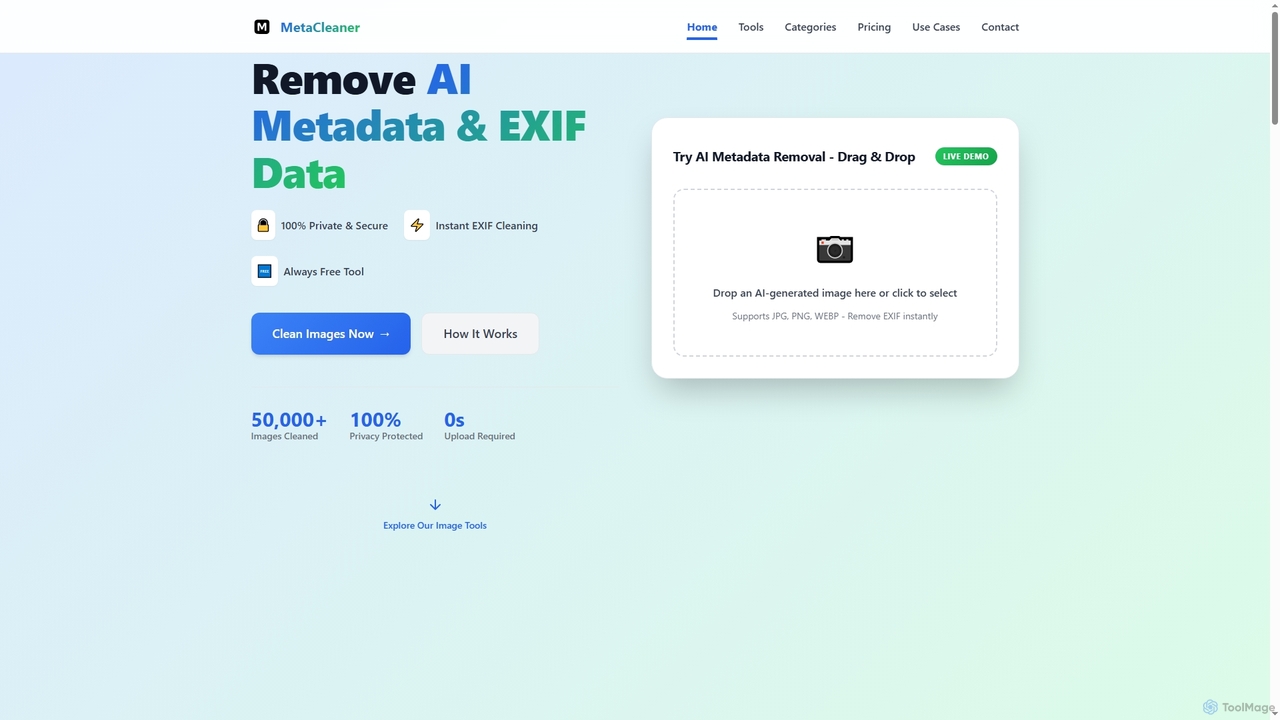
Aimodified is a free, browser-based tool designed to remove AI-generated metadata and EXIF data from images. It ensures privacy and helps content creators bypass AI detection on social media platforms like Pinterest, offering instant cleaning for single or batch image processing.

Post Processing
Visits 5KFavorites 111Likes 111

About Data Protection

Data Protection AI tools are specialized solutions designed to safeguard sensitive information and ensure compliance with privacy regulations. These tools leverage artificial intelligence, machine learning, and advanced algorithms to identify, classify, monitor, and protect data across various environments. They help organizations mitigate risks associated with data breaches, unauthorized access, and non-compliance, thereby strengthening overall data privacy posture. By automating complex data governance tasks, they enable proactive threat detection and efficient response mechanisms.

Core Features

  • Data Discovery & Classification: Automatically locate and categorize sensitive data (e.g., PII, financial, health records) across systems.
  • Access Monitoring & Anomaly Detection: Track data access patterns and flag unusual activities that may indicate a security threat.
  • Data Masking & Anonymization: Obscure or de-identify sensitive data for testing, analytics, or sharing while preserving its utility.
  • Compliance Automation: Assist in adhering to regulations like GDPR, CCPA, HIPAA by automating policy enforcement and reporting.
  • Threat Intelligence Integration: Utilize AI to analyze emerging threats and vulnerabilities, enhancing predictive data protection.

Applicable Scenarios

These tools are vital for sectors handling large volumes of personal data, such as finance, healthcare, and e-commerce. They are used for tasks like ensuring GDPR compliance, preventing insider threats, and securely sharing data for analytics and development purposes.

How to Choose

Key selection criteria include the scope of data coverage (cloud, on-premise), regulatory compliance support, integration capabilities with existing security infrastructure, and robust automation and reporting features for audits and incident response.

Featured tool rankings

Data Protection use cases

1

Automating GDPR and CCPA Compliance

For legal and compliance officers, AI data protection tools automatically scan and classify personal data across an organization's systems. They identify data subject to regulations, monitor access, and generate audit-ready reports, significantly reducing manual effort and the risk of non-compliance fines. This ensures sensitive data handling adheres to legal frameworks like GDPR and CCPA, streamlining the entire compliance process.

2

Detecting and Preventing Insider Data Leaks

Security teams utilize AI data protection to monitor employee data access and usage patterns. The AI establishes a baseline of normal behavior and flags anomalous activities, such as unusual data downloads, access to restricted files, or attempts to transfer sensitive information outside approved channels. This proactive detection helps prevent malicious or accidental data breaches caused by insider threats, safeguarding critical business assets.

3

Securely Anonymizing Data for Analytics

Data scientists and developers often need access to real-world data for training models or testing applications. AI data protection tools can automatically mask, tokenize, or anonymize sensitive fields within datasets, creating privacy-preserving versions. This allows for valuable data analysis and product development without exposing personally identifiable information (PII) or violating privacy policies, fostering innovation while maintaining compliance.

4

Securing Cloud Data and Workloads

Cloud architects and IT administrators deploy AI data protection solutions to extend security policies to cloud environments. These tools discover sensitive data stored in cloud databases, object storage, and SaaS applications. They enforce access controls, detect misconfigurations, and monitor for unauthorized data movement, ensuring consistent data protection across hybrid and multi-cloud infrastructures, thereby reducing cloud security risks.

5

Expediting Data Breach Incident Response

In the event of a suspected data breach, incident response teams leverage AI data protection tools to quickly identify the scope and nature of the compromised data. The tools can pinpoint exactly which sensitive records were affected, assess the potential impact, and help automate containment and remediation efforts. This significantly reduces response times and minimizes damage, ensuring a more effective and compliant incident management process.

6

Implementing Data Minimization Policies

Privacy officers use AI tools to enforce data minimization principles by identifying and flagging data that is no longer needed or has exceeded its retention period. These tools can automate the secure deletion or archival of such data, reducing the overall attack surface and ensuring that organizations only retain necessary information, aligning with privacy-by-design principles and improving data governance efficiency.

Data Protection FAQ

What are AI Data Protection tools?

AI Data Protection tools are software solutions that use artificial intelligence and machine learning to automate and enhance the security and privacy of sensitive data. They go beyond traditional security measures by intelligently identifying, classifying, monitoring, and protecting data across various digital environments. Their primary goal is to prevent data breaches, ensure regulatory compliance, and manage data privacy risks more effectively, offering a proactive defense against evolving threats.

How do I choose the right AI Data Protection tool for my organization?

Selecting the right tool involves assessing several factors. First, consider the scope of data coverage – where is your sensitive data stored (cloud, on-premise, SaaS)? Second, evaluate its compliance capabilities for relevant regulations (GDPR, HIPAA, CCPA). Third, check for integration with existing systems (DLP, SIEM). Finally, look at its automation features for tasks like data discovery, classification, and incident response, along with robust reporting for audits.

What's the difference between AI Data Protection and general AI Privacy tools?

While closely related, AI Data Protection specifically focuses on the technical safeguards and mechanisms to prevent unauthorized access, use, disclosure, disruption, modification, or destruction of data. It's about securing the data itself. General AI Privacy tools, on the other hand, encompass a broader scope, including managing consent, data subject rights, privacy policy enforcement, and ethical AI use, which may or may not involve direct data security measures. Data Protection is a critical component within the larger AI Privacy ecosystem.

What core functionalities do AI Data Protection tools offer?

These tools typically offer several key functionalities. They include automated data discovery and classification to locate and categorize sensitive information; real-time monitoring and anomaly detection to identify suspicious data access patterns; data masking and anonymization for secure data use in non-production environments; compliance automation to streamline adherence to regulations; and incident response support to quickly address and mitigate data breaches, providing a comprehensive security posture.

What are the main benefits of using AI for data protection?

The main benefits include enhanced accuracy and speed in identifying sensitive data, proactive threat detection through behavioral analytics, and significant automation of compliance tasks. AI reduces manual effort, minimizes human error, and provides continuous monitoring capabilities that human teams alone cannot match. This leads to stronger security postures, reduced risk of breaches, and more efficient adherence to complex privacy regulations, ultimately building greater trust with customers and stakeholders.