
Project Management Best in category 1 results Status Tracking AI Tool

Popular AI tools in the Status Tracking field of Project Management include Attrove, etc., helping you quickly improve efficiency.

Attrove

Attrove

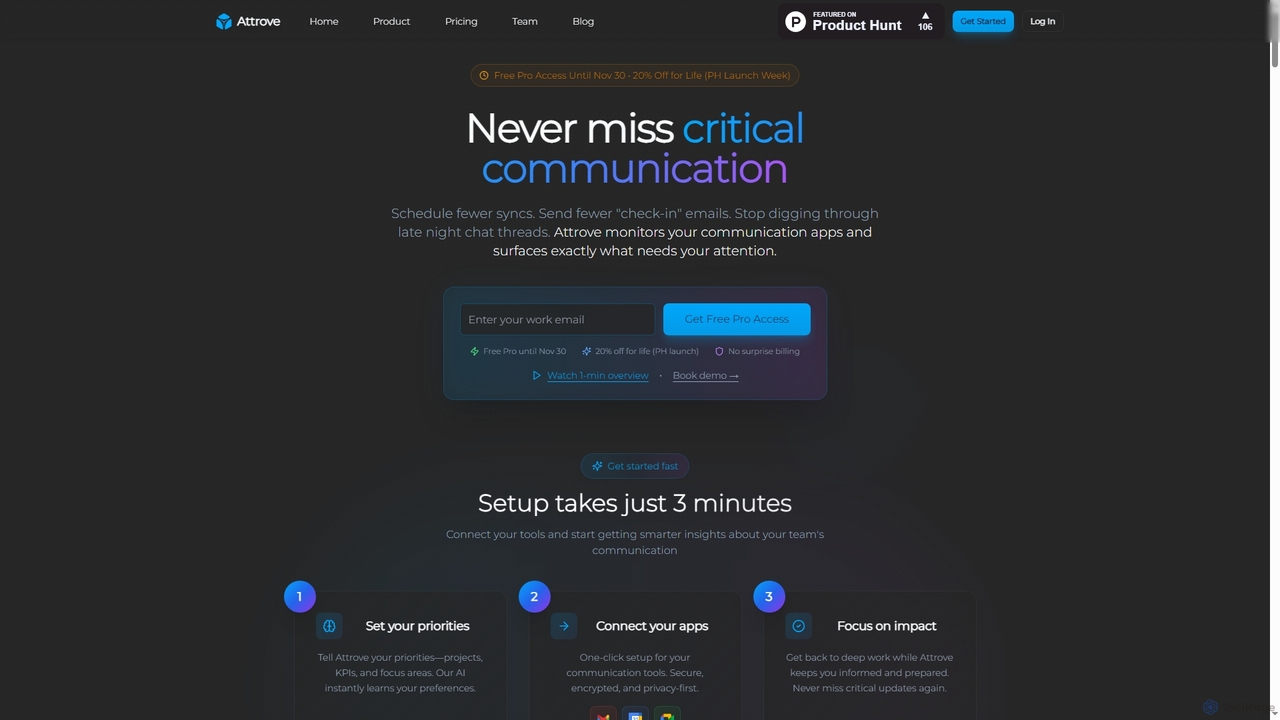
Attrove is an AI-powered communication intelligence platform designed to eliminate noise from work communication. It monitors apps like …

3.6K

About Status Tracking

AI Status Tracking tools are specialized platforms designed to automatically monitor and report on the real-time progress of tasks, projects, and workflows. They leverage AI to aggregate data from various sources like code repositories and task managers, creating a single source of truth. This provides teams and leaders with instant, accurate visibility into project health, enabling them to proactively identify bottlenecks and mitigate risks without manual check-ins. Unlike broader project management systems, these tools focus specifically on granular progress visualization and predictive analysis.

Core Features

  • Real-time Dashboards: Centralized, visual displays of key performance indicators (KPIs) and task progress.
  • Automated Data Aggregation: Automatically syncs status updates from integrated tools like Jira, Slack, Asana, and GitHub.
  • AI-Powered Bottleneck Detection: Intelligently identifies stalled tasks, dependency issues, and potential roadblocks.
  • Predictive Delay Alerts: Uses historical data and current velocity to forecast potential deadline misses.
  • Customizable Stakeholder Reporting: Generates automated, tailored status reports for clients, executives, and team members.

Use Cases

These tools are particularly valuable for software development teams tracking sprint progress, marketing agencies monitoring multi-channel campaign performance, and operations managers overseeing complex logistical workflows. They provide clarity in fast-paced environments where manual status updates are inefficient and often outdated.

How to Choose

When selecting a Status Tracking tool, prioritize its integration capabilities with your existing tech stack. Evaluate the level of customization available for dashboards and reports to ensure they meet stakeholder needs. Also, consider the sophistication of its AI-driven analytics for bottleneck detection and the scalability of the platform to support your team's growth.

Status TrackingUse Cases

1

Monitoring Agile Development Sprints

A software development team lead uses an AI Status Tracking tool to get a live overview of their two-week sprint. The tool automatically pulls data from Jira tickets, GitHub commits, and Slack conversations. It visualizes the sprint burndown chart in real-time and uses AI to flag a user story that has been "In Progress" for too long without any associated code commits. This allows the lead to intervene early, uncover a hidden technical challenge, and reallocate resources to keep the sprint on track, avoiding last-minute surprises during the sprint review.

2

Managing Multi-Channel Marketing Campaigns

A marketing manager oversees a product launch campaign running across email, social media, and paid advertising. Instead of manually compiling data from Google Analytics, Mailchimp, and Facebook Ads, a Status Tracking tool aggregates all key metrics into one dashboard. The system provides a unified view of campaign reach, engagement, and conversion rates. It sends an automated alert when the click-through rate on a specific ad set drops significantly, prompting the team to adjust the creative or targeting before the budget is wasted.

3

Automating Client Project Reporting

An account manager at a digital agency is responsible for keeping five clients updated on their project progress. The Status Tracking tool provides each client with a secure, read-only dashboard showing completed milestones, upcoming deadlines, and the current status of key deliverables. This eliminates the need for weekly manual status report creation, saving the manager hours of work. It also enhances client trust and transparency by providing them with 24/7 access to accurate, up-to-date project information.

4

Tracking High-Priority Customer Support Tickets

A customer support manager needs to ensure that critical bug reports from enterprise clients are resolved within the agreed Service Level Agreement (SLA). An AI Status Tracking tool monitors high-priority tickets from Zendesk and Jira. It tracks the time each ticket spends in different stages (e.g., "Triage," "In Development," "Testing"). The system sends an alert to the manager and the assigned engineer if a ticket is at risk of breaching its SLA, ensuring prompt action is taken to resolve critical customer issues.

5

Gaining Executive Oversight of a Project Portfolio

A Director at a Project Management Office (PMO) needs a high-level view of the health of all 50 active projects in the company. The Status Tracking tool rolls up data from various project teams into a portfolio-level dashboard. Each project is assigned an AI-generated health score based on its progress, budget adherence, and identified risks. This allows the director to quickly identify at-risk projects that require executive attention and make informed decisions about resource allocation across the entire portfolio.

6

Visualizing a Complex Manufacturing Workflow

A factory operations manager uses a Status Tracking tool to monitor custom manufacturing orders as they move through design, fabrication, assembly, and quality assurance. By integrating with the company's ERP and shop floor systems, the tool provides a real-time visual representation of the entire production pipeline. It automatically flags orders that are stuck at a specific stage, helping the manager identify and resolve production bottlenecks, optimize workflow efficiency, and provide customers with more accurate delivery estimates.

Status TrackingFrequently Asked Questions