ChangeMap
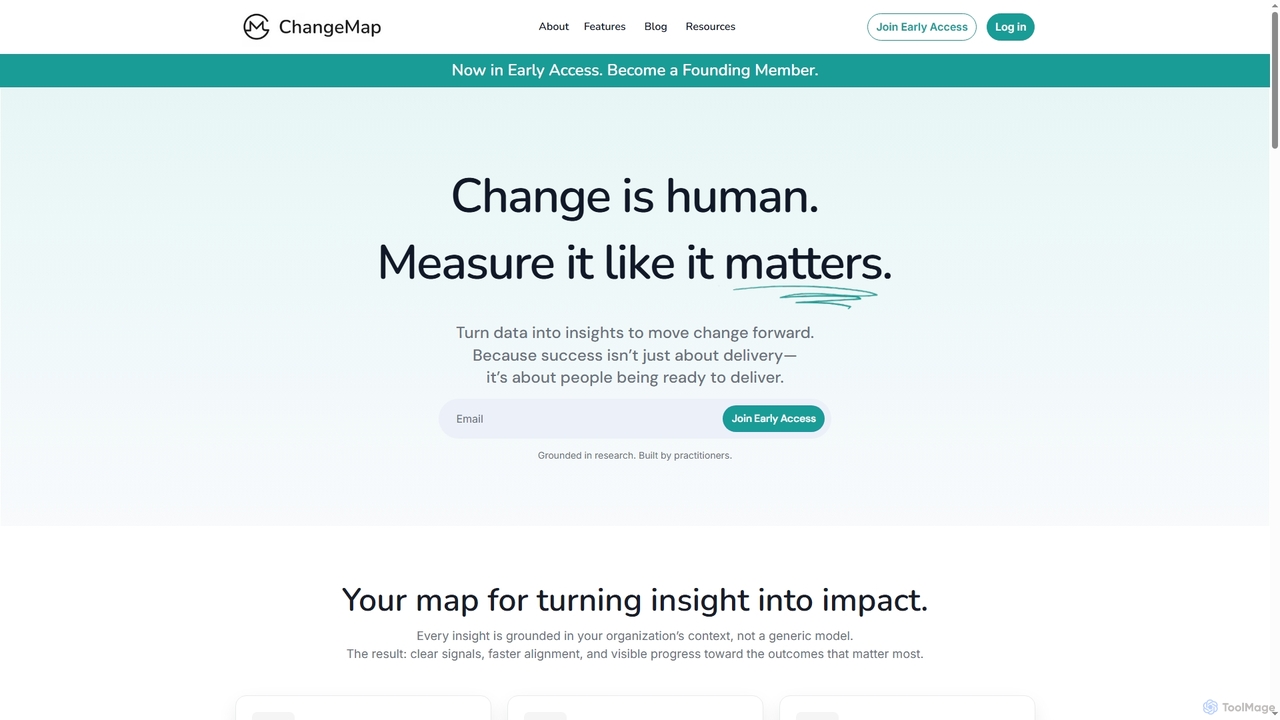
ChangeMap is an AI-powered platform designed for organizational change management, transforming human-centric data into actionable insights. It helps …
ChangeMap is an AI-powered platform designed for organizational change management, transforming human-centric data into actionable insights. It helps leaders measure readiness, track adoption, analyze sentiment, and build adaptive change plans to ensure successful transformations.
LaunchOwl
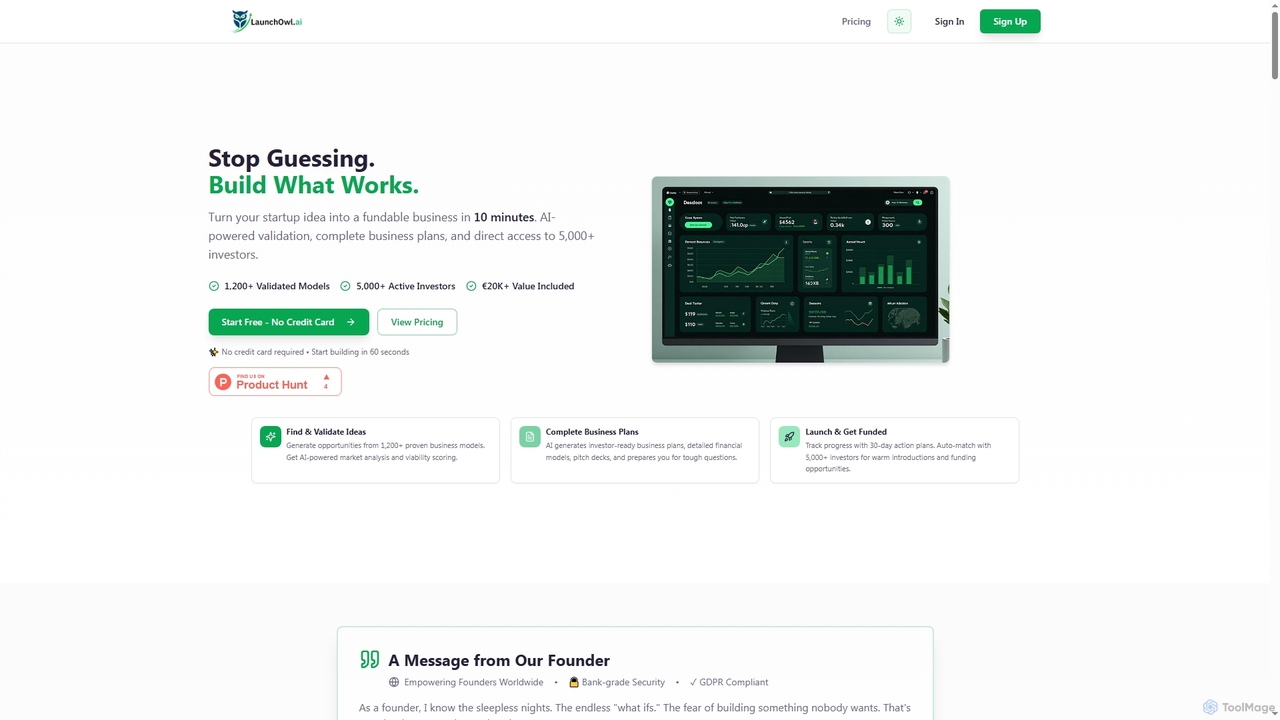
LaunchOwl is an AI-powered platform designed to help founders transform startup ideas into fundable businesses. It offers comprehensive …
LaunchOwl is an AI-powered platform designed to help founders transform startup ideas into fundable businesses. It offers comprehensive tools for idea validation, business planning, financial modeling, and direct access to over 5,000 investors, enabling entrepreneurs to build what works and secure funding efficiently.
About Strategy
Strategy AI tools are specialized platforms designed to assist organizations in formulating, evaluating, and optimizing their strategic plans. Leveraging advanced artificial intelligence, these tools analyze vast datasets, identify patterns, and generate predictive insights to support informed decision-making. They empower businesses to navigate complex market dynamics, anticipate future trends, and allocate resources effectively, thereby enhancing their long-term competitiveness and resilience within the broader context of project management.
Core Features
- Predictive Analytics: Forecast market trends, customer behavior, and potential risks to inform strategic planning.
- Scenario Planning: Simulate various future scenarios and their potential outcomes to evaluate strategic options.
- Resource Optimization: Recommend optimal allocation of human, financial, and material resources across projects and initiatives.
- Competitive Intelligence: Analyze competitor strategies, market positioning, and emerging threats to identify strategic advantages.
- Risk Assessment & Mitigation: Identify potential strategic risks and propose mitigation strategies based on data-driven insights.
Applicable Scenarios
These tools are invaluable for corporate strategists, business development teams, and project portfolio managers. They are used in developing market entry strategies for new products, optimizing supply chain resilience, or planning long-term investment portfolios. For instance, a manufacturing company might use them to forecast demand shifts and adjust production strategies proactively.
How to Choose
When selecting an AI strategy tool, consider its data integration capabilities with existing systems, the depth and breadth of its analytical models, and its ability to customize scenarios. Evaluate the user interface for ease of use by non-technical strategists, the clarity of its insights, and the vendor's support for ongoing model refinement. Scalability and security features are also crucial for enterprise-level adoption.

StrategyUse Cases
Developing Market Entry Strategies
For business development teams exploring new markets, AI strategy tools analyze demographic data, economic indicators, and competitive landscapes to identify high-potential regions. They can simulate various market entry approaches, such as direct investment or partnerships, forecasting potential ROI and associated risks. This helps in formulating data-backed, localized strategies, reducing the guesswork and accelerating market penetration.
Optimizing Product Roadmap Planning
Product managers can leverage AI strategy tools to align product development with long-term business goals and market demand. By analyzing customer feedback, sales data, and competitor offerings, these tools help prioritize features, identify emerging product categories, and forecast the impact of different roadmap decisions on revenue and market share. This ensures resources are focused on high-value initiatives.
Enhancing Competitive Intelligence
Strategic intelligence analysts use these tools to continuously monitor competitor activities, product launches, pricing changes, and market sentiment. AI algorithms can detect subtle shifts in competitive positioning, identify potential threats or opportunities, and provide actionable insights. This enables organizations to proactively adjust their strategies, maintain a competitive edge, and respond swiftly to market dynamics.
Strategic Resource Allocation Across Projects
Project portfolio managers in large organizations face the challenge of allocating limited resources across numerous projects. AI strategy tools analyze project dependencies, resource availability, skill sets, and strategic importance to recommend optimal resource distribution. This minimizes bottlenecks, maximizes project success rates, and ensures alignment with overarching strategic objectives, improving overall portfolio performance.
Long-Term Business Forecasting and Planning
C-suite executives and financial planners utilize AI strategy tools for robust long-term forecasting. These tools integrate macroeconomic data, industry trends, and internal performance metrics to generate comprehensive financial and operational forecasts. They can model the impact of various strategic decisions, such as mergers or divestitures, on future profitability and growth, supporting multi-year strategic planning cycles.
Mitigating Strategic Risks and Uncertainties
Risk management teams employ AI strategy tools to identify and assess potential strategic risks, from supply chain disruptions to regulatory changes or technological obsolescence. The tools analyze historical data and external factors to quantify risk probabilities and potential impacts, then suggest proactive mitigation strategies. This allows organizations to build more resilient strategies and prepare for unforeseen challenges.