ToolMage
Sign in

Best 6 Market Analysis AI tools for Real Estate

Popular Market Analysis AI tools in Real Estate include hellodata, mybrokerone, TurboAITools, Hauservice, dichanai, and ippi, helping you work more efficiently.

TurboAITools
Free

TurboAITools

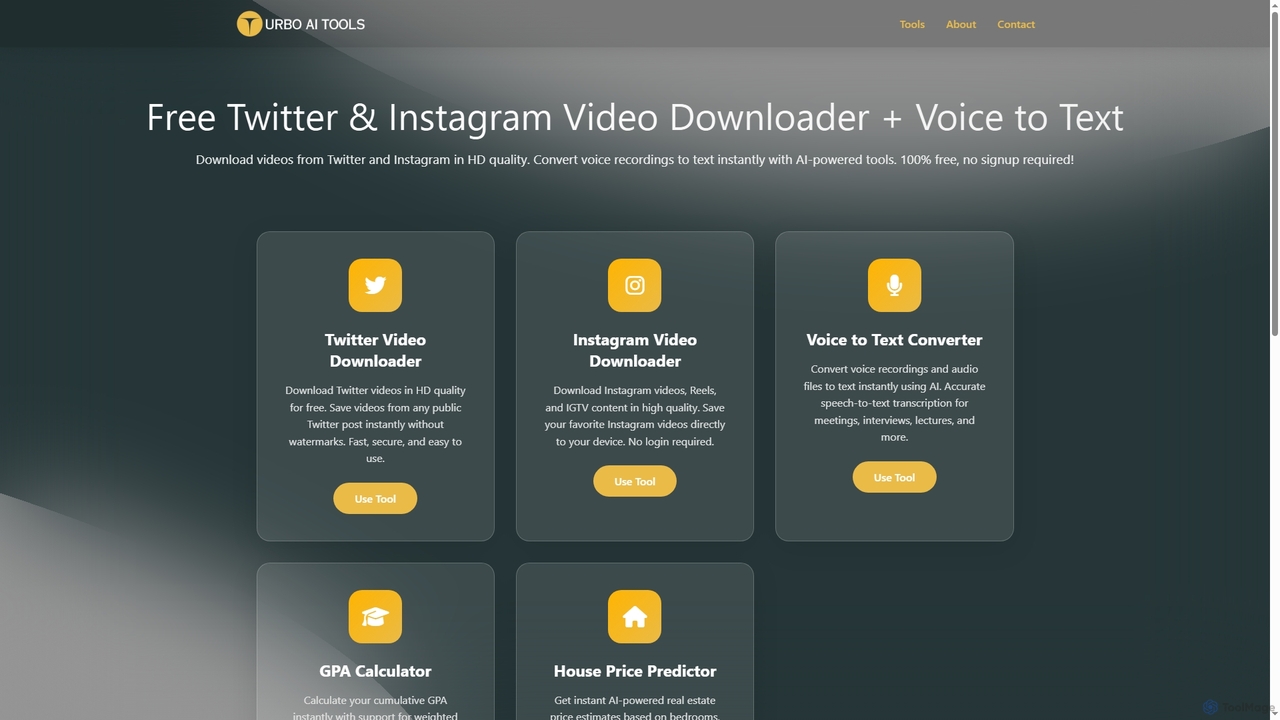
TurboAITools offers a comprehensive suite of free, AI-powered online utilities designed to simplify digital tasks. It includes tools like Twitter and Instagram video downloaders, an accurate voice-to-text converter, a versatile GPA calculator, and an intelligent house price predictor. Prioritizing user privacy and ease of use, TurboAITools provides fast, registration-free solutions for content creators, students, and real estate enthusiasts alike.

Academic Planning
Visits 6.7KFavorites 34Likes 37
hellodata
Freemium

hellodata

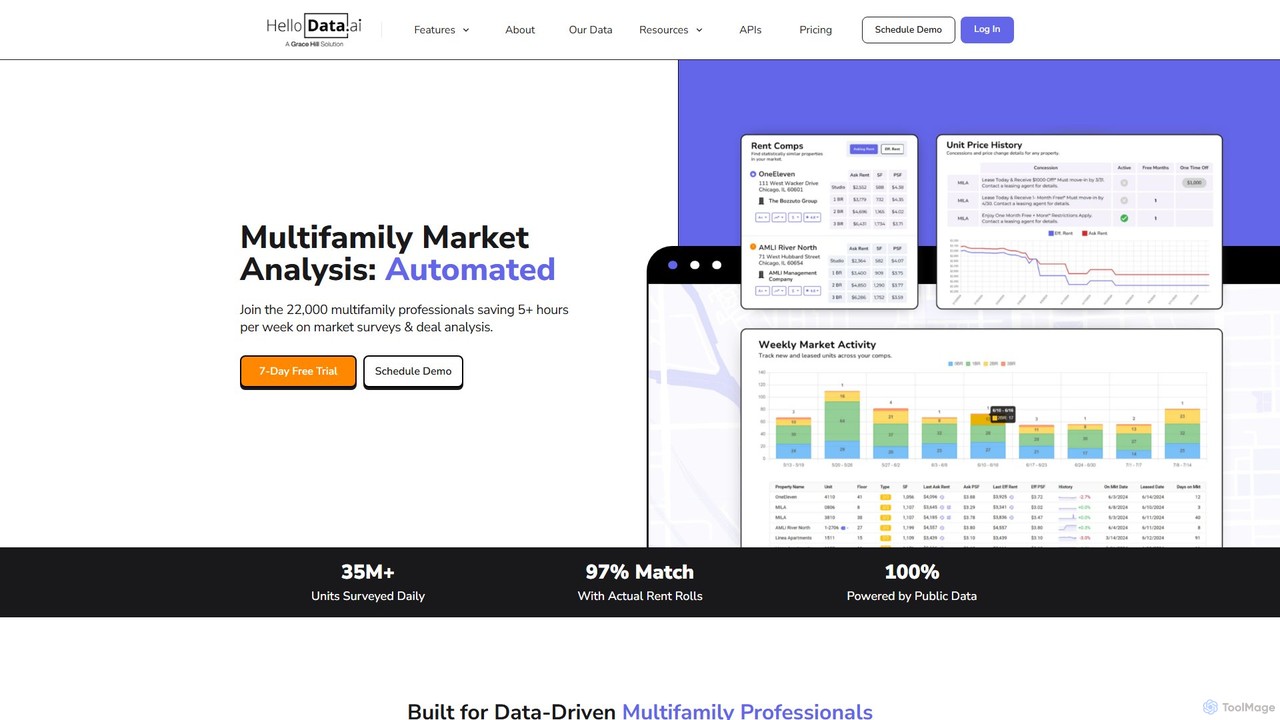
hellodata is an AI-powered platform for automated multifamily real estate market analysis. It provides daily updated, unit-level rent data, competitor analysis, and concession monitoring from public sources. Designed for investors, developers, and managers, it saves hours on market surveys and deal underwriting, offering deep insights with high accuracy and speed.

Business Intelligence
Visits 61.5KFavorites 145Likes 162
mybrokerone
Freemium

mybrokerone

mybrokerone is an AI-powered real estate platform that utilizes computational analysis for precise property valuation and market insights. It connects buyers, sellers, and agents, offering a comprehensive database of listings, neighborhood analysis, and a data-driven marketing plan to streamline real estate transactions, primarily in the Florida market.

Lead Generation
Visits 9.1KFavorites 134Likes 144
dichanai
Freemium

dichanai

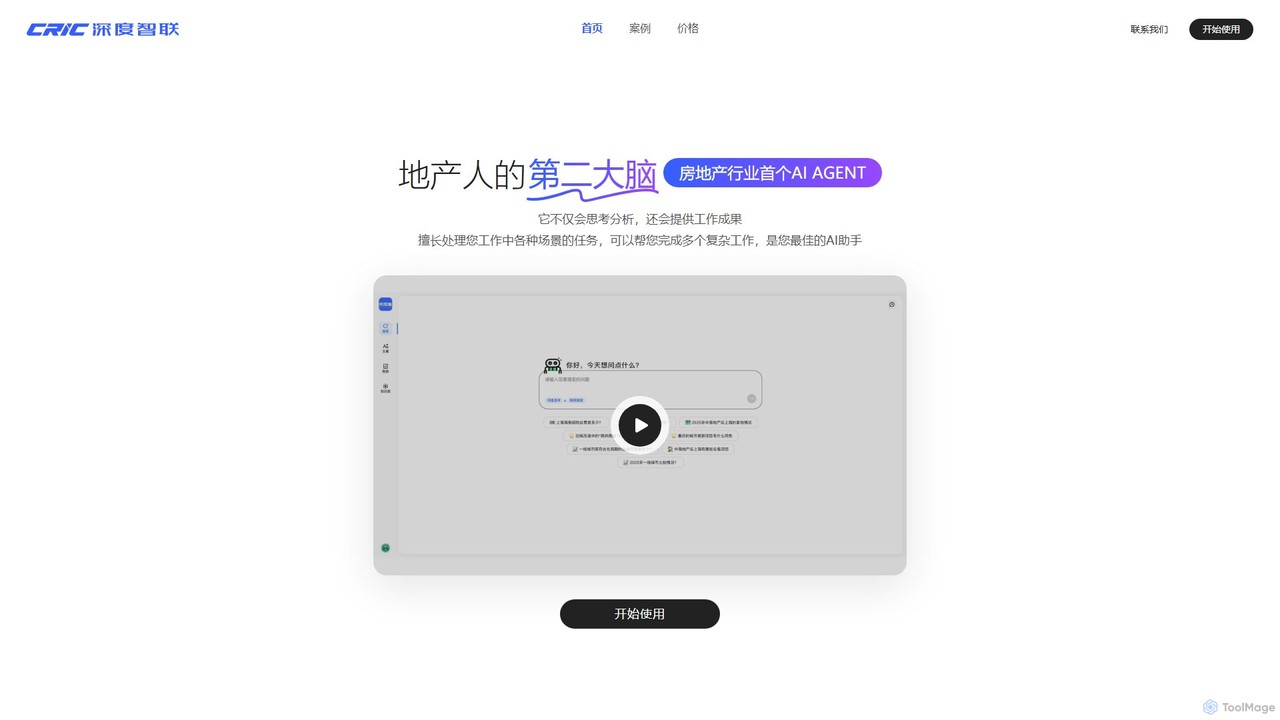
dichanai is a pioneering AI Agent designed as a "second brain" for real estate professionals. It specializes in automating complex tasks such as market analysis, investment reporting, project evaluation, and professional content creation, providing data-driven insights and tangible work results for the property industry.

Investment Analysis
Visits 6.4KFavorites 152Likes 149
ippi
Freemium

ippi

A data-driven analytics platform for the Irish property market. ippi empowers real estate agents and valuers with real-time market insights, rapid property appraisal tools, and a comprehensive database of over 1.5 million properties. It helps save time, improve valuation accuracy, and increase sales through detailed market reports and a customizable dashboard.

Data Analytics
Visits 6.3KFavorites 149Likes 132
Hauservice
Freemium

Hauservice

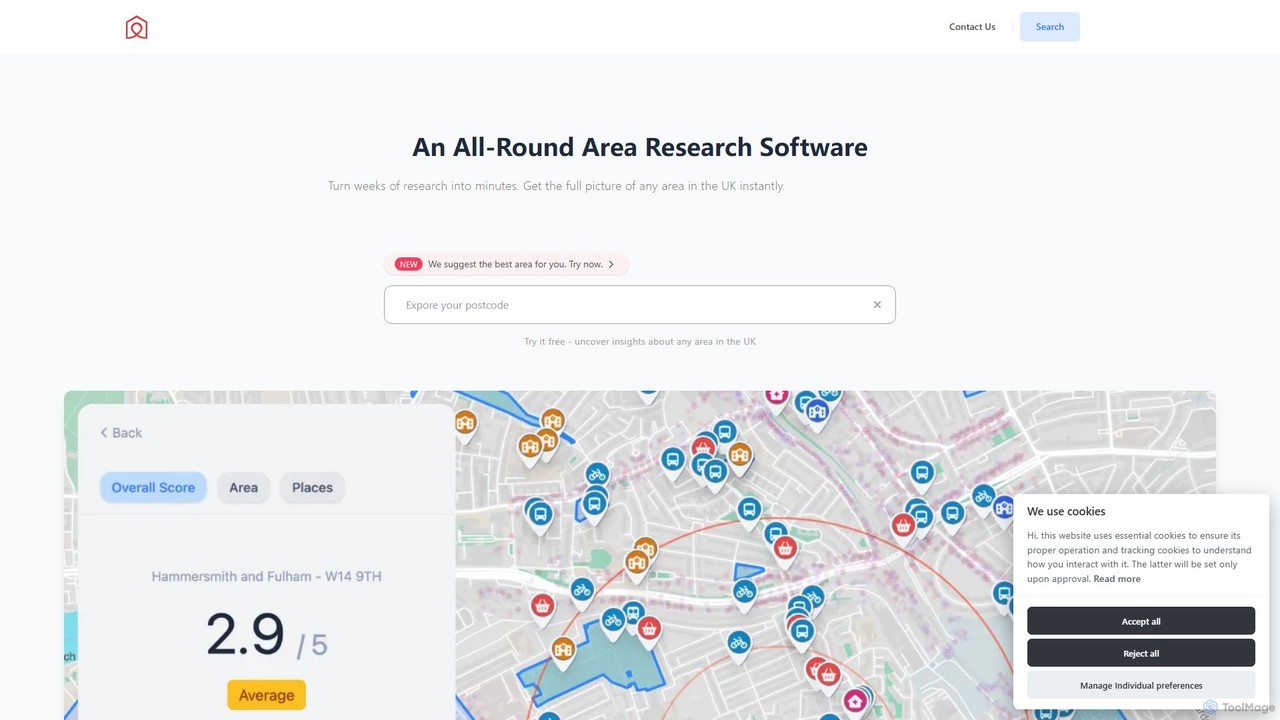
Hauservice is an AI-powered area research tool that provides comprehensive, data-driven insights for any location in the UK. It consolidates information on demographics, house prices, crime rates, schools, and local amenities, transforming weeks of research into minutes. Ideal for homebuyers, renters, and investors, it helps users make confident decisions by offering a complete picture of any neighborhood.

Research
Visits 6.5KFavorites 110Likes 109

About Market Analysis

AI Market Analysis tools for real estate are specialized platforms using machine learning to evaluate property values, market trends, and investment potential. These tools process vast datasets, including property listings, historical sales, demographic shifts, and economic indicators, to generate predictive insights. They empower investors, agents, and developers to make data-driven decisions, identify profitable opportunities, and understand complex market dynamics with greater accuracy and speed. This technology moves beyond simple comparisons by offering forward-looking forecasts and risk assessments.

Core Features

  • Predictive Valuation: Generates accurate property value estimates (AVMs) using dynamic machine learning models.
  • Trend Forecasting: Analyzes historical data to predict future price movements and rental demand in specific areas.
  • Automated CMA: Instantly creates detailed Comparative Market Analysis (CMA) reports by analyzing hundreds of comparable properties.
  • Investment Opportunity Scoring: Ranks properties or neighborhoods based on potential ROI, cash flow, and appreciation.
  • Demographic Data Integration: Overlays population growth, income levels, and employment data onto property maps for deeper context.

Use Cases

These tools are primarily used by real estate investors to identify undervalued assets, real estate agents to price properties accurately for listings, and developers to assess project viability. Financial institutions also leverage them for portfolio risk assessment, and property managers use them to set optimal rental rates.

How to Choose

When selecting a tool, consider the accuracy and coverage of its data sources (e.g., direct MLS integration), the transparency of its predictive models, its ability to customize reports, and how easily it integrates with your existing CRM or workflow. Also, evaluate the user interface for ease of use and the granularity of the available data.

Market Analysis use cases

1

Identify High-Growth Investment Neighborhoods

A real estate investor uses an AI analysis tool to screen multiple cities for investment opportunities. By analyzing demographic trends, infrastructure development plans, and historical appreciation rates, the AI scores neighborhoods on their future growth potential. This allows the investor to pinpoint emerging markets before prices surge, focusing their capital on areas with the highest probability of long-term ROI.

2

Automate Comparative Market Analysis (CMA) Reports

A real estate agent needs to price a new listing accurately. Instead of manually searching for comparable properties (comps), the agent inputs the property's address into an AI tool. The platform instantly pulls the most relevant recent sales, active listings, and off-market data, adjusting for features like square footage and condition. It generates a comprehensive, branded CMA report in minutes, allowing the agent to present a data-backed price recommendation to the client quickly.

3

Assess Development Project Feasibility

A property developer is considering acquiring land for a new residential complex. They use an AI market analysis tool to forecast demand for specific property types (e.g., condos vs. townhouses) in that area. The AI analyzes local zoning laws, population forecasts, and economic growth to model potential absorption rates and project profitability, helping the developer make a go/no-go decision with reduced financial risk.

4

Optimize Rental Pricing Strategy

A property manager for a multi-family building wants to minimize vacancies. They use an AI tool that continuously analyzes current rental listings, vacancy rates, and local amenities in the immediate vicinity. The tool recommends optimal monthly rental prices for different unit types, providing data-backed justification for rent adjustments and helping to strike a balance between maximizing income and maintaining high occupancy.

5

Enhance Portfolio Risk Assessment

A financial institution with a large real estate loan portfolio uses AI analysis to monitor risk. The tool models the impact of macroeconomic shifts, such as interest rate changes or local unemployment spikes, on property values across different regions. This allows portfolio managers to identify high-risk segments proactively and adjust their lending strategies or hedge against potential losses before market downturns occur.

6

Inform Home Buying and Selling Decisions

A prospective home buyer uses a consumer-facing AI analysis tool to evaluate a property they are interested in. The tool provides an objective valuation based on market data, highlighting if the listing is overpriced. Conversely, a seller can use it to determine the most effective listing price to attract offers quickly. This empowers individuals with data-driven insights, moving beyond emotional assessments in negotiations.

Market Analysis FAQ

What are AI Real Estate Market Analysis tools?

AI Real Estate Market Analysis tools are software platforms that apply machine learning to the property sector. They automatically process thousands of data points—such as sales history, property taxes, demographic trends, and local amenities—to provide predictive property valuations, forecast market trends, and identify investment opportunities with a high degree of accuracy. They go beyond traditional methods by analyzing complex patterns and providing forward-looking insights.

How do I choose the right AI tool for real estate analysis?

Consider these key factors:

  • Data Quality: Ensure the tool uses reliable, up-to-date, and comprehensive data sources, such as direct MLS feeds and public records.
  • Model Transparency: Prefer tools that offer some insight into how their AI models arrive at conclusions, rather than being a complete 'black box'.
  • Feature Set: Match the tool's capabilities (e.g., rental analysis, renovation ROI, forecasting) to your specific needs as an investor, agent, or developer.
  • Usability and Integration: The platform should have an intuitive interface and ideally integrate with other software you use, such as a CRM.
What's the difference between AI analysis and a traditional CMA?

A traditional Comparative Market Analysis (CMA) relies on an agent's manual selection of a few comparable properties. AI market analysis automates this on a massive scale, analyzing hundreds of relevant properties and incorporating dozens of additional variables like market momentum, neighborhood trends, and property condition adjustments. This results in a more objective, data-driven, and often more accurate valuation that is less susceptible to individual bias.

What key data do AI real estate analysis tools use?

These tools synthesize a wide range of data. Core datasets include:

  • Property Data: Square footage, beds/baths, year built, lot size, property condition.
  • Transactional Data: Historical sales records, active and pending listings, tax assessments.
  • Location Data: School district ratings, crime rates, proximity to amenities (parks, transit).
  • Market & Economic Data: Days on market trends, inventory levels, local employment rates, population growth.
Who benefits most from AI-powered real estate market analysis?

While anyone involved in real estate can benefit, the primary users are:

  • Real Estate Investors: To find profitable deals faster and analyze markets at scale.
  • Real Estate Agents/Brokers: To provide clients with accurate pricing, data-backed advice, and professional reports.
  • Property Developers: To assess the viability of new projects and forecast demand before committing capital.
  • Financial Institutions: To manage risk in their loan and investment portfolios.