ToolMage
Sign in

Best 2 Property Technology AI tools for Real Estate

Popular Property Technology AI tools in Real Estate include Peek and autarc, helping you work more efficiently.

autarc
Paid

autarc

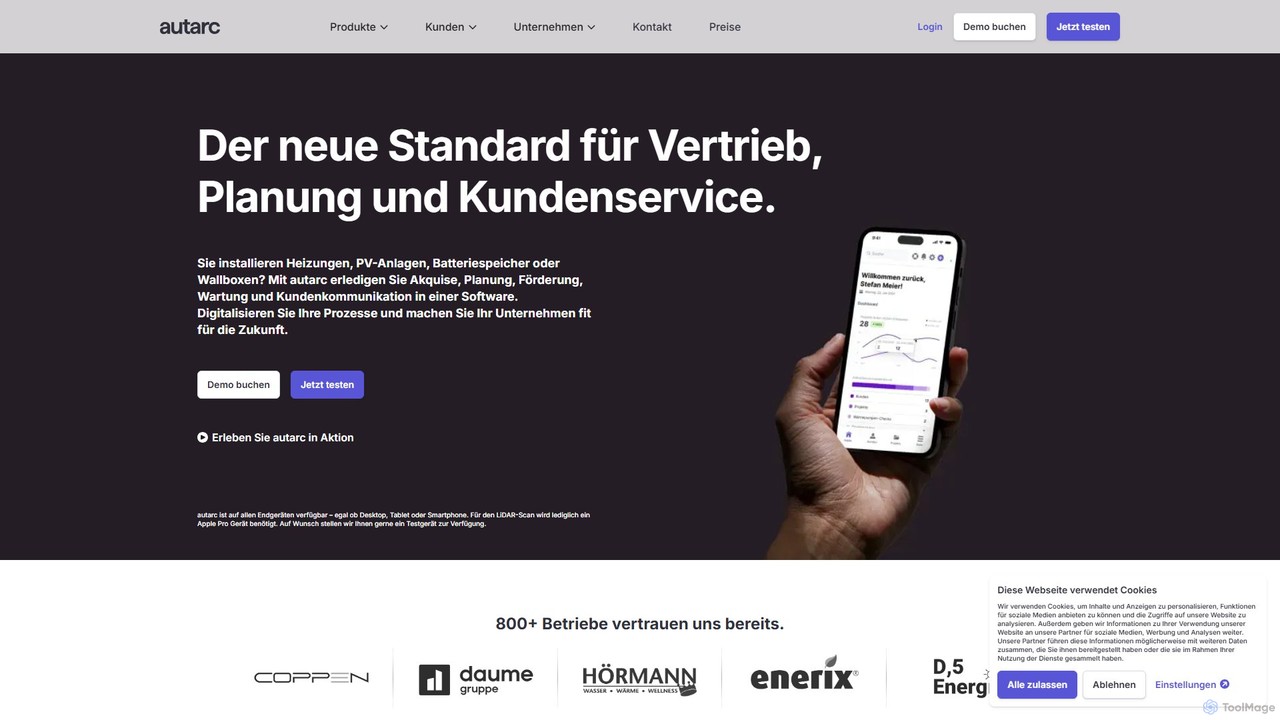
autarc is an all-in-one B2B software for renewable energy professionals, streamlining the planning of heat pumps, PV systems, and storage. It uses AI and LiDAR scanning to enable fully digital, compliant, and efficient project management from lead qualification to final proposal.

Energy Management
Visits 61.9KFavorites 122Likes 103
Peek
Paid

Peek

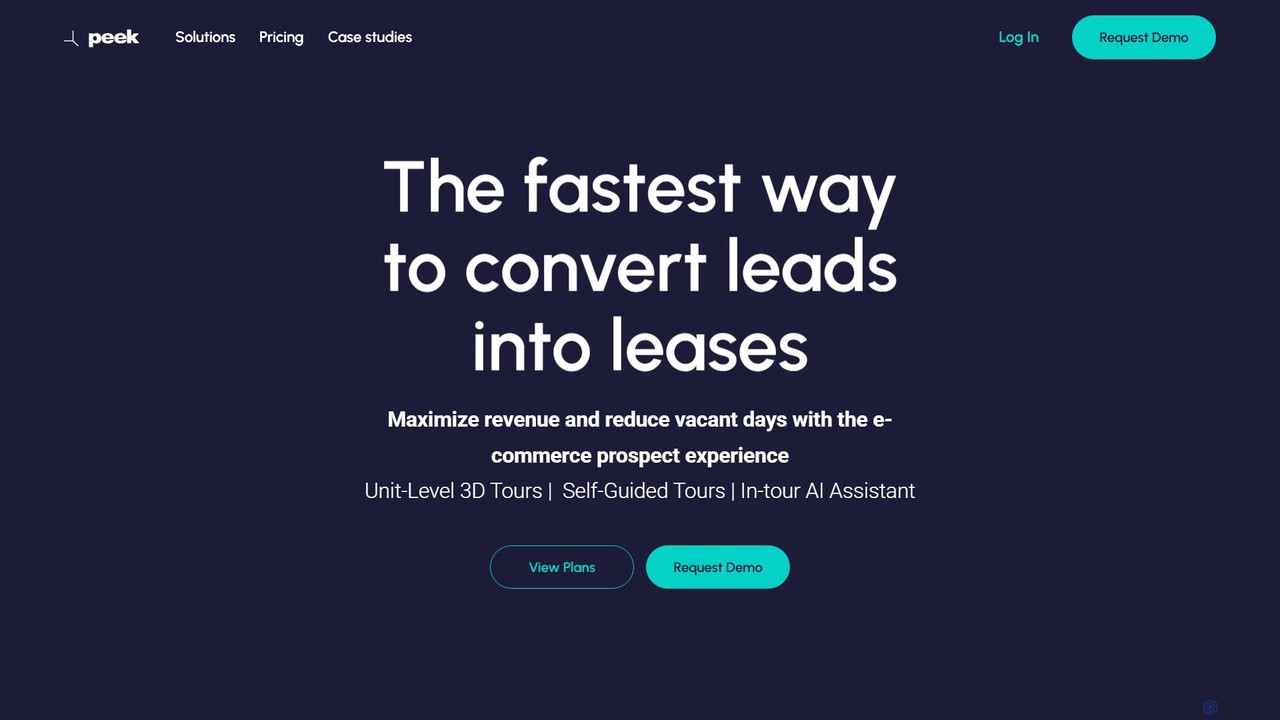
Peek is an AI-powered leasing automation platform for the multifamily real estate industry. It combines immersive 3D virtual tours, self-guided tours, and a 24/7 AI assistant to enhance prospect experiences, automate lead management, and accelerate lease-ups. By transforming property websites and listings into interactive digital storefronts, Peek helps property managers increase revenue, reduce vacancy, and streamline operations with minimal effort from on-site teams.

Chatbot
Visits 105.2KFavorites 127Likes 129

About Property Technology

Property Technology (PropTech) refers to AI-powered tools that revolutionize the real estate industry by enhancing efficiency, transparency, and user experience. These solutions leverage data analytics, machine learning, and automation to streamline processes across property development, management, and transactions. PropTech aims to modernize traditional real estate practices, offering innovative ways to interact with physical and digital property assets.

Core Features

  • AI-driven Valuation: Utilizes machine learning to provide accurate, real-time property valuations based on vast datasets and market trends.
  • Smart Building Management: Integrates IoT and AI to optimize energy consumption, security, and maintenance in commercial and residential properties.
  • Virtual Property Tours: Creates immersive 3D models and virtual reality experiences for remote property viewing and exploration.
  • Predictive Market Analytics: Analyzes historical data and current trends to forecast property market movements, investment opportunities, and risks.
  • Automated Property Management: Streamlines tasks like tenant screening, rent collection, maintenance scheduling, and communication through AI and automation.

Use Cases

Real estate developers use PropTech for site selection and project feasibility analysis. Property managers deploy smart building solutions for operational efficiency and tenant satisfaction. Investors leverage AI analytics for informed decision-making on acquisitions and portfolio optimization.

How to Choose

When selecting PropTech tools, consider the specific real estate segment (residential, commercial, industrial), integration capabilities with existing systems, data security protocols, scalability for future growth, and the level of AI sophistication required for your operational needs. Evaluate user interface intuitiveness and vendor support.

Property Technology use cases

1

Automating Property Valuation and Appraisal

Real estate appraisers and investors utilize AI-driven valuation platforms to quickly assess property values. By inputting property details, the AI analyzes market data, comparable sales, and neighborhood trends in real-time, providing highly accurate appraisals far faster than traditional methods. This significantly reduces research time and enhances investment decision-making.

2

Enhancing Virtual Property Showings

Real estate agents and developers employ PropTech tools to create immersive virtual tours for potential buyers or tenants. Using 3D scanning and VR/AR technology, prospects can explore properties remotely, viewing layouts, finishes, and even customizing spaces. This expands reach, saves travel time, and offers a richer pre-visit experience, especially for international clients.

3

Optimizing Smart Building Operations

Commercial property managers implement AI-powered smart building systems to monitor and control various aspects like energy consumption, HVAC, lighting, and security. These systems learn usage patterns, predict maintenance needs, and automatically adjust settings for optimal efficiency and tenant comfort. This leads to significant cost savings and improved building performance.

4

Predicting Real Estate Market Trends

Real estate analysts and developers leverage PropTech's predictive analytics capabilities to forecast market shifts, identify emerging hotspots, and assess investment risks. AI models process vast amounts of economic, demographic, and transactional data to provide insights into future property values, rental yields, and demand, guiding strategic planning.

5

Streamlining Tenant Management and Communication

Property management companies use AI-driven platforms to automate tenant-related tasks. This includes AI chatbots for instant query resolution, automated rent reminders, digital lease signing, and streamlined maintenance request systems. This improves tenant satisfaction, reduces administrative burden, and ensures efficient communication.

6

Facilitating Digital Property Transactions

Buyers, sellers, and legal professionals use PropTech solutions to digitize and streamline property transactions. This involves secure online document signing, blockchain-based title transfers, and AI-assisted contract review. The process becomes faster, more transparent, and reduces the need for physical paperwork and in-person meetings.

Property Technology FAQ

What is Property Technology (PropTech)?

Property Technology (PropTech) refers to the application of advanced technologies, including AI, IoT, and big data, to innovate and improve services across the real estate sector. It aims to enhance how properties are bought, sold, managed, and experienced. Key areas include smart buildings, virtual tours, AI valuation, and automated property management.

How does PropTech differ from traditional real estate practices?

PropTech fundamentally differs by leveraging technology to automate, optimize, and digitize processes that were traditionally manual, paper-based, and time-consuming. While traditional real estate relies heavily on human interaction and physical presence, PropTech introduces data-driven insights, remote operations, and enhanced efficiency through digital platforms, offering greater transparency and accessibility.

What are the main benefits of using PropTech tools?

The main benefits of PropTech tools include increased operational efficiency through automation, improved decision-making with data-driven insights, enhanced customer experience via virtual tours and personalized services, and significant cost savings in property management and transactions. It also fosters greater transparency and accessibility in the market.

Who can benefit most from adopting PropTech solutions?

A wide range of stakeholders can benefit from PropTech. This includes real estate developers, investors, property managers, agents, and even individual buyers and sellers. Developers use it for project planning, investors for market analysis, managers for operational efficiency, and agents for client engagement. Buyers and sellers gain from streamlined processes and better information access.

What are some key considerations when implementing PropTech?

When implementing PropTech, consider data security and privacy compliance, the integration capabilities with existing legacy systems, the scalability of the solution to meet future needs, and the user-friendliness for your team and clients. Also, evaluate the vendor's support, training, and the long-term cost-effectiveness of the technology.