Seo Best in category 3 results Content Strategy AI Tool

Popular AI tools in the Content Strategy field of Seo include MarketMuse、InstantPersonas、SEOsolved, etc., helping you quickly improve efficiency.

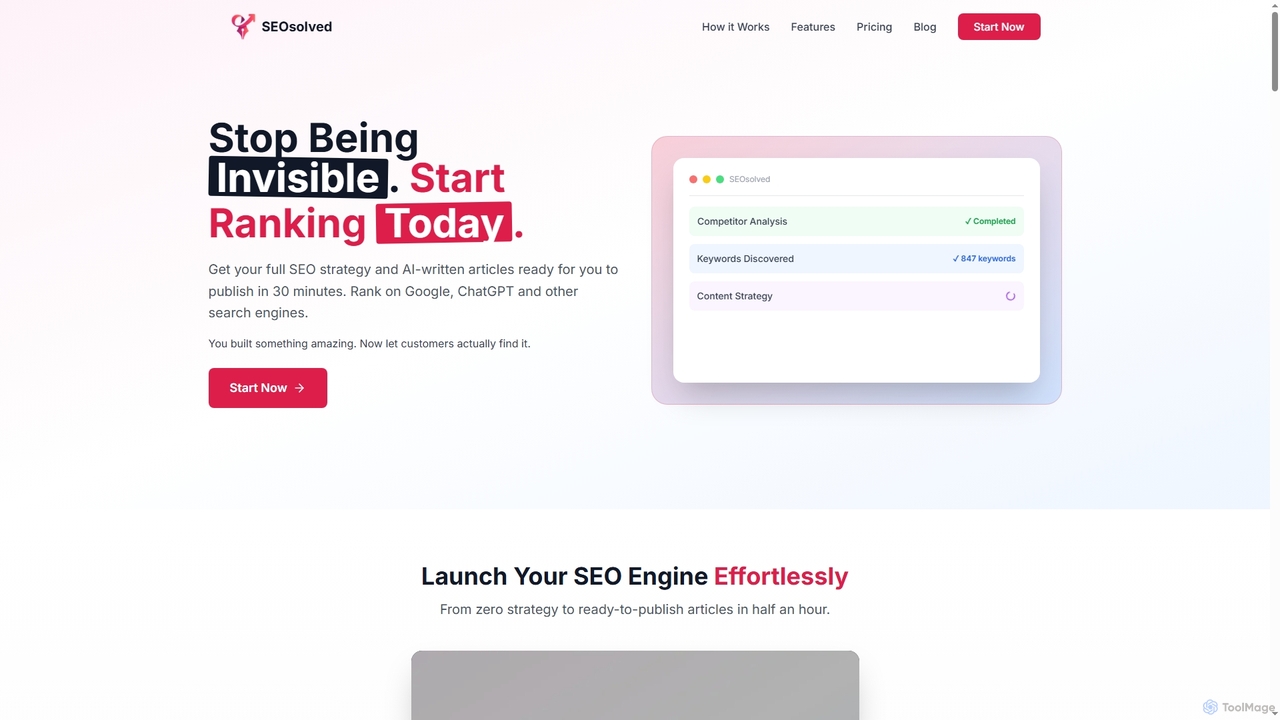
SEOsolved

SEOsolved

SEOsolved is an AI-powered platform that generates a complete SEO content strategy and ready-to-publish articles in minutes. It …

2.8K
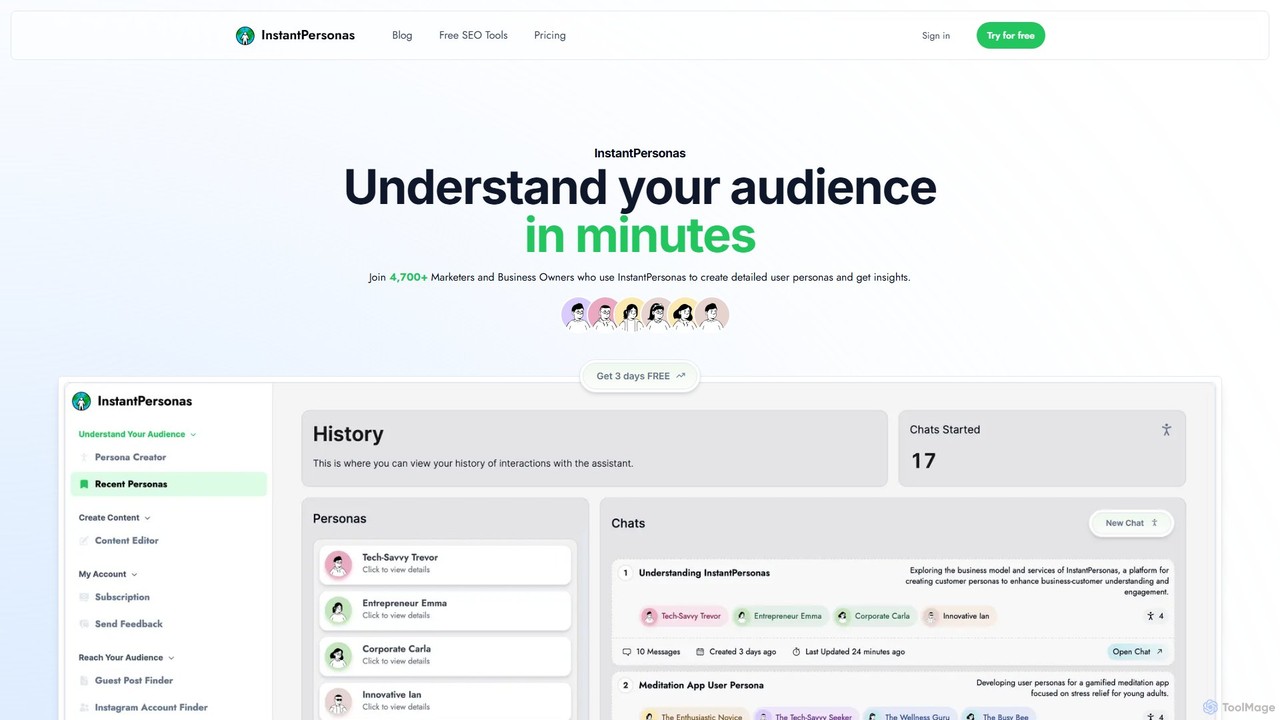
InstantPersonas

InstantPersonas

InstantPersonas is an AI-powered tool designed for marketers, business owners, and designers to generate detailed user personas in …

4.6K
MarketMuse

MarketMuse

MarketMuse is an AI-powered content planning and optimization platform that helps businesses build topical authority and win in …

79.1K

About Content Strategy

Content Strategy tools are a specialized category of SEO software designed for planning, creating, and managing content to achieve specific search engine visibility goals. These platforms use data analysis and AI to identify high-potential topics, structure content effectively, and audit existing assets. They help transform SEO from a reactive process into a proactive, data-driven plan for building topical authority and attracting organic traffic. This focus on the entire content lifecycle makes them a crucial component of any advanced SEO campaign.

Core Features

  • Topic Clustering: Identifies and groups related keywords into clusters to build topical authority and plan pillar content.
  • Content Brief Generation: Automatically creates detailed outlines for writers, including target keywords, headings, word count, and competitor data.
  • Content Gap Analysis: Finds valuable keywords and topics your competitors rank for, but you don't.
  • Content Auditing & Optimization: Analyzes existing content to identify optimization opportunities for improving search rankings.
  • Content Calendar & Workflow Management: Provides tools to plan, schedule, and track the entire content production process.

Use Cases

These tools are essential for SEO managers, content marketing teams, and digital agencies. For instance, a SaaS company can use them to plan a content hub that establishes them as an industry leader. A digital agency can leverage these tools to build a comprehensive, long-term content roadmap for a new client, demonstrating a clear path to achieving traffic goals.

How to Choose

When selecting a Content Strategy tool, consider the depth of its keyword and topic research capabilities. Evaluate its ability to generate actionable content briefs and audit existing content. Also, assess its integration with other tools like Google Search Console and your CMS, and consider whether its workflow management features fit your team's size and process.

Content StrategyUse Cases

1

Building Topical Authority for a Niche Website

An SEO manager for a niche e-commerce site selling specialty coffee wants to dominate search results for related queries. They use a Content Strategy tool to perform topic cluster research around the core term 'specialty coffee'. The tool identifies dozens of sub-topics like 'pour-over techniques', 'coffee bean origins', and 'grinder comparisons'. Based on this data, the manager plans a pillar page for the main topic and a series of cluster blog posts for each sub-topic. This structured approach helps them systematically cover the entire subject, establishing their website as an authoritative source for Google and attracting highly qualified buyers.

2

Executing a Content Refresh Project

A content marketer at a B2B SaaS company is tasked with improving the performance of their existing blog content. Using the content audit feature of a strategy tool, they identify 50 articles with high impressions but low click-through rates, often ranking on the second page of Google. The tool provides specific optimization suggestions for each article, such as adding missing keywords, improving meta descriptions, and answering related questions. The marketer uses these data-driven briefs to update the articles, resulting in a significant ranking increase for many of them within weeks of republication.

3

Outranking Competitors with Content Gap Analysis

A digital marketing agency is developing a strategy for a new client in the competitive fintech industry. They use a Content Strategy tool to perform a content gap analysis against three main competitors. The tool reveals several high-volume keyword clusters related to 'small business financing' that competitors rank for, but the client has no content on. The agency uses this insight to prioritize the creation of a comprehensive guide and several supporting articles on this topic. This allows the client to quickly enter a new, relevant conversation and start capturing valuable organic traffic that was previously going only to their rivals.

4

Streamlining Content Creation with AI Briefs

A large content team needs to produce 20 high-quality blog posts per month while maintaining SEO standards. The Head of Content uses a strategy tool to generate AI-powered content briefs for each topic. Each brief includes a target word count, a list of primary and secondary keywords, a suggested H1-H3 structure based on top-ranking articles, and a list of frequently asked questions to include. This process reduces research time for writers by over 50%, eliminates guesswork, and ensures every piece of content is optimized for search from the very first draft, leading to better and more consistent ranking results.

5

Planning a Quarterly Content Calendar

A marketing manager needs to align their content production with upcoming product launches and seasonal campaigns. Using a Content Strategy tool's calendar feature, they map out key themes for the next quarter. For each theme, they identify a pillar piece and several related articles, social media posts, and email newsletters. They can assign each content piece to a writer, set deadlines, and track progress from ideation to publication all within one platform. This provides a holistic view of the content pipeline and ensures all marketing efforts are coordinated and strategically aligned with business objectives.

6

Scaling Content Production for a Global Audience

A multinational corporation needs to create localized content strategies for five different regions. The central SEO team uses a Content Strategy tool to identify core global topics and then analyzes regional search trends to find local variations and culturally relevant angles. They create master content briefs for the core topics and then adapt them for each region, including local keywords and competitor data. This allows them to maintain brand consistency and a core strategic direction while empowering regional teams to create content that truly resonates with their specific audiences, maximizing global SEO impact.

Content StrategyFrequently Asked Questions